

Motmot

ネッタイハジロ 対 ベニバシガモ

Netta erythrophthalma 対 Netta peposaca

ネッタイハジロとベニバシガモのクイズ
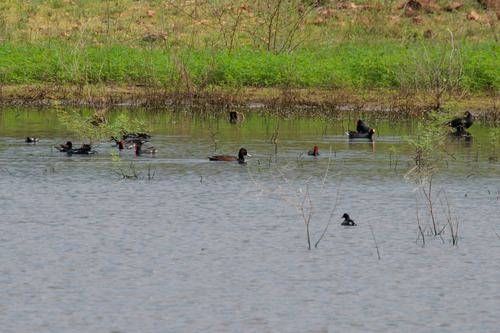
ネッタイハジロ (Netta erythrophthalma) ネッタイハジロ
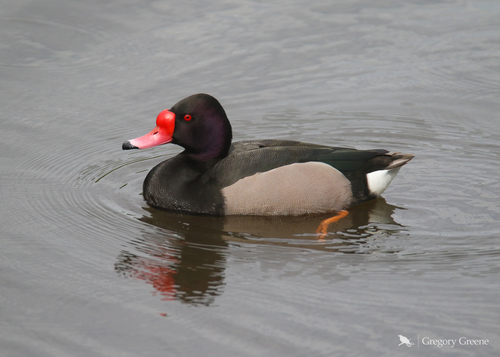
ベニバシガモ (Netta peposaca) ベニバシガモ

メディア

読み込み中…

要点

南部ハジロとベニバシガモを区別する最も信頼できるフィールドマークは、オスのベニバシガモの鮮やかな赤いくちばしと大きく丸いノブであり、これは南部ハジロにはまったく存在しません。飛行中、すべての年齢のベニバシガモは、初列風切と次列風切に広い白いストライプを示し、これは南部ハジロには言及されていません。雌と未成熟のベニバシガモは鈍い茶色ですが、依然として対照的な白いクリッサムと飛行中の白い翼のストライプを示します。南部ハジロはこれらの大胆なコントラストを欠いており、全体的に地味です。サイズも手がかりです:ベニバシガモは南部ハジロよりも明らかに重く、がっしりとしています。

識別のコツ

  1. 飛行中、すべての年齢/性別のベニバシガモの初列風切と次列風切の広い白いストライプを探してください;南部ハジロはこれを欠いており、より均一に暗く見えます。
  2. 成鳥のオスのベニバシガモは、基部に大きく丸いノブを持つ明るい赤いくちばしを示します—ユニークで間違いありません;南部ハジロは決して赤いくちばしやノブを示しません。
  3. 雌と未成熟のベニバシガモは鈍い茶色ですが、黒い先端を持つ青灰色のくちばしと対照的な白いクリッサム(尾の下の部分)を示します;南部ハジロの雌/未成熟は白いクリッサムを欠き、より均一に暗いまたは茶色がかった外観を持っています。
  4. ベニバシガモのオスは、紫黒色の頭、首、胸と灰色の側面を持っています;南部ハジロは全体的により均一に暗いまたは茶色がかっており、強いコントラストを欠いています。
  5. ベニバシガモは南部ハジロよりも明らかにがっしりとしており、重いです—特に混合群れの中で、より頑丈で広い体のカモを探してください。
  6. ベニバシガモは鈍いエクリプス羽毛を示しません;オスは常に明るいので、地味なオスはベニバシガモである可能性は低いです。
  7. くちばしの色は重要なフィールドマークです:ノブ付きの明るい赤(オスのベニバシガモ)、黒い先端の青灰色(雌/未成熟のベニバシガモ)、南部ハジロでは決して見られません。
  8. 南部ハジロは明るいまたは対照的なくちばしの色を欠き、全体的により控えめな外観です。
  9. 水中では、ベニバシガモはより浮力があり、広い背中に見えるかもしれません;南部ハジロは低く座り、よりスリムに見えます。
  10. 餌を探す行動を見た場合、ベニバシガモは南部ハジロよりも頻繁に水面をついばむかもしれませんが、どちらも主に潜水カモです。
  11. 足の色は強い区別要因ではありませんが、ベニバシガモは黄色からオレンジ色の足と足を持ち、雌では時々灰色がかっています。
  12. 鳴き声はフィールドでの診断には役立ちませんが、深く静かなホンクは、よく聞こえればベニバシガモを示唆するかもしれません。
  13. 南アメリカでは生息地の重複が広範囲にわたります;識別のために場所だけに頼らないでください。
  14. 幼鳥のベニバシガモは雌に似ていますが、下側が暗くなっています;飛行中の白いクリッサムと翼のストライプを探してください。
  15. 迷った場合は、飛行中の白い翼のストライプの有無と、止まっているまたは泳いでいる鳥のくちばしの形/色を優先してください。

大きさ

ベニバシガモは南部ハジロよりも明らかに大きく、重く、平均体重は約1092.5gで、南部ハジロの777gと比較されます [wikidata]。ベニバシガモは最大56cmの長さに達し、翼幅は72〜84cmで、南部ハジロよりもがっしりとしており、翼が長いです。どちらも中型のカモですが、直接比較すると、ベニバシガモは特にオスにおいてより頑丈で広い体に見えます。

羽色

すべての年齢において、最も特徴的な羽毛の違いは飛行中に見られます:ベニバシガモは、翼が広げられたときにのみ見える初列風切と次列風切に広い白いストライプを示します [wikipedia]。南部ハジロはこの特徴を示さず、全体的により均一に暗いです。成鳥のオスのベニバシガモは紫黒色の頭、首、胸、灰色の側面、そして大きなノブを持つ明るい赤いくちばしを持っています。雌と未成熟は鈍い茶色で、青灰色のくちばしと対照的な白いクリッサム(尾の下の部分)を持ち、下側は成鳥の雌よりも暗いです。南部ハジロは明るいくちばし、ノブ、白いクリッサムを欠き、全体的により均一に暗いまたは茶色がかっており、強いコントラストはありません。ベニバシガモのオスはエクリプス(鈍い)羽毛を示さず、明るい特徴は一年中存在しますが、一部の北方のカモとは異なります。

行動

両種は潜水カモですが、ベニバシガモはしばしば水面をついばむカモのように餌を探し、種子や水生植物のために頻繁に逆さまになる姿が見られます [wikipedia]。ベニバシガモは強力な飛行者ですが、翼の先端が鈍く、多くのカモよりも速い羽ばたきと長い離陸走行が必要です。彼らの足は後方に配置されており、陸上では不器用に歩きます。南部ハジロの行動はあまり記述されていませんが、典型的なネッタとして、より水生で陸上ではあまり機敏でない可能性があります。

生息環境

両種は淡水の湿地、湖、湿原に生息しています。ベニバシガモは南アメリカに特有で、アルゼンチン、中央チリ、パラグアイ、ウルグアイ、南ブラジルに見られ、季節的な移動があります。南部ハジロも南アメリカに生息しており(別のアフリカ亜種があります)、そのため彼らの分布は南部南アメリカで重なります。両者は似たような湿地の生息地で見られることがあるため、生息地だけでは信頼できる区別要因ではありません。

声

ベニバシガモは特徴的なカモ科の「ホンク」を持っていますが、マガモと比較して深く、比較的静かです [wikipedia]。南部ハジロに関する特定の鳴き声の記述はメモにないため、声は区別のための強いフィールドマークではありません。

より良い説明を送る

比較と同じ項目を使ってください。文章はすぐに公開されます。

The most reliable field mark to separate Southern Pochard from Rosy-billed Pochard is the male Rosy-billed's vivid red bill with a large, rounded knob, which is entirely absent in Southern Pochard. In flight, Rosy-billed Pochard of all ages shows a broad white stripe on the primaries and secondaries, a feature not mentioned for Southern Pochard. Female and immature Rosy-billeds are dull brown, but still show a contrasting white crissum and the white wing stripe in flight. Southern Pochard lacks these bold contrasts and is overall plainer. Size is also a clue: Rosy-billed is noticeably heavier and bulkier than Southern Pochard.

  1. In flight, look for the broad white stripe on the primaries and secondaries of Rosy-billed Pochard (all ages/sexes); Southern Pochard lacks this and appears more uniformly dark.
  2. Adult male Rosy-billed shows a bright red bill with a large, rounded knob at the base—unique and unmistakable; Southern Pochard never shows a red bill or knob.
  3. Female and immature Rosy-billeds are dull brown but show a bluish-gray bill with a black tip and a contrasting white crissum (undertail area); Southern Pochard females/immatures lack the white crissum and have a more uniformly dark or brownish appearance.
  4. Rosy-billed males have a purplish-black head, neck, and breast with gray sides; Southern Pochard is overall more uniformly dark or brownish, lacking the strong contrast.
  5. Rosy-billed Pochard is noticeably bulkier and heavier than Southern Pochard—look for a more robust, broad-bodied duck, especially in mixed flocks.
  6. Rosy-billeds do not show a dull eclipse plumage; males are always bright, so a drab male is unlikely to be Rosy-billed.
  7. Bill color is a key field mark: bright red with a knob (male Rosy-billed), bluish-gray with black tip (female/immature Rosy-billed), never seen in Southern Pochard.
  8. Southern Pochard lacks any bright or contrasting bill coloration and is overall more subdued in appearance.
  9. On the water, Rosy-billeds may appear more buoyant and broad-backed; Southern Pochard sits lower and appears slimmer.
  10. If you see feeding behavior, Rosy-billeds may dabble more often than Southern Pochard, but both are primarily diving ducks.
  11. Leg color is not a strong separator, but Rosy-billeds have yellow to orange legs and feet, sometimes grayish in females.
  12. Vocalizations are not diagnostic in the field, but a deep, quiet honk may suggest Rosy-billed if heard well.
  13. Habitat overlap is extensive in South America; do not rely on location alone for identification.
  14. Juvenile Rosy-billeds resemble females but are darker below; still look for the white crissum and wing stripe in flight.
  15. When in doubt, prioritize the presence or absence of the white wing stripe in flight and the bill shape/color for perched or swimming birds.

Rosy-billed Pochard is significantly larger and heavier, with an average body mass of about 1092.5 g compared to Southern Pochard's 777 g [wikidata]. Rosy-billeds can reach up to 56 cm in length and have a wingspan of 72–84 cm, making them bulkier and longer-winged than Southern Pochard. While both are medium-sized ducks, in direct comparison, the Rosy-billed will appear more robust and broad-bodied, especially in males.

For all ages, the most distinctive plumage difference is in flight: Rosy-billed Pochard shows a broad white stripe on the primaries and secondaries, visible only when the wings are outstretched [wikipedia]. Southern Pochard does not show this feature and is overall more uniformly dark. Adult male Rosy-billeds have a purplish-black head, neck, and breast, gray sides, and a bright red bill with a large knob. Females and immatures are dull brown with a bluish-gray bill and a contrasting white crissum (undertail area); their underparts are darker than adult females. Southern Pochard lacks the bright bill, knob, and white crissum, and is more uniformly dark or brownish overall, with no strong contrasts. Rosy-billed males do not show an eclipse (dull) plumage, so their bright features are present year-round, unlike some northern ducks.

Both species are diving ducks, but Rosy-billed Pochard often feeds more like a dabbling duck, frequently seen upending for seeds and aquatic plants [wikipedia]. Rosy-billeds are strong fliers but have blunt-tipped wings and require faster wingbeats and a longer takeoff run than many ducks. Their legs are set far back, making them awkward walkers on land. Southern Pochard's behavior is less described, but as a typical Netta, it is likely similar in being more aquatic and less agile on land.

Both species inhabit freshwater wetlands, lakes, and marshes. Rosy-billed Pochard is endemic to South America, found in Argentina, central Chile, Paraguay, Uruguay, and southern Brazil, with some seasonal movement. Southern Pochard also occurs in South America (with a separate African subspecies), so their ranges overlap in southern South America. Both may be seen in similar wetland habitats, so habitat alone is not a reliable separator.

Rosy-billed Pochard has a characteristic Anatidae 'honk,' but it is deeper and relatively quiet compared to a Mallard [wikipedia]. There is no specific vocal description for Southern Pochard in the notes, so voice is not a strong field mark for separation.

変更を破棄しますか?

保存していない編集があります。今離れると失われます。

ネッタイハジロ · ベニバシガモ · 苦手な鳥