

Southern Pochard vs Fistione beccorosa
Netta erythrophthalma contro Netta peposaca
Fai un quiz con Southern Pochard e Fistione beccorosa
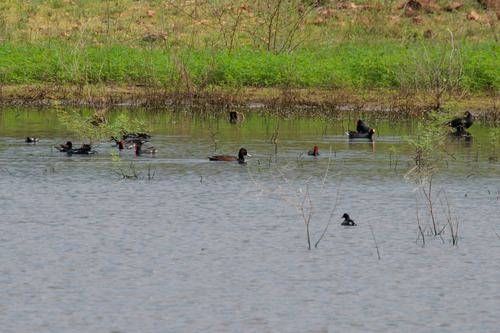 Southern Pochard
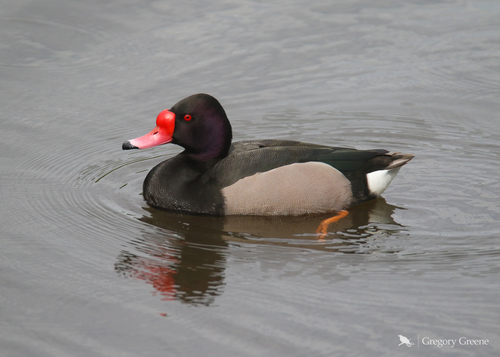 Fistione beccorosa
In breve
Il segno di campo più affidabile per separare il Southern Pochard dal Fistione beccorosa è il becco rosso vivo del maschio Fistione beccorosa con un grande pomello arrotondato, che è completamente assente nel Southern Pochard. In volo, il Fistione beccorosa di tutte le età mostra una larga striscia bianca sulle primarie e secondarie, una caratteristica non menzionata per il Southern Pochard. Le femmine e gli immaturi di Fistione beccorosa sono di un marrone opaco, ma mostrano comunque un crissum bianco a contrasto e la striscia bianca sulle ali in volo. Il Southern Pochard manca di questi forti contrasti ed è complessivamente più semplice. Anche la dimensione è un indizio: il Fistione beccorosa è notevolmente più pesante e massiccio del Southern Pochard.
Consigli di identificazione
- In volo, cerca la larga striscia bianca sulle primarie e secondarie del Fistione beccorosa (tutte le età/sessi); il Southern Pochard manca di questa e appare più uniformemente scuro.
- Il maschio adulto di Fistione beccorosa mostra un becco rosso brillante con un grande pomello alla base—unico e inconfondibile; il Southern Pochard non mostra mai un becco rosso o pomello.
- Le femmine e gli immaturi di Fistione beccorosa sono di un marrone opaco ma mostrano un becco grigio-blu con una punta nera e un crissum bianco a contrasto (area sotto la coda); le femmine/immaturi del Southern Pochard mancano del crissum bianco e hanno un aspetto più uniformemente scuro o marrone.
- I maschi di Fistione beccorosa hanno una testa, un collo e un petto nero-porpora con lati grigi; il Southern Pochard è complessivamente più uniformemente scuro o marrone, mancando del forte contrasto.
- Il Fistione beccorosa è notevolmente bulkier e pesante del Southern Pochard—cerca un'anatra più robusta, dal corpo largo, specialmente in stormi misti.
- I Fistione beccorosa non mostrano un piumaggio di eclissi opaco; i maschi sono sempre brillanti, quindi un maschio opaco è improbabile che sia un Fistione beccorosa.
- Il colore del becco è un segno di campo chiave: rosso brillante con un pomello (maschio Fistione beccorosa), grigio-blu con punta nera (femmina/immaturo Fistione beccorosa), mai visto nel Southern Pochard.
- Il Southern Pochard manca di qualsiasi colorazione brillante o a contrasto del becco ed è complessivamente più sobrio nell'aspetto.
- Sull'acqua, i Fistione beccorosa possono apparire più galleggianti e con schiena larga; il Southern Pochard si trova più in basso e appare più snello.
- Se vedi un comportamento alimentare, i Fistione beccorosa possono tuffarsi più spesso del Southern Pochard, ma entrambi sono principalmente anatre tuffatrici.
- Il colore delle zampe non è un forte separatore, ma i Fistione beccorosa hanno zampe e piedi gialli o arancioni, a volte grigiastri nelle femmine.
- Le vocalizzazioni non sono diagnostiche sul campo, ma un honk profondo e silenzioso può suggerire Fistione beccorosa se sentito bene.
- L'overlap dell'habitat è esteso in Sud America; non fare affidamento sulla posizione da sola per l'identificazione.
- I giovani Fistione beccorosa somigliano alle femmine ma sono più scuri sotto; cerca comunque il crissum bianco e la striscia sulle ali in volo.
- Quando hai dubbi, dai priorità alla presenza o assenza della striscia bianca sulle ali in volo e alla forma/colore del becco per gli uccelli posati o in nuoto.
Taglia
Il Fistione beccorosa è significativamente più grande e pesante, con una massa corporea media di circa 1092,5 g rispetto ai 777 g del Southern Pochard [wikidata]. I Fistione beccorosa possono raggiungere fino a 56 cm di lunghezza e avere un'apertura alare di 72–84 cm, rendendoli più massicci e con ali più lunghe rispetto al Southern Pochard. Anche se entrambi sono anatre di dimensioni medie, in un confronto diretto, il Fistione beccorosa apparirà più robusto e dal corpo largo, specialmente nei maschi.
Piumaggio
Per tutte le età, la differenza di piumaggio più distintiva è in volo: il Fistione beccorosa mostra una larga striscia bianca sulle primarie e secondarie, visibile solo quando le ali sono distese [wikipedia]. Il Southern Pochard non mostra questa caratteristica ed è complessivamente più uniformemente scuro. I maschi adulti di Fistione beccorosa hanno una testa, un collo e un petto nero-porpora, lati grigi e un becco rosso brillante con un grande pomello. Le femmine e gli immaturi sono di un marrone opaco con un becco grigio-blu e un crissum bianco a contrasto (area sotto la coda); le loro parti inferiori sono più scure delle femmine adulte. Il Southern Pochard manca del becco brillante, del pomello e del crissum bianco, ed è più uniformemente scuro o marrone nel complesso, senza forti contrasti. I maschi di Fistione beccorosa non mostrano un piumaggio di eclissi (opaco), quindi le loro caratteristiche brillanti sono presenti tutto l'anno, a differenza di alcune anatre settentrionali.
Comportamento
Entrambe le specie sono anatre tuffatrici, ma il Fistione beccorosa spesso si nutre più come un'anatra di superficie, frequentemente vista capovolta per semi e piante acquatiche [wikipedia]. I Fistione beccorosa sono forti volatori ma hanno ali a punta smussata e richiedono battiti d'ali più veloci e una corsa di decollo più lunga rispetto a molte anatre. Le loro zampe sono posizionate molto indietro, rendendoli camminatori goffi sulla terra. Il comportamento del Southern Pochard è meno descritto, ma come tipico Netta, è probabile che sia simile nel essere più acquatico e meno agile sulla terra.
Habitat
Entrambe le specie abitano zone umide di acqua dolce, laghi e paludi. Il Fistione beccorosa è endemico del Sud America, trovato in Argentina, Cile centrale, Paraguay, Uruguay e sud del Brasile, con alcuni spostamenti stagionali. Anche il Southern Pochard si trova in Sud America (con una sottospecie africana separata), quindi i loro areali si sovrappongono nel sud del Sud America. Entrambi possono essere visti in habitat umidi simili, quindi l'habitat da solo non è un separatore affidabile.
Voce
Il Fistione beccorosa ha un caratteristico 'honk' degli Anatidae, ma è più profondo e relativamente silenzioso rispetto a un Germano reale [wikipedia]. Non c'è una descrizione vocale specifica per il Southern Pochard nelle note, quindi la voce non è un forte segno di campo per la separazione.
Southern Pochard · Fistione beccorosa · I miei uccelli difficili