

Motmot

チャノドハタオリ 対 ハシブトハタオリ

Ploceus xanthopterus 対 Amblyospiza albifrons

チャノドハタオリとハシブトハタオリのクイズ
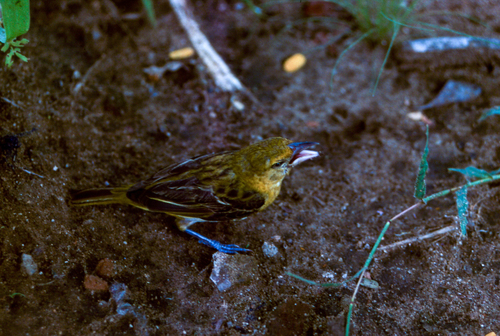
チャノドハタオリ (Ploceus xanthopterus) チャノドハタオリ
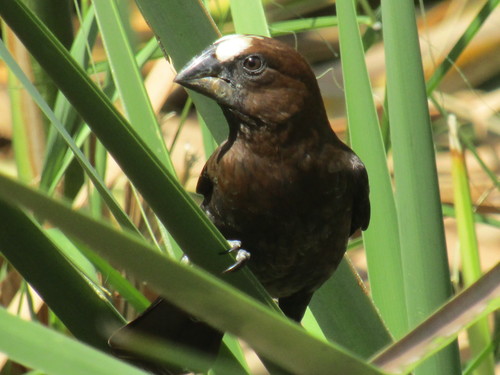
ハシブトハタオリ (Amblyospiza albifrons) ハシブトハタオリ

メディア

読み込み中…

要点

南部チャノドハタオリとハシブトハタオリ(太嘴ハタオリ)の最も信頼できるフィールドマークは嘴の構造です:ハシブトハタオリはずっと重く、円錐形の嘴を持ち、南部チャノドハタオリの嘴はその属に典型的です。フィールドでは、ハシブトハタオリはしばしばより大きく見え、習慣的に尾を扇いだり、ひらひらさせたりしますが、南部チャノドハタオリはより細身で、あまり目立ちません。両種は南部アフリカで重なり合うことがあり、特に葦の湿地では、嘴のサイズと全体的な印象に注意を払うことが重要です。幼鳥や未熟な羽毛については詳細に記述されていないため、構造的および行動的な手がかりが最も信頼できます。

識別のコツ

  1. 嘴のサイズと形:ハシブトハタオリは非常に大きく、太く、円錐形の嘴を持ち、南部チャノドハタオリの細い嘴よりもずっと重いです。これはすべての年齢と季節で最も信頼できるフィールドマークです。
  2. 頭部と顔の構造:ハシブトハタオリはその嘴と頭蓋骨の比率のために、大きな頭と鈍い顔に見えます。南部チャノドハタオリはPloceusの典型的な特徴を持ち、より細い頭のプロファイルです。
  3. 尾の行動:ハシブトハタオリの習慣的な尾の扇ぎやひらひらを観察してください、特に止まっているときや葦の中を移動しているときに。南部チャノドハタオリはこの行動を示しません。
  4. 巣の関連性:巣の近くで見られた場合、ハシブトハタオリは上部に側面向きの入口を持つ独特の球状の巣を構築し、立っている葦の間に吊るされます。南部チャノドハタオリの巣は記述されていませんが、この独特の構造には合致しません。
  5. 羽毛の落とし穴:両種は全体的な色合いが似て見えることがあります;ハシブトハタオリのオスの白い額の斑点が見えない限り、微妙な色の違いに頼らないでください。これはすべての年齢で常に見えるわけではありません。
  6. サイズの印象:ハシブトハタオリは全体的により大きく、頑丈ですが、南部チャノドハタオリは軽く、より流線型です。これは直接比較や混合群れで最も明らかです。
  7. 生息地の文脈:両種は湿地を利用しますが、多くの大きな球状の巣がある葦原にいる場合は、ハシブトハタオリを優先的に確認してください。構造が少ない湿地や茂みでは、どちらの種も発生する可能性があります。
  8. 鳴き声:もし厳しい、音楽的でない歌が聞こえたら、ハシブトハタオリを疑ってください。南部チャノドハタオリの声は記述されていないため、この手がかりがないことは診断的ではありません。
  9. コロニーのサイズと密度:ハシブトハタオリは多くの巣を持つ密なコロニーを形成することができます;南部チャノドハタオリはそのような集中にはあまり見られません。
  10. 採餌行動:ハシブトハタオリはその強い嘴を使って硬い種子や果実を割るため、食べ物を操作するのが見えることがよくあります。南部チャノドハタオリは、より典型的なハタオリのように、柔らかい種子や昆虫をついばみます。
  11. 性別と年齢:白い額を持つオスを見た場合、これはハシブトハタオリの診断的な特徴です。メスや未熟な個体はより難しいので、嘴のサイズと行動に頼ってください。
  12. 飛行の印象:特定の翼のパターンの違いは記述されていませんが、ハシブトハタオリは軽い南部チャノドハタオリと比較して、飛行中により重く、機敏さが欠けているように見えるかもしれません。
  13. 落とし穴:両種の未熟な鳥は強い色やパターンの手がかりが欠けていることがあるため、まず構造と行動を確認してください。色だけに頼らないでください。
  14. 季節的文脈:両種は南部アフリカの雨季に繁殖します;もし葦の中で巣作りが活発に行われているのを見たら、ハシブトハタオリの独特の巣の形とコロニーの構造を確認してください。
  15. 疑問がある場合:もし嘴がはっきり見えない場合は、採餌や尾の行動を観察するか、巣の関連性を探して同定を確定してください。

大きさ

南部チャノドハタオリは体重が約22グラムで、中型のハタオリです。ハシブトハタオリの直接的な質量は示されていませんが、常により大きく、頑丈で、特に頭と嘴が目立って大きいと記述されています。フィールドでは、ハシブトハタオリはより重く、より力強く見え、特に顔と嘴の周りで、より流線型の南部チャノドハタオリと比較されます。

羽色

提供されたメモには、両種の年齢特有の翼や飛行パターンの詳細な記述はありません。成鳥の羽毛の違いは詳細に記述されていませんが、ハシブトハタオリの最も特徴的な特徴はその大きく鈍い嘴であり、オスには白い額の斑点があります(その学名に言及されています)。南部チャノドハタオリはこの誇張された嘴や額の白い部分が欠けています。両種はハタオリであり、全体的な色合いが似ていることがありますので、フィールドでの分離には羽毛よりも構造がより信頼できます。

行動

ハシブトハタオリは尾を扇いだりひらひらさせたりする習慣があり、これは南部チャノドハタオリには言及されていません。ハシブトハタオリは大胆で、特に葦の間に吊るされた独特の球状の巣の周りで、小さなコロニーでよく見られます。南部チャノドハタオリはあまり目立たず、これらの顕著な尾の動きはありません。混合ハタオリの群れでは、最も活発な尾と最も大きな嘴を持つ鳥を探してください。

生息環境

両種は南部アフリカに生息し、湿地に関連していますが、ハシブトハタオリは湿地、丘陵地、郊外、人工湿地を含むより広い生態的範囲を持っています。特に繁殖のために葦原に結びついており、そこで独特の巣が作られます。南部チャノドハタオリも南部アフリカに見られますが、メモにはこの生息地についての詳細は記載されていません。葦の湿地や沼地では両種が発生する可能性があるため、生息地だけでは診断的ではありませんが、側面向きの入口を持つ大きな球状の巣の存在はハシブトハタオリの強い手がかりです。

声

ハシブトハタオリの歌は音楽的でなく、厳しいと記述されており、フィールドで鳴き声が聞こえた場合に役立つかもしれません。南部チャノドハタオリの鳴き声については記述がないため、特に粗く、音楽的でない呼び声や歌を聞いた場合にのみ役立ちます。

より良い説明を送る

比較と同じ項目を使ってください。文章はすぐに公開されます。

The most reliable field mark between Southern Brown-throated Weaver and Grosbeak (Thick-billed) Weaver is bill structure: Grosbeak Weaver has a much heavier, conical bill, while Southern Brown-throated Weaver's bill is more typical of its genus. In the field, Grosbeak Weaver often appears bulkier and habitually fans or flicks its tail, whereas Southern Brown-throated Weaver is more slender and less demonstrative. Both species can overlap in southern Africa, especially in reedy wetlands, so careful attention to bill size and overall jizz is crucial. Juvenile and immature plumages are not described in detail for either species, so structural and behavioral cues are most reliable.

  1. Bill size and shape: Grosbeak Weaver has a very large, thick, conical bill—much heavier than the slenderer bill of Southern Brown-throated Weaver. This is the single most reliable field mark at all ages and seasons.
  2. Head and face structure: Grosbeak Weaver appears large-headed and blunt-faced due to its bill and skull proportions. Southern Brown-throated Weaver is more typical of Ploceus, with a finer head profile.
  3. Tail behavior: Watch for habitual tail fanning and flicking in Grosbeak Weaver, especially when perched or moving through reeds. Southern Brown-throated Weaver does not show this behavior.
  4. Nest association: If seen near nests, Grosbeak Weaver constructs a distinctive globular nest with a side-facing entrance near the top, suspended between upright reeds. Southern Brown-throated Weaver's nest is not described, but it will not match this unique structure.
  5. Plumage pitfalls: Both species may appear similar in overall coloration; do not rely on subtle color differences unless you see the white forehead patch on male Grosbeak Weaver, which is not always visible or present in all ages.
  6. Size impression: Grosbeak Weaver is bulkier and more robust overall, while Southern Brown-throated Weaver is lighter and more streamlined. This is most apparent in direct comparison or in mixed flocks.
  7. Habitat context: Both species use wetlands, but if you are in a reedbed with many large, globular nests, prioritize checking for Grosbeak Weaver. In less structured wetland or bush, either species may occur.
  8. Vocalizations: If you hear a harsh, unmusical song, suspect Grosbeak Weaver. Southern Brown-throated Weaver's voice is not described, so absence of this cue is not diagnostic.
  9. Colony size and density: Grosbeak Weaver can form dense colonies with many nests; Southern Brown-throated Weaver is less likely to be in such concentrations.
  10. Foraging behavior: Grosbeak Weaver uses its strong bill to crack open hard seeds and drupes, often seen manipulating food with visible effort. Southern Brown-throated Weaver feeds more like a typical weaver, picking at softer seeds and insects.
  11. Sex and age: If you see a male with a white forehead, this is diagnostic for Grosbeak Weaver. Females and immatures are trickier, so rely on bill size and behavior.
  12. Flight jizz: No specific wing pattern differences are described, but Grosbeak Weaver may look heavier and less agile in flight compared to the lighter Southern Brown-throated Weaver.
  13. Pitfalls: Immature birds of both species may lack strong color or pattern cues, so always check structure and behavior first. Do not rely on color alone.
  14. Seasonal context: Both species breed in southern Africa's wet season; if you see active nest building in reeds, check for Grosbeak Weaver's unique nest shape and colony structure.
  15. When in doubt: If you cannot see the bill clearly, try to observe feeding or tail behavior, or look for nest association to clinch the ID.

Southern Brown-throated Weaver averages about 22 grams in body mass [wikidata], making it a medium-sized weaver. While no direct mass is given for Grosbeak Weaver, it is consistently described as bulkier and more robust, with a notably larger head and bill. In the field, Grosbeak Weaver will look heavier-set and more powerful, especially around the face and bill, compared to the more streamlined Southern Brown-throated Weaver.

There are no detailed descriptions of age-specific wing or flight patterns for either species in the provided notes. Adult plumage differences are not described in detail, but the Grosbeak Weaver's most distinctive feature is its large, blunt bill and, in males, a white forehead patch (as referenced by its scientific name). Southern Brown-throated Weaver lacks this exaggerated bill and any white on the forehead. Both species are weavers and may show similar overall coloration, so structure is more reliable than plumage for separation in the field.

Grosbeak Weaver is notable for its habit of fanning and flicking its tail, a behavior not mentioned for Southern Brown-throated Weaver. Grosbeak Weavers are also bold and often seen in small colonies, especially around their distinctive globular nests suspended between reeds. Southern Brown-throated Weaver is less demonstrative and does not have these pronounced tail movements. In mixed weaver flocks, look for the bird with the most active tail and the largest bill.

Both species occur in southern Africa and are associated with wetlands, but Grosbeak Weaver has a broader ecological range, including marshes, uplands, suburban areas, and artificial wetlands. It is especially tied to reedbeds for breeding, where its unique nest is built. Southern Brown-throated Weaver is also found in southern Africa, but the notes do not specify habitat beyond this. In reed swamps or marshes, both may occur, so habitat alone is not diagnostic, but the presence of large, globular nests with side-facing entrances is a strong clue for Grosbeak Weaver.

Grosbeak Weaver's song is described as unmusical and harsh, which may help in the field if vocalizations are heard. No vocal description is given for Southern Brown-throated Weaver, so this is only useful if you hear a particularly rough, unmelodic call or song.

変更を破棄しますか?

保存していない編集があります。今離れると失われます。

チャノドハタオリ · ハシブトハタオリ · 苦手な鳥