

Southern Brown-throated Weaver vs Grosbeak Weaver
Ploceus xanthopterus contro Amblyospiza albifrons
Fai un quiz con Southern Brown-throated Weaver e Grosbeak Weaver
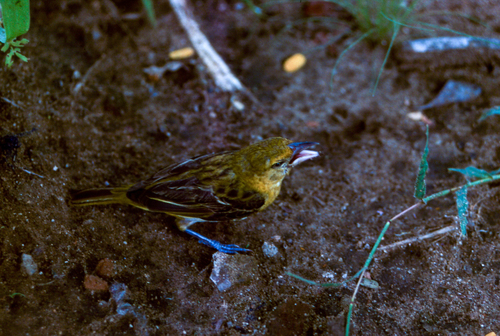 Southern Brown-throated Weaver
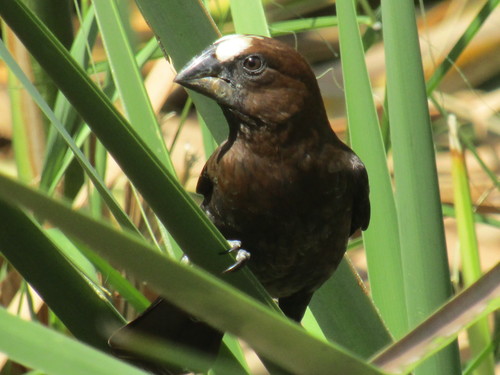 Grosbeak Weaver
In breve
Il segno di campo più affidabile tra il Southern Brown-throated Weaver e il Grosbeak (Thick-billed) Weaver è la struttura del becco: il Grosbeak Weaver ha un becco conico molto più pesante, mentre il becco del Southern Brown-throated Weaver è più tipico del suo genere. Sul campo, il Grosbeak Weaver appare spesso più massiccio e abitualmente apre o muove la coda, mentre il Southern Brown-throated Weaver è più snello e meno dimostrativo. Entrambe le specie possono sovrapporsi nel sud dell'Africa, specialmente in zone umide con canne, quindi prestare attenzione alle dimensioni del becco e all'aspetto generale è cruciale. Le piume giovanili e immature non sono descritte in dettaglio per nessuna delle due specie, quindi gli indizi strutturali e comportamentali sono i più affidabili.
Consigli di identificazione
- Dimensioni e forma del becco: Il Grosbeak Weaver ha un becco molto grande, spesso e conico—molto più pesante rispetto al becco più snello del Southern Brown-throated Weaver. Questo è il segno di campo più affidabile in tutte le età e stagioni.
- Struttura della testa e del viso: Il Grosbeak Weaver appare con una testa grande e un viso smussato a causa delle proporzioni del suo becco e del cranio. Il Southern Brown-throated Weaver è più tipico del Ploceus, con un profilo della testa più fine.
- Comportamento della coda: Fai attenzione all'apertura e al movimento abituale della coda nel Grosbeak Weaver, specialmente quando è posato o si muove tra le canne. Il Southern Brown-throated Weaver non mostra questo comportamento.
- Associazione al nido: Se visto vicino ai nidi, il Grosbeak Weaver costruisce un nido globulare distintivo con un ingresso laterale vicino alla parte superiore, sospeso tra canne erette. Il nido del Southern Brown-throated Weaver non è descritto, ma non corrisponderà a questa struttura unica.
- Trappole di piumaggio: Entrambe le specie possono apparire simili nella colorazione generale; non fare affidamento su sottili differenze di colore a meno che tu non veda la macchia bianca sulla fronte del maschio Grosbeak Weaver, che non è sempre visibile o presente in tutte le età.
- Impressione di dimensioni: Il Grosbeak Weaver è più massiccio e robusto nel complesso, mentre il Southern Brown-throated Weaver è più leggero e più snello. Questo è più evidente in un confronto diretto o in stormi misti.
- Contesto dell'habitat: Entrambe le specie utilizzano zone umide, ma se ti trovi in un letto di canne con molti nidi globulari grandi, dai priorità a controllare per il Grosbeak Weaver. In zone umide o cespugli meno strutturati, può verificarsi qualsiasi delle due specie.
- Vocalizzazioni: Se senti un canto aspro e non musicale, sospetta il Grosbeak Weaver. La voce del Southern Brown-throated Weaver non è descritta, quindi l'assenza di questo indizio non è diagnostica.
- Dimensione e densità della colonia: Il Grosbeak Weaver può formare colonie dense con molti nidi; il Southern Brown-throated Weaver è meno probabile che si trovi in tali concentrazioni.
- Comportamento di foraggiamento: Il Grosbeak Weaver usa il suo forte becco per rompere semi duri e drupe, spesso visto mentre manipola il cibo con evidente sforzo. Il Southern Brown-throated Weaver si nutre più come un tipico weaver, beccando semi più morbidi e insetti.
- Sesso e età: Se vedi un maschio con una fronte bianca, questo è diagnostico per il Grosbeak Weaver. Le femmine e gli immaturi sono più difficili da identificare, quindi fai affidamento sulle dimensioni del becco e sul comportamento.
- Aspetto in volo: Non sono descritte differenze specifiche nei modelli delle ali, ma il Grosbeak Weaver può apparire più pesante e meno agile in volo rispetto al più leggero Southern Brown-throated Weaver.
- Trappole: Gli uccelli immaturi di entrambe le specie possono mancare di forti indizi di colore o motivo, quindi controlla sempre prima la struttura e il comportamento. Non fare affidamento solo sul colore.
- Contesto stagionale: Entrambe le specie nidificano nella stagione umida del sud dell'Africa; se vedi attività di costruzione del nido nelle canne, controlla per la forma unica del nido del Grosbeak Weaver e la struttura della colonia.
- Quando hai dubbi: Se non riesci a vedere chiaramente il becco, prova a osservare il comportamento di alimentazione o della coda, oppure cerca associazioni al nido per confermare l'identificazione.
Taglia
Il Southern Brown-throated Weaver pesa in media circa 22 grammi [wikidata], rendendolo un weaver di dimensioni medie. Sebbene non sia fornito un peso diretto per il Grosbeak Weaver, è costantemente descritto come più massiccio e robusto, con una testa e un becco notevolmente più grandi. Sul campo, il Grosbeak Weaver apparirà più robusto e potente, specialmente attorno al viso e al becco, rispetto al più snello Southern Brown-throated Weaver.
Piumaggio
Non ci sono descrizioni dettagliate di modelli di ali o di volo specifici per età per nessuna delle due specie nelle note fornite. Le differenze nel piumaggio adulto non sono descritte in dettaglio, ma la caratteristica più distintiva del Grosbeak Weaver è il suo grande becco smussato e, nei maschi, una macchia bianca sulla fronte (come indicato dal suo nome scientifico). Il Southern Brown-throated Weaver non ha questo becco esagerato e nessun bianco sulla fronte. Entrambe le specie sono weavers e possono mostrare una colorazione generale simile, quindi la struttura è più affidabile del piumaggio per la separazione sul campo.
Comportamento
Il Grosbeak Weaver è noto per la sua abitudine di aprire e muovere la coda, un comportamento non menzionato per il Southern Brown-throated Weaver. I Grosbeak Weavers sono anche audaci e spesso visti in piccole colonie, specialmente intorno ai loro distintivi nidi globulari sospesi tra le canne. Il Southern Brown-throated Weaver è meno dimostrativo e non ha questi movimenti della coda pronunciati. In stormi misti di weaver, cerca l'uccello con la coda più attiva e il becco più grande.
Habitat
Entrambe le specie si trovano nel sud dell'Africa e sono associate a zone umide, ma il Grosbeak Weaver ha un'ampia gamma ecologica, comprese paludi, altipiani, aree suburbane e zone umide artificiali. È particolarmente legato ai letti di canne per la nidificazione, dove viene costruito il suo nido unico. Anche il Southern Brown-throated Weaver si trova nel sud dell'Africa, ma le note non specificano l'habitat oltre a questo. Nelle paludi di canne o nelle paludi, entrambe le specie possono verificarsi, quindi l'habitat da solo non è diagnostico, ma la presenza di grandi nidi globulari con ingressi laterali è un forte indizio per il Grosbeak Weaver.
Voce
Il canto del Grosbeak Weaver è descritto come non musicale e aspro, il che può aiutare sul campo se si sentono vocalizzazioni. Non è fornita alcuna descrizione vocale per il Southern Brown-throated Weaver, quindi questo è utile solo se senti un richiamo o un canto particolarmente ruvido e non melodico.
Southern Brown-throated Weaver · Grosbeak Weaver · I miei uccelli difficili