

Motmot

ススイロカトリタイランチョウ 対 ハイガシラカトリタイランチョウ

Serpophaga nigricans 対 Serpophaga griseicapilla

ススイロカトリタイランチョウとハイガシラカトリタイランチョウのクイズ
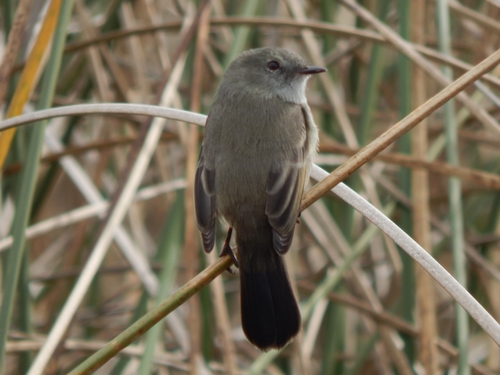
ススイロカトリタイランチョウ (Serpophaga nigricans) ススイロカトリタイランチョウ
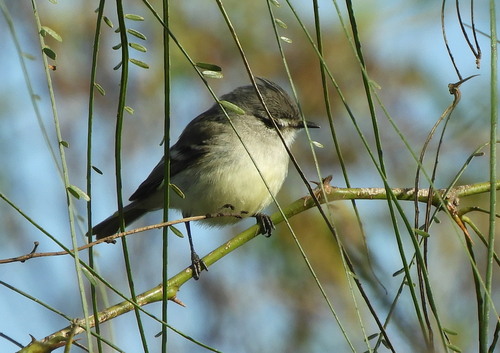
ハイガシラカトリタイランチョウ (Serpophaga griseicapilla) ハイガシラカトリタイランチョウ

メディア

読み込み中…

要点

ススイロカトリタイランチョウとハイガシラカトリタイランチョウを区別する最も信頼できる方法は全体の暗さです:ススイロカトリタイランチョウは特に頭部、上面、尾が明らかに暗く、ハイガシラカトリタイランチョウはより淡く、コントラストが強く、灰色の冠、明らかな淡い眉斑、黄色がかった腹を持つ白っぽい腹部があります。ススイロカトリタイランチョウはハイガシラの強い顔の模様がなく、より均一に暗い外観をしています。両種は淡い翼帯を持っていますが、ハイガシラのものはしばしばシナモン色がかり、淡い羽の縁によって際立っています。フィールドでは、ススイロカトリタイランチョウのほぼ黒い尾と暗く、平坦な顔を探し、ハイガシラの淡い顔と目の下の白い三日月、細い白い眉を対比させてください。サイズは強い区別要因ではありませんが、ススイロカトリタイランチョウはわずかに大きく、重いです。

識別のコツ

  1. Overall Darkness: ススイロカトリタイランチョウは全体的に非常に暗いです、特に頭部、上面、尾で。影や逆光の条件で最初に確認してください。
  2. Facial Pattern: ハイガシラカトリタイランチョウは薄い白い眉斑、目の下の白い三日月、目を通る暗灰色の線を持ち、印象的な顔のコントラストを作り出します。ススイロカトリタイランチョウの顔は平坦で暗く、これらのマークが欠けています。
  3. Crown and Nape: ハイガシラは灰色の冠と後頭部を示し、黒い中央冠羽に隠れた白がいくつかありますが、ススイロカトリタイランチョウの冠は頭部の他の部分よりも暗いだけで、部分的にしか見えない白いストライプしかありません。
  4. Wingbars: 両種は2つの淡い翼帯を持っていますが、ハイガシラのものはしばしばシナモン色から白っぽく、淡い羽の縁によってよりコントラストが強くなります。ススイロカトリタイランチョウのものは淡い灰色で、あまり目立ちません。
  5. Tail Color: ススイロカトリタイランチョウは黒い尾を持っていますが、ハイガシラは外側の羽に白い縁のある暗灰色の茶色です。良い光の下では、これは強い区別要因です。
  6. Underparts: ススイロカトリタイランチョウは下部が淡いですが、灰色がかっていますが、ハイガシラは白い顎と喉、灰色がかった胸、明らかに淡い黄色の腹を持ち、よりコントラストを生み出します。
  7. Bill and Legs: 両方とも黒いくちばしと脚を持っており、区別には役立ちません。
  8. Iris Color: 両種は茶色の虹彩を持っており、区別には役立ちません。
  9. Size: ススイロカトリタイランチョウはわずかに大きく、重いですが、これは微妙で、鳥が並んでいない限り信頼できません。
  10. Habitat: 水の近くで見られた場合、特に茂みのある河川域では、ススイロカトリタイランチョウの可能性が高いです。水から離れた場合、特に乾燥したりより開けた場所では、ハイガシラが好まれます。
  11. Tail Wagging: ススイロカトリタイランチョウは採餌中にしばしば尾を振ります。この行動はハイガシラには記載されていません。
  12. Flight Style: ススイロカトリタイランチョウは止まり木の間を短く頻繁に飛び、しばしば水の上を飛び出すのが見られます。ハイガシラの行動はあまり詳しく記載されていませんが、同様である可能性があります。
  13. Voice: 短い音の連続の後にカナリアのような高い音や鋭い「ティーク」を聞いた場合、これはススイロカトリタイランチョウです。ハイガシラの鳴き声はここでは記載されていません。
  14. Sex and Age: 両性は両種で似ており、幼鳥や未成熟の特定のマークは記載されていないため、すべてのフィールドマークは年間を通じて適用されます。
  15. Pitfalls: 光が悪い場合、ハイガシラは暗く見えることがあり、ススイロカトリタイランチョウの顔の模様が隠れることがあるため、常に全体の暗さと顔のコントラストの組み合わせを探すようにし、単一のマークに頼らないでください。

大きさ

ススイロカトリタイランチョウはわずかに大きく、重く、平均して長さ12 cm、質量9 gです [wikidata]。ハイガシラカトリタイランチョウは小さく、軽く、9–11 cm、4.4–7.5 gです [wikipedia]。この違いはフィールドでは微妙で、姿勢や距離によって簡単に隠されますが、ススイロカトリタイランチョウは並んで見ると少しずんぐりしていて尾が長く見えるかもしれません。

羽色

いずれの種についても年齢特有の幼鳥や未成熟の上翼パターンは記載されていないため、成鳥の羽毛に焦点を当てます。ススイロカトリタイランチョウは全体的に暗灰色から茶色がかった灰色で、冠はより暗く、黒い尾を持ち、部分的にしか見えない白い冠ストライプがあります。顔は平坦で、強いマークが欠けており、下部は淡いですが、鋭くコントラストしていません。翼には2つの淡い灰色の翼帯と内側の飛翔羽にいくつかの白っぽい部分があります。対照的に、ハイガシラカトリタイランチョウははるかに淡く、より模様があります:灰色の冠と後頭部を持ち、黒い中央冠羽に隠れた白がいくつかあり、薄い白い眉斑、目の下の白い三日月、目を通る暗灰色の線があります。上面はオリーブ色の茶色で、翼は暗い茶色がかった灰色で、淡い縁と2つのシナモン色から白っぽい翼帯を持ち、尾は暗い灰色の茶色で白い縁があります(黒ではありません)。顎と喉は白く、灰色がかった洗いがかり、胸は灰色がかりで、腹は淡い黄色に変わります。両種の両性は似ています。

行動

ススイロカトリタイランチョウは活発で、しばしば止まり木の間を短い飛行をし、地面に着地することはほとんどありません。採餌中にしばしば尾を振り、水の上を飛び出して昆虫を捕まえるのがよく見られます。ハイガシラカトリタイランチョウの行動はメモにあまり詳しく記載されていませんが、セロフォガとして、活発で飛び捕りをする可能性が高いですが、尾を振ったり水の上で採餌することは特に記載されていません。ススイロカトリタイランチョウの水辺の好みはその行動に影響を与え、流れや川の上を飛び回るのが見られる可能性が高くなります。

生息環境

ススイロカトリタイランチョウは水に密接に結びついています:通常、流れ、川、水域の近くに見られ、特にこれらの生息地に隣接する茂みのある地域で見られますが、時には水から離れて見つかることもあります。ハイガシラカトリタイランチョウはより広い生息地範囲を持ち、アルゼンチン、ボリビア、ブラジル、パラグアイ、ウルグアイで見られますが、メモには水との強い関連性は指定されていません。水から離れた小さなセロフォガを見た場合、特に乾燥したりより開けた茂みの中では、ハイガシラの可能性が高く、水の近く、特に南アメリカの南部ではススイロが好まれます。

声

ススイロカトリタイランチョウの歌は短い音の連続の後に高音のカナリアのような音が続き、鋭い「ティーク」と呼びます。また、ペア間で静かなトリルやおしゃべりを生み出し、雛と相互作用する際にはより複雑な呼び声を出します。ハイガシラカトリタイランチョウの鳴き声の詳細はメモに記載されていないため、声は記載されたススイロカトリタイランチョウの歌や呼び声を聞いた場合にのみ診断的です。

より良い説明を送る

比較と同じ項目を使ってください。文章はすぐに公開されます。

The most reliable way to separate Sooty Tyrannulet from Straneck's Tyrannulet is overall darkness: Sooty Tyrannulet is distinctly darker, especially on the head, upperparts, and tail, while Straneck's Tyrannulet is paler and more contrasting, with a gray crown, obvious pale supercilium, and whitish underparts with yellowish belly. Sooty Tyrannulet lacks the strong facial pattern of Straneck's, appearing more uniformly dusky. Both species have pale wingbars, but Straneck's are often tinged cinnamon and set off by paler feather edges. In the field, look for Sooty's nearly black tail and dark, plain face versus Straneck's pale face with a white crescent under the eye and a thin white brow. Size is not a strong separator, but Sooty Tyrannulet is slightly larger and heavier.

  1. Overall Darkness: Sooty Tyrannulet is much darker overall, especially on the head, upperparts, and tail. Use this as your first check in shaded or backlit conditions.
  2. Facial Pattern: Straneck's Tyrannulet has a thin white supercilium, a white crescent under the eye, and a dark gray line through the eye, creating a striking facial contrast. Sooty Tyrannulet's face is plain and dusky, lacking these marks.
  3. Crown and Nape: Straneck's shows a gray crown and nape with some hidden white on black central crown feathers, while Sooty's crown is just darker than the rest of the head with only a partially visible white stripe.
  4. Wingbars: Both species have two pale wingbars, but Straneck's are often cinnamon to whitish and more contrasting due to paler feather edges. Sooty's are pale gray and less distinct.
  5. Tail Color: Sooty Tyrannulet has a black tail, while Straneck's is dark gray-brown with whitish edges on the outer feathers. In good light, this is a strong separator.
  6. Underparts: Sooty Tyrannulet is paler below but remains grayish, while Straneck's has a white chin and throat, grayish breast, and a distinctly pale yellow belly, creating more contrast.
  7. Bill and Legs: Both have black bills and legs, not useful for separation.
  8. Iris Color: Both species have brown irises, not a separator.
  9. Size: Sooty Tyrannulet is slightly larger and heavier, but this is subtle and unreliable unless birds are side by side.
  10. Habitat: If seen near water, especially in brushy riparian zones, Sooty Tyrannulet is more likely. Away from water, especially in drier or more open areas, Straneck's is favored.
  11. Tail Wagging: Sooty Tyrannulet often wags its tail while foraging; this behavior is not noted for Straneck's.
  12. Flight Style: Sooty Tyrannulet makes short, frequent flights between perches and is often seen sallying over water. Straneck's behavior is less well described but likely similar.
  13. Voice: If you hear a series of short notes followed by canary-like higher notes or a sharp 'teek', this is Sooty Tyrannulet. Straneck's vocalizations are not described here.
  14. Sex and Age: Both sexes are similar in both species, and no juvenile/immature-specific marks are described, so all field marks apply year-round.
  15. Pitfalls: In poor light, Straneck's can appear darker and Sooty's facial pattern can be obscured, so always look for the combination of overall darkness and facial contrast rather than relying on a single mark.

Sooty Tyrannulet is slightly larger and heavier, averaging 12 cm in length and 9 g in mass [wikidata]. Straneck's Tyrannulet is smaller and lighter, at 9–11 cm and 4.4–7.5 g [wikipedia]. This difference is subtle in the field and easily masked by posture or distance, but Sooty Tyrannulet may appear a bit bulkier and longer-tailed when seen side by side.

No age-specific juvenile or immature upperwing patterns are described for either species, so focus is on adult plumage. Sooty Tyrannulet is overall dark gray to brownish-gray, with a darker crown, black tail, and only a partially visible white crown stripe. Its face is plain, lacking strong markings, and the underparts are paler but not sharply contrasting. The wings show two pale gray wingbars and some whitish on the inner flight feathers. In contrast, Straneck's Tyrannulet is much paler and more patterned: it has a gray crown and nape with some hidden white on black central crown feathers, a thin white supercilium, a white crescent under the eye, and a dark gray line through the eye. The upperparts are olivaceous brown, the wings are dusky brownish-gray with paler edges and two cinnamon to whitish wingbars, and the tail is dark gray-brown with whitish edges (not black). The chin and throat are white with a grayish wash, and the breast is grayish, fading to pale yellow on the belly. Both sexes are similar in both species.

Sooty Tyrannulet is active, often making short flights between perches and rarely landing on the ground. It frequently wags its tail while foraging and is often seen sallying out over water to catch insects. Straneck's Tyrannulet's behavior is less detailed in the notes, but as a Serpophaga, it is likely also active and flycatching, though not specifically noted for tail wagging or foraging over water. Sooty Tyrannulet's preference for water edges may influence its behavior, making it more likely to be seen darting over streams or rivers.

Sooty Tyrannulet is closely tied to water: it is typically found near streams, rivers, and water bodies, especially in brushy areas adjacent to these habitats, though it can sometimes be found away from water. Straneck's Tyrannulet has a broader habitat range, being found in Argentina, Bolivia, Brazil, Paraguay, and Uruguay, but the notes do not specify a strong association with water. If you see a small Serpophaga away from water, especially in drier or more open brush, Straneck's is more likely; near water, especially in southern South America, Sooty is favored.

Sooty Tyrannulet's song is a series of short notes followed by higher-pitched, canary-like notes, and it gives a sharp 'teek' call. It also produces quiet trills and chatters between pairs, and more complex calls when interacting with fledglings. No vocalization details are provided for Straneck's Tyrannulet in the notes, so voice is only diagnostic if you hear the described Sooty Tyrannulet song or calls.

変更を破棄しますか?

保存していない編集があります。今離れると失われます。

ススイロカトリタイランチョウ · ハイガシラカトリタイランチョウ · 苦手な鳥