

Sooty Tyrannulet vs Straneck's Tyrannulet
Serpophaga nigricans contro Serpophaga griseicapilla
Fai un quiz con Sooty Tyrannulet e Straneck's Tyrannulet
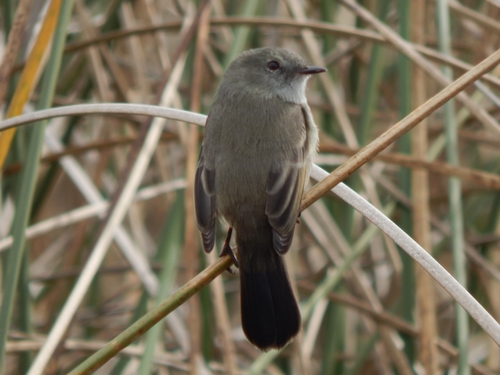 Sooty Tyrannulet
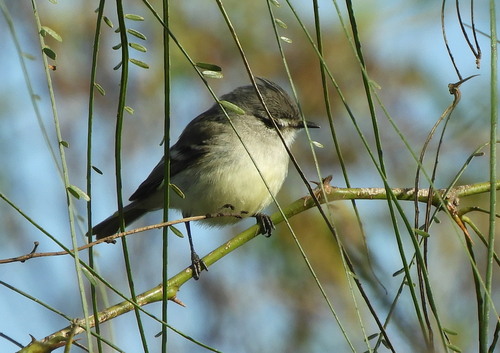 Straneck's Tyrannulet
In breve
Il modo più affidabile per separare il Sooty Tyrannulet dallo Straneck's Tyrannulet è l'oscurità complessiva: il Sooty Tyrannulet è nettamente più scuro, specialmente sulla testa, sulle parti superiori e sulla coda, mentre lo Straneck's Tyrannulet è più chiaro e più contrastante, con una corona grigia, un evidente supercilium chiaro e parti inferiori bianche con un ventre giallastro. Il Sooty Tyrannulet manca del forte schema facciale dello Straneck's, apparendo più uniformemente scuro. Entrambe le specie hanno barre alari chiare, ma quelle dello Straneck's sono spesso tinte di cannella e messe in risalto da bordi di piume più chiari. Sul campo, cerca la coda quasi nera del Sooty e il viso scuro e semplice rispetto al viso chiaro dello Straneck's con un crescente bianco sotto l'occhio e una sottile sopracciglia bianca. La dimensione non è un forte separatore, ma il Sooty Tyrannulet è leggermente più grande e pesante.
Consigli di identificazione
- Overall Darkness: Il Sooty Tyrannulet è molto più scuro nel complesso, specialmente sulla testa, sulle parti superiori e sulla coda. Usa questo come tuo primo controllo in condizioni di ombra o contro luce.
- Facial Pattern: Lo Straneck's Tyrannulet ha un sottile supercilium bianco, un crescente bianco sotto l'occhio e una linea grigia scura attraverso l'occhio, creando un forte contrasto facciale. Il viso del Sooty Tyrannulet è semplice e scuro, privo di questi segni.
- Crown and Nape: Lo Straneck's mostra una corona e una nuca grigia con un po' di bianco nascosto sulle piume centrali della corona nera, mentre la corona del Sooty è solo più scura rispetto al resto della testa con solo una striscia bianca parzialmente visibile.
- Wingbars: Entrambe le specie hanno due barre alari chiare, ma quelle dello Straneck's sono spesso di colore cannella a biancastro e più contrastanti a causa dei bordi di piume più chiari. Quelle del Sooty sono grigie chiare e meno distinte.
- Tail Color: Il Sooty Tyrannulet ha una coda nera, mentre lo Straneck's è di colore grigio scuro-marrone con bordi bianchi sulle piume esterne. In buona luce, questo è un forte separatore.
- Underparts: Il Sooty Tyrannulet è più chiaro sotto ma rimane grigiastro, mentre lo Straneck's ha un mento e una gola bianchi, un petto grigiastro e un ventre giallo pallido distintamente chiaro, creando più contrasto.
- Bill and Legs: Entrambi hanno becchi e zampe nere, non utili per la separazione.
- Iris Color: Entrambe le specie hanno iridi marroni, non un separatore.
- Size: Il Sooty Tyrannulet è leggermente più grande e pesante, ma questo è sottile e inaffidabile a meno che gli uccelli non siano affiancati.
- Habitat: Se visto vicino all'acqua, specialmente in zone ripariali cespugliose, è più probabile che sia il Sooty Tyrannulet. Lontano dall'acqua, specialmente in aree più secche o più aperte, è favorito lo Straneck's.
- Tail Wagging: Il Sooty Tyrannulet spesso muove la coda mentre cerca cibo; questo comportamento non è notato per lo Straneck's.
- Flight Style: Il Sooty Tyrannulet compie brevi voli frequenti tra i posatoi ed è spesso visto saltare sopra l'acqua. Il comportamento dello Straneck's è meno ben descritto ma probabilmente simile.
- Voice: Se senti una serie di note brevi seguite da note più alte simili a quelle di un canarino o un 'teek' acuto, questo è il Sooty Tyrannulet. Le vocalizzazioni dello Straneck's non sono descritte qui.
- Sex and Age: Entrambi i sessi sono simili in entrambe le specie, e non sono descritti segni specifici per giovani/immaturi, quindi tutti i segni sul campo si applicano tutto l'anno.
- Pitfalls: In scarsa luce, lo Straneck's può apparire più scuro e il pattern facciale del Sooty può essere oscurato, quindi cerca sempre la combinazione di oscurità complessiva e contrasto facciale piuttosto che fare affidamento su un singolo segno.
Taglia
Il Sooty Tyrannulet è leggermente più grande e pesante, con una lunghezza media di 12 cm e una massa di 9 g [wikidata]. Lo Straneck's Tyrannulet è più piccolo e leggero, con una lunghezza di 9–11 cm e una massa di 4.4–7.5 g [wikipedia]. Questa differenza è sottile sul campo e facilmente mascherata dalla postura o dalla distanza, ma il Sooty Tyrannulet può apparire un po' più robusto e con una coda più lunga quando visto fianco a fianco.
Piumaggio
Non sono descritti schemi specifici per giovani o immaturi per nessuna delle due specie, quindi ci si concentra sul piumaggio adulto. Il Sooty Tyrannulet è complessivamente grigio scuro a grigio-marrone, con una corona più scura, coda nera e solo una striscia bianca parzialmente visibile sulla corona. Il suo viso è semplice, privo di segni forti, e le parti inferiori sono più chiare ma non in forte contrasto. Le ali mostrano due barre alari grigie chiare e un po' di bianco sulle piume di volo interne. In contrasto, lo Straneck's Tyrannulet è molto più chiaro e più patternato: ha una corona e una nuca grigia con un po' di bianco nascosto sulle piume centrali della corona nera, un sottile supercilium bianco, un crescente bianco sotto l'occhio e una linea grigia scura attraverso l'occhio. Le parti superiori sono marrone olivaceo, le ali sono di un grigio-marrone scuro con bordi più chiari e due barre alari di colore cannella a biancastro, e la coda è di colore grigio scuro-marrone con bordi bianchi (non neri). Il mento e la gola sono bianchi con una sfumatura grigia, e il petto è grigiastro, sfumando a giallo pallido sul ventre. Entrambi i sessi sono simili in entrambe le specie.
Comportamento
Il Sooty Tyrannulet è attivo, spesso compiendo brevi voli tra i posatoi e raramente atterrando a terra. Muove frequentemente la coda mentre cerca cibo ed è spesso visto saltare sopra l'acqua per catturare insetti. Il comportamento dello Straneck's Tyrannulet è meno dettagliato nelle note, ma come Serpophaga, è probabile che sia anche attivo e catturi insetti in volo, anche se non è specificamente notato per il movimento della coda o la ricerca di cibo sopra l'acqua. La preferenza del Sooty Tyrannulet per i bordi dell'acqua può influenzare il suo comportamento, rendendolo più probabile da vedere mentre si muove rapidamente sopra corsi d'acqua o fiumi.
Habitat
Il Sooty Tyrannulet è strettamente legato all'acqua: si trova tipicamente vicino a corsi d'acqua, fiumi e corpi idrici, specialmente in aree cespugliose adiacenti a questi habitat, anche se a volte può essere trovato lontano dall'acqua. Lo Straneck's Tyrannulet ha un'ampia gamma di habitat, trovandosi in Argentina, Bolivia, Brasile, Paraguay e Uruguay, ma le note non specificano una forte associazione con l'acqua. Se vedi un piccolo Serpophaga lontano dall'acqua, specialmente in cespugli più secchi o più aperti, è più probabile che sia lo Straneck's; vicino all'acqua, specialmente nel sud del Sud America, è favorito il Sooty.
Voce
Il canto del Sooty Tyrannulet è una serie di note brevi seguite da note più alte simili a quelle di un canarino, e produce un richiamo acuto 'teek'. Produce anche trilli e chiacchierii silenziosi tra le coppie, e richiami più complessi quando interagisce con i giovani. Non sono forniti dettagli sulle vocalizzazioni dello Straneck's Tyrannulet nelle note, quindi la voce è diagnostica solo se senti il canto o i richiami del Sooty Tyrannulet descritti.
Sooty Tyrannulet · Straneck's Tyrannulet · I miei uccelli difficili