

Motmot

コシグロクサシギ 対 コキアシシギ

Tringa solitaria 対 Tringa flavipes

コシグロクサシギとコキアシシギのクイズ
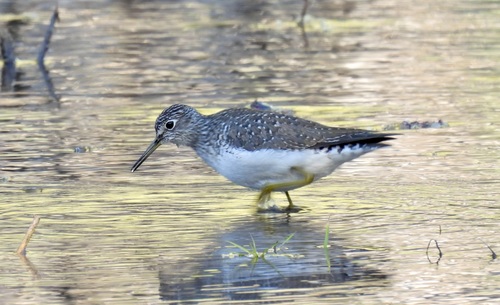
コシグロクサシギ (Tringa solitaria) コシグロクサシギ
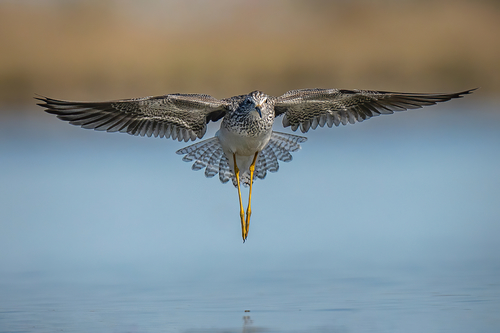
コキアシシギ (Tringa flavipes) コキアシシギ

メディア

読み込み中…

要点

コシグロクサシギとコキアシシギを区別する最も信頼できる方法は、飛行中の尾羽と尾のパターンです:コシグロクサシギは暗い尾羽と尾の中心を示し、コキアシシギは無地で印のない尾羽と尾を持っています。地上では、コシグロクサシギは小さくてコンパクトで、短くて真っ直ぐなくちばしと緑がかった脚(黄色ではない)を持っています。コキアシシギは明らかに大きく、長くて明るい黄色の脚を持ち、スリムでより細長い外観をしています。両種はストライプのある胸部と白い腹部を示すことがありますが、構造と飛行パターンは異なります。飛行中は常に尾羽と尾を確認し、止まっているときは脚の色と比率を確認してください。

識別のコツ

  1. Rump and tail pattern in flight: コシグロクサシギは常に暗い尾羽と尾の中心を示し、コキアシシギは無地で淡い尾羽と尾を持っています。これは、どの年齢や季節でも最も信頼できる印です。
  2. Leg color: コシグロクサシギは緑がかった脚を持ち、コキアシシギは明るい黄色の脚を持っています。これは良い光の下では明らかですが、泥水や暗い光の中では難しい場合があります。
  3. Size and structure: コシグロクサシギは小さくてずんぐりしており、脚も短いです。コキアシシギは背が高く、首が長く、よりスリムで、相対的に長いくちばしと脚を持っています。
  4. Bill shape and length: 両者は真っ直ぐで暗いくちばしを持っていますが、コキアシシギのくちばしは頭に対して長く、コシグロクサシギのくちばしは短くて太めです。
  5. Upperpart pattern: コシグロクサシギは細かい明るい斑点のある暗い緑がかった背中を持ち、コキアシシギは繁殖羽衣ではより斑点が多く、非繁殖羽衣では無地の灰褐色です。
  6. Breast markings: 両者はストライプのある胸部を示しますが、コキアシシギのストライプはより細かく、特に繁殖羽衣では広範囲にわたります。
  7. Flight style: コシグロクサシギは飛行中にコンパクトで直接的です;コキアシシギはより細長く優雅で、翼が長いです。
  8. Foraging behavior: コキアシシギはより活発で、素早く動き、小さな群れで行動することが多いです;コシグロクサシギはより孤独で慎重です。
  9. Habitat preference: コシグロクサシギは木々のある池や日陰のプールを好み、しばしば一人でいます。コキアシシギは開けた湿地を好み、群れで見られることが多いです。
  10. Vocalizations: コシグロクサシギの鋭い三音の口笛を聞いてください、特に驚かされたときに。コキアシシギの鳴き声はより柔らかく、特徴が少ないです。
  11. Tail-bobbing: コシグロクサシギはコキアシシギよりも頻繁に、目立って尾を上下させます。
  12. Seasonal confusion: 非繁殖羽衣では、コキアシシギは上部がより無地になり、脚の色と尾羽のパターンがさらに重要になります。
  13. Pitfalls: 泥だらけの脚、悪い光、または距離が脚の色を隠すことがあります;常に飛行中の鳥を見て尾羽のパターンを確認してください。幼鳥と成鳥のコキアシシギは地上でコシグロクサシギに似て見えることがあるので、複数の印を使用してください。
  14. Group size: コシグロクサシギはほぼ常に一人でいます;コキアシシギは特に移動中に小さな群れでいることが多いです。
  15. Context: 日陰の木々のある池でトリンガのシギを見た場合、特に一人でいる場合はコシグロクサシギを疑ってくださいが、尾羽と脚の色で確認してください。

大きさ

コシグロクサシギは明らかに小さくてコンパクトで、平均体重は約49gで、はるかに重いコキアシシギは81gです [wikidata]。コシグロクサシギは18〜23cmの長さで、翼幅は最大50cmですが、コキアシシギは23〜25cmの長さで、翼幅は59〜64cmです [wikipedia]。フィールドでは、コキアシシギは長い脚の上に立ち、よりスリムに見え、コシグロクサシギはずんぐりして脚が短く見えます。

羽色

すべての年齢において、最も診断的な羽毛の違いは飛行中に見られます:コシグロクサシギは暗い尾羽と尾の中心を示し、これはコキアシシギの白い尾羽と尾と鋭く対比します(後者の尾はクサシギほど明るい白ではありませんが、無地で淡いです)。地上では、コシグロクサシギは暗い緑がかった背中、灰色がかった頭と胸、白い腹部を持ち、翼には細かい明るい斑点があります。繁殖羽衣のコキアシシギは上部により広範囲な斑点があり(灰褐色、黒、白)、白い腹部と胸と首に不規則な茶色のストライプがあります;非繁殖羽衣では、上部は無地の灰褐色です。両種はストライプのある胸部を持っていますが、コキアシシギはしばしばより細かく密なマーキングを示します。脚の色は強い印です:コシグロクサシギは緑がかった脚を持ち、コキアシシギは明るい黄色の脚を持っています。くちばしの色も役立ちます:コシグロクサシギのくちばしは真っ直ぐで暗いですが、コキアシシギのくちばしも真っ直ぐで暗いですが、頭のサイズに対して長く見えます。

行動

コキアシシギは採餌中非常に活発で、しばしば高く足を上げて素早く動き、首を伸ばします。コシグロクサシギはより慎重で、しばしば一人で餌を食べ、ずんぐりしたより控えめな姿勢を示します。両種は尾を上下させることがありますが、コシグロクサシギはより頻繁に、目立ってそうします。飛行中、コキアシシギはより長い翼を持ち、より優雅に見えますが、コシグロクサシギはよりコンパクトで直接的です。

生息環境

両種は移動中に淡水の生息地で見られますが、コシグロクサシギは木々のある池、小川、日陰のプールで一人で見られることが多く、開けた泥干潟から離れていることが多いです。コキアシシギは開けた浅い湿地、浸水した田んぼ、湿原を好み、小さな群れでいることが多いです。繁殖中、コシグロクサシギは木に巣を作ります( shorebirds には珍しい)、一方コキアシシギは北方森林の湿地に地面に巣を作ります。

声

コシグロクサシギは飛行中に特徴的な三音の口笛を出し、これはコキアシシギのより柔らかく、強調が少ない鳴き声よりも鋭く、より急です。コキアシシギの鳴き声は一般的にコウキアシシギのものよりも柔らかく、刺さるようなものではありませんが、コシグロクサシギほど鋭くも特徴的でもありません。

より良い説明を送る

比較と同じ項目を使ってください。文章はすぐに公開されます。

The most reliable way to separate Solitary Sandpiper from Lesser Yellowlegs is by their rump and tail pattern in flight: Solitary Sandpiper shows a dark rump and tail center, while Lesser Yellowlegs has a plain, unmarked rump and tail. On the ground, Solitary Sandpiper is smaller and more compact, with a shorter, straight bill and greenish legs (not yellow). Lesser Yellowlegs is noticeably larger, with long, bright yellow legs and a slimmer, more elongated look. Both species can show streaked breasts and white underparts, but their structure and flight patterns are distinct. Always check rump and tail in flight, and leg color and proportions when perched.

  1. Rump and tail pattern in flight: Solitary Sandpiper always shows a dark rump and tail center, while Lesser Yellowlegs has a plain, pale rump and tail. This is the single most reliable mark for any age or season.
  2. Leg color: Solitary Sandpiper has greenish legs; Lesser Yellowlegs has bright yellow legs. This is obvious in good light but can be tricky in muddy water or poor light.
  3. Size and structure: Solitary Sandpiper is smaller, dumpier, and shorter-legged. Lesser Yellowlegs is taller, longer-necked, and more slender, with a proportionally longer bill and legs.
  4. Bill shape and length: Both have straight, dark bills, but Lesser Yellowlegs' bill is longer relative to its head, while Solitary Sandpiper's is shorter and stubbier.
  5. Upperpart pattern: Solitary Sandpiper has a dark greenish back with fine light spots; Lesser Yellowlegs is more mottled in breeding plumage and plainer grey-brown in non-breeding.
  6. Breast markings: Both show streaked breasts, but Lesser Yellowlegs' streaks are finer and more extensive, especially in breeding plumage.
  7. Flight style: Solitary Sandpiper is compact and direct in flight; Lesser Yellowlegs is more elongated and graceful, with longer wings.
  8. Foraging behavior: Lesser Yellowlegs is more active, moving quickly and often in small groups; Solitary Sandpiper is more solitary and deliberate.
  9. Habitat preference: Solitary Sandpiper favors wooded ponds and shaded pools, often alone. Lesser Yellowlegs prefers open wetlands and is more likely to be seen in groups.
  10. Vocalizations: Listen for Solitary Sandpiper's sharp three-note whistle, especially when flushed. Lesser Yellowlegs' call is softer and less distinctive.
  11. Tail-bobbing: Solitary Sandpiper bobs its tail more frequently and noticeably than Lesser Yellowlegs.
  12. Seasonal confusion: In non-breeding plumage, Lesser Yellowlegs becomes plainer above, making leg color and rump pattern even more important.
  13. Pitfalls: Muddy legs, poor light, or distance can obscure leg color; always try to see the bird in flight for rump pattern. Juvenile and adult Lesser Yellowlegs can look similar to Solitary Sandpiper on the ground, so use multiple marks.
  14. Group size: Solitary Sandpiper is almost always alone; Lesser Yellowlegs is often in small flocks, especially on migration.
  15. Context: If you see a Tringa sandpiper in a shaded, wooded pond, especially alone, suspect Solitary Sandpiper—but confirm with rump and leg color.

Solitary Sandpiper is significantly smaller and more compact, with an average body mass of about 49 g, compared to the much heavier Lesser Yellowlegs at 81 g [wikidata]. Solitary Sandpiper measures 18–23 cm in length with a wingspan up to 50 cm, while Lesser Yellowlegs is 23–25 cm long with a wingspan of 59–64 cm [wikipedia]. In the field, Lesser Yellowlegs stands taller on its long legs and appears more slender, while Solitary Sandpiper looks dumpier and shorter-legged.

For all ages, the most diagnostic plumage difference is seen in flight: Solitary Sandpiper shows a dark rump and tail center, which sharply contrasts with the white rump and tail of Lesser Yellowlegs (though the latter's tail is not as brilliant white as Green Sandpiper, it is still unmarked and pale). On the ground, Solitary Sandpiper has a dark greenish back, greyish head and breast, and white underparts, with fine light spotting on the wings. Lesser Yellowlegs in breeding plumage has more extensive mottling on the upperparts (grey-brown, black, and white), with a white belly and irregular brown streaking on the breast and neck; in non-breeding plumage, the upperparts are plainer grey-brown. Both species have streaked breasts, but Lesser Yellowlegs often shows finer and denser markings. Leg color is a strong mark: Solitary Sandpiper has greenish legs, while Lesser Yellowlegs has bright yellow legs. Bill color is also useful: Solitary Sandpiper's bill is straight and dark, while Lesser Yellowlegs' is also straight and dark but appears longer relative to head size.

Lesser Yellowlegs is very active when foraging, often moving quickly with a high-stepping gait and neck outstretched. Solitary Sandpiper is more deliberate, often feeding alone and showing a dumpier, more reserved posture. Both species may bob their tails, but Solitary Sandpiper does so more frequently and noticeably. In flight, Lesser Yellowlegs appears longer-winged and more graceful, while Solitary Sandpiper is more compact and direct.

Both species can be found in freshwater habitats during migration, but Solitary Sandpiper is more likely to be seen alone along wooded ponds, small streams, and shaded pools, often away from open mudflats. Lesser Yellowlegs prefers open, shallow wetlands, flooded fields, and marshes, often in small groups. During breeding, Solitary Sandpiper nests in trees (unusual for shorebirds), while Lesser Yellowlegs nests on the ground in boreal forest wetlands.

Solitary Sandpiper gives a distinctive three-note whistle in flight, which is sharper and more abrupt than the softer, less emphatic calls of Lesser Yellowlegs. Lesser Yellowlegs' calls are generally softer and less piercing than those of Greater Yellowlegs, but not as sharp or distinctive as Solitary Sandpiper.

変更を破棄しますか?

保存していない編集があります。今離れると失われます。

コシグロクサシギ · コキアシシギ · 苦手な鳥