

Solitary Sandpiper vs Totano zampegialle minore
Tringa solitaria contro Tringa flavipes
Fai un quiz con Solitary Sandpiper e Totano zampegialle minore
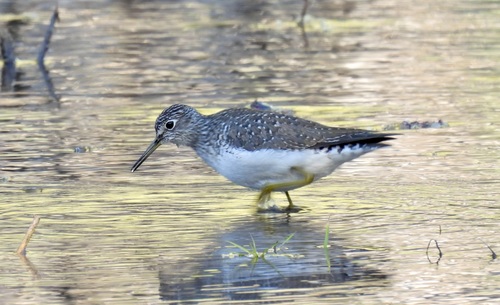 Solitary Sandpiper
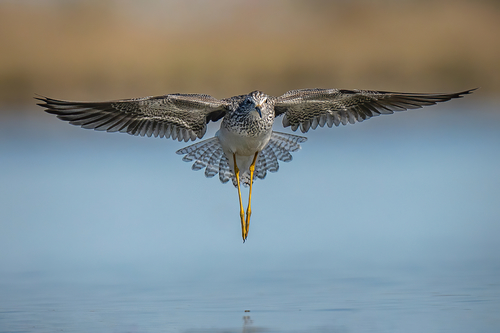 Totano zampegialle minore
In breve
Il modo più affidabile per separare il Solitary Sandpiper dal Totano zampegialle minore è il loro modello di coda e di groppa in volo: il Solitary Sandpiper mostra una groppa e un centro della coda scuri, mentre il Totano zampegialle minore ha una groppa e una coda semplici e non marcate. A terra, il Solitary Sandpiper è più piccolo e più compatto, con un becco più corto e dritto e zampe verdastre (non gialle). Il Totano zampegialle minore è notevolmente più grande, con lunghe zampe gialle brillanti e un aspetto più snello ed allungato. Entrambe le specie possono mostrare petti striati e parti inferiori bianche, ma la loro struttura e i modelli di volo sono distinti. Controlla sempre la groppa e la coda in volo, e il colore e le proporzioni delle zampe quando sono posate.
Consigli di identificazione
- Rump and tail pattern in flight: Il Solitary Sandpiper mostra sempre una groppa e un centro della coda scuri, mentre il Totano zampegialle minore ha una groppa e una coda semplici e chiare. Questo è il segno più affidabile per qualsiasi età o stagione.
- Leg color: Il Solitary Sandpiper ha zampe verdastre; il Totano zampegialle minore ha zampe gialle brillanti. Questo è ovvio in buona luce, ma può essere difficile in acqua fangosa o in scarsa illuminazione.
- Size and structure: Il Solitary Sandpiper è più piccolo, più tozzo e con zampe più corte. Il Totano zampegialle minore è più alto, con collo più lungo e più snello, con un becco e zampe proporzionalmente più lunghi.
- Bill shape and length: Entrambi hanno becchi dritti e scuri, ma il becco del Totano zampegialle minore è più lungo rispetto alla sua testa, mentre quello del Solitary Sandpiper è più corto e tozzo.
- Upperpart pattern: Il Solitary Sandpiper ha un dorso verde scuro con piccole macchie chiare; il Totano zampegialle minore è più maculato in abito nuziale e più semplice grigio-marrone in abito non nuziale.
- Breast markings: Entrambi mostrano petti striati, ma le striature del Totano zampegialle minore sono più fini e più estese, specialmente in abito nuziale.
- Flight style: Il Solitary Sandpiper è compatto e diretto in volo; il Totano zampegialle minore è più allungato e aggraziato, con ali più lunghe.
- Foraging behavior: Il Totano zampegialle minore è più attivo, muovendosi rapidamente e spesso in piccoli gruppi; il Solitary Sandpiper è più solitario e deliberato.
- Habitat preference: Il Solitary Sandpiper predilige stagni boschivi e piscine ombreggiate, spesso da solo. Il Totano zampegialle minore preferisce le zone umide aperte ed è più probabile vederlo in gruppi.
- Vocalizations: Ascolta il fischio acuto a tre note del Solitary Sandpiper, specialmente quando viene disturbato. Il richiamo del Totano zampegialle minore è più morbido e meno distintivo.
- Tail-bobbing: Il Solitary Sandpiper muove la sua coda più frequentemente e in modo più evidente rispetto al Totano zampegialle minore.
- Seasonal confusion: In abito non nuziale, il Totano zampegialle minore diventa più semplice sopra, rendendo il colore delle zampe e il modello della groppa ancora più importanti.
- Pitfalls: Zampe fangose, scarsa illuminazione o distanza possono offuscare il colore delle zampe; cerca sempre di vedere l'uccello in volo per il modello della groppa. I giovani e gli adulti del Totano zampegialle minore possono sembrare simili al Solitary Sandpiper a terra, quindi usa più segni.
- Group size: Il Solitary Sandpiper è quasi sempre solo; il Totano zampegialle minore è spesso in piccoli gruppi, specialmente durante la migrazione.
- Context: Se vedi un Tringa sandpiper in uno stagno ombreggiato e boschivo, specialmente da solo, sospetta il Solitary Sandpiper—ma conferma con il colore della groppa e delle zampe.
Taglia
Il Solitary Sandpiper è significativamente più piccolo e più compatto, con una massa corporea media di circa 49 g, rispetto al molto più pesante Totano zampegialle minore a 81 g [wikidata]. Il Solitary Sandpiper misura 18–23 cm di lunghezza con un'apertura alare fino a 50 cm, mentre il Totano zampegialle minore è lungo 23–25 cm con un'apertura alare di 59–64 cm [wikipedia]. Sul campo, il Totano zampegialle minore si erge più alto sulle sue lunghe zampe e appare più snello, mentre il Solitary Sandpiper appare più tozzo e con zampe più corte.
Piumaggio
Per tutte le età, la differenza di piumaggio più diagnostica si vede in volo: il Solitary Sandpiper mostra una groppa e un centro della coda scuri, che contrastano nettamente con la groppa e la coda bianche del Totano zampegialle minore (anche se la coda di quest'ultimo non è bianca brillante come quella del Piro piro culbianco, è comunque non marcata e pallida). A terra, il Solitary Sandpiper ha un dorso verde scuro, testa e petto grigi, e parti inferiori bianche, con piccole macchie chiare sulle ali. Il Totano zampegialle minore in abito nuziale ha una maculatura più estesa sulle parti superiori (grigio-marrone, nero e bianco), con un ventre bianco e striature marroni irregolari sul petto e sul collo; in abito non nuziale, le parti superiori sono più semplici grigio-marrone. Entrambe le specie hanno petti striati, ma il Totano zampegialle minore mostra spesso marcature più fini e dense. Il colore delle zampe è un segno forte: il Solitary Sandpiper ha zampe verdastre, mentre il Totano zampegialle minore ha zampe gialle brillanti. Anche il colore del becco è utile: il becco del Solitary Sandpiper è dritto e scuro, mentre quello del Totano zampegialle minore è anch'esso dritto e scuro, ma appare più lungo rispetto alla dimensione della testa.
Comportamento
Il Totano zampegialle minore è molto attivo quando cerca cibo, spesso muovendosi rapidamente con un passo alto e collo allungato. Il Solitary Sandpiper è più deliberato, spesso si nutre da solo e mostra una postura più tozza e riservata. Entrambe le specie possono muovere le loro code, ma il Solitary Sandpiper lo fa più frequentemente e in modo più evidente. In volo, il Totano zampegialle minore appare con ali più lunghe e più aggraziato, mentre il Solitary Sandpiper è più compatto e diretto.
Habitat
Entrambe le specie possono essere trovate in habitat d'acqua dolce durante la migrazione, ma il Solitary Sandpiper è più probabile che venga visto da solo lungo stagni boschivi, piccoli corsi d'acqua e piscine ombreggiate, spesso lontano da fangose spiagge aperte. Il Totano zampegialle minore preferisce le zone umide aperte e poco profonde, campi allagati e paludi, spesso in piccoli gruppi. Durante la riproduzione, il Solitary Sandpiper nidifica sugli alberi (cosa insolita per gli uccelli di riva), mentre il Totano zampegialle minore nidifica a terra in zone umide della foresta boreale.
Voce
Il Solitary Sandpiper emette un fischio distintivo a tre note in volo, che è più acuto e brusco rispetto ai richiami più morbidi e meno enfatici del Totano zampegialle minore. I richiami del Totano zampegialle minore sono generalmente più morbidi e meno penetranti rispetto a quelli del Greater Yellowlegs, ma non così acuti o distintivi come quelli del Solitary Sandpiper.
Solitary Sandpiper · Totano zampegialle minore · I miei uccelli difficili