

Andarríos Solitario vs Archibebe Patigualdo Chico
Tringa solitaria frente a Tringa flavipes
Juega un quiz con Andarríos Solitario y Archibebe Patigualdo Chico
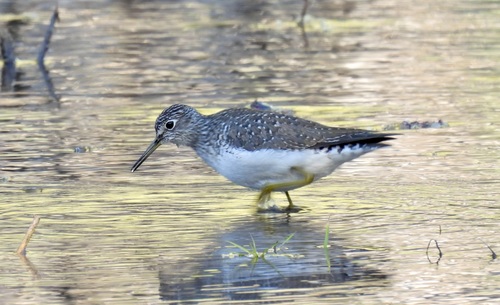 Andarríos Solitario
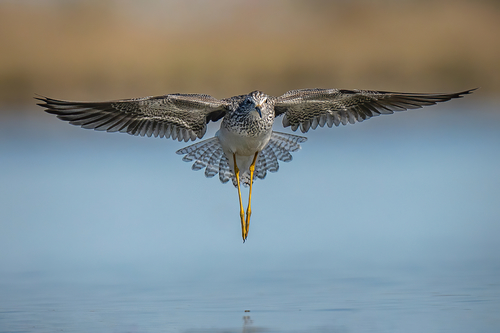 Archibebe Patigualdo Chico
En breve
La forma más confiable de separar el Andarríos Solitario del Archibebe Patigualdo Chico es por su patrón de rabadilla y cola en vuelo: el Andarríos Solitario muestra una rabadilla oscura y un centro de cola oscuro, mientras que el Archibebe Patigualdo Chico tiene una rabadilla y cola lisas y sin marcas. En el suelo, el Andarríos Solitario es más pequeño y compacto, con un pico más corto y recto y patas verdosas (no amarillas). El Archibebe Patigualdo Chico es notablemente más grande, con patas largas y brillantes de color amarillo y una apariencia más esbelta y alargada. Ambas especies pueden mostrar pechos estriados y partes inferiores blancas, pero su estructura y patrones de vuelo son distintos. Siempre verifica la rabadilla y la cola en vuelo, y el color y las proporciones de las patas cuando están posadas.
Consejos de identificación
- Patrón de rabadilla y cola en vuelo: El Andarríos Solitario siempre muestra una rabadilla oscura y un centro de cola oscuro, mientras que el Archibebe Patigualdo Chico tiene una rabadilla y cola lisas y pálidas. Esta es la marca más confiable para cualquier edad o temporada.
- Color de las patas: El Andarríos Solitario tiene patas verdosas; el Archibebe Patigualdo Chico tiene patas de color amarillo brillante. Esto es obvio en buena luz, pero puede ser complicado en agua lodosa o en mala luz.
- Tamaño y estructura: El Andarríos Solitario es más pequeño, más robusto y con patas más cortas. El Archibebe Patigualdo Chico es más alto, con cuello más largo y más esbelto, con un pico y patas proporcionalmente más largos.
- Forma y longitud del pico: Ambos tienen picos rectos y oscuros, pero el pico del Archibebe Patigualdo Chico es más largo en relación con su cabeza, mientras que el del Andarríos Solitario es más corto y más grueso.
- Patrón de las partes superiores: El Andarríos Solitario tiene un dorso verde oscuro con manchas claras finas; el Archibebe Patigualdo Chico es más moteado en plumaje de cría y más gris-marrón en plumaje no reproductivo.
- Marcas en el pecho: Ambos muestran pechos estriados, pero las estrías del Archibebe Patigualdo Chico son más finas y extensas, especialmente en plumaje de cría.
- Estilo de vuelo: El Andarríos Solitario es compacto y directo en vuelo; el Archibebe Patigualdo Chico es más alargado y elegante, con alas más largas.
- Comportamiento de forrajeo: El Archibebe Patigualdo Chico es más activo, moviéndose rápidamente y a menudo en pequeños grupos; el Andarríos Solitario es más solitario y deliberado.
- Preferencia de hábitat: El Andarríos Solitario prefiere estanques boscosos y charcas sombreadas, a menudo solo. El Archibebe Patigualdo Chico prefiere humedales abiertos y es más probable que se vea en grupos.
- Vocalizaciones: Escucha el agudo silbido de tres notas del Andarríos Solitario, especialmente cuando se asusta. El llamado del Archibebe Patigualdo Chico es más suave y menos distintivo.
- Movimiento de la cola: El Andarríos Solitario mueve su cola más frecuentemente y de manera más notable que el Archibebe Patigualdo Chico.
- Confusión estacional: En plumaje no reproductivo, el Archibebe Patigualdo Chico se vuelve más simple por encima, haciendo que el color de las patas y el patrón de la rabadilla sean aún más importantes.
- Trampas: Las patas lodadas, la mala luz o la distancia pueden oscurecer el color de las patas; siempre intenta ver al ave en vuelo para verificar el patrón de la rabadilla. Los juveniles y adultos del Archibebe Patigualdo Chico pueden parecerse al Andarríos Solitario en el suelo, así que usa múltiples marcas.
- Tamaño del grupo: El Andarríos Solitario casi siempre está solo; el Archibebe Patigualdo Chico a menudo está en pequeños grupos, especialmente durante la migración.
- Contexto: Si ves un Tringa en un estanque boscoso y sombreado, especialmente solo, sospecha del Andarríos Solitario, pero confirma con el color de la rabadilla y las patas.
Tamaño
El Andarríos Solitario es significativamente más pequeño y compacto, con una masa corporal promedio de aproximadamente 49 g, en comparación con el mucho más pesado Archibebe Patigualdo Chico de 81 g [wikidata]. El Andarríos Solitario mide de 18 a 23 cm de longitud con una envergadura de hasta 50 cm, mientras que el Archibebe Patigualdo Chico mide de 23 a 25 cm de largo con una envergadura de 59 a 64 cm [wikipedia]. En el campo, el Archibebe Patigualdo Chico se mantiene más alto sobre sus patas largas y parece más esbelto, mientras que el Andarríos Solitario se ve más robusto y con patas más cortas.
Plumaje
Para todas las edades, la diferencia de plumaje más diagnóstica se observa en vuelo: el Andarríos Solitario muestra una rabadilla oscura y un centro de cola oscuro, que contrasta marcadamente con la rabadilla y la cola blancas del Archibebe Patigualdo Chico (aunque la cola de este último no es tan blanca brillante como la del Andarríos Grande, sigue siendo sin marcas y pálida). En el suelo, el Andarríos Solitario tiene un dorso verde oscuro, cabeza y pecho grisáceos, y partes inferiores blancas, con manchas claras finas en las alas. El Archibebe Patigualdo Chico en plumaje de cría tiene un moteado más extenso en las partes superiores (gris-marrón, negro y blanco), con un vientre blanco y estrías marrones irregulares en el pecho y el cuello; en plumaje no reproductivo, las partes superiores son más simples en gris-marrón. Ambas especies tienen pechos estriados, pero el Archibebe Patigualdo Chico a menudo muestra marcas más finas y densas. El color de las patas es una marca fuerte: el Andarríos Solitario tiene patas verdosas, mientras que el Archibebe Patigualdo Chico tiene patas de color amarillo brillante. El color del pico también es útil: el pico del Andarríos Solitario es recto y oscuro, mientras que el del Archibebe Patigualdo Chico también es recto y oscuro, pero parece más largo en relación con el tamaño de la cabeza.
Comportamiento
El Archibebe Patigualdo Chico es muy activo al forrajear, a menudo moviéndose rápidamente con un paso alto y el cuello estirado. El Andarríos Solitario es más deliberado, a menudo alimentándose solo y mostrando una postura más robusta y reservada. Ambas especies pueden mover sus colas, pero el Andarríos Solitario lo hace con más frecuencia y de manera más notable. En vuelo, el Archibebe Patigualdo Chico parece tener alas más largas y ser más elegante, mientras que el Andarríos Solitario es más compacto y directo.
Hábitat
Ambas especies pueden encontrarse en hábitats de agua dulce durante la migración, pero el Andarríos Solitario es más probable que se vea solo a lo largo de estanques boscosos, pequeños arroyos y charcas sombreadas, a menudo alejados de los llanos de barro abiertos. El Archibebe Patigualdo Chico prefiere humedales abiertos y poco profundos, campos inundados y pantanos, a menudo en pequeños grupos. Durante la cría, el Andarríos Solitario anida en árboles (inusual para las aves playeras), mientras que el Archibebe Patigualdo Chico anida en el suelo en humedales de bosques boreales.
Voz
El Andarríos Solitario emite un silbido distintivo de tres notas en vuelo, que es más agudo y abrupto que los llamados más suaves y menos enfáticos del Archibebe Patigualdo Chico. Los llamados del Archibebe Patigualdo Chico son generalmente más suaves y menos penetrantes que los del Archibebe Patigualdo Grande, pero no tan agudos o distintivos como los del Andarríos Solitario.
Andarríos Solitario · Archibebe Patigualdo Chico · Mis aves difíciles