

Motmot

シロフクロウ 対 オナガフクロウ

Bubo scandiacus 対 Surnia ulula

シロフクロウとオナガフクロウのクイズ
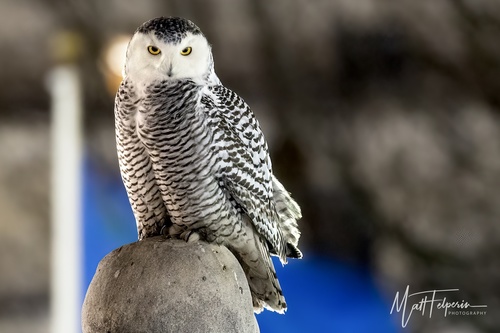
シロフクロウ (Bubo scandiacus) シロフクロウ
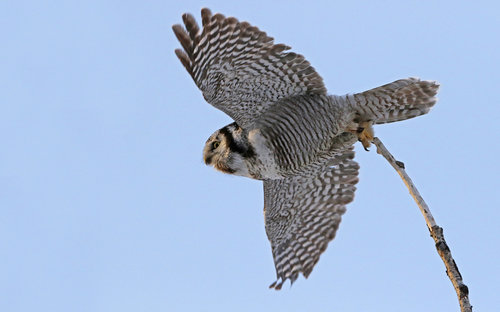
オナガフクロウ (Surnia ulula) オナガフクロウ

メディア

読み込み中…

要点

シロフクロウとオナガフクロウの最も信頼できるフィールドマークは全体の色合いです:シロフクロウは主に白色(特に成鳥のオス)であり、オナガフクロウは上面が濃い茶色で、下面に重い横縞があり、顔には目立つ模様があります。幼鳥や雌のシロフクロウはより多くの横縞や斑点を示すことがありますが、決してオナガフクロウの茶色い背中や鷹のような外見にはなりません。飛行中、シロフクロウは広い翼を持ち、白色で、散発的な暗い模様しか見られませんが、オナガフクロウは長い尾を持ち、スリムで、茶色と白の横縞模様をしています。オナガフクロウは顔に太い黒い縁取りがあり、長く帯状の尾を持っていますが、シロフクロウは丸い白い頭をしています。生息地と行動も役立ちます:シロフクロウは地面に生息するツンドラの鳥で、低い場所や地面に止まっていることがよく見られますが、オナガフクロウは木の上に直立して止まり、露出した止まり木からスキャンして狩りをします。

識別のコツ

  1. Overall color: シロフクロウは白を基にしており、時々茶色の横縞や斑点(特に雌や幼鳥)が見られますが、上面が全体的に茶色になることはありません。オナガフクロウは常に上面が濃い茶色で、下面には白い斑点と茶色の横縞があります。
  2. Face pattern: オナガフクロウは白い顔に太い黒い縁取りと首の後ろに黒いVを示します;シロフクロウは強い顔の縁取りがない丸い白い頭を持っています。
  3. Tail shape: オナガフクロウは長く狭い、重く帯状の尾を持っています(成鳥は丸みを帯び、初年度は尖っています);シロフクロウは短く広い、わずかに横縞のある尾を持っています。
  4. Wing shape in flight: シロフクロウは広い翼を持ち、重く、遅く、深い翼の打撃をします;オナガフクロウはスリムで、尖った翼を持ち、速く鷹のような飛行をします。
  5. Perching behavior: シロフクロウはオープンな国で地面や低い止まり木に座ることがよくあります;オナガフクロウは木の頂上やポールに直立して止まります。
  6. Size: シロフクロウははるかに大きくてずっしりしています;オナガフクロウは中型でスリムです。
  7. Sex/age confusion: 雌や幼鳥のシロフクロウはかなり重く模様が入ることがありますが、常に白い基色を持ち、オナガフクロウの暗い顔の縁取りや茶色の背中はありません。最も暗いシロフクロウでも、最も明るいオナガフクロウよりも常に淡いです。
  8. Juvenile Hawk Owl: 初年度のオナガフクロウは尖った尾羽を持っていますが、その他は成鳥に似ています;シロフクロウには長く尖った帯状の尾はありません。
  9. Flight jizz: オナガフクロウの飛行は速くて直接的で、長い尾が後ろに引きずられます;シロフクロウは遅く、重く、広い翼を持っています。
  10. Habitat: シロフクロウはオープンなツンドラや野原に生息し、しばしば木から遠く離れています;オナガフクロウは北方森林に生息し、オープンな国にはめったにいません。
  11. Facial disc: シロフクロウの顔の円盤は浅くて平坦です;オナガフクロウのは太くてはっきりと定義されています。
  12. Ear tufts: シロフクロウは目に見える耳の房がありません(非常に短く、めったに立ち上がりません);オナガフクロウは滑らかで丸い頭を持ち、房はありません。
  13. Eyes: 両方とも黄色い目を持っているため、これは有用な区別にはなりません。
  14. Seasonal context: シロフクロウは冬に南に出現することがありますが、オープンで木のない地域を好みます;オナガフクロウは定住または出現することがありますが、常に木と関連しています。
  15. Unique marks: 首の後ろの黒いVはオナガフクロウに特有です;ほぼ純白のオスはシロフクロウに特有ですが、淡い雌や幼鳥には注意が必要です。

大きさ

シロフクロウはオナガフクロウよりもはるかに大きくて重いです。シロフクロウはフクロウの中で真の巨人であり、長さは52〜71 cm、翼幅は125〜150 cm [wikipedia]ですが、オナガフクロウは中型で、長さは35〜45 cm、翼幅は69〜82 cm [wikipedia]です。シロフクロウはまた、雌では最大2,950 gの質量を持ち、オナガフクロウの300〜340 g [wikipedia]と比較してはるかにずっしりしています。フィールドでは、シロフクロウは巨大で広く見えますが、オナガフクロウはスリムで長い尾を持っています。

羽色

幼鳥や未熟なシロフクロウは、白い基に重い横縞や斑点があり、上面は濃く斑模様がありますが、最も暗い鳥でもオナガフクロウの全体的な茶色の上面や鮮明な暗い顔の縁取りを示すことはありません。初年度のオナガフクロウは尖った尾羽を持っていますが、その他は成鳥に似ています:上面は茶色で白い斑点、白い顔に太い黒い縁取り、茶色の帯状の下面があります。成鳥のオスのシロフクロウはほぼ純白で、非常に少ない暗い斑点しかありませんが、雌や若い鳥は特に脇腹や上胸により多くの茶色の横縞や斑点があります。しかし、最も模様の入ったシロフクロウでも常に白を基にしており、オナガフクロウの暗い茶色の背中、黒い顔の縁取り、長い帯状の尾はありません。飛行中、シロフクロウは広く丸い翼とわずかに横縞のある短い白い尾を示します;オナガフクロウは尖った翼と長く狭い、強く帯状の尾を持っています。オナガフクロウの首の後ろには独特の黒いVがあり、シロフクロウには存在しません。

行動

シロフクロウはしばしば地面や低い止まり木に座り、オープンなツンドラや野原で白い塊のように見えます。主に夜明けや夕暮れ、または極北では昼間にも活動します。オナガフクロウは木の頂上やポールに直立して止まり、獲物を探し、特に日中に狩りをすることで知られています。飛行中、オナガフクロウは速くて直接的で、長い尾と尖った翼のために鷹のような飛行をしますが、シロフクロウは重く、遅く、広い翼を持っています。

生息環境

シロフクロウは北極のツンドラで繁殖し、冬には野原、湿地、海岸の砂丘などのオープンな国を好み、しばしば木から遠く離れています。オナガフクロウは北方森林の鳥で、特にオープンな針葉樹林や森林の縁に生息し、木から遠く離れていることはほとんどありません。木のない風にさらされた風景、特に地面にいるフクロウを見た場合、それはおそらくシロフクロウです;森林地域の木の高いところに止まっている場合、それはおそらくオナガフクロウです。

より良い説明を送る

比較と同じ項目を使ってください。文章はすぐに公開されます。

The most reliable field mark between Snowy Owl and Northern Hawk Owl is overall coloration: Snowy Owl is predominantly white (especially adult males), while Northern Hawk Owl is dark brown above with heavy barring below and a strikingly marked face. Juvenile and female Snowy Owls can show more barring and spots, but never the brown-backed, hawk-like look of Northern Hawk Owl. In flight, Snowy Owl appears broad-winged and white, often with only scattered dark markings, while Northern Hawk Owl looks long-tailed and slim, with a brown-and-white barred pattern. Hawk Owls have a bold black border to the face and a long, banded tail, unlike the rounded, white-headed Snowy. Habitat and behavior also help: Snowy Owls are ground-dwelling tundra birds, often seen perched low or on the ground, while Hawk Owls perch upright in trees and hunt by scanning from exposed perches.

  1. Overall color: Snowy Owl is white-based, sometimes with brown barring or spots (especially females and immatures), but never overall brown above. Northern Hawk Owl is always dark brown above with white spots and brown barring below.
  2. Face pattern: Hawk Owl shows a white face with a bold black border and a black V on the nape; Snowy Owl has a rounded, white head with no strong facial border.
  3. Tail shape: Hawk Owl has a long, narrow, heavily banded tail (rounded in adults, pointed in first-years); Snowy Owl has a short, broad, faintly barred tail.
  4. Wing shape in flight: Snowy Owl is broad-winged and heavy, with slow, deep wingbeats; Hawk Owl is slim, with pointed wings and rapid, hawk-like flight.
  5. Perching behavior: Snowy Owl often sits on the ground or low perches in open country; Hawk Owl perches upright at the tops of trees or poles.
  6. Size: Snowy Owl is much larger and bulkier; Hawk Owl is medium-sized and slim.
  7. Sex/age confusion: Female and immature Snowy Owls can be quite heavily marked, but always have a white base color and lack the Hawk Owl's dark face border and brown back. The darkest Snowy Owl is still paler than the lightest Hawk Owl.
  8. Juvenile Hawk Owl: First-year Hawk Owls have pointed tail feathers, but otherwise look like adults; no Snowy Owl shows a long, pointed, banded tail.
  9. Flight jizz: Hawk Owl's flight is swift and direct, with a long tail trailing behind; Snowy Owl is slow, heavy, and broad-winged.
  10. Habitat: Snowy Owl is found in open tundra or fields, often far from trees; Hawk Owl is in or near boreal forest, rarely in open country.
  11. Facial disc: Snowy Owl's facial disc is shallow and plain; Hawk Owl's is bold and sharply defined.
  12. Ear tufts: Snowy Owl lacks visible ear tufts (very short and rarely raised); Hawk Owl has a smooth, rounded head with no tufts.
  13. Eyes: Both have yellow eyes, so this is not a useful separator.
  14. Seasonal context: Snowy Owls may irrupt south in winter, but still prefer open, treeless areas; Hawk Owls are resident or irruptive, but always associated with trees.
  15. Unique marks: The black V on the nape is unique to Hawk Owl; the nearly pure white male is unique to Snowy Owl, but beware pale females and immatures.

Snowy Owl is much larger and heavier than Northern Hawk Owl. Snowy Owl is a true giant among owls, with a length of 52–71 cm and a wingspan of 125–150 cm [wikipedia], while Northern Hawk Owl is medium-sized, at 35–45 cm long and a wingspan of 69–82 cm [wikipedia]. Snowy Owl is also much bulkier, with a mass up to 2,950 g in females, compared to Hawk Owl's 300–340 g [wikipedia]. In the field, Snowy Owl looks massive and broad, while Hawk Owl is slim and long-tailed.

Juvenile and immature Snowy Owls are darkly mottled above with heavy barring and spotting on a white base, but even the darkest birds never show the overall brown upperparts and crisp, dark face border of Northern Hawk Owl. First-year Hawk Owls have pointed tail feathers, but otherwise resemble adults: brown above with white spots, white face with a bold black border, and brown-banded underparts. Adult male Snowy Owls are nearly pure white with very few dark spots, while females and younger birds have more brown barring and spots, especially on the flanks and upper breast. However, even the most marked Snowy Owl is always white-based and lacks the Hawk Owl's dark brown back, black facial border, and long, banded tail. In flight, Snowy Owl shows broad, rounded wings and a short, white tail with faint barring; Hawk Owl has pointed wings and a long, narrow, strongly banded tail. The Hawk Owl's back of the neck shows a unique black V, never present in Snowy Owl.

Snowy Owl often sits on the ground or low perches, appearing as a white lump on open tundra or fields. It is mostly active at dawn, dusk, or even during the day in the far north. Northern Hawk Owl perches upright at the tops of trees or poles, scanning for prey, and is notably diurnal, often hunting in full daylight. In flight, Hawk Owl is swift and direct, with a hawk-like jizz due to its long tail and pointed wings, while Snowy Owl is heavy, slow, and broad-winged.

Snowy Owl breeds on Arctic tundra and, in winter, favors open country such as fields, marshes, and coastal dunes, often far from trees. Northern Hawk Owl is a bird of boreal forests, especially open coniferous woods and forest edges, and is rarely seen far from trees. If you see an owl in a treeless, windswept landscape, especially on the ground, it's likely a Snowy Owl; if it's perched high in a tree in a forested area, it's likely a Hawk Owl.

変更を破棄しますか?

保存していない編集があります。今離れると失われます。

シロフクロウ · オナガフクロウ · 苦手な鳥