

Snowy Owl vs Northern Hawk Owl
Bubo scandiacus contro Surnia ulula
Fai un quiz con Snowy Owl e Northern Hawk Owl
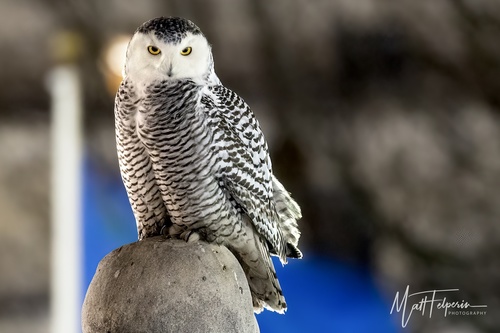 Snowy Owl
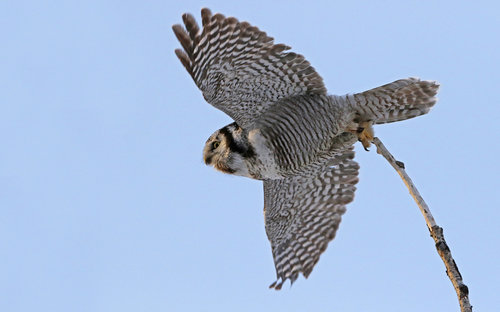 Northern Hawk Owl
In breve
Il segno distintivo più affidabile tra Snowy Owl e Northern Hawk Owl è la colorazione generale: Snowy Owl è prevalentemente bianca (soprattutto i maschi adulti), mentre Northern Hawk Owl è marrone scuro sopra con forti barre sotto e un volto caratterizzato da segni distintivi. I gufi Snowy giovani e femmine possono mostrare più barre e macchie, ma mai l'aspetto marrone e simile a un falco di Northern Hawk Owl. In volo, Snowy Owl appare con ali larghe e bianche, spesso con solo macchie scure sparse, mentre Northern Hawk Owl appare con una coda lunga e snella, con un motivo a barre marrone e bianco. I gufi Hawk hanno un bordo nero audace sul volto e una lunga coda a bande, a differenza dello Snowy dalla testa bianca e arrotondata. L'habitat e il comportamento aiutano anche: Snowy Owls sono uccelli della tundra che vivono a terra, spesso visti posati in basso o sul terreno, mentre i gufi Hawk si posano eretti sugli alberi e cacciano osservando da posatoi esposti.
Consigli di identificazione
- Overall color: Snowy Owl è di base bianca, a volte con barre o macchie marroni (soprattutto femmine e immaturi), ma mai completamente marrone sopra. Northern Hawk Owl è sempre marrone scuro sopra con macchie bianche e barre marroni sotto.
- Face pattern: Hawk Owl mostra un volto bianco con un bordo nero audace e una V nera sulla nuca; Snowy Owl ha una testa bianca arrotondata senza un forte bordo facciale.
- Tail shape: Hawk Owl ha una coda lunga, stretta e fortemente a bande (arrotondata negli adulti, appuntita nei primi anni); Snowy Owl ha una coda corta, larga e debolmente a barre.
- Wing shape in flight: Snowy Owl è con ali larghe e pesanti, con battiti d'ali lenti e profondi; Hawk Owl è snello, con ali appuntite e volo rapido, simile a un falco.
- Perching behavior: Snowy Owl spesso si siede a terra o su posatoi bassi in campagna aperta; Hawk Owl si posano eretti in cima agli alberi o ai pali.
- Size: Snowy Owl è molto più grande e massiccio; Hawk Owl è di dimensioni medie e snello.
- Sex/age confusion: Le femmine e i gufi Snowy immaturi possono essere abbastanza marcati, ma hanno sempre un colore di base bianco e mancano del bordo facciale scuro e del dorso marrone del Hawk Owl. Il Snowy Owl più scuro è comunque più chiaro del Hawk Owl più chiaro.
- Juvenile Hawk Owl: I gufi Hawk di primo anno hanno piume della coda appuntite, ma altrimenti assomigliano agli adulti; nessuno Snowy Owl mostra una coda lunga, appuntita e a bande.
- Flight jizz: Il volo del Hawk Owl è veloce e diretto, con una lunga coda che segue; Snowy Owl è lento, pesante e con ali larghe.
- Habitat: Snowy Owl si trova in tundra aperta o campi, spesso lontano dagli alberi; Hawk Owl è in o vicino a foreste boreali, raramente in campagna aperta.
- Facial disc: Il disco facciale dello Snowy Owl è poco profondo e semplice; quello del Hawk Owl è audace e ben definito.
- Ear tufts: Snowy Owl manca di ciuffi auricolari visibili (molto corti e raramente sollevati); Hawk Owl ha una testa liscia e arrotondata senza ciuffi.
- Eyes: Entrambi hanno occhi gialli, quindi questo non è un separatore utile.
- Seasonal context: Gli Snowy Owls possono irrompere a sud in inverno, ma preferiscono comunque aree aperte e senza alberi; i gufi Hawk sono residenti o irruptivi, ma sempre associati agli alberi.
- Unique marks: La V nera sulla nuca è unica per il Hawk Owl; il maschio quasi completamente bianco è unico per lo Snowy Owl, ma attenzione a femmine e immaturi pallidi.
Taglia
Snowy Owl è molto più grande e pesante di Northern Hawk Owl. Snowy Owl è un vero gigante tra i gufi, con una lunghezza di 52–71 cm e un'apertura alare di 125–150 cm [wikipedia], mentre Northern Hawk Owl è di dimensioni medie, con una lunghezza di 35–45 cm e un'apertura alare di 69–82 cm [wikipedia]. Snowy Owl è anche molto più massiccio, con una massa fino a 2.950 g nelle femmine, rispetto ai 300–340 g del Hawk Owl [wikipedia]. Sul campo, Snowy Owl appare massiccio e largo, mentre Hawk Owl è snello e con una coda lunga.
Piumaggio
I gufi Snowy giovani e immaturi sono scuramente macchiati sopra con forti barre e macchie su una base bianca, ma anche gli uccelli più scuri non mostrano mai la parte superiore marrone complessiva e il bordo facciale scuro e netto di Northern Hawk Owl. I gufi Hawk di primo anno hanno piume della coda appuntite, ma altrimenti assomigliano agli adulti: marrone sopra con macchie bianche, volto bianco con un bordo nero audace e parti inferiori a bande marroni. I gufi Snowy maschi adulti sono quasi completamente bianchi con pochissime macchie scure, mentre le femmine e gli uccelli più giovani hanno più barre e macchie marroni, specialmente sui fianchi e sul petto superiore. Tuttavia, anche il Snowy Owl più marcato è sempre di base bianca e manca del dorso marrone scuro, del bordo facciale nero e della lunga coda a bande del Hawk Owl. In volo, Snowy Owl mostra ali larghe e arrotondate e una coda corta e bianca con deboli barre; Hawk Owl ha ali appuntite e una lunga coda stretta e fortemente a bande. La parte posteriore del collo del Hawk Owl mostra una V nera unica, mai presente nello Snowy Owl.
Comportamento
Snowy Owl spesso si siede a terra o su posatoi bassi, apparendo come un grumo bianco su tundra aperta o campi. È per lo più attivo all'alba, al crepuscolo o anche durante il giorno nel lontano nord. Northern Hawk Owl si posano eretti in cima agli alberi o ai pali, osservando per la preda, ed è notevolmente diurno, spesso cacciando in pieno giorno. In volo, Hawk Owl è veloce e diretto, con un aspetto simile a un falco a causa della sua lunga coda e delle ali appuntite, mentre Snowy Owl è pesante, lento e con ali larghe.
Habitat
Snowy Owl nidifica nella tundra artica e, in inverno, preferisce campi aperti come campi, paludi e dune costiere, spesso lontano dagli alberi. Northern Hawk Owl è un uccello delle foreste boreali, specialmente delle foreste conifere aperte e dei margini forestali, e raramente è visto lontano dagli alberi. Se vedi un gufo in un paesaggio senza alberi e spazzato dal vento, soprattutto a terra, è probabile che sia uno Snowy Owl; se è posato in alto su un albero in un'area forestale, è probabile che sia un Hawk Owl.