

Motmot

ユキコサギ 対 ハイガシラチョウゲンボウ

Egretta thula 対 Falco dickinsoni

ユキコサギとハイガシラチョウゲンボウのクイズ
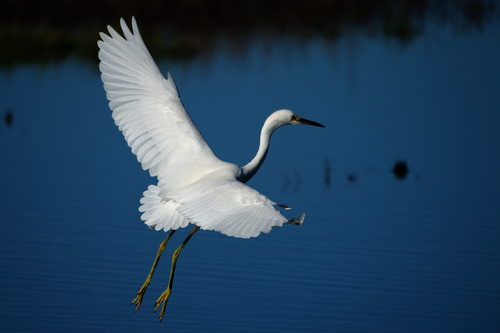
ユキコサギ (Egretta thula) ユキコサギ
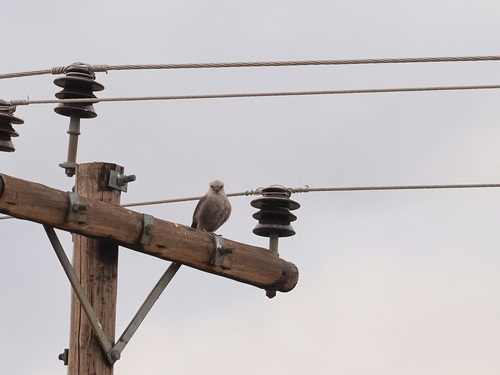
ハイガシラチョウゲンボウ (Falco dickinsoni) ハイガシラチョウゲンボウ

メディア

読み込み中…

要点

最も信頼できるフィールドマークは全体の構造と色です:ユキコサギは細長い全白のサギで、黒い脚と明るい黄色の足を持っています。一方、ハイガシラチョウゲンボウは、淡い頭と尾、縞模様の尾、黄色の顔と足を持つ、ずんぐりした暗灰色の猛禽類です。未熟なユキコサギは緑がかった脚を持っていますが、依然として白です。一方、幼鳥のハイガシラチョウゲンボウは灰褐色で、縞模様の側面を持ち、成鳥の淡い頭と尾が欠けています。飛んでいるとき、サギは長く丸い翼と遅く浮遊するような羽ばたきを示し、チョウゲンボウは尖った翼と直接的で迅速な飛行を持っています。止まっているとき、サギは直立して優雅で、チョウゲンボウはずんぐりして捕食的です。体の形、脚の色、飛行スタイルに焦点を当てれば、これら二つを混同することはありません。

識別のコツ

  1. 全体の色と模様:ユキコサギは常に純白(全ての年齢)で、ハイガシラチョウゲンボウは暗灰色または灰褐色で、淡いまたは白い尾と頭(成鳥)、または縞模様の側面を持つ灰褐色(幼鳥)です。
  2. 脚と足の色:成鳥のユキコサギは黒い脚と明るい黄色の足を持ち、独特の組み合わせです。幼鳥は緑がかった脚を持っていますが、決して黄色の裸の部分はありません。ハイガシラチョウゲンボウは黄色の足と顔(成鳥)、または緑がかった顔と目の輪(幼鳥)を持っていますが、黒い脚や黄色の足を同時に持つことはありません。
  3. くちばしの形と色:ユキコサギは長く細い直線的な黒いくちばしを持っています。ハイガシラチョウゲンボウは短くフック状の暗灰色のくちばしを持ち、これはハヤブサに典型的です。
  4. 体の構造:サギは長い首、長い脚、細身で、優雅で直立した姿勢を持っています。チョウゲンボウはコンパクトで、大きく四角い頭、短い首を持ち、水平に止まります。
  5. 飛行のシルエット:ユキコサギは広く丸い翼、長い後ろ脚、遅く浮遊するような飛行を示します。ハイガシラチョウゲンボウは尖った翼、短い尾、迅速で直接的な飛行を持ち、素早い羽ばたきをします。
  6. 尾の模様:チョウゲンボウの尾は灰色で狭い黒い縞模様と広い亜末端帯を持ち、飛行中や止まっているときに見えます。サギの尾は短く白く、縞模様はありません。
  7. 羽毛の詳細(未熟):幼鳥のチョウゲンボウは灰褐色で縞模様の側面を持ち、成鳥の淡い頭/尾が欠けています。幼鳥のサギは白で、鈍い脚を持ち、決して縞模様や茶色はありません。
  8. 裸の部分(顔/目):チョウゲンボウは黄色(成鳥)または緑がかった(幼鳥)顔と目の輪を持っています。サギはくちばしと目の間に黄色のロアを持っていますが、色のついた顔はありません。
  9. 生息地の文脈:サギはほぼ常に水の近くにいて、しばしば水中を歩きます。チョウゲンボウは開けた森林やサバンナにいて、木や電線に止まり、ほとんど水の近くにはいません。
  10. 行動:サギは浅い水中で獲物を追いかけたり走ったりして採餌し、時には群れで行動します。チョウゲンボウは止まって狩りをし、ほとんどホバリングせず、草火に引き寄せられて昆虫や小さな脊椎動物を捕まえます。
  11. 止まっている姿勢:サギは直立して首を伸ばし、チョウゲンボウは水平に座り、しばしば背を丸めて頭を高く持ち上げます。
  12. サイズの印象:サギは首と脚のためにより大きく細長く見えますが、軽量です。チョウゲンボウはコンパクトで頑丈です。
  13. 声:信頼できる区別要因ではありません。両種は一般的に静かですが、チョウゲンボウは巣で高音の警報音や鳴き声を出すことがあります。
  14. 季節/年齢の混同:サギが縞模様、灰色、または茶色を示す季節や年齢はありません。チョウゲンボウが全て白であるか、黒い脚/黄色の足を持つ年齢もありません。
  15. 一般的な落とし穴:遠くから見ると、首が引っ込んでいる場合、止まっているサギは奇妙にコンパクトに見えることがありますが、脚の長さとくちばしの形が常にそれを明らかにします。チョウゲンボウは決して白い羽毛を示さず、水中で歩くことはありません。

大きさ

ハイガシラチョウゲンボウはより重く、頑丈で、体重は約210g、長さは27〜30cm(11〜12インチ)、翼幅は61〜68cm(24〜27インチ)です。ユキコサギは長いですが、はるかに軽く、繊細です:長さは56〜66cm(22.1〜26.0インチ)、翼幅は100cm(39.4インチ)、体重は約370gです。しかし、サギの長い首、脚、くちばしは、チョウゲンボウよりもはるかに大きく細長く見せます。チョウゲンボウはコンパクトな体型で、短い尾と首がフィールドで明らかです。

羽色

幼鳥と未熟な鳥は全体の色と模様で最も簡単に区別できます:若いユキコサギは常に白で、鈍い緑がかった脚を持ち(成鳥のような黒/黄色ではなく)、縞模様や灰色のトーンはありません。幼鳥のハイガシラチョウゲンボウは全体が灰褐色で、縞模様の側面を持ち、淡い頭や尾がなく、緑がかった顔と目の輪を持っています。成鳥はさらに明確です:ユキコサギは純白で黒い脚と黄色の足を持ち、ハイガシラチョウゲンボウは暗灰色で淡い頭と尾、黄色の裸の部分、狭い黒い縞模様と広い亜末端帯を持つ灰色の尾を持っています。飛行中、サギの翼は広く丸く、全て白です。チョウゲンボウの翼は尖っていて、下側に縞模様があり、尾には明確な帯が見られます。サギのどの年齢も縞模様や淡い尾を示すことはありません。

行動

ユキコサギは浅い水中で活発に採餌し、しばしば走ったり、足を動かしたり、静止して獲物を待ち伏せしたりします。時には混成種の群れに参加することもあります。ハイガシラチョウゲンボウは止まって狩りをし、ほとんどホバリングせず、草火に引き寄せられて昆虫や小さな脊椎動物を捕まえます。サギはほぼ常に水中を歩いたり、湿地の上を低く飛んだりしているのに対し、チョウゲンボウは木や電線に止まっているか、開けた森林やサバンナの上を迅速で直接的な羽ばたきで飛んでいます。サギの採餌は遅く慎重で、チョウゲンボウのそれは警戒心が強く捕食的です。

生息環境

ユキコサギは浅い湿地、湿原、池、時には開けた野原に見られ、常に水の近くにいます。ハイガシラチョウゲンボウはサバンナや開けた森林を好み、特にヤシやバオバブの木がある場所を好み、水にあまり依存せず、沼地の近くにいることもあります。サギは水から離れているところではほとんど見られませんが、チョウゲンボウは水の中で歩いたり、地面の近くで見られることはほとんどありません。

声

ハイガシラチョウゲンボウは通常静かですが、巣で高音の警報音や柔らかい鳴き声を出します。ユキコサギは一般的に静かで、情報源には特に特徴的な鳴き声は記載されていません。声はほとんどのフィールド状況で信頼できる区別要因ではありません。

より良い説明を送る

比較と同じ項目を使ってください。文章はすぐに公開されます。

The most reliable field mark is overall structure and color: Snowy Egret is a slender, all-white heron with black legs and bright yellow feet, while Dickinson's Kestrel is a stocky, dark grey raptor with a pale head and rump, barred tail, and yellow cere and feet. Immature Snowy Egrets have greenish legs, but are still white, whereas juvenile Dickinson's Kestrels are grey-brown with barred flanks and lack the adult's pale head and rump. In flight, the egret shows long, rounded wings and slow, buoyant flapping, while the kestrel has pointed wings and a direct, rapid flight. Perched, the egret is upright and elegant, the kestrel squat and predatory. These two should not be confused if you focus on body shape, leg color, and flight style.

  1. Overall color and pattern: Snowy Egret is always pure white (all ages), while Dickinson's Kestrel is dark grey or grey-brown with a pale or white rump and head (adult), or grey-brown with barred flanks (juvenile).
  2. Leg and foot color: Adult Snowy Egret has black legs and bright yellow feet, a unique combination. Juveniles have greenish legs, but never yellow bare parts. Dickinson's Kestrel has yellow feet and cere (adults), or greenish cere and eye-ring (juveniles), but never black legs or yellow feet together.
  3. Bill shape and color: Snowy Egret has a long, thin, straight black bill. Dickinson's Kestrel has a short, hooked, dark grey bill typical of falcons.
  4. Body structure: Egrets are long-necked, long-legged, and slender, with a graceful, upright stance. Kestrels are compact, with a large, square head, short neck, and perched horizontally.
  5. Flight silhouette: Snowy Egret shows broad, rounded wings, long trailing legs, and a slow, buoyant flight. Dickinson's Kestrel has pointed wings, short tail, and rapid, direct flight with quick wingbeats.
  6. Tail pattern: Kestrel's tail is grey with narrow black bars and a broad subterminal band, visible in flight and when perched. Egret's tail is short, white, and lacks any barring.
  7. Plumage details (immature): Juvenile kestrels are grey-brown with barred flanks and lack the adult's pale head/rump; juvenile egrets are white with duller legs, never barred or brown.
  8. Bare parts (face/eye): Kestrel has yellow (adult) or greenish (juvenile) cere and eye-ring; egret has yellow lores between bill and eye, but no colored cere.
  9. Habitat context: Egret is almost always near water, often wading; kestrel is in open woodland or savanna, perched on trees or wires, rarely near water.
  10. Behavior: Egret forages by stalking or running in shallow water, sometimes in groups; kestrel hunts from a perch or flies over open ground, rarely seen on the ground.
  11. Perched posture: Egret stands upright, neck extended; kestrel sits horizontally, often hunched, with head held high.
  12. Size impression: Egret appears larger and more elongated due to neck and legs, despite being lighter; kestrel is compact and robust.
  13. Vocalization: Not a reliable separator; both species are generally quiet, but kestrel may give a high-pitched alarm or mewing call at the nest.
  14. Seasonal/age confusion: No season or age where egret shows barring, grey, or brown; no age where kestrel is all white or has black legs/yellow feet.
  15. Common pitfalls: At distance, a perched egret can look oddly compact if neck is retracted, but leg length and bill shape always give it away. Kestrel never shows white plumage or wades in water.

Dickinson's Kestrel is heavier and more robust, with a body mass of about 210 g and a length of 27–30 cm (11–12 in), wingspan 61–68 cm (24–27 in). Snowy Egret is longer but much lighter and more delicate: length 56–66 cm (22.1–26.0 in), wingspan 100 cm (39.4 in), weight about 370 g. However, the egret's long neck, legs, and bill make it appear much larger and lankier than the kestrel, whose compact build and shorter tail/neck are obvious in the field.

Juvenile and immature birds are most easily separated by overall color and pattern: young Snowy Egrets are always white, with duller, greenish legs (not black/yellow as in adults), and lack any barring or grey tones. Juvenile Dickinson's Kestrels are grey-brown overall, with barred flanks and no pale head or rump, and a greenish cere and eye-ring. Adults are even more distinct: Snowy Egret is pure white with black legs and yellow feet, while Dickinson's Kestrel is dark grey with a pale head and rump, yellow bare parts, and a grey tail with narrow black bars and a broad subterminal band. In flight, the egret's wings are broad and rounded, all white; the kestrel's are pointed, barred below, and the tail shows clear banding. No age of egret ever shows barring or a pale rump.

Snowy Egret forages actively in shallow water, often running, shuffling its feet, or standing still to ambush prey; it may join mixed-species groups. Dickinson's Kestrel hunts from a perch, rarely hovers, and is drawn to grass fires to catch insects and small vertebrates. The egret is almost always seen wading or flying low over wetlands, while the kestrel is seen perched on trees or wires, or flying with rapid, direct wingbeats over open woodland or savanna. The egret's feeding is slow and deliberate; the kestrel's is watchful and predatory.

Snowy Egret is found in shallow wetlands, marshes, ponds, and sometimes open fields, always near water. Dickinson's Kestrel prefers savanna and open woodland, especially with palm or baobab trees, and is less tied to water, though it may be near swamps. The egret is rarely seen away from water, while the kestrel is rarely seen wading or near the ground in water.

Dickinson's Kestrel is usually silent but gives a high-pitched alarm and a soft, mewing call at the nest. Snowy Egret is generally quiet, with no distinctive call described in the sources. Voice is not a reliable separator in most field situations.

変更を破棄しますか?

保存していない編集があります。今離れると失われます。

ユキコサギ · ハイガシラチョウゲンボウ · 苦手な鳥