

Snowy Egret vs Dickinson's Kestrel
Egretta thula contro Falco dickinsoni
Fai un quiz con Snowy Egret e Dickinson's Kestrel
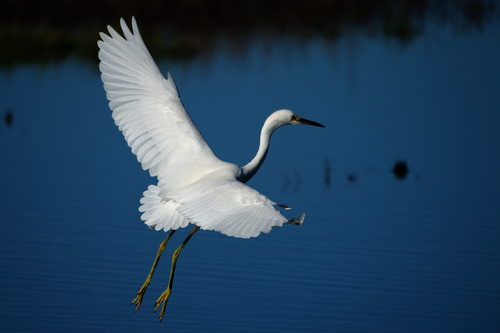 Snowy Egret
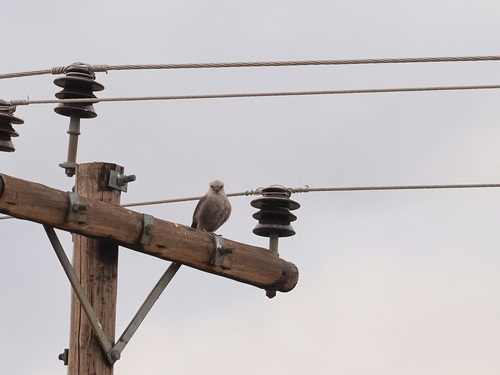 Dickinson's Kestrel
In breve
Il segno distintivo più affidabile è la struttura e il colore complessivi: Snowy Egret è un airone snello, completamente bianco con gambe nere e piedi gialli brillanti, mentre Dickinson's Kestrel è un rapace tozzo, grigio scuro con una testa e un'area caudale chiare, coda barrata e cere e piedi gialli. Gli Snowy Egret immaturi hanno gambe verdastre, ma sono ancora bianchi, mentre i Dickinson's Kestrel juvenili sono grigio-marroni con fianchi barrati e mancano della testa e dell'area caudale chiare degli adulti. In volo, l'airone mostra ali lunghe e arrotondate e un battito d'ali lento e galleggiante, mentre il falco ha ali appuntite e un volo diretto e rapido. In posizione per lo stazionamento, l'airone è eretto ed elegante, il falco è tozzo e predatorio. Questi due non dovrebbero essere confusi se ci si concentra sulla forma del corpo, sul colore delle gambe e sullo stile di volo.
Consigli di identificazione
- Overall color and pattern: Snowy Egret è sempre di un bianco puro (tutte le età), mentre Dickinson's Kestrel è grigio scuro o grigio-marrone con una parte caudale e una testa chiare (adulto), o grigio-marrone con fianchi barrati (giovanile).
- Leg and foot color: L'adulto Snowy Egret ha gambe nere e piedi gialli brillanti, una combinazione unica. I giovanili hanno gambe verdastre, ma mai parti nude gialle. Dickinson's Kestrel ha piedi e cere gialli (adulti), o cere e anello oculare verdastri (giovanili), ma mai gambe nere o piedi gialli insieme.
- Bill shape and color: Snowy Egret ha un lungo becco sottile e dritto di colore nero. Dickinson's Kestrel ha un becco corto, ricurvo e grigio scuro tipico dei falchi.
- Body structure: Gli aironi hanno un collo lungo, gambe lunghe e sono snelli, con una postura elegante e eretta. I falchi sono compatti, con una testa grande e quadrata, collo corto e si posano orizzontalmente.
- Flight silhouette: Snowy Egret mostra ali larghe e arrotondate, lunghe gambe pendenti e un volo lento e galleggiante. Dickinson's Kestrel ha ali appuntite, coda corta e un volo rapido e diretto con battiti d'ali veloci.
- Tail pattern: La coda del falco è grigia con strette barre nere e una larga banda subterminale, visibile in volo e quando è posato. La coda dell'airone è corta, bianca e priva di qualsiasi barratura.
- Plumage details (immature): I falchi giovanili sono grigio-marroni con fianchi barrati e mancano della testa/area caudale chiare degli adulti; gli aironi giovanili sono bianchi con gambe più opache, mai barrati o marroni.
- Bare parts (face/eye): Il falco ha cere gialle (adulto) o verdastre (giovanile) e anello oculare; l'airone ha lore gialli tra il becco e l'occhio, ma nessuna cere colorata.
- Habitat context: L'airone è quasi sempre vicino all'acqua, spesso in cerca di cibo; il falco si trova in boschi aperti o savane, posato su alberi o fili, raramente vicino all'acqua.
- Behavior: L'airone cerca cibo stalkando o correndo in acque poco profonde, a volte in gruppi; il falco caccia da un posatoio o vola su terreni aperti, raramente visto a terra.
- Perched posture: L'airone sta eretto, con il collo esteso; il falco si siede orizzontalmente, spesso accovacciato, con la testa alta.
- Size impression: L'airone appare più grande e più allungato a causa del collo e delle gambe, nonostante sia più leggero; il falco è compatto e robusto.
- Vocalization: Non è un separatore affidabile; entrambe le specie sono generalmente silenziose, ma il falco può emettere un allerta acuta o un richiamo simile a un miagolio nel nido.
- Seasonal/age confusion: Non c'è stagione o età in cui l'airone mostri barrature, grigio o marrone; non c'è età in cui il falco sia completamente bianco o abbia gambe nere/piedi gialli.
- Common pitfalls: A distanza, un airone posato può sembrare stranamente compatto se il collo è ritratto, ma la lunghezza delle gambe e la forma del becco lo rivelano sempre. Il falco non mostra mai piumaggio bianco o cerca cibo in acqua.
Taglia
Dickinson's Kestrel è più pesante e robusto, con una massa corporea di circa 210 g e una lunghezza di 27–30 cm (11–12 in), apertura alare di 61–68 cm (24–27 in). Snowy Egret è più lungo ma molto più leggero e delicato: lunghezza 56–66 cm (22.1–26.0 in), apertura alare 100 cm (39.4 in), peso di circa 370 g. Tuttavia, il lungo collo, le gambe e il becco dell'airone lo fanno apparire molto più grande e slanciato rispetto al falco, il cui corpo compatto e la coda/collare più corti sono evidenti sul campo.
Piumaggio
Gli uccelli giovanili e immaturi sono più facilmente separabili per colore e modello complessivi: i giovani Snowy Egrets sono sempre bianchi, con gambe più opache e verdastre (non nere/gialle come negli adulti), e mancano di qualsiasi barratura o tonalità grigia. I Dickinson's Kestrels giovanili sono grigio-marroni complessivamente, con fianchi barrati e senza testa o area caudale chiare, e una cere e un anello oculare verdastri. Gli adulti sono ancora più distintivi: Snowy Egret è di un bianco puro con gambe nere e piedi gialli, mentre Dickinson's Kestrel è grigio scuro con una testa e un'area caudale chiare, parti nude gialle e una coda grigia con strette barre nere e una larga banda subterminale. In volo, le ali dell'airone sono larghe e arrotondate, completamente bianche; quelle del falco sono appuntite, barrate sotto, e la coda mostra una chiara barratura. Nessuna età di airone mostra mai barrature o un'area caudale chiara.
Comportamento
Snowy Egret cerca attivamente cibo in acque poco profonde, spesso correndo, muovendo i piedi o rimanendo fermo per tendere un agguato alla preda; può unirsi a gruppi di specie miste. Dickinson's Kestrel caccia da un posatoio, raramente sospende il volo, ed è attratto da incendi erbacei per catturare insetti e piccoli vertebrati. L'airone è quasi sempre visto cercare cibo o volare basso sopra le zone umide, mentre il falco è visto posato su alberi o fili, o volare con battiti d'ali rapidi e diretti sopra boschi aperti o savane. L'alimentazione dell'airone è lenta e deliberata; quella del falco è attenta e predatoria.
Habitat
Snowy Egret si trova in zone umide poco profonde, paludi, stagni e a volte campi aperti, sempre vicino all'acqua. Dickinson's Kestrel preferisce savane e boschi aperti, specialmente con palme o baobab, ed è meno legato all'acqua, anche se può trovarsi vicino a paludi. L'airone è raramente visto lontano dall'acqua, mentre il falco è raramente visto cercare cibo o vicino al suolo in acqua.
Voce
Dickinson's Kestrel è solitamente silenzioso ma emette un allerta acuta e un richiamo morbido e simile a un miagolio nel nido. Snowy Egret è generalmente silenzioso, senza un richiamo distintivo descritto nelle fonti. La voce non è un separatore affidabile nella maggior parte delle situazioni sul campo.
Snowy Egret · Dickinson's Kestrel · I miei uccelli difficili