

Motmot

ミミカイツブリ 対 ニシモリタイランチョウ

Podiceps auritus 対 Contopus sordidulus

ミミカイツブリとニシモリタイランチョウのクイズ
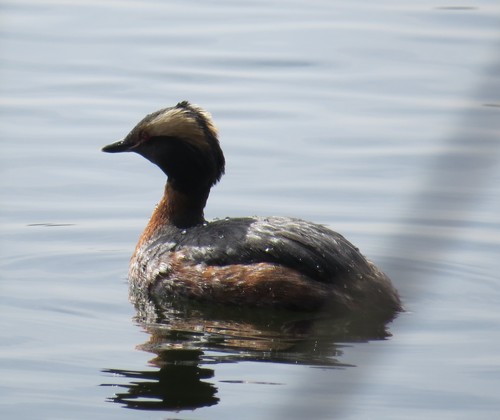
ミミカイツブリ (Podiceps auritus) ミミカイツブリ
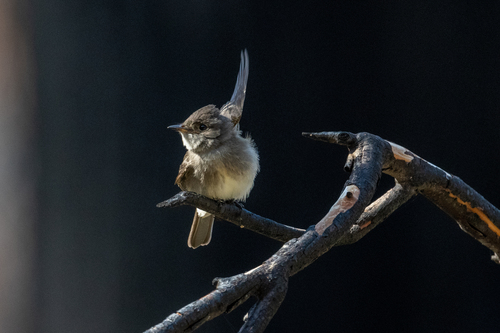
ニシモリタイランチョウ (Contopus sordidulus) ニシモリタイランチョウ

メディア

読み込み中…

要点

ミミカイツブリ(ホーンドグリーブ)とニシモリタイランチョウは、その構造、サイズ、そして生息地が根本的に異なるため、フィールドで混同される可能性は非常に低いですが、特に遠くからの写真や文脈から外れた写真ではクイズでの混乱が起こることがあります。最も信頼できる区別は全体の構造です:ミミカイツブリは、尖ったくちばしを持つずんぐりした水鳥で、繁殖羽衣の際には目を引くオレンジ色の「角」を持っています。一方、ニシモリタイランチョウは、小さく、細身で、直立した歌鳥で、細いくちばしと2本の淡い翼帯を持っています。幼鳥や非繁殖のミミカイツブリは角を持っていませんが、コンパクトで泳ぐ姿勢と白黒の顔模様を示し、オリーブグレーの止まり木にいるニシモリタイランチョウには決して似ません。飛行中、ミミカイツブリは短い首と体を持ち、白い翼のパネルを示しますが、ニシモリタイランチョウの飛行はよりひらひらとした直接的なもので、長い翼と小さな頭を持っています。生息地は大きな手がかりです:ミミカイツブリは常に水の上におり、ニシモリタイランチョウは木や電線にいます。

識別のコツ

  1. Habitat is decisive: ミミカイツブリは常に水の上にいます;ニシモリタイランチョウは常に枝や電線に止まっており、水の上には決していません。もし鳥が泳いでいるか潜っているのを見たら、それはミミカイツブリです。
  2. Overall size and shape: ミミカイツブリはずっと大きく、ずんぐりしたアヒルのような体、短い尾、適度に長い首を持っています。ニシモリタイランチョウは小さく、細身で直立しており、相対的に大きな頭と長い翼を持っています。
  3. Bill shape: ミミカイツブリは白い先端を持つまっすぐで尖ったくちばし(特に近距離で目立つ)を持っています;ニシモリタイランチョウは薄く、まっすぐな捕虫性のくちばしを持ち、下あごの基部に黄色があります。
  4. Breeding plumage (grebe): ミミカイツブリの繁殖羽衣では、明るいオレンジ色の「角」と栗色の首/側面を探してください—ユニークで間違いありません。ニシモリタイランチョウは頭の羽飾りや栗色の色合いを示すことはありません。
  5. Non-breeding/juvenile grebe: 黒い冠、白い頬/喉、目の後ろのまっすぐな境界、鈍い白い腹部、茶色がかった背中の幼鳥。翼帯やオリーブ色の洗いはありません。
  6. Pewee plumage: グレーオリーブの上面、オリーブ色の洗いがかかった淡い腹部、2本の淡い翼帯、下あごの基部に黄色のある暗いくちばし。黒と白の顔のコントラストや栗色の色合いは決して示しません。
  7. Wingbars: ニシモリタイランチョウだけが各翼に2本の淡い翼帯を持っています;ミミカイツブリはどの年齢や季節でも翼帯を示しません。
  8. Flight silhouette: 飛行中のミミカイツブリはコンパクトで、短い首と体を持ち、白い翼のパネルを示します;ニシモリタイランチョウは細身で、長い翼と小さな頭を持ち、2本の翼帯を示します。
  9. Behavior: ミミカイツブリは頻繁に潜り、水中で低く座り、追い立てられたとき以外は飛んでいるのをめったに見ません。ニシモリタイランチョウは直立して止まり、昆虫を捕まえるために飛び出し、同じまたは近くの止まり木に戻ります。
  10. Vocalizations: ニシモリタイランチョウは大きく、ブンブンとした「ピーア」と下降する「ツィーズ」を発します;ミミカイツブリはそのような鳴き声を出しません。
  11. Face pattern: ミミカイツブリ(非繁殖/幼鳥)は目の後ろにまっすぐな境界を持つ鋭い黒と白の顔のコントラストを持っています;ニシモリタイランチョウは目立ったコントラストのない平坦な顔を持ち、せいぜいかすかな淡いアイリングがあります。
  12. Legs and feet: ミミカイツブリは、羽繕いをしているときや飛行中に見える大きなローブ状の足を持っています;ニシモリタイランチョウは小さく、典型的なスズメ目の足を持ち、通常は止まっているときに隠れています。
  13. Context: アヒルや他の水鳥の群れの中で見られた場合、それはミミカイツブリです;他の捕虫性の鳥や小さな歌鳥と一緒にいる場合、それはニシモリタイランチョウです。
  14. Seasonal confusion: ミミカイツブリの繁殖羽衣はユニークです;非繁殖/幼鳥の羽衣では、顔の模様、生息地、構造に頼ってください。ニシモリタイランチョウは季節ごとにあまり変わりません。
  15. Quiz pitfalls: 文脈から外れた写真(例:陸にいるミミカイツブリや岩の上にいるニシモリタイランチョウ)は誤解を招く可能性があります—常に水、構造の比率、くちばしの形を確認してください。

大きさ

ミミカイツブリは非常に大きく、重いです:長さは約31〜38 cmで、体重は約450 g [wikidata]、対してニシモリタイランチョウは長さ14〜16 cm、体重11〜14 g [wikipedia]です。ミミカイツブリはずんぐりしたアヒルサイズの泳ぎ手ですが、ニシモリタイランチョウは小さなスズメサイズの止まり木の鳥です。翼開長も大きく異なります:ミミカイツブリは55〜74 cm、ニシモリタイランチョウは約26 cmです。遠くからでも、ミミカイツブリの体格と泳ぎの姿勢は、ニシモリタイランチョウの細身で直立した姿勢と比べて明確に区別できます。

羽色

行動

ミミカイツブリは常に開けた水面で泳いだり潜ったりしており、巣以外では陸にいるのはめったに見られません。食べ物を求めて頻繁に潜り、水中で低く座ります。ニシモリタイランチョウは典型的な捕虫性の鳥で、露出した枝に直立して止まり、昆虫を捕まえるために飛び出し、止まり木に戻ります。泳いだり潜ったりしているのは決して見られません。ニシモリタイランチョウの飛行はひらひらとして直接的ですが、ミミカイツブリの飛行は重く直接的で、通常は水から追い立てられたときにのみ見られます。

生息環境

ミミカイツブリは厳密に水生で、湖、池、湿地に生息し、水から遠くに出ることはめったにありません。ニシモリタイランチョウは開けた森林、森林の端、時には郊外の公園に生息し、常に枝や電線に止まっており、水の上には決していません。もし鳥が水の上にいるのを見たら、それはミミカイツブリです;木や電線にいる場合、それはニシモリタイランチョウです。

声

ニシモリタイランチョウは大きく、ブンブンとした「ピーア」と3回の急降下する「ツィーズ」の歌を発し、最後に下降する「ピーア」で終わります [wikipedia]。ミミカイツブリの鳴き声はここでは説明されていませんが、一般的にミミカイツブリはトリルやおしゃべりのような鳴き声を出し、ニシモリタイランチョウのような笛やブンブン音は出しません。もし大きく、はっきりした「ピーア」が聞こえたら、それはニシモリタイランチョウです。

より良い説明を送る

比較と同じ項目を使ってください。文章はすぐに公開されます。

The Slavonian Grebe (Horned Grebe) and Western Wood-Pewee are extremely unlikely to be confused in the field due to their radically different structure, size, and habitat, but quiz mix-ups can happen, especially with distant or out-of-context photos. The most reliable separation is overall structure: the grebe is a chunky waterbird with a pointed bill and, in breeding plumage, striking orange 'horns,' while the pewee is a small, slim, upright songbird with a thin bill and two pale wingbars. Juvenile and non-breeding grebes lack the horns but still show a compact, swimming profile and black-and-white face pattern, never resembling the olive-gray, perching pewee. In flight, the grebe shows a short neck and body with white wing panels, while the pewee's flight is more fluttery and direct, with long wings and a small head. Habitat is a major clue: grebes are always on water, pewees in trees or on wires.

  1. Habitat is decisive: Slavonian Grebe is always on water; Western Wood-Pewee is always perched on branches or wires, never on water. If you see the bird swimming or diving, it's a grebe.
  2. Overall size and shape: Grebe is much larger, with a chunky, duck-like body, short tail, and moderately long neck. Pewee is small, slim, upright, with a proportionally large head and long wings.
  3. Bill shape: Grebe has a straight, pointed bill with a white tip (especially visible at close range); pewee has a thin, straight flycatcher bill, dark with yellow at the base of the lower mandible.
  4. Breeding plumage (grebe): Look for bright orange-red 'horns' and chestnut neck/flanks on the grebe—unique and unmistakable. Pewee never shows any head plumes or chestnut coloring.
  5. Non-breeding/juvenile grebe: Black crown, white cheeks/throat, straight border behind eye, dull white underparts, brown-tinged back in juveniles. No wingbars or olive wash.
  6. Pewee plumage: Gray-olive upperparts, pale underparts with olive wash on breast, two pale wingbars, and a dark bill with yellow base. Never shows black-and-white face contrast or chestnut tones.
  7. Wingbars: Only the pewee has two pale wingbars on each wing; grebe never shows wingbars at any age or season.
  8. Flight silhouette: Grebe in flight is compact, with short neck and body, and shows white wing panels; pewee is slim, with long wings and a small head, showing two wingbars.
  9. Behavior: Grebe dives frequently, sits low in water, and is rarely seen flying except when flushed. Pewee perches upright, sallies for insects, and returns to the same or nearby perch.
  10. Vocalizations: Pewee gives a loud, buzzy 'peeer' and descending 'tsees'; grebe does not make such calls.
  11. Face pattern: Grebe (non-breeding/juvenile) has a sharp black-and-white face contrast with a straight border behind the eye; pewee has a plain face with no sharp contrast, just a faint pale eyering at best.
  12. Legs and feet: Grebe has large, lobed feet visible when preening or in flight; pewee has small, typical passerine feet, usually hidden when perched.
  13. Context: If seen in a flock of ducks or other waterbirds, it's a grebe; if with other flycatchers or small songbirds, it's a pewee.
  14. Seasonal confusion: Grebe's breeding plumage is unique; in non-breeding/juvenile plumage, rely on face pattern, habitat, and structure. Pewee does not change much seasonally.
  15. Quiz pitfalls: Out-of-context photos (e.g., a grebe on land or a pewee on a rock) can be misleading—always check for water, structural proportions, and bill shape.

Slavonian Grebe is vastly larger and heavier: about 31–38 cm long with a body mass around 450 g [wikidata], compared to the Western Wood-Pewee's 14–16 cm length and 11–14 g mass [wikipedia]. The grebe is a chunky, duck-sized swimmer, while the pewee is a small, sparrow-sized perching bird. Wingspan also differs greatly: grebe 55–74 cm, pewee about 26 cm. Even at a distance, the grebe's bulk and swimming posture are unmistakable compared to the pewee's slim, upright stance.

  • Juvenile/immature grebe: Duller version of non-breeding adult, with brown-tinged back, less distinct black-and-white face border, and pale bill. Never shows wingbars or olive tones.
  • Adult Slavonian Grebe (breeding): Striking orange-red 'horns,' black crown, chestnut neck/flanks, white belly. No wingbars.
  • Adult Slavonian Grebe (non-breeding): Black crown, white cheeks/throat, straight border behind eye, white underparts, dark back. No wingbars or olive wash.
  • Western Wood-Pewee (all ages): Gray-olive upperparts, pale underparts with olive wash on breast, two pale wingbars, dark bill with yellow base to lower mandible. Never shows black crown/white cheek contrast or chestnut tones.
  • In flight: Grebe shows white wing panels, short neck, and compact body; pewee shows long wings, small head, and two wingbars.

Slavonian Grebe is always found swimming or diving on open water, rarely seen on land except at nest. It dives frequently for food and sits low in the water. Western Wood-Pewee is a classic flycatcher: perches upright on exposed branches, sallies out to catch insects, and returns to perch. Never seen swimming or diving. Flight is fluttery and direct for pewee, while grebe's flight is heavy and direct, usually only seen when flushed from water.

Grebes are strictly aquatic, found on lakes, ponds, and marshes, rarely venturing far from water. Pewees are found in open woodlands, forest edges, and sometimes suburban parks, always perching on branches or wires, never on water. If you see the bird on water, it's a grebe; if in trees or on a wire, it's a pewee.

Western Wood-Pewee gives a loud, buzzy 'peeer' and a song of three rapid descending 'tsees' ending with a descending 'peeer' [wikipedia]. Slavonian Grebe's vocalizations are not described here, but grebes generally give trilled or chattering calls, not pewee-like whistles or buzzes. If you hear a loud, clear 'peeer,' it's the pewee.

変更を破棄しますか?

保存していない編集があります。今離れると失われます。

ミミカイツブリ · ニシモリタイランチョウ · 苦手な鳥