

Zampullín Cuellirrojo vs Pibí Occidental
Podiceps auritus frente a Contopus sordidulus
Juega un quiz con Zampullín Cuellirrojo y Pibí Occidental
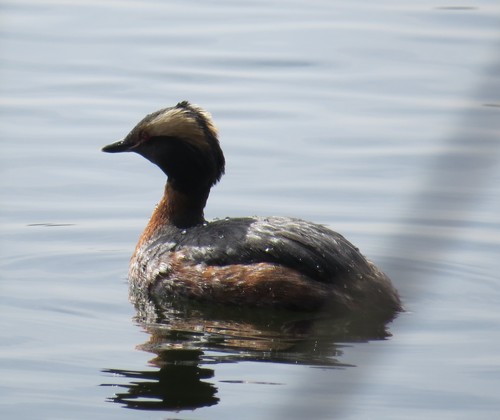 Zampullín Cuellirrojo
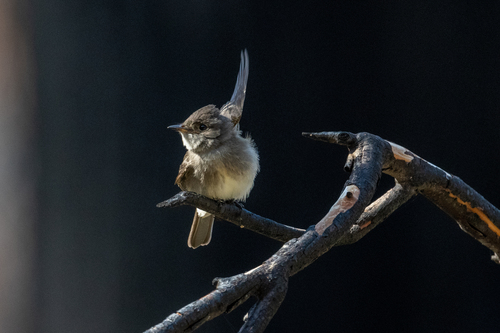 Pibí Occidental
En breve
El Zampullín Cuellirrojo (Horned Grebe) y el Pibí Occidental son extremadamente improbables de confundirse en el campo debido a su estructura, tamaño y hábitat radicalmente diferentes, pero pueden ocurrir confusiones en cuestionarios, especialmente con fotos distantes o fuera de contexto. La separación más confiable es la estructura general: el zampullín es un ave acuática robusta con un pico puntiagudo y, en plumaje de cría, llamativos 'cuernos' naranjas, mientras que el pibí es un pequeño, delgado y erguido pájaro cantor con un pico delgado y dos barras alares pálidas. Los zampullines juveniles y no reproductores carecen de cuernos pero aún muestran un perfil compacto y nadador y un patrón facial en blanco y negro, nunca pareciendo el pibí de color oliva-gris que se posa. En vuelo, el zampullín muestra un cuello y cuerpo cortos con paneles alares blancos, mientras que el vuelo del pibí es más aleteante y directo, con alas largas y una cabeza pequeña. El hábitat es una pista importante: los zampullines siempre están en el agua, los pibíes en árboles o en cables.
Consejos de identificación
- El hábitat es decisivo: El Zampullín Cuellirrojo siempre está en el agua; el Pibí Occidental siempre está posado en ramas o cables, nunca en el agua. Si ves al pájaro nadando o buceando, es un zampullín.
- Tamaño y forma general: El zampullín es mucho más grande, con un cuerpo robusto similar al de un pato, cola corta y cuello moderadamente largo. El pibí es pequeño, delgado, erguido, con una cabeza proporcionalmente grande y alas largas.
- Forma del pico: El zampullín tiene un pico recto y puntiagudo con una punta blanca (especialmente visible a corta distancia); el pibí tiene un pico delgado y recto de atrapamoscas, oscuro con amarillo en la base de la mandíbula inferior.
- Plumaje de cría (zampullín): Busca los llamativos 'cuernos' rojo-naranja y el cuello/lados castaños en el zampullín—únicos e inconfundibles. El pibí nunca muestra plumas en la cabeza o color castaño.
- Zampullín no reproductor/juvenil: Corona negra, mejillas/garganta blancas, borde recto detrás del ojo, partes inferiores de blanco apagado, espalda con matices marrones en juveniles. Sin barras alares ni lavado oliva.
- Plumaje del pibí: Partes superiores gris-oliva, partes inferiores pálidas con un lavado oliva en el pecho, dos barras alares pálidas y un pico oscuro con base amarilla. Nunca muestra contraste facial en blanco y negro ni tonos castaños.
- Barras alares: Solo el pibí tiene dos barras alares pálidas en cada ala; el zampullín nunca muestra barras alares a ninguna edad o estación.
- Silhouette de vuelo: El zampullín en vuelo es compacto, con cuello y cuerpo cortos, y muestra paneles alares blancos; el pibí es delgado, con alas largas y una cabeza pequeña, mostrando dos barras alares.
- Comportamiento: El zampullín bucea con frecuencia, se sienta bajo en el agua y rara vez se ve volando excepto cuando es asustado. El pibí se posa erguido, sale a cazar insectos y regresa al mismo posadero o a uno cercano.
- Vocalizaciones: El pibí emite un fuerte y zumbante 'peeer' y 'tsees' descendentes; el zampullín no hace tales llamados.
- Patrón facial: El zampullín (no reproductor/juvenil) tiene un marcado contraste facial en blanco y negro con un borde recto detrás del ojo; el pibí tiene un rostro simple sin contraste marcado, solo un tenue anillo ocular pálido en el mejor de los casos.
- Piernas y pies: El zampullín tiene pies grandes y lobulados visibles al acicalarse o en vuelo; el pibí tiene pies pequeños, típicos de los paseriformes, generalmente ocultos cuando está posado.
- Contexto: Si se ve en un grupo de patos u otras aves acuáticas, es un zampullín; si está con otros atrapamoscas o pequeños pájaros cantores, es un pibí.
- Confusión estacional: El plumaje de cría del zampullín es único; en plumaje no reproductor/juvenil, confía en el patrón facial, hábitat y estructura. El pibí no cambia mucho estacionalmente.
- Trampas de cuestionario: Las fotos fuera de contexto (por ejemplo, un zampullín en tierra o un pibí en una roca) pueden ser engañosas—siempre verifica si hay agua, proporciones estructurales y forma del pico.
Tamaño
El Zampullín Cuellirrojo es mucho más grande y pesado: aproximadamente 31–38 cm de largo con una masa corporal de alrededor de 450 g [wikidata], en comparación con la longitud de 14–16 cm y la masa de 11–14 g del Pibí Occidental [wikipedia]. El zampullín es un nadador robusto del tamaño de un pato, mientras que el pibí es un pequeño pájaro posador del tamaño de un gorrión. La envergadura también difiere enormemente: zampullín 55–74 cm, pibí aproximadamente 26 cm. Incluso a distancia, la masa y la postura de natación del zampullín son inconfundibles en comparación con la postura delgada y erguida del pibí.
Plumaje
- Zampullín juvenil/inmaduro: Versión más apagada del adulto no reproductor, con espalda con matices marrones, borde facial en blanco y negro menos distintivo y pico pálido. Nunca muestra barras alares ni tonos oliva.
- Zampullín Cuellirrojo adulto (reproductor): Llamativos 'cuernos' rojo-naranja, corona negra, cuello/lados castaños, vientre blanco. Sin barras alares.
- Zampullín Cuellirrojo adulto (no reproductor): Corona negra, mejillas/garganta blancas, borde recto detrás del ojo, partes inferiores blancas, espalda oscura. Sin barras alares ni lavado oliva.
- Pibí Occidental (todas las edades): Partes superiores gris-oliva, partes inferiores pálidas con un lavado oliva en el pecho, dos barras alares pálidas, pico oscuro con base amarilla en la mandíbula inferior. Nunca muestra contraste de corona negra/mejilla blanca ni tonos castaños.
- En vuelo: El zampullín muestra paneles alares blancos, cuello corto y cuerpo compacto; el pibí muestra alas largas, cabeza pequeña y dos barras alares.
Comportamiento
El Zampullín Cuellirrojo siempre se encuentra nadando o buceando en aguas abiertas, rara vez se ve en tierra excepto en el nido. Bucea con frecuencia en busca de alimento y se sienta bajo en el agua. El Pibí Occidental es un atrapamoscas clásico: se posa erguido en ramas expuestas, sale a cazar insectos y regresa a posarse. Nunca se ve nadando o buceando. El vuelo del pibí es aleteante y directo, mientras que el vuelo del zampullín es pesado y directo, generalmente solo se ve cuando es asustado del agua.
Hábitat
Los zampullines son estrictamente acuáticos, se encuentran en lagos, estanques y pantanos, rara vez aventurándose lejos del agua. Los pibíes se encuentran en bosques abiertos, bordes de bosques y a veces en parques suburbanos, siempre posados en ramas o cables, nunca en el agua. Si ves al pájaro en el agua, es un zampullín; si está en árboles o en un cable, es un pibí.
Voz
El Pibí Occidental emite un fuerte y zumbante 'peeer' y una canción de tres 'tsees' rápidos y descendentes que terminan con un 'peeer' descendente [wikipedia]. Las vocalizaciones del Zampullín Cuellirrojo no se describen aquí, pero los zampullines generalmente emiten llamados trinos o chirridos, no silbidos o zumbidos similares a los del pibí. Si escuchas un 'peeer' fuerte y claro, es el pibí.
Zampullín Cuellirrojo · Pibí Occidental · Mis aves difíciles