

Motmot

オオセグロカモメ 対 アイスランドカモメ

Larus schistisagus 対 Larus glaucoides

オオセグロカモメとアイスランドカモメのクイズ
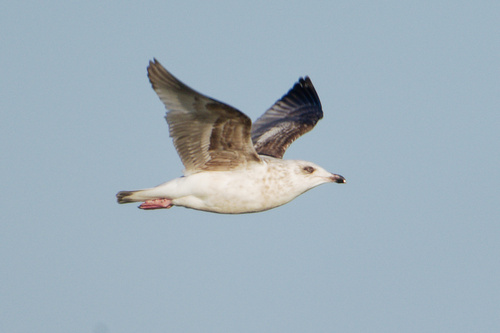
オオセグロカモメ (Larus schistisagus) オオセグロカモメ
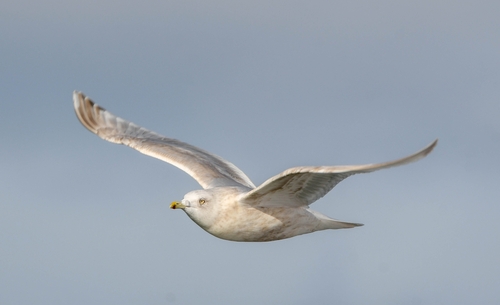
アイスランドカモメ (Larus glaucoides) アイスランドカモメ

メディア

読み込み中…

要点

スレイティーバックカモメとアイスランドカモメを区別する最も信頼できるフィールドマークは、成鳥の翼のパターンです:スレイティーバックは特徴的な「真珠のひも」を示し—中羽に大きな白い三日月の列と広い白い後縁がある—一方、成鳥のアイスランドカモメは非常に淡い翼を持ち、黒がなく、これらの大胆なマークが欠けています。未熟な鳥はより難しいですが、スレイティーバックはずんぐりしており、ぽっこりした腹を持ち、短いピンクの脚を持っていますが、アイスランドカモメはスリムで翼が長いです。くちばしの色と構造も役立ちます:スレイティーバックのくちばしは太く、成鳥では黄色で赤い斑点があります;アイスランドのくちばしは細く、黄緑色です。飛行中または静止中は、色だけに頼る前に、常に独特の翼のパターンと全体の構造を確認してください。

識別のコツ

  1. 成鳥の翼のパターンが鍵:スレイティーバックカモメは「真珠のひも」を示し—中羽に大きな白い三日月—さらに広い白い後縁と外側の中羽に白いミラーがあります。アイスランドカモメの成鳥は翼端に黒がなく、これらの大胆な白いマークが欠けており、翼は淡い灰色で、飛行中はほぼ半透明に見えます。
  2. 未熟な混乱:未熟なスレイティーバックは茶色がかっており、未熟なHerring Gullに似ており、羽毛だけでは未熟なアイスランドカモメから簡単には区別できません。しかし、アイスランドカモメの未熟な個体は一般的に淡い灰色で、より広範囲に暗いくちばしを持ち、ピンクはありませんが、スレイティーバックはやや暗く、ずんぐりしています。
  3. 構造とジズ:スレイティーバックは大きく、より頑丈で、ぽっこりした腹を持ち、短い脚で重い外観をしています。アイスランドカモメはスリムで、翼が長く、止まっている時も飛行中もより優雅です。
  4. くちばしの形と色:成鳥のスレイティーバックは、先端付近にオレンジ赤の斑点がある太い黄色のくちばしを持っています。アイスランドカモメのくちばしは細く、短く、成鳥では黄緑色です;未熟な個体はより広範囲に暗いくちばしを持っています。
  5. 脚の色:スレイティーバックはサイズに対して比較的短いピンクの脚を持っています。アイスランドカモメもピンクがかった脚を持っていますが、全体の体型のために長く見え、よりスリムです。
  6. 目の色と眼窩の皮膚:スレイティーバックの成鳥は紫から深いピンクの眼窩の皮膚を持つ黄色の目を持っています。アイスランドカモメの目の色はあまり特徴的ではなく、主要なフィールドマークではありません。
  7. 背中と肩の色:スレイティーバックの背中と翼はより暗いスレイティーグレーで、アイスランドカモメの淡い灰色の上面よりも明らかに暗いです。
  8. 尾と臀部:両種とも成鳥では白い尾を持っています;これは有用な区別にはなりません。
  9. 飛行スタイル:スレイティーバックは飛行中により重く、浮力が少ないように見えますが、アイスランドカモメは軽く、より優雅です。
  10. 生息地と範囲:北アメリカでは、アイスランドカモメは冬に大西洋と五大湖で見られる可能性がはるかに高く、スレイティーバックは珍しい迷鳥で、主に太平洋沿岸にいます。
  11. 混合群れでのサイズ:他のカモメと一緒に見られた場合、スレイティーバックはアイスランドカモメよりも大きく、ずんぐりしていることが際立ちます。
  12. くちばしの斑点:スレイティーバックのくちばしの赤い副端の斑点は成鳥では目立ちます;アイスランドカモメのくちばしの斑点はあまり目立たず、くちばしはより緑がかっています。
  13. 季節的文脈:両種は冬に最も混同される可能性が高く、未熟な個体が優勢で、両方が混合群れで見られることがあります。
  14. 羽毛の落とし穴:全体の淡さだけに頼らないでください、照明によってスレイティーバックがより淡く見えたり、アイスランドカモメがより暗く見えたりすることがあります。常に翼のパターンと構造を最初に確認してください。
  15. 疑問がある場合:翼のパターン(特に成鳥の場合)、全体の構造、くちばしの形/色の組み合わせに焦点を当ててください。鳥が「真珠のひも」と広い白い後縁を示している場合、それはスレイティーバックです;翼が淡く黒がなく、鳥がスリムであれば、それはアイスランドカモメです。

大きさ

スレイティーバックカモメはアイスランドカモメよりも明らかに大きく、重いです。成鳥は長さ55–68.5 cm、翼幅132–160 cm、質量1.05–1.7 kgです。アイスランドカモメは小さく、軽いです:長さ50–64 cm、翼幅115–150 cm、重量480–1,100 gです。両種が並んでいるときにその違いは最も明らかですが、スレイティーバックは一般的により頑丈に見え、体が太く、脚が短いのに対し、アイスランドカモメは全体的によりスリムで繊細です。

羽色

成鳥の場合、スレイティーバックカモメは暗いスレイティーグレーの背中と翼、広い白い後縁、そして「真珠のひも」—中羽に大きな白い三日月、さらに外側の中羽に白いミラーを持って際立っています。アイスランドカモメの成鳥ははるかに淡く、淡い灰色の上面を持ち、翼端に黒がなく、飛行中はほぼ半透明に見えます。未熟なスレイティーバックカモメは茶色がかっており、未熟なHerring Gullに似ていますが、Great Black-backedよりも淡いです;彼らの未熟な羽毛はアイスランドカモメと比較して特に特徴的ではありません。未熟なアイスランドカモメは非常に淡い灰色で、シロカモメよりも広範囲に暗いくちばしを持ち、ピンクはありません。両種は成鳥の羽毛に達するまでに数年かかりますが、アイスランドカモメの未熟な個体は一般的にスレイティーバックよりも淡く、パターンが少ないです、特に上翼において。

行動

両種は行動において典型的なLarusカモメであり、しばしば海岸やゴミ捨て場でのんびりしたり、スカベンジングしたり、採餌したりしているのが見られます。スレイティーバックはより重そうでぽっこりした腹を持ち、しばしばやや背中を丸めた姿勢で短い脚で立っています。アイスランドカモメはより優雅でスリムで、軽く、より浮力のある飛行スタイルを持っています。両種は機会主義的であり、特に冬には混合カモメの群れで見られることがあります。

生息環境

スレイティーバックカモメは北東パレアクティック海岸で繁殖し、冬には広くさまよい、しばしば太平洋沿岸、港、時には内陸で見られます。アイスランドカモメは北極カナダとグリーンランドで繁殖し、北大西洋の海岸で冬を過ごし、時には五大湖まで内陸に入ります。北アメリカでは、スレイティーバックは珍しく、通常は迷鳥ですが、アイスランドカモメは北東部と五大湖での定期的な冬の訪問者です。両種は沿岸地域によく出没しますが、地域の豊富さと文脈が役立つことがあります:アイスランドカモメは大西洋で見られる可能性がはるかに高く、スレイティーバックは太平洋で見られます。

より良い説明を送る

比較と同じ項目を使ってください。文章はすぐに公開されます。

The most reliable field mark to separate Slaty-backed Gull from Iceland Gull is the adult wing pattern: Slaty-backed shows a distinctive 'string of pearls'—a row of large white crescents on the mid-primaries and a broad white trailing edge—while adult Iceland Gulls have very pale wings with no black and lack these bold markings. Immature birds are trickier, but Slaty-backed is bulkier and pot-bellied with shorter pink legs, while Iceland Gull is slimmer and longer-winged. Bill color and structure also help: Slaty-backed's bill is stouter and yellow with a red spot in adults; Iceland's is thinner and yellowish-green. In flight or at rest, always check for the unique wing pattern and overall structure before relying on color alone.

  1. Adult wing pattern is key: Slaty-backed Gull shows a 'string of pearls'—large white crescents on the mid-primaries—plus a broad white trailing edge and white mirrors on the outer primaries. Iceland Gull adults have no black in the wingtips and lack these bold white markings; their wings are pale gray and look almost translucent in flight.
  2. Immature confusion: Immature Slaty-backed is brownish and similar to immature Herring Gull, not easily separated from immature Iceland Gull by plumage alone. However, Iceland Gull immatures are generally paler gray, with a more extensively dark bill and no pink, while Slaty-backed is slightly darker and bulkier.
  3. Structure and jizz: Slaty-backed is larger, more robust, and pot-bellied with a shorter-legged, heavier appearance. Iceland Gull is slimmer, longer-winged, and more graceful both perched and in flight.
  4. Bill shape and color: Adult Slaty-backed has a stout yellow bill with an orange-red spot near the tip. Iceland Gull's bill is thinner, shorter, and yellowish-green in adults; immatures have a more extensively dark bill.
  5. Leg color: Slaty-backed has pink legs that are relatively short for its size. Iceland Gull also has pinkish legs, but they appear longer and more slender due to the bird's overall build.
  6. Eye color and orbital skin: Slaty-backed adults have yellow eyes with purple to deep pink orbital skin. Iceland Gull's eye color is less distinctive and not a primary field mark.
  7. Back and mantle color: Slaty-backed's back and wings are a darker slaty-gray, noticeably darker than Iceland Gull's pale gray upperparts.
  8. Tail and rump: Both species have white tails in adults; this is not a useful separator.
  9. Flight style: Slaty-backed appears heavier and less buoyant in flight, while Iceland Gull is lighter and more graceful.
  10. Habitat and range: In North America, Iceland Gull is far more likely in the Atlantic and Great Lakes in winter, while Slaty-backed is a rare vagrant, mostly on the Pacific coast.
  11. Size in mixed flocks: If seen with other gulls, Slaty-backed will stand out as larger and bulkier than Iceland Gull.
  12. Bill spot: The red subterminal spot on Slaty-backed's bill is prominent in adults; Iceland Gull's bill spot is less obvious and the bill is greener.
  13. Seasonal context: Both species are most likely to be confused in winter, when immatures predominate and both can be found in mixed flocks.
  14. Plumage pitfalls: Do not rely on overall paleness alone, as lighting can make Slaty-backed appear paler or Iceland Gull darker. Always check wing pattern and structure first.
  15. When in doubt: Focus on the combination of wing pattern (especially in adults), overall structure, and bill shape/color. If the bird shows a 'string of pearls' and a broad white trailing edge, it's Slaty-backed; if the wings are pale with no black and the bird is slim, it's Iceland Gull.

Slaty-backed Gull is noticeably larger and heavier than Iceland Gull. Adults measure 55–68.5 cm in length, with a wingspan of 132–160 cm and a mass of 1.05–1.7 kg. Iceland Gull is smaller and lighter: 50–64 cm long, 115–150 cm wingspan, and 480–1,100 g in weight. The difference is most obvious when both species are side by side, but Slaty-backed generally appears more robust, with a stouter body and shorter legs, while Iceland Gull is more slender and delicate overall.

For adults, Slaty-backed Gull stands out with its dark slaty-gray back and wings, broad white trailing edge, and a 'string of pearls'—large white crescents on the mid-primaries, plus white mirrors on the outer primaries. Iceland Gull adults are much paler, with pale gray upperparts and no black in the wingtips; their wings appear almost translucent in flight. Immature Slaty-backed Gulls are brownish and resemble immature Herring Gulls, but are paler than Great Black-backed; their immature plumage is not distinctive compared to Iceland Gull. Immature Iceland Gulls are very pale gray, with a more extensively dark bill than Glaucous Gull, and lack any pink. Both species take several years to reach adult plumage, but Iceland Gull immatures are generally paler and less patterned than Slaty-backed, especially on the upperwing.

Both species are typical Larus gulls in behavior, often seen loafing, scavenging, or foraging along coasts and at dumps. Slaty-backed tends to appear more heavyset and pot-bellied, often standing with a slightly hunched posture and shorter legs. Iceland Gull is more graceful and slender, with a lighter, more buoyant flight style. Both species are opportunistic and may be found in mixed gull flocks, especially in winter.

Slaty-backed Gull breeds on the northeastern Palearctic coast and wanders widely in winter, often found along Pacific coasts, harbors, and sometimes inland. Iceland Gull breeds in Arctic Canada and Greenland, wintering along the North Atlantic coasts and sometimes inland to the Great Lakes. In North America, Slaty-backed is rare and usually a vagrant, while Iceland Gull is a regular winter visitor in the northeast and Great Lakes. Both species frequent coastal areas, but local abundance and context can help: Iceland Gull is far more likely in the Atlantic, Slaty-backed on the Pacific.

変更を破棄しますか?

保存していない編集があります。今離れると失われます。

オオセグロカモメ · アイスランドカモメ · 苦手な鳥