

Motmot

タカサゴダカ 対 アフリカツミ

Tachyspiza badia 対 Tachyspiza minulla

タカサゴダカとアフリカツミのクイズ
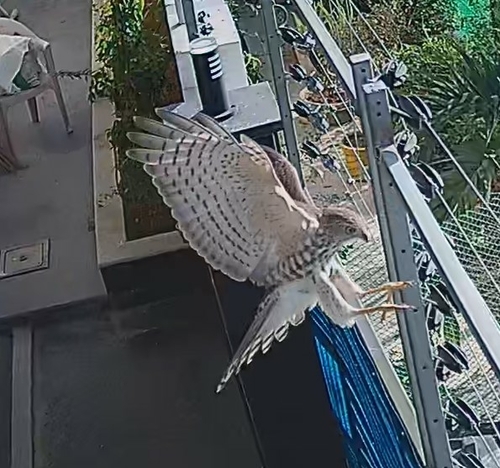
タカサゴダカ (Tachyspiza badia) タカサゴダカ
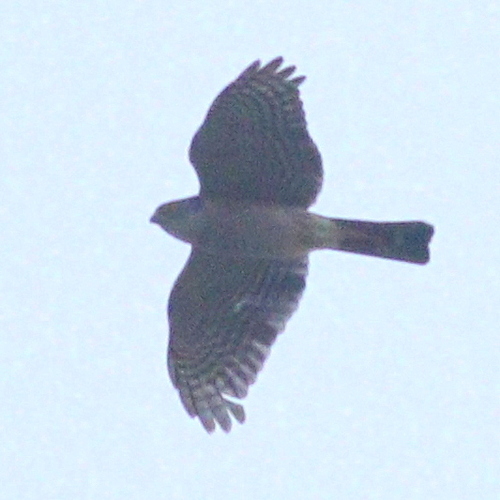
アフリカツミ (Tachyspiza minulla) アフリカツミ

メディア

読み込み中…

要点

シカラとアフリカツミを区別する最も信頼できるフィールドマークは、アフリカツミの中央尾羽の裏側にある2つの明確な白い斑点と狭い白い下部尾羽の斑点の存在です。これらの特徴はシカラにはありません。幼鳥の羽毛も診断的です:幼鳥のアフリカツミは下部に斑点があり、上面は淡い先端を持っていますが、幼鳥のシカラは上胸に筋状/斑点があり、翼と尾はより狭い横縞があります。シカラはやや大きく、尾が長く、成鳥のオスは赤い虹彩を示します(アフリカツミは深い黄色)。両種は下部に細かい赤褐色の横縞がありますが、アフリカツミのオスは上面がより暗く、より鮮明にマーキングされています。飛行中または止まっているときは、最も信頼できる区別のために尾のパターン、虹彩の色、および全体のサイズに焦点を当ててください。

識別のコツ

  1. 尾のパターン(すべての年齢): アフリカツミは常に中央尾羽の裏側に2つの明確な白い斑点と狭い白い下部尾羽の斑点を示しますが、シカラはこれを示しません。
  2. 幼鳥の下部: 幼鳥のアフリカツミは下部に斑点があり、全体的に茶色で、上面は淡い先端を持っています;幼鳥のシカラは上胸に筋状/斑点があり、翼と尾は狭い横縞があります。
  3. 成鳥オスの上面: アフリカツミのオスは上面が暗灰色(ほぼ黒)で、頬にこの色が広がり、白い喉と鮮明に対照的です;シカラのオスは上面が淡い灰色で、顔の対照が少ないです。
  4. 成鳥メスの上面: アフリカツミのメスは上面が茶色で、下部は茶色で、あまり細かい横縞がありません;シカラのメスは上面が茶色がかっており、下部はより重い横縞があります。
  5. 虹彩の色(成鳥): 成鳥のオスのシカラは赤い虹彩を持ち、アフリカツミは深い黄色の目を持っています(幼鳥は茶色)。シカラのメスはあまり赤くない(黄橙色の)虹彩を持っています。
  6. 尾羽の斑点: 狭い白い下部尾羽の斑点はアフリカツミに特有で、飛行中または尾を広げて止まっているときに見えます。
  7. サイズと構造: シカラはやや大きく、より頑丈で、比例的に長くて狭い尾を持っています。アフリカツミは明らかに小さく、より繊細です。
  8. 喉の縞: シカラは狭い暗い中喉の縞を持っています;アフリカツミの喉は清潔な白で、オスの暗い頬と鮮明に対照的です。
  9. 下部の横縞: 両種は下部に細かい赤褐色の横縞がありますが、アフリカツミのオスの横縞はより細かく、より鮮明に定義されています;アフリカツミのメスの横縞はオスよりも茶色がかっており、あまり細かくありません。
  10. 脚と頭部の色: アフリカツミは黄色の脚と頭部を持っています(幼鳥は頭部が黄緑がかっています);シカラの頭部と脚の色はこれらのメモでは診断的ではありません。
  11. 飛行の特徴: 両種は短く丸い翼と長い尾を持っていますが、シカラの尾はあまり明確にマーキングされておらず、飛行中はより長く狭く見えます。
  12. 生息地の文脈: アジアや都市/農地の環境では、シカラの方がはるかに可能性が高いです;アフリカの森林や森林の端では、アフリカツミが可能です。
  13. 鳴き声: シカラの鳴き声のみが記載されています;飛行中の2音の「ピーウィー」または鋭い「キキキ」はシカラを示すかもしれませんが、鳴き声の不在は診断的ではありません。
  14. 止まっている姿勢: 両種は直立して止まりますが、アフリカツミの小さなサイズと白い尾羽の斑点は、尾を少し広げて止まっているときに見えるかもしれません。
  15. 落とし穴: 下部の細かい赤褐色の横縞が重なり、全体的な形が似ているため、特に光が悪い場合や急速な飛行の視界では混乱を招く可能性があります;最良の区別のためには、尾の斑点、尾羽の斑点、および虹彩の色に焦点を当ててください。

大きさ

シカラはやや大きく、全長26〜30 cmで、アフリカツミは23〜27 cmです。シカラはまた、やや頑丈で、比例的に長くてやや狭い尾を持っています。両種は小型のタカですが、シカラは一般的により頑丈で、翼が長く見えます、特に直接比較した場合。アフリカツミは最小のタカスピザであり、その繊細な体型は両者が一緒に見られるときに目立ちます。

羽色

幼鳥の羽毛は重要な区別要因です:幼鳥のアフリカツミは全体的に茶色で、上面の羽毛は淡い先端を持ち、下部には斑点があります(横縞ではありません);彼らの尾羽は先端のみが白です。対照的に、幼鳥のシカラは上胸に暗い筋状と斑点を示し、狭い横縞のある翼と狭い暗い帯のある尾を持っています。成鳥のオスのアフリカツミは暗灰色(ほぼ黒)の上面を持ち、頬に広がり、白い喉と細かい赤褐色の横縞と鮮明に対照的です。成鳥のオスのシカラは灰色の上面、狭い暗い喉の縞、細かい赤褐色の横縞を持っていますが、強い頬の対照と白い尾羽の斑点が欠けています。アフリカツミのメスは上面が茶色で、下部は茶色で、あまり細かい横縞がありませんが、シカラのメスは上面が茶色がかっており、下部はより重い横縞があります。中央尾羽の裏側にある診断的な白い斑点と狭い白い下部尾羽の斑点は、すべての年齢のアフリカツミに特有です。目の色も異なります:成鳥のオスのシカラは赤い虹彩を持ち、アフリカツミは深い黄色の目を持っています(幼鳥は茶色)。

行動

両種は典型的なフラップ・アンド・グライドの飛行を持つ敏捷で速く飛ぶタカです。シカラはしばしば単独またはペアで見られ、繁殖期には時々サーマルで上昇し、互いにディスプレイで急降下することで知られています。アフリカツミの行動はメモにあまり詳細がありませんが、最小のタカスピザとして、密な森林や茂みの中でさらに敏捷で速い可能性があります。シカラは地面に降りて昆虫や死骸を食べることがあり、その存在はしばしば小鳥や哺乳類を驚かせます。

生息環境

シカラは非常に適応力があり、アジアとアフリカの森林、農地、都市地域に見られます。アフリカツミはアフロトロピカルで、森林や森林の端の生息地を好みます。両者は森林環境に出現する可能性がありますが、シカラは開けた国や都市環境でより可能性が高く、アフリカツミはアフリカの森林や森林の端により制限されています。

声

シカラの鳴き声は2音の「ピーウィー」で、最初の音は高く、2番目の音は長いです;飛行中には短く鋭い「キキキ... キキキ」と鳴きます。これらのメモにはアフリカツミの鳴き声の詳細は提供されていないため、声はここでは信頼できる区別要因ではありません。

より良い説明を送る

比較と同じ項目を使ってください。文章はすぐに公開されます。

The most reliable field mark to separate Shikra from Little Sparrowhawk is the presence of two distinct white spots on the underside of the central tail feathers and a narrow white lower rump patch in Little Sparrowhawk—features absent in Shikra. Juvenile plumage is also diagnostic: juvenile Little Sparrowhawks are spotted below and have pale-tipped upperparts, while juvenile Shikras show streaks/spots on the upper breast and more narrowly barred wings and tail. Shikra is slightly larger and longer-tailed, with adult males showing a red iris (versus deep yellow in Little Sparrowhawk). Both species have fine rufous barring below, but the Little Sparrowhawk male is darker above and more sharply marked. In flight or perched, focus on tail pattern, iris color, and overall size for the most reliable separation.

  1. Tail pattern (all ages): Little Sparrowhawk always shows two distinct white spots on the underside of the central tail feathers and a narrow white lower rump patch—Shikra never shows these.
  2. Juvenile underparts: Juvenile Little Sparrowhawk is spotted below and browner overall, with pale-tipped upperparts; juvenile Shikra is streaked/spotted on the upper breast with narrowly barred wings and tail.
  3. Adult male upperparts: Little Sparrowhawk male is dark grey (almost black) above, with this color extending onto the cheeks and sharply contrasting with the white throat; Shikra male is paler grey above, with a less contrasting face.
  4. Adult female upperparts: Female Little Sparrowhawk is browner above and has browner, less fine barring below; female Shikra is brownish above with heavier barring below.
  5. Iris color (adults): Adult male Shikra has a red iris; Little Sparrowhawk has deep yellow eyes (brown in juveniles). Female Shikra has a less red (yellowish orange) iris.
  6. Rump patch: The narrow white lower rump patch is unique to Little Sparrowhawk and visible in flight or when perched with tail spread.
  7. Size and structure: Shikra is slightly larger and bulkier, with a proportionally longer and narrower tail. Little Sparrowhawk is noticeably smaller and more delicate.
  8. Throat stripe: Shikra has a narrow dark mesial throat stripe; Little Sparrowhawk's throat is clean white, sharply contrasting with the dark cheeks in males.
  9. Underpart barring: Both species have fine rufous barring below, but Little Sparrowhawk male's barring is finer and more sharply defined; female Little Sparrowhawk's barring is browner and less fine than the male.
  10. Leg and cere color: Little Sparrowhawk has yellow legs and cere (cere yellowish-green in juveniles); Shikra's cere and leg color are not diagnostic in these notes.
  11. Flight jizz: Both species have short, rounded wings and long tails, but Shikra's tail is less distinctly marked and appears longer and narrower in flight.
  12. Habitat context: In Asia or urban/farmland settings, Shikra is far more likely; in African woodland or forest edge, Little Sparrowhawk is possible.
  13. Vocalization: Only Shikra's call is described; a two-note 'pee-wee' or sharp 'kik-ki' in flight may indicate Shikra, but absence of vocalization is not diagnostic.
  14. Perched posture: Both species perch upright, but Little Sparrowhawk's smaller size and white rump patch may be visible when perched with tail slightly fanned.
  15. Pitfalls: Overlapping fine rufous barring below and similar overall shape can confuse, especially in poor light or quick flight views; focus on tail spots, rump patch, and iris color for best separation.

Shikra is slightly larger, measuring 26–30 cm in length, while Little Sparrowhawk is 23–27 cm long. Shikra is also a bit more robust, with a proportionally longer and somewhat narrower tail. Both species are small accipiters, but Shikra generally appears bulkier and longer-winged, especially in direct comparison. The Little Sparrowhawk is the smallest Tachyspiza, and its daintier build is noticeable if both are seen together.

Juvenile plumage is a key separator: juvenile Little Sparrowhawks are browner overall, with pale tips to upperpart feathers and spotting (not barring) below; their rump feathers have only the tips white. Juvenile Shikras, in contrast, show dark streaks and spots on the upper breast, narrowly barred wings, and a tail with narrow dark bands. Adult male Little Sparrowhawks have dark grey (almost black) upperparts extending onto the cheeks, sharply contrasting with the white throat and fine rufous barring below. Adult male Shikras have grey upperparts, a narrow dark throat stripe, and fine rufous barring below, but lack the strong cheek contrast and white rump patch. Female Little Sparrowhawks are browner above and have browner, less fine barring below, while female Shikras are brownish above with heavier barring below. The diagnostic white spots on the underside of the central tail feathers and the narrow white lower rump patch are unique to Little Sparrowhawk of all ages. Eye color also differs: adult male Shikra has a red iris, while Little Sparrowhawk has deep yellow eyes (brown in juveniles).

Both species are agile, fast-flying accipiters with typical flap-and-glide flight. Shikra is often seen singly or in pairs, sometimes soaring on thermals during breeding season, and is known for stooping at each other in display. Little Sparrowhawk behavior is less detailed in the notes, but as the smallest Tachyspiza, it is likely even more agile and quick in close woodland or bush. Shikra may descend to the ground to feed on insects or carrion, and its presence often alarms small birds and mammals.

Shikra is highly adaptable, found in forests, farmland, and urban areas across Asia and Africa. Little Sparrowhawk is Afrotropical and favors woodland and forest edge habitats. While both can occur in wooded environments, Shikra is more likely in open country and urban settings, whereas Little Sparrowhawk is more restricted to African woodland and forest edge.

Shikra's call is a two-note 'pee-wee', with the first note higher and the second longer; in flight, it gives shorter, sharper 'kik-ki... kik-ki' calls. No vocalization details are provided for Little Sparrowhawk in these notes, so voice is not a reliable separator here.

変更を破棄しますか?

保存していない編集があります。今離れると失われます。

タカサゴダカ · アフリカツミ · 苦手な鳥