

Gavilán Chikra vs Gavilán Chico
Tachyspiza badia frente a Tachyspiza minulla
Juega un quiz con Gavilán Chikra y Gavilán Chico
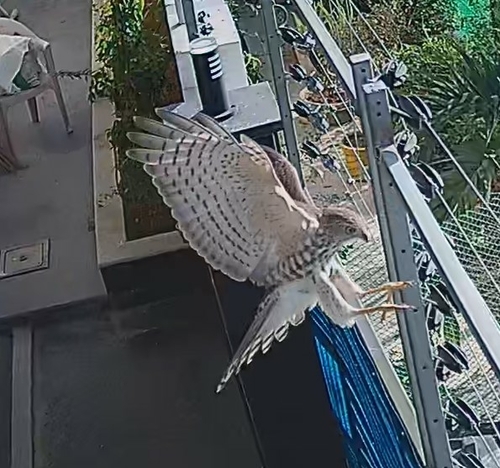 Gavilán Chikra
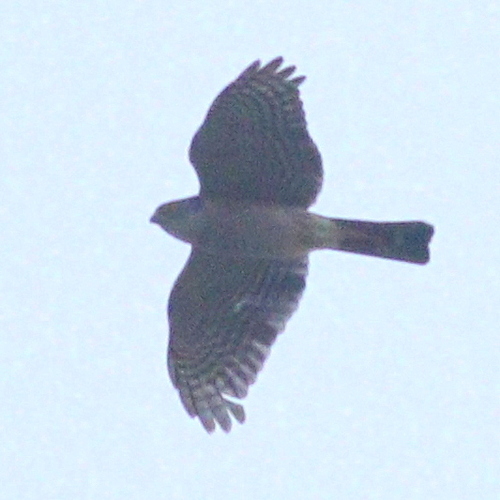 Gavilán Chico
En breve
La marca de campo más confiable para separar al Gavilán Chikra del Gavilán Chico es la presencia de dos manchas blancas distintas en la parte inferior de las plumas de la cola central y un parche blanco estrecho en la parte inferior de la rabadilla en el Gavilán Chico, características ausentes en el Gavilán Chikra. El plumaje juvenil también es diagnóstico: los Gavilán Chico juveniles tienen manchas en la parte inferior y tienen partes superiores con puntas pálidas, mientras que los Gavilán Chikra juveniles muestran rayas/manchas en el pecho superior y alas y cola más estrechamente barradas. El Gavilán Chikra es ligeramente más grande y tiene una cola más larga, con los machos adultos mostrando un iris rojo (frente al amarillo profundo en el Gavilán Chico). Ambas especies tienen finas barras rufo en la parte inferior, pero el macho de Gavilán Chico es más oscuro en la parte superior y tiene marcas más definidas. En vuelo o posado, concéntrate en el patrón de la cola, el color del iris y el tamaño general para la separación más confiable.
Consejos de identificación
- Patrón de la cola (todas las edades): El Gavilán Chico siempre muestra dos manchas blancas distintas en la parte inferior de las plumas de la cola central y un parche blanco estrecho en la parte inferior de la rabadilla; el Gavilán Chikra nunca muestra esto.
- Partes inferiores juveniles: El Gavilán Chico juvenil tiene manchas en la parte inferior y es más marrón en general, con partes superiores con puntas pálidas; el Gavilán Chikra juvenil tiene rayas/manchas en el pecho superior con alas y cola estrechamente barradas.
- Partes superiores del macho adulto: El macho de Gavilán Chico es gris oscuro (casi negro) en la parte superior, con este color extendiéndose a las mejillas y contrastando marcadamente con la garganta blanca; el macho de Gavilán Chikra es gris más claro en la parte superior, con una cara menos contrastante.
- Partes superiores de la hembra adulta: La hembra de Gavilán Chico es más marrón en la parte superior y tiene barras más marrones y menos finas en la parte inferior; la hembra de Gavilán Chikra es marrón en la parte superior con barras más pesadas en la parte inferior.
- Color del iris (adultos): El macho adulto de Gavilán Chikra tiene un iris rojo; el Gavilán Chico tiene ojos de un amarillo profundo (marrón en juveniles). La hembra de Gavilán Chikra tiene un iris menos rojo (amarillo anaranjado).
- Parche de la rabadilla: El parche blanco estrecho en la parte inferior de la rabadilla es único del Gavilán Chico y es visible en vuelo o cuando está posado con la cola extendida.
- Tamaño y estructura: El Gavilán Chikra es ligeramente más grande y robusto, con una cola proporcionalmente más larga y estrecha. El Gavilán Chico es notablemente más pequeño y más delicado.
- Franja de la garganta: El Gavilán Chikra tiene una franja mesial oscura estrecha en la garganta; la garganta del Gavilán Chico es blanca limpia, contrastando marcadamente con las mejillas oscuras en los machos.
- Barrado de las partes inferiores: Ambas especies tienen finas barras rufo en la parte inferior, pero el barrado del macho de Gavilán Chico es más fino y más definido; el barrado de la hembra de Gavilán Chico es más marrón y menos fino que el del macho.
- Color de las patas y el cere: El Gavilán Chico tiene patas y cere amarillas (cere amarillenta-verde en juveniles); el color del cere y las patas del Gavilán Chikra no son diagnósticos en estas notas.
- Vuelo: Ambas especies tienen alas cortas y redondeadas y colas largas, pero la cola del Gavilán Chikra está menos marcada y parece más larga y estrecha en vuelo.
- Contexto de hábitat: En Asia o en entornos urbanos/campestres, el Gavilán Chikra es mucho más probable; en el bosque o borde de bosque africano, el Gavilán Chico es posible.
- Vocalización: Solo se describe el llamado del Gavilán Chikra; un 'pee-wee' de dos notas o un agudo 'kik-ki' en vuelo puede indicar Gavilán Chikra, pero la ausencia de vocalización no es diagnóstica.
- Postura posada: Ambas especies se posan erguidas, pero el tamaño más pequeño del Gavilán Chico y su parche blanco en la rabadilla pueden ser visibles cuando están posados con la cola ligeramente abierta.
- Trampas: El barrado rufo fino superpuesto en la parte inferior y la forma general similar pueden confundir, especialmente en luz pobre o vistas rápidas en vuelo; concéntrate en las manchas de la cola, el parche de la rabadilla y el color del iris para la mejor separación.
Tamaño
El Gavilán Chikra es ligeramente más grande, midiendo 26–30 cm de longitud, mientras que el Gavilán Chico mide 23–27 cm de largo. El Gavilán Chikra también es un poco más robusto, con una cola proporcionalmente más larga y algo más estrecha. Ambas especies son pequeños accipiter, pero el Gavilán Chikra generalmente parece más robusto y con alas más largas, especialmente en comparación directa. El Gavilán Chico es el más pequeño de los Tachyspiza, y su construcción más delicada es notable si ambos se ven juntos.
Plumaje
El plumaje juvenil es un separador clave: los Gavilán Chico juveniles son más marrones en general, con puntas pálidas en las plumas de las partes superiores y manchas (no barras) en la parte inferior; sus plumas de la rabadilla tienen solo las puntas blancas. Los Gavilán Chikra juveniles, en contraste, muestran rayas oscuras y manchas en el pecho superior, alas estrechamente barradas y una cola con bandas oscuras estrechas. Los machos adultos de Gavilán Chico tienen partes superiores gris oscuro (casi negro) que se extienden a las mejillas, contrastando marcadamente con la garganta blanca y el fino barrado rufo en la parte inferior. Los machos adultos de Gavilán Chikra tienen partes superiores grises, una franja oscura estrecha en la garganta y un fino barrado rufo en la parte inferior, pero carecen del fuerte contraste en las mejillas y el parche blanco en la rabadilla. Las hembras de Gavilán Chico son más marrones en la parte superior y tienen un barrado más marrón y menos fino en la parte inferior, mientras que las hembras de Gavilán Chikra son marrones en la parte superior con un barrado más pesado en la parte inferior. Las manchas blancas diagnósticas en la parte inferior de las plumas de la cola central y el parche blanco estrecho en la parte inferior de la rabadilla son únicos del Gavilán Chico de todas las edades. El color de los ojos también difiere: el macho adulto de Gavilán Chikra tiene un iris rojo, mientras que el Gavilán Chico tiene ojos de un amarillo profundo (marrón en juveniles).
Comportamiento
Ambas especies son accipiter ágiles y de vuelo rápido con un vuelo típico de aleteo y planeo. El Gavilán Chikra a menudo se ve solo o en parejas, a veces planeando en térmicas durante la temporada de cría, y es conocido por lanzarse uno al otro en exhibición. El comportamiento del Gavilán Chico está menos detallado en las notas, pero como el más pequeño de los Tachyspiza, es probable que sea aún más ágil y rápido en el bosque o arbustos cercanos. El Gavilán Chikra puede descender al suelo para alimentarse de insectos o carroña, y su presencia a menudo alarma a pequeños pájaros y mamíferos.
Hábitat
El Gavilán Chikra es altamente adaptable, encontrado en bosques, tierras agrícolas y áreas urbanas a través de Asia y África. El Gavilán Chico es afrotropical y prefiere hábitats de bosque y borde de bosque. Aunque ambas especies pueden ocurrir en entornos boscosos, el Gavilán Chikra es más probable en campos abiertos y entornos urbanos, mientras que el Gavilán Chico está más restringido a los bosques y bordes de bosque africanos.
Voz
El llamado del Gavilán Chikra es un 'pee-wee' de dos notas, con la primera nota más alta y la segunda más larga; en vuelo, emite llamados más cortos y agudos 'kik-ki... kik-ki'. No se proporcionan detalles de vocalización para el Gavilán Chico en estas notas, por lo que la voz no es un separador confiable aquí.