

Motmot

セミドリヒメムシクイ 対 チャボウシヒメムシクイ

Eremomela pusilla 対 Eremomela badiceps

セミドリヒメムシクイとチャボウシヒメムシクイのクイズ
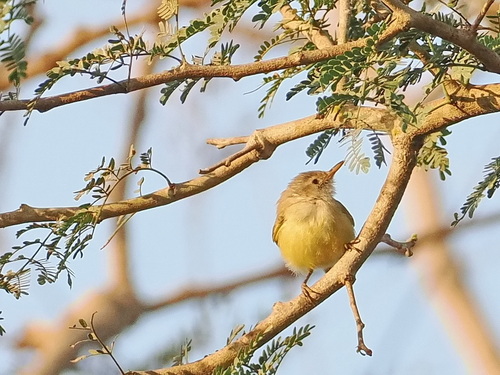
セミドリヒメムシクイ (Eremomela pusilla) セミドリヒメムシクイ
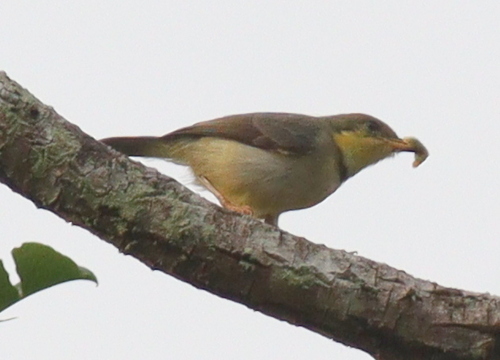
チャボウシヒメムシクイ (Eremomela badiceps) チャボウシヒメムシクイ

メディア

読み込み中…

要点

セミドリヒメムシクイとチャボウシヒメムシクイを区別する最も信頼できる方法は、頭部と腹部の色です:セミドリヒメムシクイは淡い茶色がかった灰色の頭を持ち、明確な淡い眉斑と目を引く白からレモンイエローの腹部があります。一方、チャボウシヒメムシクイは赤褐色の冠を持ち、明るい黄色の腹部がありません。セミドリヒメムシクイは緑がかった背中と尾羽を示し、チャボウシヒメムシクイに期待されるより均一な色調と対照的です。生息地も重要な手がかりです:セミドリヒメムシクイはサバンナを好み、チャボウシヒメムシクイは熱帯雨林の鳥です。密な森林で赤褐色の冠を持つ小さなヒメムシクイを見た場合、ほぼ確実にチャボウシヒメムシクイです;淡い頭と黄色の腹部を持つ開けたサバンナでは、セミドリヒメムシクイです。

識別のコツ

  1. Head color: セミドリヒメムシクイは淡い茶色がかった灰色の頭を持ち、淡い白の眉斑があります;チャボウシヒメムシクイは特徴的な赤褐色の冠を持っています。これは良い光と近くの視界で最も明白な違いです。
  2. Supercilium: セミドリヒメムシクイは明確な淡い眉斑を示し、チャボウシヒメムシクイには言及されておらず、存在しないか、はるかに目立たない可能性があります。
  3. Back and rump: セミドリヒメムシクイは緑の背中とマントルを持ち、より明るい黄色がかった緑の尾羽があります。チャボウシヒメムシクイはこの緑の色合いがなく、上面はより均一な色合いです。
  4. Underparts: セミドリヒメムシクイの喉と上胸は白で、下胸、腹部、肛門は明るいレモンイエローです。チャボウシヒメムシクイはこの強い黄色の色合いを下部に示しません。
  5. Bill and legs: セミドリヒメムシクイは黒っぽいくちばしを持ち、淡い下顎と淡い茶色の脚があります。チャボウシヒメムシクイのくちばしと脚の色は記載されていないため、区別には信頼できません。
  6. Size: 両方とも非常に小さな鳥であり、サイズは現場での有用な区別要因ではありません。
  7. Habitat: セミドリヒメムシクイはサバンナの種であり、チャボウシヒメムシクイは熱帯雨林の専門家です。開けた国にいる場合はセミドリヒメムシクイを期待し、密な森林ではチャボウシヒメムシクイを期待してください。
  8. Geographic range: セミドリヒメムシクイは西部サハラ以南アフリカのサバンナに生息し、チャボウシヒメムシクイはアフリカの熱帯雨林に広く分布しています。生息地の好みにより重複は最小限です。
  9. No age-specific or wing pattern marks: これらの種において、幼鳥や未熟な羽毛、または翼のパターンにおける違いは記載されていません。成鳥が主な参考です。
  10. Sexes similar: どちらの種にも性差は記載されていないため、雄と雌は現場で区別できません。
  11. Behavior: 両方の種は活発で餌を探し、葉の中で活動しますが、行動は診断的ではありません。
  12. Voice: 利用可能なメモには音声の違いが記載されていないため、呼び声や歌に頼って区別しないでください。
  13. Context: 確信が持てない場合は、頭部の色、腹部の色、生息地の組み合わせを主な手がかりとして使用してください。
  14. Pitfalls: 光が悪い場合や遠くからの視界では、頭部と腹部の色が隠れることがあります。特に生息地と頭部のパターンを確認するために、常に複数の特徴で確認してください。
  15. When marks fail: 冠や腹部がはっきり見えない場合は、生息地と範囲を二次的な手がかりとして頼りにしてくださいが、漂流や生息地の境界の可能性に注意してください。

大きさ

セミドリヒメムシクイは非常に小さな鳥で、体重は約6.2gです [wikidata]。チャボウシヒメムシクイの直接的な体重データはありませんが、両方とも小さなヒメムシクイであり、サイズはおそらく似ています。サイズはこれら二つの間で信頼できるフィールドマークではありません。

羽色

成鳥のセミドリヒメムシクイは淡い茶色がかった灰色の頭を持ち、淡い白の眉斑、緑の背中とマントル、明るい黄色がかった緑の尾羽を示します。喉と上胸は白で、下胸、腹部、肛門は明るいレモンイエローに移行します。くちばしは黒っぽく、淡い下顎を持ち、脚は淡い茶色がかった色です。対照的に、チャボウシヒメムシクイは赤褐色の冠に名付けられており、これは主な頭部の特徴であり、セミドリヒメムシクイの緑の背中と黄色の腹部がありません。残りの羽毛はより均一で、セミドリヒメムシクイに見られる強い色のコントラストが欠けています。どちらの種にも年齢特有の羽毛や翼のパターンのマークは記載されていないため、成鳥の羽毛が主な区別要因です。

行動

両方の種は活発で、小さな昆虫食性であり、ヒメムシクイに典型的ですが、利用可能なメモにはその行動が診断的であるとは記載されていません。両方とも小さな群れで餌を探し、葉の中を落ち着きなく移動することがありますが、これは彼らを区別する信頼できる方法ではありません。

生息環境

生息地は強力な区別要因です:セミドリヒメムシクイは西部サハラ以南アフリカのサバンナに生息し、開けた草地や軽く木が生えた地域を好みます。チャボウシヒメムシクイはアフリカの熱帯雨林に限定されており、密で湿った森林環境に生息しています。自分の位置と生息地を知っていれば、これは決定的な手がかりとなることがあります。

より良い説明を送る

比較と同じ項目を使ってください。文章はすぐに公開されます。

The most reliable way to separate Senegal Eremomela from Rufous-crowned Eremomela is by head and underpart color: Senegal has a pale brownish-grey head with a distinct pale supercilium and a striking white-to-lemon yellow belly, while Rufous-crowned has a rufous (reddish-brown) crown and lacks the bright yellow underparts. Senegal Eremomela also shows a greenish back and rump, contrasting with the more uniform tones expected in Rufous-crowned. Habitat is a strong clue: Senegal favors savanna, Rufous-crowned is a rainforest bird. If you see a small eremomela with a rufous crown in dense forest, it's almost certainly Rufous-crowned; in open savanna with a pale head and yellow belly, it's Senegal.

  1. Head color: Senegal Eremomela has a pale brownish-grey head with a pale white supercilium; Rufous-crowned Eremomela has a distinctive rufous (reddish-brown) crown. This is the most obvious difference in good light and close views.
  2. Supercilium: Senegal shows a clear pale supercilium (eyebrow), which is not mentioned for Rufous-crowned and is likely absent or much less distinct.
  3. Back and rump: Senegal has a green back and mantle, with a brighter yellowish-green rump. Rufous-crowned lacks this green coloration and is more uniformly colored above.
  4. Underparts: Senegal Eremomela's throat and upper breast are white, with the lower breast, belly, and vent a bright lemon yellow. Rufous-crowned does not show this strong yellow coloration below.
  5. Bill and legs: Senegal has a blackish bill with a pale lower mandible and pale brownish legs. Bill and leg color are not described for Rufous-crowned, so are not reliable for separation.
  6. Size: Both are very small birds; size is not a useful separator in the field.
  7. Habitat: Senegal Eremomela is a savanna species; Rufous-crowned is a rainforest specialist. If you are in open country, expect Senegal; in dense forest, expect Rufous-crowned.
  8. Geographic range: Senegal is found in western Sub-Saharan Africa's savannas; Rufous-crowned is widespread in African tropical rainforest. Overlap is minimal due to habitat preferences.
  9. No age-specific or wing pattern marks: There are no described differences in juvenile or immature plumage, nor in wing pattern, for these species. Adults are the main reference.
  10. Sexes similar: No sexual dimorphism is described for either species, so male and female are not separable in the field.
  11. Behavior: Both species are active and forage in foliage, but behavior is not diagnostic.
  12. Voice: No vocal differences are described in the available notes, so do not rely on calls or song for separation.
  13. Context: If you are unsure, use a combination of head color, underpart color, and habitat as your primary clues.
  14. Pitfalls: Poor light or distant views may obscure the head and underpart colors. Always try to confirm with multiple features, especially habitat and head pattern.
  15. When marks fail: If you cannot see the crown or underparts clearly, rely on habitat and range as secondary clues, but be aware of possible vagrancy or habitat edges.

Senegal Eremomela is a very small bird, with a body mass of about 6.2g [wikidata]. No direct mass data is available for Rufous-crowned Eremomela, but both are small eremomelas and likely similar in size. Size is not a reliable field mark between these two.

Adult Senegal Eremomela shows a pale brownish-grey head with a pale white supercilium, green back and mantle, and a bright yellowish-green rump. The throat and upper breast are white, transitioning to bright lemon yellow on the lower breast, belly, and vent. The bill is blackish with a pale lower mandible, and the legs are pale brownish. In contrast, Rufous-crowned Eremomela is named for its rufous (reddish-brown) crown, which is the key head feature, and lacks the green back and yellow belly of Senegal. The rest of its plumage is more uniform and lacks the strong color contrasts seen in Senegal. No age-specific or wing pattern marks are described for either species, so adult plumage is the main separator.

Both species are active, small insectivores typical of eremomelas, and their behavior is not described as diagnostic in the available notes. Both may forage in small groups and move restlessly through foliage, but this is not a reliable way to separate them.

Habitat is a strong separator: Senegal Eremomela is found in the savannas of western Sub-Saharan Africa, favoring open, grassy or lightly wooded areas. Rufous-crowned Eremomela is restricted to African tropical rainforest, so is found in dense, humid forest environments. If you know your location and habitat, this can be a decisive clue.

変更を破棄しますか?

保存していない編集があります。今離れると失われます。

セミドリヒメムシクイ · チャボウシヒメムシクイ · 苦手な鳥