

Senegal Eremomela vs Rufous-crowned Eremomela
Eremomela pusilla contro Eremomela badiceps
Fai un quiz con Senegal Eremomela e Rufous-crowned Eremomela
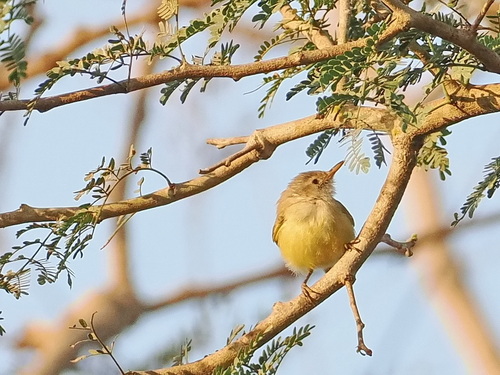 Senegal Eremomela
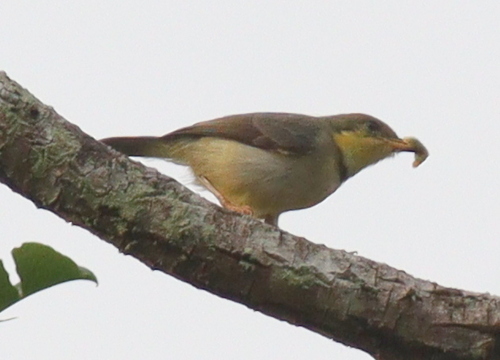 Rufous-crowned Eremomela
In breve
Il modo più affidabile per separare il Senegal Eremomela dal Rufous-crowned Eremomela è il colore della testa e delle parti inferiori: il Senegal ha una testa grigio-bruna chiara con un distintivo sopracciglio pallido e un ventre bianco-giallo limone sorprendente, mentre il Rufous-crowned ha una corona rufosa (marrone-rossiccia) e manca delle parti inferiori gialle brillanti. Il Senegal Eremomela mostra anche una schiena e un sopraccoda verdognoli, in contrasto con i toni più uniformi attesi nel Rufous-crowned. L'habitat è un forte indizio: il Senegal predilige la savana, il Rufous-crowned è un uccello delle foreste pluviali. Se vedi un piccolo eremomela con una corona rufosa in una foresta densa, è quasi certamente un Rufous-crowned; in savana aperta con una testa chiara e un ventre giallo, è Senegal.
Consigli di identificazione
- Head color: Il Senegal Eremomela ha una testa grigio-bruna chiara con un sopracciglio bianco pallido; il Rufous-crowned Eremomela ha una corona rufosa (marrone-rossiccia) distintiva. Questa è la differenza più ovvia in buona luce e in viste ravvicinate.
- Supercilium: Il Senegal mostra un chiaro sopracciglio pallido (sopracciglio), che non è menzionato per il Rufous-crowned ed è probabilmente assente o molto meno distintivo.
- Back and rump: Il Senegal ha una schiena e un mantello verdi, con un sopraccoda giallo-verde più brillante. Il Rufous-crowned manca di questa colorazione verde ed è più uniformemente colorato sopra.
- Underparts: La gola e il petto superiore del Senegal Eremomela sono bianchi, con il petto inferiore, il ventre e il ventriglio di un brillante giallo limone. Il Rufous-crowned non mostra questa forte colorazione gialla sotto.
- Bill and legs: Il Senegal ha un becco nerastro con una mandibola inferiore pallida e zampe grigio-brune. Il colore del becco e delle zampe non è descritto per il Rufous-crowned, quindi non sono affidabili per la separazione.
- Size: Entrambi sono uccelli molto piccoli; la dimensione non è un separatore utile sul campo.
- Habitat: Il Senegal Eremomela è una specie di savana; il Rufous-crowned è uno specialista delle foreste pluviali. Se sei in un paese aperto, aspettati il Senegal; in una foresta densa, aspettati il Rufous-crowned.
- Geographic range: Il Senegal si trova nelle savane dell'Africa subsahariana occidentale; il Rufous-crowned è diffuso nelle foreste pluviali tropicali africane. L'overlap è minimo a causa delle preferenze di habitat.
- No age-specific or wing pattern marks: Non ci sono differenze descritte nel piumaggio giovanile o immaturo, né nel modello delle ali, per queste specie. Gli adulti sono il principale riferimento.
- Sexes similar: Non è descritto dimorfismo sessuale per nessuna delle due specie, quindi maschio e femmina non sono separabili sul campo.
- Behavior: Entrambe le specie sono attive e si nutrono nel fogliame, ma il comportamento non è diagnostico.
- Voice: Non sono descritte differenze vocali nelle note disponibili, quindi non fare affidamento su richiami o canti per la separazione.
- Context: Se non sei sicuro, usa una combinazione di colore della testa, colore delle parti inferiori e habitat come tuoi principali indizi.
- Pitfalls: Luce scarsa o viste distanti possono offuscare i colori della testa e delle parti inferiori. Cerca sempre di confermare con più caratteristiche, specialmente habitat e modello della testa.
- When marks fail: Se non riesci a vedere chiaramente la corona o le parti inferiori, fai affidamento su habitat e distribuzione come indizi secondari, ma sii consapevole della possibile vaganza o dei margini dell'habitat.
Taglia
Il Senegal Eremomela è un uccello molto piccolo, con una massa corporea di circa 6.2g [wikidata]. Non sono disponibili dati diretti sulla massa per il Rufous-crowned Eremomela, ma entrambi sono piccoli eremomelas e probabilmente simili in dimensioni. La dimensione non è un segno affidabile sul campo tra questi due.
Piumaggio
L'adulto Senegal Eremomela mostra una testa grigio-bruna chiara con un sopracciglio bianco pallido, schiena e mantello verdi, e un sopraccoda giallo-verde brillante. La gola e il petto superiore sono bianchi, che si trasformano in un brillante giallo limone sul petto inferiore, ventre e ventriglio. Il becco è nerastro con una mandibola inferiore pallida, e le zampe sono grigio-brune. Al contrario, il Rufous-crowned Eremomela è chiamato per la sua corona rufosa (marrone-rossiccia), che è la caratteristica principale della testa, e manca della schiena verde e del ventre giallo del Senegal. Il resto del suo piumaggio è più uniforme e manca dei forti contrasti di colore visti nel Senegal. Non sono descritti segni specifici per età o modello delle ali per nessuna delle due specie, quindi il piumaggio adulto è il principale separatore.
Comportamento
Entrambe le specie sono attive, piccoli insettivori tipici degli eremomelas, e il loro comportamento non è descritto come diagnostico nelle note disponibili. Entrambi possono nutrirsi in piccoli gruppi e muoversi inquietamente attraverso il fogliame, ma questo non è un modo affidabile per separarli.
Habitat
L'habitat è un forte separatore: il Senegal Eremomela si trova nelle savane dell'Africa subsahariana occidentale, preferendo aree aperte, erbose o leggermente boschive. Il Rufous-crowned Eremomela è ristretto alle foreste pluviali tropicali africane, quindi si trova in ambienti forestali densi e umidi. Se conosci la tua posizione e habitat, questo può essere un indizio decisivo.
Senegal Eremomela · Rufous-crowned Eremomela · I miei uccelli difficili