

Motmot

ムジカザリドリ 対 キゴシツリスドリ

Lipaugus vociferans 対 Cacicus cela

ムジカザリドリとキゴシツリスドリのクイズ
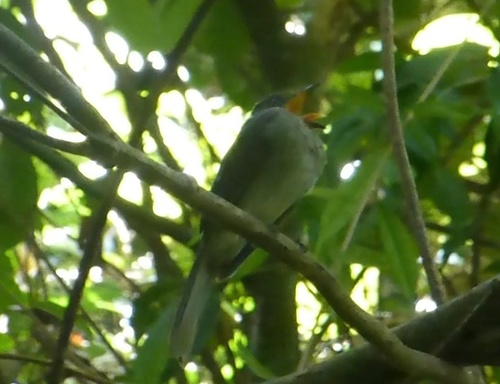
ムジカザリドリ (Lipaugus vociferans) ムジカザリドリ
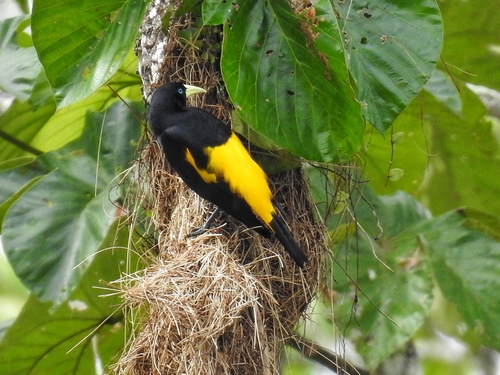
キゴシツリスドリ (Cacicus cela) キゴシツリスドリ

メディア

読み込み中…

要点

ムジカザリドリとキゴシツリスドリを区別する最も信頼できるフィールドマークは、キゴシツリスドリの大胆な黄色の尾羽、下腹部、翼のエポレットであり、これは常に均一に灰色のムジカザリドリには存在しません。幼鳥のムジカザリドリは翼の覆羽や尾の先端にシナモン色の赤褐色を示すことがありますが、キゴシツリスドリの明るい黄色は決して示しません。構造的には、キゴシツリスドリはスリムで尾が長く、淡い黄色の尖ったくちばしと青い目を持っているのに対し、ムジカザリドリは体が重く、暗いくちばしと茶色がかった虹彩を持っています。飛んでいる時や止まっている時、キゴシツリスドリの対照的な黄色と黒は明確であり、ムジカザリドリは地味な灰色のままです。彼らの声も劇的に異なります:ムジカザリドリの鋭く、非常に大きな口笛は、キゴシツリスドリの多様なフルート音、カッカッという声、模倣と対照的です。

識別のコツ

  1. 黄色の斑点:キゴシツリスドリだけが尾羽、下腹部、尾の基部、翼のエポレットに明るい黄色を示します。ムジカザリドリは常に上も下も地味な灰色で、どの年齢や性別でも黄色ではありません。
  2. 幼鳥の混乱:幼鳥のムジカザリドリは翼の覆羽や尾の先端にシナモン色の赤褐色を示すことがありますが、黄色は決して示しません。幼鳥のキゴシツリスドリは鈍い色合いですが、まだ黄色の斑点があります;彼らのくちばしの基部は茶色で、虹彩は暗いです。
  3. くちばしの色と形:ムジカザリドリは暗く、曇ったくちばし(黒い上顎、曇った下顎にピンク色の基部)を持ち、成鳥のキゴシツリスドリは淡い黄色の尖ったくちばしを持っています。幼鳥のキゴシツリスドリは茶色の基部を持つくちばしです。
  4. 虹彩の色:ムジカザリドリの虹彩は茶色から灰色がかっています;成鳥のキゴシツリスドリの虹彩は青で、幼鳥のキゴシツリスドリの虹彩は暗いです。
  5. 体の構造:ムジカザリドリは体が重く、コンパクトで、尾が短く、くちばしがあまり尖っていません。キゴシツリスドリはスリムで尾が長く、より尖った淡いくちばしを持っています。
  6. 羽毛のコントラスト:ムジカザリドリは均一な灰色で、翼と尾はより曇った色合いです;キゴシツリスドリは光沢のある黒で、鮮やかな黄色の斑点がはっきりと対照的です。雌と幼鳥のキゴシツリスドリは鈍いですが、まだ黄色を示します。
  7. 止まっている姿勢:ムジカザリドリはしばしば静かに、直立またはやや前かがみで、中層または下層に座ります。キゴシツリスドリはより活発で、しばしば群れで行動し、特にコロニーの場所ではより直立して止まります。
  8. 飛行時の外観:飛行中、キゴシツリスドリの黄色い尾羽と翼のエポレットは黒に対して目立ってフラッシュします。飛行中のムジカザリドリは地味な灰褐色のままで、コントラストはありません。
  9. 鳴き声:ムジカザリドリの鳴き声は大きく、鋭い口笛(qui, qui, yo)で、しばしば繰り返され、非常に大きいです。キゴシツリスドリの歌は多様なフルート音、カッカッという声、模倣の複雑な音楽的ミックスで、通常コロニーからのさまざまな呼び声の背景を生成します。
  10. 社会的文脈:ムジカザリドリは通常孤独またはペアで行動し、レクスを除いては群れを作りません。キゴシツリスドリはコロニーを形成し、騒がしく、しばしば群れで行動します。
  11. 生息地:ムジカザリドリは深い森林の内部、中層から下層を好みます。キゴシツリスドリは森林の端、開けた場所、河川域を好み、しばしば人間の活動の近くやコロニーが見える開けた場所に見られます。
  12. 性差:ムジカザリドリの両性は似ています。オスのキゴシツリスドリは光沢のある黒で大きく、雌と幼鳥は鈍いですが黄色を保持しています。
  13. 脚の色:ムジカザリドリの脚と足はさまざまな暗い色合い(緑、茶色、灰色、黒)で変動します;強いフィールドマークではありませんが、よく見えれば役立つかもしれません。キゴシツリスドリの脚の色は特に目立ちません。
  14. 巣の関連:大きな吊り下げられた編み巣の近くで見られた場合、ほぼ確実にキゴシツリスドリです。ムジカザリドリはコロニーで巣を作ったり、そのような巣を作ったりしません。
  15. 誤解される文脈:騒がしく、活発な群れの中で地味な灰色の鳥を見た場合、黄色の斑点がないか再確認してください。森林の内部にいる孤独で地味な灰色の鳥は、ムジカザリドリである可能性が高いです。

大きさ

ムジカザリドリは中型でずんぐりした鳥(81 g、24–26 cm)であり、キゴシツリスドリはスリムで尾が長いです。オスのキゴシツリスドリはわずかに長く(28 cm)見えますが、実際には軽い(104 g)です。雌はより小さく(23 cm、60 g)です。ムジカザリドリはより重く、コンパクトな体型を持ち、キゴシツリスドリは特に飛行中や直立して止まっている時にスリムでより細長く見えます。くちばしの構造も異なります:ムジカザリドリのくちばしは暗く、あまり尖っていませんが、キゴシツリスドリのくちばしは淡い黄色で鋭く尖っています。

羽色

幼鳥のムジカザリドリはシナモン色の赤褐色の翼の覆羽と尾の先端のために他の地味な鳥と混同されることがありますが、黄色は決して示しません。両性の成鳥は上面が均一な中間灰色で、下面はより淡く、翼と尾はより曇った色合いで、どこにも強いコントラストはありません。対照的に、すべての年齢のキゴシツリスドリ(雌と幼鳥は鈍いですが)は、他の黒い羽毛に対して目を引く明るい黄色の尾羽、下腹部、尾の基部、翼のエポレットを示します。幼鳥のキゴシツリスドリは鈍い雌に似ており、暗い目と茶色のくちばしの基部を持っていますが、まだ黄色の斑点を保持しています。ムジカザリドリの虹彩は茶色から灰色がかっていますが、キゴシツリスドリの虹彩は青(成鳥)または暗い(幼鳥)です。くちばしの色も強い区別要因です:ムジカザリドリでは常に暗く、成鳥のキゴシツリスドリでは淡い黄色、幼鳥のキゴシツリスドリでは茶色の基部です。

行動

ムジカザリドリは通常孤独またはペアで行動し、森林の中層または下層に静かに止まりますが、オスは歌っている時に目立つようになります。キゴシツリスドリは非常に社交的で、騒がしいコロニーでよく見られ、樹冠やコロニーの木の中で活発に動きます。キゴシツリスドリは群れで見られる可能性が高く、特に大きな吊り下げられた巣の近くでは一般的により活発で目立ちます。

生息環境

両種は南アメリカのアマゾンおよび低地の森林で広く重なりますが、ムジカザリドリは湿った森林の下層から中層の鳥であり、しばしば森林の奥深くにいます。キゴシツリスドリは森林の端、開けた場所、河川域を好み、人間の集落やコロニーが見える開けた場所の近くで見られることが多いです。キゴシツリスドリは森林の端や開けた森林で見られることが多く、ムジカザリドリはより厳密に森林内部の鳥です。

声

ムジカザリドリは非常に大きく、鋭い口笛(qui, qui, yo)で有名で、400 mまで聞こえ、しばしば微かなグルー音の後に続き、オスが前後に傾くときに発声されます。その音量は極端で、スズドリに次ぐものです。キゴシツリスドリの歌は、フルート音、カッカッという声、喘ぎ声、模倣の複雑な音楽的ミックスであり、コロニーはさまざまな呼び声の一定の背景を生成します。ムジカザリドリの声は独特で大きく、口笛のようであり、キゴシツリスドリの声は多様で音楽的で社交的です。

より良い説明を送る

比較と同じ項目を使ってください。文章はすぐに公開されます。

The most reliable field mark to separate Screaming Piha from Yellow-rumped Cacique is the cacique’s bold yellow rump, lower belly, and wing epaulets, which are always absent in the uniformly gray Screaming Piha. Juvenile Pihas can show cinnamon rufous on the wing coverts and tail tips, but never the bright yellow of the cacique. Structurally, the cacique is slimmer, longer-tailed, and has a pale yellow pointed bill and blue eyes, while the piha is heavier-bodied with a dark bill and brownish iris. In flight or perched, the cacique’s contrasting yellow and black is unmistakable, while the piha remains plain grayish. Their voices are also dramatically different: the piha’s piercing, extremely loud whistles contrast with the cacique’s varied fluting, cackles, and mimicry.

  1. Yellow patches: Only Yellow-rumped Cacique shows bright yellow on the rump, lower belly, base of tail, and wing epaulets. Screaming Piha is always plain gray above and below, never yellow, at any age or sex.
  2. Juvenile confusion: Juvenile Screaming Piha may show cinnamon rufous on wing coverts and tail tips, but never yellow. Juvenile caciques are duller but still have yellow patches; their bill base is brown, and iris is dark.
  3. Bill color and shape: Piha has a dark, dusky bill (black maxilla, dusky mandible with pinkish base), while adult cacique has a pale yellow, sharply pointed bill. Juvenile cacique has a brown-based bill.
  4. Iris color: Piha’s iris is brown to grayish; adult cacique’s is blue, juvenile cacique’s is dark.
  5. Body structure: Piha is heavier-bodied and compact, with a shorter tail and less pointed bill. Cacique is slimmer, longer-tailed, and has a more pointed, pale bill.
  6. Plumage contrast: Piha is uniform gray with duskier wings and tail; cacique is glossy black with sharply contrasting yellow patches. Female and juvenile caciques are duller but still show yellow.
  7. Perched posture: Piha often sits quietly, upright or slightly hunched, in the mid-story or understory. Cacique is more active, often in groups, and perches more upright, especially at colony sites.
  8. Flight appearance: In flight, cacique’s yellow rump and wing epaulets flash conspicuously against black. Piha in flight remains plain gray-brown with no contrast.
  9. Vocalizations: Piha’s call is a loud, piercing whistle (qui, qui, yo), often repeated and extremely loud. Cacique’s song is a varied, musical mix of fluting, cackles, and mimicry, usually from colonies.
  10. Social context: Piha is usually solitary or in pairs, except at leks. Cacique is colonial and noisy, often in groups.
  11. Habitat: Piha prefers deep forest interior, mid-story to understory. Cacique favors edges, clearings, and riverine or disturbed areas, often near human activity.
  12. Sex differences: Both sexes of piha look alike. Male cacique is glossier black and larger; female and juvenile are duller but retain yellow.
  13. Leg color: Piha’s legs and feet are variable dark shades (green, brown, gray, black); not a strong field mark but may help if seen well. Cacique’s leg color is not distinctive.
  14. Nest association: If seen near large, hanging woven nests, it is almost certainly cacique, as piha does not nest colonially or build such nests.
  15. Mistaken context: If you see a plain grayish bird in a noisy, active group or at a colony, double-check for yellow patches—solitary, plain gray birds in the forest interior are likely piha.

Screaming Piha is a medium-sized, chunky bird (81 g, 24–26 cm), while Yellow-rumped Cacique is slimmer and longer-tailed. Male caciques are slightly longer (28 cm) but lighter (104 g) than they appear, with females smaller (23 cm, 60 g). The piha has a heavier, more compact build, while the cacique looks sleeker and more elongated, especially in flight or when perched upright. Bill structure also differs: the piha’s bill is dark and less pointed, while the cacique’s is pale yellow and sharply pointed.

Juvenile Screaming Pihas can be confused with other plain birds due to their cinnamon rufous wing coverts and tail tips, but they never show any yellow. Adults of both sexes are uniform medium gray above, paler below, with duskier wings and tail, and no strong contrast anywhere. In contrast, Yellow-rumped Cacique of all ages (though females and juveniles are duller) shows a striking bright yellow rump, lower belly, base of tail, and wing epaulets against otherwise black plumage. Juvenile caciques resemble duller females, with dark eyes and a brownish bill base, but still retain the yellow patches. The piha’s iris is brown to grayish, while the cacique’s is blue (adults) or dark (juveniles). Bill color is also a strong separator: always dark in piha, pale yellow in adult cacique, brown-based in young cacique.

Screaming Piha is usually solitary or in pairs, perching quietly in the forest mid-story or understory, but males become conspicuous when singing, tipping forward and back. Yellow-rumped Cacique is highly social, often seen in noisy colonies, moving actively in the canopy or at colony trees. Caciques are more likely to be seen in groups, especially near their large hanging nests, and are generally more active and conspicuous than the often motionless piha.

Both species overlap widely in Amazonian and lowland forests of South America, but Screaming Piha is a bird of humid forest understory to mid-story, often deep inside the forest. Yellow-rumped Cacique prefers forest edges, clearings, and riverine areas, and is often found around human settlements or open areas where their colonies are visible. Caciques are more likely at forest edges or in open woodland, while pihas are more strictly interior forest birds.

Screaming Piha is famous for its incredibly loud, piercing whistles (qui, qui, yo), audible up to 400 m, often preceded by faint groo notes, and delivered with the male tipping forward and back. The volume is extreme, second only to White Bellbird. Yellow-rumped Cacique’s song is a complex, musical mix of fluting notes, cackles, wheezes, and mimicry, with colonies producing a constant background of varied calls. The piha’s voice is singular, loud, and whistled; the cacique’s is varied, musical, and social.

変更を破棄しますか?

保存していない編集があります。今離れると失われます。

ムジカザリドリ · キゴシツリスドリ · 苦手な鳥