

Screaming Piha vs Yellow-rumped Cacique
Lipaugus vociferans contro Cacicus cela
Fai un quiz con Screaming Piha e Yellow-rumped Cacique
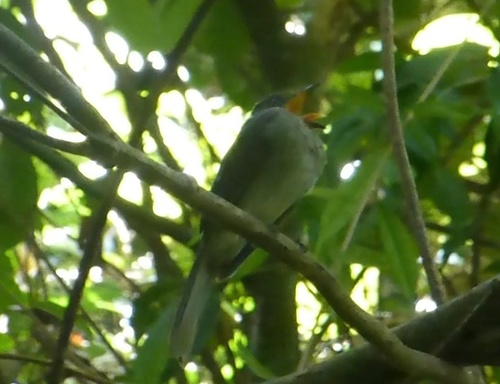 Screaming Piha
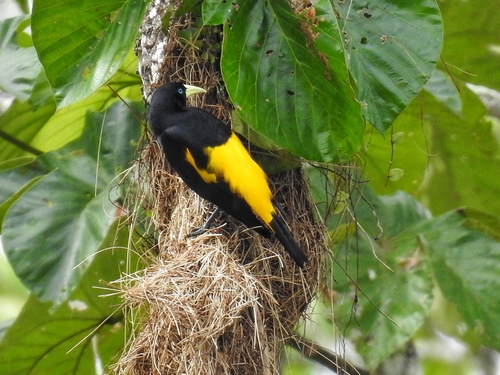 Yellow-rumped Cacique
In breve
Il segno distintivo più affidabile per separare il Screaming Piha dal Yellow-rumped Cacique è il vivace fondo giallo del cacique, il ventre inferiore e le spalline, che sono sempre assenti nel uniformemente grigio Screaming Piha. I Pihas giovani possono mostrare rufous cannella sulle copritrici delle ali e sulle punte della coda, ma mai il brillante giallo del cacique. Strutturalmente, il cacique è più snello, con una coda più lunga, e ha un becco appuntito di un giallo pallido e occhi blu, mentre il piha ha un corpo più pesante con un becco scuro e un'iride brunastra. In volo o posato, il contrasto giallo e nero del cacique è inconfondibile, mentre il piha rimane grigio uniforme. Le loro voci sono anche drammaticamente diverse: i fischi acuti e estremamente forti del piha contrastano con le flautate variate, i cackles e la mimica del cacique.
Consigli di identificazione
- Yellow patches: Solo il Yellow-rumped Cacique mostra un brillante giallo sul fondo, sul ventre inferiore, alla base della coda e sulle spalline. Il Screaming Piha è sempre grigio uniforme sopra e sotto, mai giallo, a qualsiasi età o sesso.
- Juvenile confusion: Il giovane Screaming Piha può mostrare rufous cannella sulle copritrici delle ali e sulle punte della coda, ma mai giallo. I caciques giovani sono più opachi ma hanno ancora macchie gialle; la base del loro becco è marrone e l'iride è scura.
- Bill color and shape: Il piha ha un becco scuro e opaco (mascella nera, mandibola opaca con base rosata), mentre il cacique adulto ha un becco appuntito di un giallo pallido. Il cacique giovane ha un becco con base marrone.
- Iris color: L'iride del piha è marrone a grigiastra; quella del cacique adulto è blu, quella del cacique giovane è scura.
- Body structure: Il piha ha un corpo più pesante e compatto, con una coda più corta e un becco meno appuntito. Il cacique è più snello, con una coda più lunga e ha un becco più appuntito e pallido.
- Plumage contrast: Il piha è grigio uniforme con ali e coda più scure; il cacique è nero lucido con macchie gialle a forte contrasto. Le femmine e i giovani caciques sono più opachi ma mostrano ancora giallo.
- Perched posture: Il piha spesso si siede tranquillamente, eretto o leggermente curvo, nel sottobosco o nel medio strato. Il cacique è più attivo, spesso in gruppi, e si posiziona più eretto, specialmente nei siti delle colonie.
- Flight appearance: In volo, il fondo giallo e le spalline del cacique lampeggiano in modo evidente contro il nero. Il piha in volo rimane grigio-bruno uniforme senza contrasto.
- Vocalizations: Il richiamo del piha è un fischio forte e acuto (qui, qui, yo), spesso ripetuto e estremamente forte. Il canto del cacique è un mix musicale variegato di flautate, cackles e mimica, solitamente dalle colonie.
- Social context: Il piha è solitamente solitario o in coppie, tranne che nei leks. Il cacique è coloniale e rumoroso, spesso in gruppi.
- Habitat: Il piha preferisce l'interno della foresta profonda, dal medio strato al sottobosco. Il cacique predilige i bordi, le radure e le aree fluviali o disturbate, spesso vicino all'attività umana.
- Sex differences: Entrambi i sessi del piha si somigliano. Il cacique maschio è nero più lucido e più grande; la femmina e il giovane sono più opachi ma mantengono il giallo.
- Leg color: Le gambe e i piedi del piha sono di tonalità scure variabili (verde, marrone, grigio, nero); non è un segno distintivo forte ma può aiutare se visto bene. Il colore delle gambe del cacique non è distintivo.
- Nest association: Se visto vicino a grandi nidi intrecciati appesi, è quasi certamente un cacique, poiché il piha non nidifica colonialmente né costruisce tali nidi.
- Mistaken context: Se vedi un uccello grigio uniforme in un gruppo rumoroso e attivo o in una colonia, controlla di nuovo per le macchie gialle—gli uccelli grigi solitari nel sottobosco della foresta sono probabilmente piha.
Taglia
Il Screaming Piha è un uccello di dimensioni medie e robusto (81 g, 24–26 cm), mentre il Yellow-rumped Cacique è più snello e con una coda più lunga. I caciques maschi sono leggermente più lunghi (28 cm) ma più leggeri (104 g) di quanto appaiano, con le femmine più piccole (23 cm, 60 g). Il piha ha una struttura più pesante e compatta, mentre il cacique appare più snello e allungato, specialmente in volo o quando è posato eretto. Anche la struttura del becco differisce: il becco del piha è scuro e meno appuntito, mentre quello del cacique è giallo pallido e appuntito.
Piumaggio
I giovani Screaming Pihas possono essere confusi con altri uccelli uniformi a causa delle loro copritrici delle ali e punte della coda rufous cannella, ma non mostrano mai giallo. Gli adulti di entrambi i sessi sono grigi medi uniformi sopra, più chiari sotto, con ali e coda più scure, e senza un forte contrasto ovunque. Al contrario, il Yellow-rumped Cacique di tutte le età (anche se le femmine e i giovani sono più opachi) mostra un vivace fondo giallo, ventre inferiore, base della coda e spalline contro un piumaggio altrimenti nero. I caciques giovani assomigliano a femmine più opache, con occhi scuri e una base del becco brunastra, ma mantengono ancora le macchie gialle. L'iride del piha è marrone a grigiastra, mentre quella del cacique è blu (adulti) o scura (giovani). Anche il colore del becco è un forte separatore: sempre scuro nel piha, giallo pallido nel cacique adulto, con base marrone nel giovane cacique.
Comportamento
Il Screaming Piha è solitamente solitario o in coppie, posandosi tranquillamente nel medio strato o nel sottobosco della foresta, ma i maschi diventano evidenti quando cantano, inclinando avanti e indietro. Il Yellow-rumped Cacique è altamente sociale, spesso visto in colonie rumorose, muovendosi attivamente nella chioma degli alberi o nei alberi delle colonie. I caciques sono più propensi a essere visti in gruppi, specialmente vicino ai loro grandi nidi appesi, e sono generalmente più attivi e evidenti rispetto al piha spesso immobile.
Habitat
Entrambe le specie si sovrappongono ampiamente nelle foreste amazzoniche e nelle foreste di pianura del Sud America, ma il Screaming Piha è un uccello del sottobosco della foresta umida al medio strato, spesso in profondità nella foresta. Il Yellow-rumped Cacique preferisce i bordi della foresta, le radure e le aree fluviali, ed è spesso trovato intorno agli insediamenti umani o in aree aperte dove le loro colonie sono visibili. I caciques sono più propensi a trovarsi ai bordi della foresta o in boschi aperti, mentre i piha sono più rigorosamente uccelli dell'interno della foresta.
Voce
Il Screaming Piha è famoso per i suoi fischi incredibilmente forti e acuti (qui, qui, yo), udibili fino a 400 m, spesso preceduti da deboli note di groo, e emessi con il maschio che si inclina avanti e indietro. Il volume è estremo, secondo solo al White Bellbird. Il canto del Yellow-rumped Cacique è un mix musicale complesso di note flautate, cackles, wheezes e mimica, con colonie che producono un costante sottofondo di richiami variati. La voce del piha è singolare, forte e fischiata; quella del cacique è variegata, musicale e sociale.
Screaming Piha · Yellow-rumped Cacique · I miei uccelli difficili