

Motmot

ハンエンオニキバシリ 対 ハシブトマユカマドドリ

Lepidocolaptes falcinellus 対 Syndactyla ucayalae

ハンエンオニキバシリとハシブトマユカマドドリのクイズ
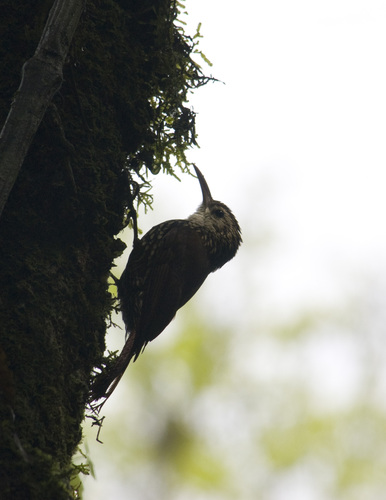
ハンエンオニキバシリ (Lepidocolaptes falcinellus) ハンエンオニキバシリ
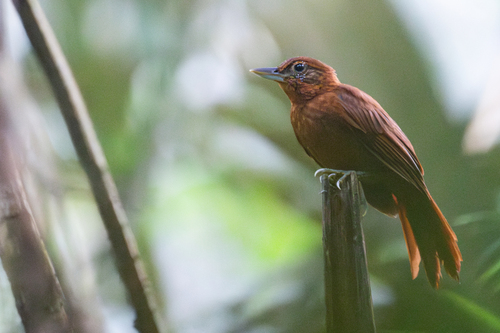
ハシブトマユカマドドリ (Syndactyla ucayalae) ハシブトマユカマドドリ

メディア

読み込み中…

要点

ハンエンオニキバシリとハシブトマユカマドドリを区別するための最も信頼できるフィールドマークはくちばしの形です:ハンエンオニキバシリは長く、細く、わずかに下向きのくちばしを持ち、ハシブトマユカマドドリは重く、くさび形のくちばしで、明らかに上向きです。さらに、ハンエンオニキバシリは腹部に鱗状の縞模様と淡い斑点の顔を示し、ハシブトマユカマドドリは下側がより均一にオレンジ褐色で、わずかな縞模様と暗い赤褐色の顔を持っています。幼鳥のハシブトマユカマドドリは強い黒い鱗状の模様を示すことがありますが、構造は依然として異なります。サイズも手がかりです:ハシブトマユカマドドリは明らかにずっしりとしています。生息地と採餌行動も役立ちますが、構造と腹部の模様が最良のフィールドマークです。

識別のコツ

  1. くちばしの形は最も信頼できるマーク:ハンエンオニキバシリは長く、細く、わずかに下向きのくちばしを持っています;ハシブトマユカマドドリは重く、くさび形で、明らかに上向きのくちばしを持っています。これは横から見ると明らかで、距離があってもわかります。
  2. 腹部の模様:成鳥のハンエンオニキバシリはオリーブ色の腹部に大胆な黒縁のバフ色の縞を示し、鱗状または「鱗状」の外観を与えます。成鳥のハシブトマユカマドドリは下側がオレンジ褐色で、主に胸と喉にわずかな淡い縞があり、腹部と側面はほとんど縞模様がありません。
  3. 幼鳥の混乱:幼鳥のハシブトマユカマドドリは淡い腹部に強い黒い鱗状の模様を示すことがありますが、鳥はずっしりとしており、くちばしは上向きで、顔の模様が異なります(明るいスーペリキリウム、暗い冠)。
  4. 顔とスーペリキリウム:ハンエンオニキバシリは黒っぽい斑点のあるクリーム色の顔と明確な淡いスーペリキリウムを持っています。ハシブトマユカマドドリの顔は暗く、わずかな赤褐色のスーペリキリウム、赤褐色の頬、そして灰色がかった耳羽を持っています。
  5. 上面の色:ハンエンオニキバシリはオリーブ褐色からシナモン褐色で、赤褐色の尻と尾を持っています。ハシブトマユカマドドリは上面がより均一に赤褐色で、わずかに赤褐色の襟と暗い赤褐色の尾を持っています。
  6. 冠の模様:ハンエンオニキバシリは明らかに豊かなバフ色の斑点を持つ暗い黒から鈍い黒の冠と後頭部を持っています。ハシブトマユカマドドリの冠は暗い赤褐色で、前頭部にわずかな縞(成鳥)または暗い赤褐色の斑点(幼鳥)があります。
  7. サイズと構造:ハシブトマユカマドドリはかなり大きくてずっしりとしており(47 g 対 28 g)、頭とくちばしが重いです。ハンエンオニキバシリはスリムでより細長いです。
  8. 足と足の色:ハンエンオニキバシリは緑がかった灰色から緑がかった茶色の足と足を持っています;ハシブトマユカマドドリの足はオリーブ色からオリーブ緑色です。これは微妙で、フィールドでは診断的であることは稀です。
  9. 採餌行動:ハンエンオニキバシリは幹や枝を登り、しばしば中層や樹冠で採餌します;ハシブトマユカマドドリは密な竹や葦の中で採餌し、しばしば叩いたり掘ったりし、通常は低い位置に留まります。
  10. 生息地:もし鳥が西アマゾンの密な竹や川沿いの葦の中にいる場合、ハシブトマユカマドドリの可能性が高いです。アマゾンの外のより開けた森林やエッジの生息地では、ハンエンオニキバシリが期待されます。
  11. 飛行と翼の模様:どちらの種も、距離で診断的な特徴的な上翼パネルや対照的な飛行羽の模様を示しませんが、ハンエンオニキバシリの飛行羽は茶色の外側のウェブと赤褐色の内側のウェブを持ち、黒っぽい茶色の先端があります。
  12. 尾の色:両種は赤褐色から栗色の尾を持っていますが、ハシブトマユカマドドリの尾はより暗く、より均一に赤褐色です。
  13. 声:もし短く、粗い、上昇するラトル音(2–3秒)や大きく、粗い「チャック」を聞いたら、これはハシブトマユカマドドリです。ハンエンオニキバシリの声はここでは説明されていません。
  14. 性別は似ている:両種はオスとメスで似た羽毛を持っており、性別をフィールドマークとして使用しないでください。
  15. 混合群れ:両種は混合種の群れに参加することがありますが、ハシブトマユカマドドリは竹の中で低く留まり、ハンエンオニキバシリは樹冠や幹の高い位置にいることがあります。

大きさ

ハシブトマユカマドドリはハンエンオニキバシリよりもかなり重く(47 g 対 28 g)、わずかに長い(19–20 cm 対 17–20 cm)です。フィールドでは、ハシブトマユカマドドリはずっしりとしており、特に頭とくちばしが頑丈に見え、ハンエンオニキバシリはスリムでより細長いです。この違いは、両種が並んで見られるときや経験があるときに最も明らかですが、ハシブトマユカマドドリの大きなサイズと重い体格は、距離があっても通常は明らかです。

羽色

幼鳥のハシブトマユカマドドリは淡い腹部に強い黒い鱗状の模様、明るいスーペリキリウム、成鳥に比べて暗く、赤褐色の背中を持っています。両種の成鳥は縞模様または鱗状の腹部を持っていますが、ハンエンオニキバシリの縞は大胆で、黒縁で、オリーブ色の背景にあり、明確に鱗状の外観を与えています。その顔はクリーム色で黒っぽい斑点があり、明確な淡いスーペリキリウムを持っています。対照的に、成鳥のハシブトマユカマドドリは下側がオレンジ褐色で、胸と喉にわずかな淡い縞があり、顔は暗く、わずかな赤褐色のスーペリキリウムと赤褐色の頬を持っています。ハシブトマユカマドドリの上面はより均一に赤褐色であり、ハンエンオニキバシリはオリーブ褐色からシナモン褐色の背中と赤褐色の尻と尾を持っています。飛行中、ハンエンオニキバシリは飛行羽に茶色の外側のウェブと赤褐色の内側のウェブを示し、黒っぽい茶色の先端がありますが、どちらの種も距離で診断的な特徴的な翼パネルや対照的な上翼の模様は持っていません。

行動

ハンエンオニキバシリは通常、幹や枝を登って中層から樹冠まで採餌し、しばしば混合種の群れに参加し、時には獲物のために飛び出します。より樹上性で、密な低木の中で過ごす時間は少ないです。一方、ハシブトマユカマドドリは竹の専門家で、主に密な竹の茂みや森林の下層で採餌し、めったに中層以上には出ません。叩いたり掘ったりして竹を食べ、より地面指向の探査行動を示します。両種は混合群れに参加することがありますが、採餌する基盤や動きはかなり異なります。

生息環境

ハンエンオニキバシリはブラジル南部、パラグアイ、ウルグアイ、アルゼンチン北部のさまざまな森林タイプに生息し、通常はより開けた森林やエッジの森林に見られ、特に竹に特化しているわけではありません。ハシブトマユカマドドリは西アマゾン盆地(ペルー、ボリビア、西ブラジル)の竹の専門家で、ほぼ常に密なグアデュア竹や川沿いの葦の茂みの中または近くに見られます。もし鳥が広範な竹や川沿いの葦の中に見られた場合、特に西アマゾンでは、ハシブトマユカマドドリの可能性がはるかに高いです;アマゾンの外のより開けた森林やエッジの生息地では、ハンエンオニキバシリが期待されます。

声

ハシブトマユカマドドリは特徴的な声を持っています:短く、大きく、粗い、上昇するラトル音が2–3秒続き、最後の音が時々音程を下げ、そして大きく、粗い「チャック」という呼び声があります。これらのメモにはハンエンオニキバシリの声の記述はありませんので、声はハシブトマユカマドドリのユニークなラトル音が聞こえた場合のみ診断的です。

より良い説明を送る

比較と同じ項目を使ってください。文章はすぐに公開されます。

The most reliable field mark for separating Scalloped Woodcreeper from Peruvian Recurvebill is bill shape: the woodcreeper has a long, slender, slightly decurved bill, while the recurvebill has a heavy, wedge-shaped bill that is distinctly upturned. In addition, the Scalloped Woodcreeper shows a scaly, streaked pattern on the underparts and a pale, mottled face, while the Peruvian Recurvebill is more uniformly orange-rufous below with only faint streaking and a darker, reddish face. Juvenile Peruvian Recurvebills can show a strong black scalloped pattern below, but their structure still differs. Size is also a clue: the recurvebill is noticeably bulkier. Habitat and foraging behavior can help, but structure and underpart pattern are the best field marks.

  1. Bill shape is the most reliable mark: Scalloped Woodcreeper has a long, slender, slightly downcurved bill; Peruvian Recurvebill has a heavy, wedge-shaped, and distinctly upturned bill. This is obvious in profile, even at a distance.
  2. Underpart pattern: Adult Scalloped Woodcreeper shows bold, black-edged buff streaks on olive underparts, giving a scaly or 'scalloped' look. Adult Peruvian Recurvebill is orange-rufous below with only faint pale streaks, mostly on the breast and throat; the belly and flanks are nearly unstreaked.
  3. Juvenile confusion: Juvenile Peruvian Recurvebill can show a strong black scalloped pattern on paler underparts, but the bird is bulkier, the bill is upturned, and the face pattern differs (brighter supercilium, darker crown).
  4. Face and supercilium: Scalloped Woodcreeper has a creamy white face with blackish mottling and a clear pale supercilium. Peruvian Recurvebill's face is darker, with a faint rufous supercilium, reddish malar, and grizzled lores/ear coverts.
  5. Upperparts color: Scalloped Woodcreeper is olive-brown to cinnamon-brown above with a rufous-chestnut rump and tail. Peruvian Recurvebill is more uniformly reddish brown above, with a slightly more reddish collar and a dark reddish chestnut tail.
  6. Crown pattern: Scalloped Woodcreeper has a dusky to dull black crown and nape with obvious rich buff spots. Peruvian Recurvebill's crown is dark reddish brown with faint streaks on the forehead (adults) or dark rufescent spots (juveniles).
  7. Size and structure: Peruvian Recurvebill is substantially larger and bulkier (47 g vs. 28 g), with a heavier head and bill. Scalloped Woodcreeper is slimmer and more elongated.
  8. Leg and foot color: Scalloped Woodcreeper has greenish gray to greenish brown legs and feet; Peruvian Recurvebill's are olive to olive-green. This is subtle and rarely diagnostic in the field.
  9. Foraging behavior: Scalloped Woodcreeper hitches up trunks and branches, often in the mid-levels or canopy; Peruvian Recurvebill forages in dense bamboo or cane, often hammering or excavating, and usually stays low.
  10. Habitat: If the bird is in dense bamboo or riverside cane in the western Amazon, Peruvian Recurvebill is likely. In more open forest or edge habitats outside the Amazon, Scalloped Woodcreeper is expected.
  11. Flight and wing pattern: Neither species shows a distinctive upperwing panel or contrasting flight feather pattern that is diagnostic at a distance, but woodcreeper's flight feathers have brown outer webs and chestnut inner webs with blackish brown tips.
  12. Tail color: Both species have rufous to chestnut tails, but the recurvebill's is darker and more uniformly reddish chestnut.
  13. Voice: If you hear a short, harsh, ascending rattle (2–3 sec) or a loud, hoarse 'chack', this is Peruvian Recurvebill. Scalloped Woodcreeper's voice is not described here.
  14. Sexes similar: Both species have similar plumage in males and females; do not use sex as a field mark.
  15. Mixed flocks: Both may join mixed-species flocks, but recurvebill will stay low in bamboo, while woodcreeper may be higher in the canopy or on trunks.

Peruvian Recurvebill is substantially heavier (47 g vs. 28 g) and slightly longer (19–20 cm vs. 17–20 cm) than Scalloped Woodcreeper. In the field, the recurvebill appears bulkier and more robust, especially in the head and bill, while the woodcreeper is slimmer and more elongated. This difference is most apparent when both species are seen side by side or with experience, but the recurvebill's larger size and heavier build are usually evident even at a distance.

Juvenile Peruvian Recurvebills have a strong black scalloped pattern on paler underparts, a brighter supercilium, and a darker, less rufescent back compared to adults. Adults of both species have streaked or scalloped underparts, but the Scalloped Woodcreeper's streaks are bold, black-edged, and on an olive background, giving a distinctly scaly look. Its face is creamy white with blackish mottling and a clear pale supercilium. In contrast, adult Peruvian Recurvebill is orange-rufous below with only faint pale streaks on the breast and throat, and the face is darker with a faint rufous supercilium and reddish malar. The recurvebill's upperparts are more uniformly reddish brown, while the woodcreeper has olive-brown to cinnamon-brown back and rufous-chestnut rump and tail. In flight, the woodcreeper shows brown outer webs and chestnut inner webs to the flight feathers, with blackish brown tips, but neither species has a distinctive wing panel or contrasting upperwing pattern that is diagnostic at a distance.

Scalloped Woodcreeper typically forages by hitching up trunks and branches from the mid-level to the canopy, often joining mixed-species flocks and sometimes sallying for prey. It is more arboreal and spends less time in dense undergrowth. Peruvian Recurvebill, on the other hand, is a bamboo specialist, foraging mostly in dense bamboo thickets and the forest understory, rarely venturing above the mid-storey. It feeds by hammering, excavating, and flaking bamboo, showing a more ground-oriented, probing behavior. Both may join mixed flocks, but their foraging substrates and movements are quite different.

Scalloped Woodcreeper is found in a range of forest types across southern Brazil, Paraguay, Uruguay, and northern Argentina, usually in more open or edge forest and not specifically tied to bamboo. Peruvian Recurvebill is a bamboo specialist of the western Amazon Basin (Peru, Bolivia, western Brazil), almost always found in or near dense Guadua bamboo or riverside cane thickets. If the bird is seen in extensive bamboo or riverside cane, especially in the western Amazon, recurvebill is far more likely; in more open or edge forest outside the Amazon, woodcreeper is expected.

Peruvian Recurvebill has a distinctive vocalization: a short, loud, harsh, ascending rattle lasting 2–3 seconds, with the last note sometimes dropping in pitch, and a loud, hoarse 'chack' call. No vocal description is available for Scalloped Woodcreeper in these notes, so voice is only diagnostic if the recurvebill's unique rattle is heard.

変更を破棄しますか?

保存していない編集があります。今離れると失われます。

ハンエンオニキバシリ · ハシブトマユカマドドリ · 苦手な鳥