

Motmot

ハンエンオニキバシリ 対 ミミグロブユムシクイ

Lepidocolaptes falcinellus 対 Polioptila dumicola

ハンエンオニキバシリとミミグロブユムシクイのクイズ
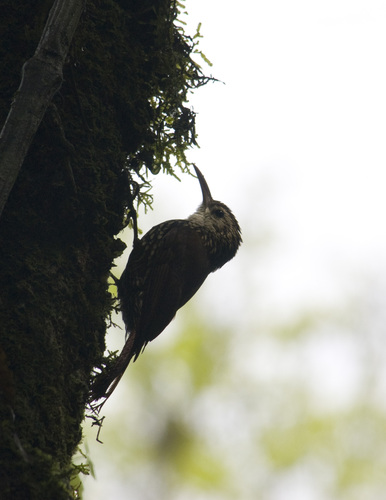
ハンエンオニキバシリ (Lepidocolaptes falcinellus) ハンエンオニキバシリ
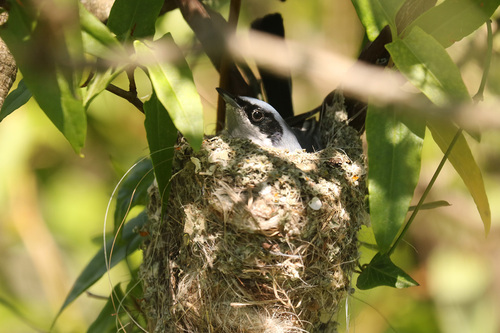
ミミグロブユムシクイ (Polioptila dumicola) ミミグロブユムシクイ

メディア

読み込み中…

要点

スカロップドウッドクリーパーとミミグロブユムシクイを区別する最も信頼できる方法は、全体の構造とくちばしの形です:ウッドクリーパーははるかに大きく、長く湾曲したくちばしとウッドクリーパーの特徴を持ち、ミミグロブユムシクイは小さく、細身で、短いくちばしです。すべての羽色において、スカロップドウッドクリーパーは大胆に縞模様のある鱗状の腹部パターンと赤褐色の尾を示し、ミミグロブユムシクイは下側が無地で、特徴的な黒いマスク(オス)または三日月(メス)を持っています。飛んでいる時や止まっている時でも、ウッドクリーパーの大きさと登る行動は、活発でひらひらとしたミミグロブユムシクイと比較して明らかです。距離があったり、光が悪い場合でも、ウッドクリーパーの縞模様のある腹部とウッドクリーパーの構造は、ミミグロブユムシクイの滑らかな灰色と白の羽毛および小さく丸い頭の形と鮮やかに対比します。

識別のコツ

  1. サイズと構造: スカロップドウッドクリーパーはミミグロブユムシクイよりもはるかに大きく、がっしりとしています。もしその鳥が小さく、丸い体形で、繊細に見えるなら、それはウッドクリーパーではありません。
  2. くちばしの形: ウッドクリーパーのくちばしは長く、強く、明確に湾曲しており、樹皮を探るのに適しています。ミミグロブユムシクイのくちばしは短く、細く、まっすぐで、小さな昆虫をつまむのに適応しています。
  3. 尾の色と形: ウッドクリーパーは長い赤褐色の尾を持ち、しばしば扇状に広がったり、幹に押し付けられたりします。ミミグロブユムシクイの尾は短く、主に黒で外側の羽は白く、頻繁にひらひらしたり、傾けられたりします。
  4. 腹部のパターン: スカロップドウッドクリーパーは常にオリーブ色の腹部に大胆な黒い縁取りのあるバフの縞模様を示し、鱗状の効果を生み出します。ミミグロブユムシクイは下側が無地で、淡い灰色から白っぽく、年齢や性別に関係なく縞模様や鱗状の模様はありません。
  5. 顔のパターン: 成熟したオスのミミグロブユムシクイは、下に白い線のある目立つ黒いマスクを持ち、メスは目の下に黒い三日月を持っています。ウッドクリーパーはクリーム色の白で黒い斑点のある顔を持ち、淡い眉斑がありますが、マスクや三日月はありません。
  6. 冠と後頭部: ウッドクリーパーの冠と後頭部は暗い色から黒っぽく、豊かなバフの斑点があります;ミミグロブユムシクイの冠は青灰色(オス)または鈍い灰色(メス/ベルレプスキ)で、常に斑点がありません。
  7. 飛行羽: ウッドクリーパーの飛行羽は外側のウェブが茶色、内側のウェブが赤褐色、先端が黒っぽい茶色ですが、これは微妙で、現場では診断的ではありません。ミミグロブユムシクイの翼は均一に灰色がかっています。
  8. 行動: ウッドクリーパーは幹や枝を登り、垂直に、計画的に動きます。ミミグロブユムシクイは落ち着きがなく、ひらひらと葉の間を移動し、しばしば尾や翼をひらひらさせます。
  9. 採餌スタイル: ウッドクリーパーは樹皮、着生植物、隙間を探り、時には獲物のために飛び出します。ミミグロブユムシクイは葉や小枝から昆虫を拾い、樹皮を探ることはほとんどありません。
  10. 生息地の文脈: 密な森林の内部、特に大きな幹の上で見られた場合、ウッドクリーパーの可能性が高くなります。開けた低木やエッジでは、ミミグロブユムシクイの可能性が高くなります。
  11. 性差: ミミグロブユムシクイは性差を示します(オスにマスク、メスに三日月);ウッドクリーパーの性別は同一です。
  12. 亜種の変異: ミミグロブユムシクイの亜種は暗さや青みのトーンが異なりますが、縞模様のある腹部や赤褐色の尾は決して示しません。
  13. 虹彩と脚: ウッドクリーパーは茶色の虹彩と緑がかった灰色から緑がかった茶色の脚を持ち、これらは現場ではほとんど見えませんが、近くで見ると役立つことがあります。ミミグロブユムシクイの脚と虹彩の色は区別には役立ちません。
  14. くちばしの色: ウッドクリーパーのくちばしは灰色、淡い茶色、またはピンクがかった色で、基部が暗いです;下顎はクリーム色から淡い茶色です。ミミグロブユムシクイのくちばしは均一に暗いです。
  15. 落とし穴: 未熟または見えにくいウッドクリーパーは無地に見えることがありますが、縞模様のある腹部と赤褐色の尾は常に存在します。ミミグロブユムシクイは決して縞模様やウッドクリーパーのようなくちばしや姿勢を示しません。

大きさ

スカロップドウッドクリーパーは劇的に大きく、長さは17〜20 cm、質量は約28 gで、ミミグロブユムシクイの12〜13 cmおよび5〜7 gと比較されます。ウッドクリーパーはそのグループでは中型で、頑丈で細長い体と長い尾を持ち、ミミグロブユムシクイは小さく、繊細な歌鳥です。直接比較がなくても、ウッドクリーパーの大きさと体重は現場で明らかです。

羽色

行動

スカロップドウッドクリーパーは幹や枝を登り、典型的なウッドクリーパーの方法で上に移動し、しばしば一人またはペアで採餌し、時には混合群れに加わります。主に中層から樹冠で活動しますが、下でも見られることがあります。ミミグロブユムシクイは非常に活発で、葉の間をひらひらと移動し、幹を登ることはほとんどなく、常に動いているのが見られる可能性が高く、尾や翼をひらひらさせます。ウッドクリーパーの計画的で垂直な動きは、ミミグロブユムシクイの落ち着きのない水平な採餌とは非常に異なります。

生息環境

両種はアルゼンチン、ブラジル、パラグアイ、ウルグアイの重複する地域に生息し、どちらも森林の生息地で見られます。しかし、スカロップドウッドクリーパーは森林の内部により密接に結びついており、特に大きな木や着生植物がある場所で見られます。ミミグロブユムシクイはより適応性があり、エッジや二次成長を含む、より広範囲の森林や低木の生息地で見られます。生息地だけでは診断的ではありませんが、ウッドクリーパーは開けた低木や成熟した木から遠く離れている可能性は低いです。

より良い説明を送る

比較と同じ項目を使ってください。文章はすぐに公開されます。

The most reliable way to separate Scalloped Woodcreeper from Masked Gnatcatcher is by overall structure and bill shape: the woodcreeper is much larger, with a long, decurved bill and woodcreeper jizz, while the gnatcatcher is tiny, slim, and short-billed. In all plumages, Scalloped Woodcreeper shows a boldly streaked, scaly underpart pattern and a rufous-chestnut tail, while Masked Gnatcatcher is plain below and has a distinctive black mask (male) or crescent (female). In flight or perched, the woodcreeper’s size and climbing behavior are unmistakable compared to the active, flitting gnatcatcher. Even at a distance or in poor light, the woodcreeper’s streaked underparts and woodcreeper structure contrast sharply with the gnatcatcher’s smooth gray and white plumage and small, round-headed shape.

  1. Size and structure: Scalloped Woodcreeper is much larger and bulkier than Masked Gnatcatcher. If the bird looks small, round-bodied, and delicate, it is not a woodcreeper.
  2. Bill shape: Woodcreeper’s bill is long, strong, and distinctly decurved, suited for probing bark. Gnatcatcher’s bill is short, thin, and straight, adapted for picking tiny insects.
  3. Tail color and shape: Woodcreeper has a long, rufous-chestnut tail, often fanned or pressed against trunks. Gnatcatcher’s tail is shorter, mostly black with white outer feathers, and is frequently flicked or cocked.
  4. Underpart pattern: Scalloped Woodcreeper always shows bold, black-edged buff streaks on olive underparts, creating a scaly effect. Masked Gnatcatcher is plain below, pale gray to whitish, with no streaks or scaling at any age or sex.
  5. Facial pattern: Adult male Masked Gnatcatcher has a prominent black mask with a white line below; female has a black crescent below the eye. Woodcreeper has a creamy white, black-mottled face with a pale supercilium but no mask or crescent.
  6. Crown and nape: Woodcreeper’s crown and nape are dusky to blackish with rich buff spots; gnatcatcher’s are blue-gray (male) or dull gray (female/berlepschi), always lacking spots.
  7. Flight feathers: Woodcreeper’s flight feathers have brown outer webs, chestnut inner webs, and blackish brown tips, but this is subtle and rarely diagnostic in the field. Gnatcatcher’s wings are uniformly grayish.
  8. Behavior: Woodcreeper climbs trunks and branches, moving vertically and methodically. Gnatcatcher is restless, flitting through foliage, often flicking its tail and wings.
  9. Foraging style: Woodcreeper probes bark, epiphytes, and crevices, sometimes sallying for prey. Gnatcatcher gleans insects from leaves and twigs, rarely probing bark.
  10. Habitat context: If seen in dense forest interior, especially on large trunks, woodcreeper is more likely. In open scrub or edge, gnatcatcher is more probable.
  11. Sex differences: Masked Gnatcatcher shows sexual dimorphism (mask in male, crescent in female); woodcreeper sexes are identical.
  12. Subspecies variation: Gnatcatcher subspecies vary in darkness and bluish tone but never show streaked underparts or rufous tail.
  13. Iris and legs: Woodcreeper has brown iris and greenish gray to greenish brown legs; these are rarely visible in the field but can help in close views. Gnatcatcher’s leg and iris color are not distinctive for separation.
  14. Bill color: Woodcreeper’s bill is gray, light brown, or pinkish with a darker base; mandible creamy white to light brown. Gnatcatcher’s bill is uniformly dark.
  15. Pitfalls: Immature or poorly seen woodcreepers may appear plainer, but the streaked underparts and rufous tail are always present. Gnatcatchers never show streaks or a woodcreeper-like bill or posture.

Scalloped Woodcreeper is dramatically larger: 17–20 cm in length and about 28 g in mass, compared to Masked Gnatcatcher’s 12–13 cm and 5–7 g. The woodcreeper is medium-sized for its group, with a robust, elongated body and long tail, while the gnatcatcher is a tiny, delicate songbird. Even without direct comparison, the woodcreeper’s size and bulk are obvious in the field.

  • Juvenile/immature upperwing pattern: No specific juvenile or first-winter wing pattern is described for either species, so age-based flight marks are not diagnostic here.
  • Adult Scalloped Woodcreeper: Shows a creamy white, black-mottled face with a pale supercilium; dusky to blackish crown and nape with rich buff spots; olive-brown to cinnamon-brown back and coverts; rufous-chestnut rump and tail; flight feathers with brown outer webs, chestnut inner webs, and blackish brown tips; whitish throat; olive underparts with bold, black-edged buff streaks (scaly look); cinnamon underwing coverts.
  • Adult Masked Gnatcatcher (male): Blue-gray upperparts, black mask with thin white line below, black tail with white outer feathers, pale gray throat fading to whitish belly, no streaking or scaling. Female lacks mask, has a black crescent below the eye, and is duller above. Subspecies vary in darkness and bluish tones but always lack strong underpart patterning.
  • Key contrast: Woodcreeper is boldly streaked below and has a rufous tail; gnatcatcher is plain below, with a striking facial mask or crescent and a black-and-white tail.

Scalloped Woodcreeper climbs trunks and branches, hitching upwards in typical woodcreeper fashion, often foraging alone or in pairs, sometimes joining mixed flocks. It works mostly in mid-levels to canopy but can be seen lower. Masked Gnatcatcher is highly active, flitting and sallying through foliage, rarely climbing trunks, and is much more likely to be seen in constant motion, flicking its tail and wings. The woodcreeper’s methodical, vertical movement is very different from the gnatcatcher’s restless, horizontal foraging.

Both species occur in overlapping regions in Argentina, Brazil, Paraguay, and Uruguay, and both can be found in wooded habitats. However, Scalloped Woodcreeper is more closely tied to forest interiors, especially where there are large trees and epiphytes. Masked Gnatcatcher is more adaptable, found in a wider range of wooded and shrubby habitats, including edges and secondary growth. Habitat alone is not diagnostic, but woodcreeper is less likely in open scrub or far from mature trees.

変更を破棄しますか?

保存していない編集があります。今離れると失われます。

ハンエンオニキバシリ · ミミグロブユムシクイ · 苦手な鳥