

Scalloped Woodcreeper vs Masked Gnatcatcher
Lepidocolaptes falcinellus contro Polioptila dumicola
Fai un quiz con Scalloped Woodcreeper e Masked Gnatcatcher
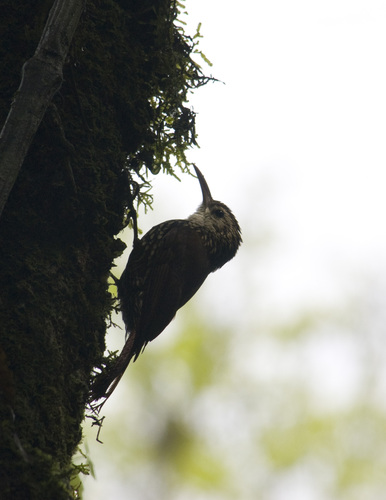 Scalloped Woodcreeper
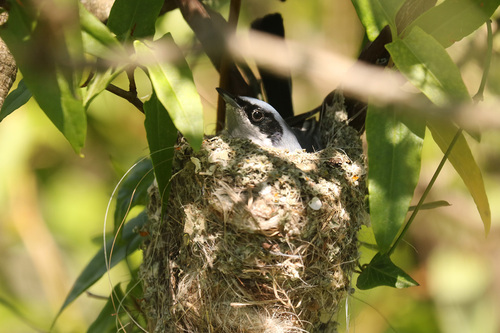 Masked Gnatcatcher
In breve
Il modo più affidabile per separare il Scalloped Woodcreeper dal Masked Gnatcatcher è attraverso la struttura generale e la forma del becco: il woodcreeper è molto più grande, con un becco lungo e ricurvo e l'aspetto tipico del woodcreeper, mentre il gnatcatcher è piccolo, snello e con un becco corto. In tutte le livree, il Scalloped Woodcreeper mostra un modello di parti inferiori a strisce audaci e squamose e una coda rufous-castagna, mentre il Masked Gnatcatcher è semplice sotto e ha una maschera nera distintiva (maschio) o una mezzaluna (femmina). In volo o posato, la dimensione e il comportamento arrampicatore del woodcreeper sono inconfondibili rispetto al gnatcatcher attivo e svolazzante. Anche a distanza o in scarsa luce, le parti inferiori striate del woodcreeper e la sua struttura contrastano nettamente con la livrea grigia e bianca liscia del gnatcatcher e la sua forma piccola e rotonda.
Consigli di identificazione
- Size and structure: Il Scalloped Woodcreeper è molto più grande e massiccio rispetto al Masked Gnatcatcher. Se l'uccello appare piccolo, con corpo rotondo e delicato, non è un woodcreeper.
- Bill shape: Il becco del woodcreeper è lungo, robusto e distintamente ricurvo, adatto per sondare la corteccia. Il becco del gnatcatcher è corto, sottile e dritto, adattato per raccogliere piccoli insetti.
- Tail color and shape: Il woodcreeper ha una lunga coda rufous-castagna, spesso aperta o premuta contro i tronchi. La coda del gnatcatcher è più corta, per lo più nera con piume esterne bianche, e viene frequentemente flickata o sollevata.
- Underpart pattern: Il Scalloped Woodcreeper mostra sempre strisce audaci di buff con bordi neri sulle parti inferiori olivastre, creando un effetto squamoso. Il Masked Gnatcatcher è semplice sotto, grigio chiaro o biancastro, senza strisce o squame a qualsiasi età o sesso.
- Facial pattern: Il maschio adulto del Masked Gnatcatcher ha una maschera nera prominente con una linea bianca sotto; la femmina ha una mezzaluna nera sotto l'occhio. Il woodcreeper ha un volto bianco crema macchiato di nero con un supercilium pallido ma senza maschera o mezzaluna.
- Crown and nape: La corona e la nuca del woodcreeper sono scure fino a nere con macchie di buff ricche; quelle del gnatcatcher sono blu-grigio (maschio) o grigio opaco (femmina/berlepschi), sempre prive di macchie.
- Flight feathers: Le piume di volo del woodcreeper hanno web esterni marroni, web interni castani e punte marrone scuro, ma questo è sottile e raramente diagnostico sul campo. Le ali del gnatcatcher sono uniformemente grigiose.
- Behavior: Il woodcreeper arrampica tronchi e rami, muovendosi verticalmente e metodicamente. Il gnatcatcher è irrequieto, svolazzando attraverso il fogliame, spesso flickando la sua coda e le ali.
- Foraging style: Il woodcreeper sondare la corteccia, epifite e crepe, a volte lanciandosi per la preda. Il gnatcatcher raccoglie insetti da foglie e rametti, raramente sondando la corteccia.
- Habitat context: Se visto nell'interno di una foresta densa, specialmente su tronchi grandi, è più probabile che sia un woodcreeper. In arbusti aperti o ai margini, è più probabile che sia un gnatcatcher.
- Sex differences: Il Masked Gnatcatcher mostra dimorfismo sessuale (maschera nel maschio, mezzaluna nella femmina); i sessi del woodcreeper sono identici.
- Subspecies variation: Le sottospecie di gnatcatcher variano in oscurità e tono bluastro ma non mostrano mai parti inferiori striate o coda rufous.
- Iris and legs: Il woodcreeper ha iris marroni e gambe grigio-verdi o verde-marroni; questi sono raramente visibili sul campo ma possono aiutare in viste ravvicinate. Il colore delle gambe e dell'iris del gnatcatcher non è distintivo per la separazione.
- Bill color: Il becco del woodcreeper è grigio, marrone chiaro o rosato con una base più scura; la mandibola è bianco crema o marrone chiaro. Il becco del gnatcatcher è uniformemente scuro.
- Pitfalls: I woodcreepers immaturi o visti male possono apparire più semplici, ma le parti inferiori striate e la coda rufous sono sempre presenti. I gnatcatchers non mostrano mai strisce o un becco o una postura simile a quella del woodcreeper.
Taglia
Il Scalloped Woodcreeper è drammaticamente più grande: 17–20 cm di lunghezza e circa 28 g di massa, rispetto ai 12–13 cm e 5–7 g del Masked Gnatcatcher. Il woodcreeper è di dimensioni medie per il suo gruppo, con un corpo robusto ed allungato e una lunga coda, mentre il gnatcatcher è un piccolo e delicato uccello canoro. Anche senza un confronto diretto, la dimensione e la massa del woodcreeper sono ovvie sul campo.
Piumaggio
- Juvenile/immature upperwing pattern: Non è descritto alcun modello specifico di ali per i giovani o i primi inverni per nessuna delle due specie, quindi i segni di volo basati sull'età non sono diagnostici qui.
- Adult Scalloped Woodcreeper: Mostra un volto bianco crema macchiato di nero con un supercilium pallido; corona e nuca scure fino a nere con macchie di buff ricche; dorso e copritrici marrone oliva a marrone cannella; groppone e coda rufous-castagna; piume di volo con web esterni marroni, web interni castani e punte marrone scuro; gola bianca; parti inferiori olivastre con audaci strisce di buff con bordi neri (aspetto squamoso); copritrici sotto le ali color cannella.
- Adult Masked Gnatcatcher (male): Parti superiori blu-grigie, maschera nera con una sottile linea bianca sotto, coda nera con piume esterne bianche, gola grigia chiara che sfuma in un ventre biancastro, senza striature o squame. La femmina manca della maschera, ha una mezzaluna nera sotto l'occhio ed è più opaca sopra. Le sottospecie variano in oscurità e toni bluasti ma mancano sempre di un forte modello di parti inferiori.
- Key contrast: Il woodcreeper è audacemente striato sotto e ha una coda rufous; il gnatcatcher è semplice sotto, con una maschera facciale o mezzaluna sorprendente e una coda bianco e nera.
Comportamento
Il Scalloped Woodcreeper arrampica tronchi e rami, muovendosi verso l'alto in modo tipico del woodcreeper, spesso cercando cibo da solo o in coppie, a volte unendosi a stormi misti. Lavora principalmente a livelli medi fino alla chioma ma può essere visto più in basso. Il Masked Gnatcatcher è altamente attivo, svolazzando e lanciandosi attraverso il fogliame, raramente arrampicandosi sui tronchi, ed è molto più probabile essere visto in movimento costante, flickando la sua coda e le ali. Il movimento metodico e verticale del woodcreeper è molto diverso dalla ricerca di cibo irrequieta e orizzontale del gnatcatcher.
Habitat
Entrambe le specie si trovano in regioni sovrapposte in Argentina, Brasile, Paraguay e Uruguay, e entrambe possono essere trovate in habitat boschivi. Tuttavia, il Scalloped Woodcreeper è più strettamente legato agli interni forestali, specialmente dove ci sono grandi alberi ed epifite. Il Masked Gnatcatcher è più adattabile, trovato in una gamma più ampia di habitat boschivi e arbustivi, inclusi margini e crescita secondaria. L'habitat da solo non è diagnostico, ma il woodcreeper è meno probabile in arbusti aperti o lontano da alberi maturi.
Scalloped Woodcreeper · Masked Gnatcatcher · I miei uccelli difficili