

Motmot

サバンナシトド 対 ウタスズメ

Passerculus sandwichensis 対 Melospiza melodia

サバンナシトドとウタスズメのクイズ
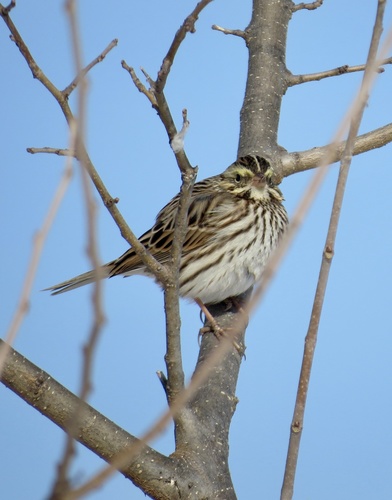
サバンナシトド (Passerculus sandwichensis) サバンナシトド
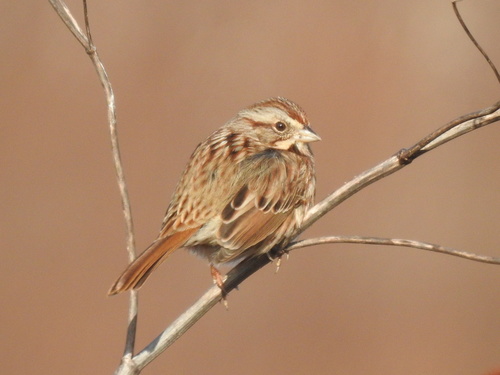
ウタスズメ (Melospiza melodia) ウタスズメ

メディア

読み込み中…

要点

サバンナシトドとウタスズメの間で最も信頼できるフィールドマークは、サバンナシトドに見られる鮮明で淡いスーペリキウム(眉毛)としばしば黄色がかったロアです。ウタスズメにはこれがありません。サバンナシトドは一般的に小さく、よりコンパクトで、胸部と側面に細かく、よりシャープに定義されたストリークを示しますが、ウタスズメはより大きく、重く、ぼやけたストリークが中央の胸の斑点に合流することがよくあります。両種は変異があり得ますが、サバンナシトドは特に開けた草地の環境ではより整然として淡い外観を持つ傾向があり、ウタスズメはより豊かな茶色に見え、低木や湿地の生息地で一般的です。両者は幼鳥や摩耗した羽毛では混乱を招くことがありますが、顔のパターンと全体的な構造に注意を払うことで通常は区別できます。

識別のコツ

  1. Look for a pale supercilium (eyebrow) and yellowish lores: サバンナシトドはほぼ常に目の上に鮮明で淡い線を示し、時にはくちばしの近くに黄色が見られます。特に新しい羽毛の時に。ウタスズメは黄色がなく、よりぼやけた茶色の顔を持っています。
  2. Check the breast streaking: サバンナシトドは白い背景に細かくシャープなストリークを持ち、通常は中央の斑点に合流しません。ウタスズメはより広くぼやけたストリークを持ち、しばしば胸に中央の暗い斑点を形成します。
  3. Assess overall size and shape: サバンナシトドは小さく、よりコンパクトで、短く切れ込みのある尾と平らな頭を持っています。ウタスズメはより大きく、長く丸い尾と丸い頭のプロファイルを持っています。
  4. Tail shape in flight: サバンナシトドの尾は短く切れ込みがあります。ウタスズメの尾は長く丸みを帯びており、飛行中や止まっている時にしばしば上下に動きます。
  5. Face pattern: サバンナシトドの顔はより対照的で、淡いスーペリキウムとしばしば黄色のロアを持っています。ウタスズメの顔はより地味で、茶色のトーンがあり、黄色はありません。
  6. Habitat context: サバンナシトドは開けた草地やフィールドの端を好み、ウタスズメは低木、湿地、水の近くに見られます。
  7. Back color and streaking: サバンナシトドは一般的に上面がより淡く、均一にストリークされていますが、ウタスズメはより豊かな茶色で、コントラストが少なく、時には背中が灰色がかっています。
  8. Leg color: 両者とも淡い脚を持っていますが、サバンナシトドの脚は角のような色をしています。これはフィールドでは診断的であることは稀です。
  9. Bill structure: サバンナシトドのくちばしは短く、特に北部や内陸の形態では細いです。ウタスズメのくちばしは重く、長く、特に温暖な気候ではそうです。
  10. Juvenile/immature confusion: 若いサバンナシトドはまだ淡いスーペリキウムと整った顔を示しますが、若いウタスズメはより鈍く、黄色がありません。
  11. Flight behavior: サバンナシトドは低くフラッシュし、すぐにカバーに戻ります。ウタスズメはより高く飛ぶことがあり、フラッシュ後に止まる可能性が高いです。
  12. Song and calls: ここでは詳細には触れませんが、ウタスズメはその豊かで変化に富んだ歌にちなんで名付けられ、しばしば露出した止まり木から聞こえます。サバンナシトドの歌は薄く、音楽的ではありません。
  13. Subspecies variation: 両者は変異がありますが、サバンナシトドだけが顔に黄色を示します。暗い沿岸のサバンナシトドは色でウタスズメに近づくことがありますが、顔のパターンを保持します。
  14. Seasonal wear: 両種は冬や摩耗した羽毛でより地味に見えることがありますが、顔のパターンとストリークの質は依然として有用です。
  15. When in doubt: 最も信頼できる区別のために、顔のパターン(スーペリキウムと黄色)、胸のストリーク、そして生息地に焦点を当ててください。

大きさ

ウタスズメはサバンナシトドよりも一貫して大きく、重いです。平均体重は24.0gで、サバンナシトドは19.5gです [wikidata]。フィールドでは、ウタスズメはより大きく、長い体に見え、頭は丸く、尾は相対的に長く、丸い先端を持っています。サバンナシトドはより小柄で、短く切れ込みのある尾と、よりコンパクトで平らな頭の外観を持っています。これらの違いは微妙ですが、二者が並んで見られるときや経験があるときには目立ちます。

羽色

行動

サバンナシトドは通常、開けた草地で低くまたは地面に止まります。しばしば短く直接的な飛行でフラッシュし、すぐにカバーに戻ります。その動きは迅速で目的があります。ウタスズメは低木、葦、または低木に目立って止まっているのが見られることが多く、しばしば尾を上下に動かし、より遅く、より意図的な動きで移動します。ウタスズメはまた、露出した止まり木から歌う可能性が高く、サバンナシトドはより秘密主義的です。

生息環境

サバンナシトドは開けた草地、フィールド、塩湿地の端に強く関連しており、密な低木にはめったに入らない。ウタスズメは非常に適応性が高いですが、低木や湿地の生息地を好み、しばしば水の近くに見られ、カバーから離れた広い草地では見られる可能性が低いです。もし鳥が木のないフィールドや沿岸の草地にいる場合、サバンナシトドの可能性が高く、密な低木や湿地にいる場合はウタスズメがデフォルトです。

より良い説明を送る

比較と同じ項目を使ってください。文章はすぐに公開されます。

The most reliable field mark between Savannah Sparrow and Song Sparrow is the presence of a crisp, pale supercilium (eyebrow) and often yellowish lores on Savannah Sparrow, which Song Sparrow lacks. Savannah Sparrow is generally smaller, more compact, and shows finer, more sharply defined streaks on the breast and flanks, while Song Sparrow is bulkier with heavier, blurrier streaking that often coalesces into a central breast spot. Both species are variable, but Savannah Sparrow tends to look neater and paler, especially in open grassland settings, whereas Song Sparrow appears more richly brown and is common in shrubby or marshy habitats. Both can be confusing in juvenile or worn plumages, but careful attention to face pattern and overall structure will usually separate them.

  1. Look for a pale supercilium (eyebrow) and yellowish lores: Savannah Sparrow almost always shows a crisp, pale line above the eye and sometimes yellow near the bill, especially in fresh plumage. Song Sparrow lacks yellow and has a more diffuse, brownish face.
  2. Check the breast streaking: Savannah Sparrow has fine, sharp streaks on a white background, usually not merging into a central spot. Song Sparrow has broader, blurrier streaks that often form a central dark spot on the breast.
  3. Assess overall size and shape: Savannah Sparrow is smaller, more compact, with a shorter, notched tail and a flat-topped head. Song Sparrow is bulkier, with a longer, rounder tail and a rounder head profile.
  4. Tail shape in flight: Savannah Sparrow's tail is short and notched; Song Sparrow's is longer and rounded, often pumped in flight or when perched.
  5. Face pattern: Savannah Sparrow's face is more contrasting, with a pale supercilium and often yellow lores. Song Sparrow's face is plainer, with brownish tones and no yellow.
  6. Habitat context: Savannah Sparrow prefers open grasslands and field edges; Song Sparrow is found in brush, marshes, and near water.
  7. Back color and streaking: Savannah Sparrow is generally paler and more evenly streaked above, while Song Sparrow is richer brown with less contrast and sometimes grayer on the mantle.
  8. Leg color: Both have pale legs, but Savannah Sparrow's are horn-colored; this is rarely diagnostic in the field.
  9. Bill structure: Savannah Sparrow's bill is shorter and finer, especially in northern and interior forms; Song Sparrow's bill is heavier and longer, especially in warmer climates.
  10. Juvenile/immature confusion: Young Savannah Sparrows still show the pale supercilium and neat face, while young Song Sparrows are duller and lack any yellow.
  11. Flight behavior: Savannah Sparrow flushes low and quickly drops into cover; Song Sparrow may fly higher and is more likely to perch up after flushing.
  12. Song and calls: Not covered in detail here, but Song Sparrow is named for its rich, variable song, often heard from an exposed perch. Savannah Sparrow's song is thinner and less musical.
  13. Subspecies variation: Both are variable, but only Savannah Sparrow shows yellow in the face. Darker coastal Savannah Sparrows can approach Song Sparrow in color but retain the facial pattern.
  14. Seasonal wear: Both species can appear drabber in winter or worn plumage, but the face pattern and streaking quality remain useful.
  15. When in doubt: Focus on face pattern (supercilium and yellow), breast streaking, and habitat for the most reliable separation.

Song Sparrow is consistently larger and heavier than Savannah Sparrow, with an average body mass of 24.0 g versus 19.5 g for Savannah Sparrow [wikidata]. In the field, Song Sparrow appears bulkier and longer-bodied, with a rounder head and a proportionally longer, round-tipped tail. Savannah Sparrow is more petite, with a shorter, notched tail and a more compact, flat-headed look. These differences are subtle but noticeable when the two are seen side by side or with experience.

  • Juvenile and immature plumage: Both species are variable, but Savannah Sparrow juveniles and immatures retain the pale supercilium and often show a more contrasting, neat face pattern with yellowish lores (especially near the bill), even when streaking is less crisp. Song Sparrow juveniles are browner and duller overall, lacking any yellow and showing a more blurry, smudged look to the face and underparts.
  • Adult plumage: Savannah Sparrow adults have a streaked brown back, white underparts with fine, sharp brown or blackish streaks on the breast and flanks, and a distinctive pale supercilium with possible yellow at the lores. Song Sparrow adults are more richly brown above, with broader, blurrier streaks below that often merge into a central breast spot. Song Sparrow lacks any yellow in the face and has a more uniform, brownish facial pattern with a less distinct supercilium.
  • Wing and tail: Savannah Sparrow's flight feathers are blackish-brown with pale edges, and the tail is shorter and more notched. Song Sparrow's tail is longer, rounder, and the overall wing pattern is less contrasting.

Savannah Sparrow typically perches low or on the ground in open grasslands, often flushing with a short, direct flight and quickly dropping back into cover. Its movements are quick and purposeful. Song Sparrow is more likely to be seen perched conspicuously on shrubs, reeds, or low trees, often pumping its tail and moving with a slower, more deliberate manner. Song Sparrow is also more likely to sing from an exposed perch, while Savannah Sparrow tends to be more secretive.

Savannah Sparrow is strongly associated with open grasslands, fields, and saltmarsh edges, rarely venturing into dense shrubbery. Song Sparrow is highly adaptable but prefers brushy, shrubby, or marshy habitats, often near water, and is less likely to be found in wide-open grasslands away from cover. If the bird is in a treeless field or coastal grassland, Savannah Sparrow is more likely; if in dense shrubs or marshes, Song Sparrow is the default.

変更を破棄しますか?

保存していない編集があります。今離れると失われます。

サバンナシトド · ウタスズメ · 苦手な鳥