

Savannah Sparrow vs Song Sparrow
Passerculus sandwichensis contro Melospiza melodia
Fai un quiz con Savannah Sparrow e Song Sparrow
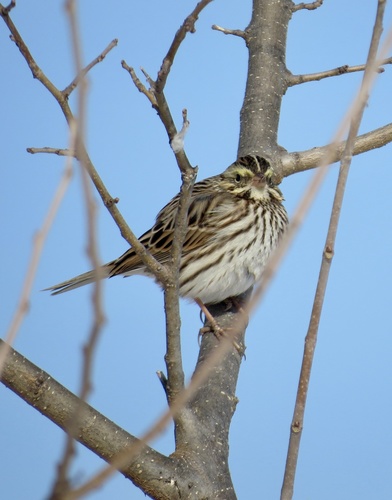 Savannah Sparrow
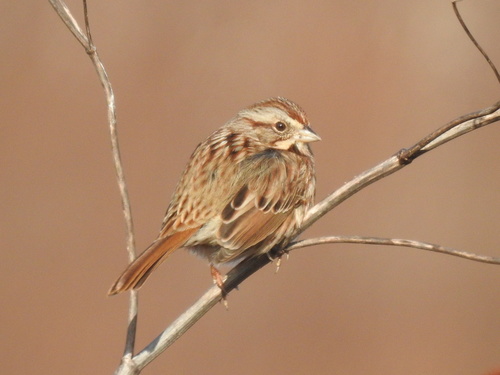 Song Sparrow
In breve
Il segno distintivo più affidabile tra Savannah Sparrow e Song Sparrow è la presenza di un supercilio (sopracciglio) chiaro e netto e spesso lore giallastre su Savannah Sparrow, che Song Sparrow non ha. Savannah Sparrow è generalmente più piccola, più compatta e mostra striature più fini e definite sul petto e sui fianchi, mentre Song Sparrow è più robusta con striature più pesanti e sfocate che spesso si uniscono in una macchia centrale sul petto. Entrambe le specie sono variabili, ma Savannah Sparrow tende a sembrare più ordinata e chiara, specialmente in ambienti di prateria aperta, mentre Song Sparrow appare di un marrone più ricco ed è comune in habitat cespugliosi o paludosi. Entrambe possono essere confuse in piumaggi giovanili o usurati, ma un attento esame del modello del viso e della struttura generale di solito le separa.
Consigli di identificazione
- Cerca un supercilio chiaro (sopracciglio) e lore giallastre: Savannah Sparrow mostra quasi sempre una linea chiara e netta sopra l'occhio e a volte giallo vicino al becco, specialmente in piumaggio fresco. Song Sparrow non ha giallo e ha un viso più sfocato e marrone.
- Controlla le striature del petto: Savannah Sparrow ha striature fini e nette su uno sfondo bianco, di solito non si uniscono in una macchia centrale. Song Sparrow ha striature più ampie e sfocate che spesso formano una macchia scura centrale sul petto.
- Valuta la dimensione e la forma complessiva: Savannah Sparrow è più piccola, più compatta, con una coda più corta e incisa e una testa piatta. Song Sparrow è più robusta, con una coda più lunga e rotonda e un profilo della testa più arrotondato.
- Forma della coda in volo: La coda di Savannah Sparrow è corta e incisa; quella di Song Sparrow è più lunga e arrotondata, spesso pompata in volo o quando è posata.
- Modello del viso: Il viso di Savannah Sparrow è più contrastante, con un supercilio chiaro e spesso lore gialle. Il viso di Song Sparrow è più semplice, con toni marroni e senza giallo.
- Contesto dell'habitat: Savannah Sparrow preferisce praterie aperte e bordi di campi; Song Sparrow si trova in cespugli, paludi e vicino all'acqua.
- Colore e striature della schiena: Savannah Sparrow è generalmente più chiara e più uniformemente striata sopra, mentre Song Sparrow è di un marrone più ricco con meno contrasto e a volte più grigia sul mantello.
- Colore delle gambe: Entrambe hanno gambe chiare, ma quelle di Savannah Sparrow sono color corno; questo è raramente diagnostico sul campo.
- Struttura del becco: Il becco di Savannah Sparrow è più corto e fine, specialmente nelle forme settentrionali e interne; il becco di Song Sparrow è più pesante e lungo, specialmente nei climi più caldi.
- Confusione giovanile/immatura: I giovani Savannah Sparrows mostrano ancora il supercilio chiaro e un viso ordinato, mentre i giovani Song Sparrows sono più opachi e non hanno giallo.
- Comportamento in volo: Savannah Sparrow si alza bassa e rapidamente si nasconde; Song Sparrow può volare più in alto ed è più probabile che si posi dopo essere stata spaventata.
- Canto e richiami: Non trattato in dettaglio qui, ma Song Sparrow è chiamata così per il suo canto ricco e variabile, spesso udito da un posatoio esposto. Il canto di Savannah Sparrow è più sottile e meno musicale.
- Variazione delle sottospecie: Entrambe sono variabili, ma solo Savannah Sparrow mostra giallo nel viso. Savannah Sparrows costieri più scuri possono avvicinarsi a Song Sparrow nel colore ma mantengono il modello facciale.
- Usura stagionale: Entrambe le specie possono apparire più opache in inverno o in piumaggio usurato, ma il modello del viso e la qualità delle striature rimangono utili.
- Quando hai dubbi: Concentrati sul modello del viso (supercilio e giallo), le striature del petto e l'habitat per la separazione più affidabile.
Taglia
Song Sparrow è costantemente più grande e pesante di Savannah Sparrow, con una massa corporea media di 24,0 g contro 19,5 g per Savannah Sparrow [wikidata]. Sul campo, Song Sparrow appare più robusta e con un corpo più lungo, con una testa più rotonda e una coda proporzionalmente più lunga e arrotondata. Savannah Sparrow è più minuta, con una coda più corta e incisa e un aspetto più compatto e con testa piatta. Queste differenze sono sottili ma evidenti quando i due sono visti fianco a fianco o con esperienza.
Piumaggio
- Piumaggio giovanile e immaturo: Entrambe le specie sono variabili, ma i giovani e gli immaturi di Savannah Sparrow mantengono il supercilio chiaro e mostrano spesso un modello di viso più contrastante e ordinato con lore giallastre (specialmente vicino al becco), anche quando le striature sono meno nette. I giovani di Song Sparrow sono più marroni e opachi nel complesso, privi di giallo e mostrano un aspetto più sfocato e macchiato del viso e delle parti inferiori.
- Piumaggio adulto: Gli adulti di Savannah Sparrow hanno una schiena striata di marrone, parti inferiori bianche con striature fini e nette di marrone o nere sul petto e sui fianchi, e un distintivo supercilio chiaro con possibile giallo alle lore. Gli adulti di Song Sparrow sono di un marrone più ricco sopra, con striature più ampie e sfocate sotto che spesso si uniscono in una macchia centrale sul petto. Song Sparrow non ha giallo nel viso e ha un modello facciale più uniforme e marrone con un supercilio meno distintivo.
- Ali e coda: Le penne di volo di Savannah Sparrow sono marrone scuro con bordi chiari, e la coda è più corta e più incisa. La coda di Song Sparrow è più lunga, più rotonda, e il modello generale delle ali è meno contrastante.
Comportamento
Savannah Sparrow di solito si posa bassa o a terra in praterie aperte, spesso spaventandosi con un volo breve e diretto e tornando rapidamente a nascondersi. I suoi movimenti sono rapidi e mirati. Song Sparrow è più probabile che venga vista posata in modo evidente su cespugli, canne o alberi bassi, spesso pompando la coda e muovendosi in modo più lento e deliberato. Song Sparrow è anche più probabile che canti da un posatoio esposto, mentre Savannah Sparrow tende a essere più segreta.
Habitat
Savannah Sparrow è fortemente associata a praterie aperte, campi e bordi di paludi salmastre, raramente avventurandosi in cespugli densi. Song Sparrow è altamente adattabile ma preferisce habitat cespugliosi, arbustivi o paludosi, spesso vicino all'acqua, ed è meno probabile trovarla in praterie aperte lontane da copertura. Se l'uccello si trova in un campo senza alberi o in una prateria costiera, è più probabile che sia Savannah Sparrow; se in cespugli densi o paludi, Song Sparrow è la norma.