

Motmot

ショウドウツバメ 対 オビナシショウドウツバメ

Riparia riparia 対 Stelgidopteryx ruficollis

ショウドウツバメとオビナシショウドウツバメのクイズ
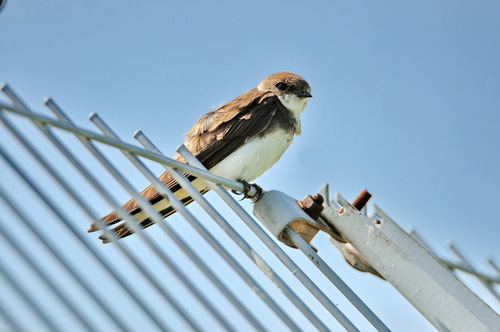
ショウドウツバメ (Riparia riparia) ショウドウツバメ
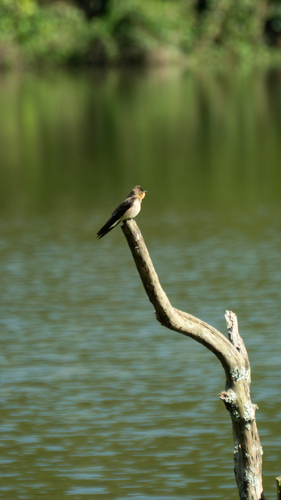
オビナシショウドウツバメ (Stelgidopteryx ruficollis) オビナシショウドウツバメ

メディア

読み込み中…

要点

ショウドウツバメとオビナシショウドウツバメを区別する最も信頼できるフィールドマークは、すべての年齢のショウドウツバメに見られる明確で狭い茶色の胸帯の存在であり、オビナシショウドウツバメには欠けています。幼鳥のショウドウツバメは、赤褐色の先端を持つ翼覆いと二次羽の縁を示しますが、幼鳥のオビナシショウドウツバメは背中の羽毛に淡い縁がありますが、同じ翼のマーキングはありません。ショウドウツバメは小さくてコンパクトで、やや大きく、四角い尾を持ち、遅い飛行のオビナシショウドウツバメと比較して、より速く、ぎこちない飛行をします。両種は上面が茶色で下面が淡いですが、喉と胸の色合いは異なります:ショウドウツバメは白い喉と腹を持ち、オビナシショウドウツバメはシナモン色または黄褐色の喉と黄灰色の腹を示します。止まっている時や飛行中の姿勢では、胸帯と喉の色に注目して最も明確な区別を行います。

識別のコツ

  1. Breast Band (all ages): ショウドウツバメは常に上胸部に狭く、明確な茶色の胸帯を示します。オビナシショウドウツバメには胸帯がなく、その胸は無地または腹よりわずかに暗いですが、マーキングはありません。
  2. Throat Color: ショウドウツバメは胸帯と対照的な清潔な白い喉を持ちます。オビナシショウドウツバメはシナモン色、黄褐色、または鈍い茶色の喉(亜種や年齢によって異なる)を持ち、胸に溶け込み、鋭い対照がありません。
  3. Belly and Underparts: ショウドウツバメの腹と尾の下部は明るい白です。オビナシショウドウツバメの腹は黄灰色の茶色で、尾の下部の覆い羽は白ですが、全体的な印象はショウドウツバメよりも鈍く、鮮明さが欠けています。
  4. Juvenile Wing Coverts: 幼鳥のショウドウツバメは翼覆いに赤褐色の先端と二次羽に赤褐色の縁を持ち、良い光や近くの視点で見ることができます。幼鳥のオビナシショウドウツバメは背中の羽毛に淡い縁がありますが、翼にはなく、ショウドウツバメの翼の領域で赤褐色を確認してください。
  5. Tail Shape: ショウドウツバメの尾はわずかに分かれており、特に飛行中に目立ちます。オビナシショウドウツバメの尾は四角です。
  6. Size and Structure: ショウドウツバメは小さくてコンパクトで、短いくちばしと速く、ぎこちない飛行を持ちます。オビナシショウドウツバメは重く、がっしりしており、よりリラックスした遅い飛行を持ちます。
  7. Upperparts: 両者は上面が茶色ですが、オビナシショウドウツバメはより暗く、いくつかの亜種ではより淡いまたは白っぽい尾の上部を示すことがあります。ショウドウツバメの背中は無地の茶色です。
  8. Sex Differences: オビナシショウドウツバメのオスのみが外側の初列羽に硬い逆曲がりのバーブを持ちますが、これらはフィールドでは見えません。
  9. Flight Style: ショウドウツバメの飛行は迅速で不規則で、急なターンや下降があります。オビナシショウドウツバメはより安定して飛び、しばしば高い場所や緩い群れで採餌します。
  10. Habitat and Range: 北アメリカでは、ショウドウツバメのみが存在します。南アメリカでは、特に水の近くや開けた国では、繁殖シーズン外に両者が存在する可能性がありますが、ショウドウツバメは移動性で、オビナシショウドウツバメは定住しています。
  11. Perched Posture: ショウドウツバメは止まっているときによりコンパクトで直立しているように見えることが多いですが、オビナシショウドウツバメはより長い体型で重く見えることがあります。
  12. Voice: ショウドウツバメは飛行中に砂利のようなツイッター音を出し、オビナシショウドウツバメの呼び声は提供されたメモには特徴的ではありません。
  13. Subspecies Variation: オビナシショウドウツバメの亜種はより淡い尾の上部やより黄褐色の喉を示すことがありますが、真の胸帯を発達させるものはありません。
  14. Colony Behavior: ショウドウツバメは砂の堤防で大きなコロニーで繁殖しますが、オビナシショウドウツバメは単独または小さなグループで繁殖します。
  15. Seasonal Context: 繁殖シーズン中にホラルクティックで大量に見られる場合、それはショウドウツバメです。南アメリカの繁殖シーズン外では、定住しているオビナシショウドウツバメの中でショウドウツバメを確認するために胸帯をチェックしてください。

大きさ

ショウドウツバメはわずかに小さく、体長は12〜13 cm、体重は11〜16 g(移動前は最大19.5 g)です [wikipedia]。オビナシショウドウツバメは約13 cmの長さで、体重は14〜18 gです [wikipedia]。翼幅はショウドウツバメのみ(26.5〜29 cm)で示されていますが、全体的にオビナシショウドウツバメはよりがっしりして重い印象を与えます。尾の形も異なります:ショウドウツバメはわずかに分かれた尾を持ち、オビナシショウドウツバメの尾は四角です。

羽色

行動

ショウドウツバメは通常、急速でぎこちない翼の拍動と方向の急な変化で飛び、水面や開けた地面の上を低く飛ぶことが多いです。オビナシショウドウツバメはより遅く、リラックスした飛行スタイルを持ち、小さな群れで採餌することが多く、時には地面や水の上で高く飛ぶことがあります。ショウドウツバメは繁殖中に大きなコロニーで見られる可能性が高いですが、オビナシショウドウツバメは単独または小さなグループで繁殖します。両種は飛行中に昆虫を捕まえますが、ショウドウツバメの飛行はより狂乱的でコンパクトです。

生息環境

ショウドウツバメは砂の堤防、川の縁、同様の開けた生息地でコロニーを作り、主にホラルクティック(ヨーロッパ、アジア、北アメリカ)で繁殖し、アフリカ、南アジア、南アメリカで冬を越します。オビナシショウドウツバメは中南米(チリを除く)で定住または移動性で、特に水の近くや森林内の開けた場所、高地のアンデスで見られます。重複は南アメリカの繁殖シーズン外にのみ可能ですが、ショウドウツバメは一般的に移動性であり、オビナシショウドウツバメは定住または部分的に移動します。

声

ショウドウツバメは飛行中に連続的で砂利のようなツイッター音を出し、止まっているときには会話のような低音を出し、捕食者に対しては厳しい警報音を出します。提供されたメモにはオビナシショウドウツバメの特徴的な声は記載されていないため、これらの情報に基づいてフィールドでの声は信頼できる区別にはなりません。

より良い説明を送る

比較と同じ項目を使ってください。文章はすぐに公開されます。

The most reliable field mark to separate Sand Martin from Southern Rough-winged Swallow is the presence of a distinct, narrow brown breast band on Sand Martin of all ages, which Southern Rough-winged Swallow lacks. Juvenile Sand Martins also show rufous-tipped wing coverts and secondary edges, while juvenile Southern Rough-winged Swallows have pale-edged back feathers but not the same wing markings. Sand Martin is smaller and more compact, with a quicker, jerkier flight, compared to the slightly larger, square-tailed, and slower-flying Southern Rough-winged Swallow. Both species are brown above and pale below, but throat and breast coloration differ: Sand Martin has a white throat and belly, while Southern Rough-winged Swallow shows a cinnamon or tawny-buff throat and a yellowish-gray-brown belly. In perched or flight views, focus on the breast band and throat color for the clearest separation.

  1. Breast Band (all ages): Sand Martin always shows a narrow, well-defined brown breast band across the upper chest. Southern Rough-winged Swallow never has a breast band; its breast is plain or slightly darker than the belly but unmarked.
  2. Throat Color: Sand Martin has a clean white throat, contrasting with the brown breast band. Southern Rough-winged Swallow has a cinnamon, tawny-buff, or duller brownish throat (depending on subspecies and age), blending into the breast and lacking sharp contrast.
  3. Belly and Underparts: Sand Martin's belly and undertail are bright white. Southern Rough-winged Swallow's belly is yellowish-gray-brown, and undertail coverts are white, but the overall effect is dingier and less crisp than Sand Martin.
  4. Juvenile Wing Coverts: Juvenile Sand Martins have rufous tips to the wing coverts and rufous edges to the secondaries, visible in good light or close views. Juvenile Southern Rough-winged Swallows have pale edges to back feathers, not on the wings, so check for rufous in the wing area for Sand Martin.
  5. Tail Shape: Sand Martin's tail is slightly forked, especially noticeable in flight. Southern Rough-winged Swallow's tail is square.
  6. Size and Structure: Sand Martin is smaller and more compact, with a short bill and quick, jerky flight. Southern Rough-winged Swallow is heavier, bulkier, and has a more relaxed, slower flight.
  7. Upperparts: Both are brown above, but Southern Rough-winged Swallow is darker and may show a paler or whitish rump in some subspecies. Sand Martin's back is plain brown.
  8. Sex Differences: Only male Southern Rough-winged Swallows have stiff recurved barbs on the outer primaries, but these are not visible in the field.
  9. Flight Style: Sand Martin's flight is rapid and erratic, with quick turns and dips. Southern Rough-winged Swallow flies more steadily and often forages higher or in looser flocks.
  10. Habitat and Range: In North America, only Sand Martin occurs. In South America, especially near water or in open country, both may be present in the non-breeding season, but Sand Martin is a migrant and Southern Rough-winged Swallow is resident.
  11. Perched Posture: Sand Martin often appears more compact and upright when perched, while Southern Rough-winged Swallow may look longer-bodied and heavier.
  12. Voice: Sand Martin gives a gravelly twittering in flight; Southern Rough-winged Swallow's call is not distinctive in the provided notes.
  13. Subspecies Variation: Southern Rough-winged Swallow subspecies may show paler rumps or more tawny throats, but none develop a true breast band.
  14. Colony Behavior: Sand Martin breeds in large colonies in sandy banks; Southern Rough-winged Swallow breeds singly or in small groups.
  15. Seasonal Context: If seen in large numbers in the Holarctic during the breeding season, it's Sand Martin. In South America outside the breeding season, check for the breast band to confirm Sand Martin among resident Southern Rough-winged Swallows.

Sand Martin is slightly smaller, measuring 12–13 cm in length and weighing 11–16 g (up to 19.5 g pre-migration) [wikipedia]. Southern Rough-winged Swallow is about 13 cm long and heavier at 14–18 g [wikipedia]. Wingspan is only given for Sand Martin (26.5–29 cm), but overall, Southern Rough-winged Swallow appears bulkier and heavier-built. Tail shape also differs: Sand Martin has a slightly forked tail, while Southern Rough-winged Swallow's tail is square.

  • Juveniles: Sand Martin juveniles show rufous tips to the wing coverts and rufous margins to the secondaries, which can be visible in flight or at rest. Southern Rough-winged Swallow juveniles have pale edges on back feathers, but not on the wing coverts or secondaries, so this is a key difference for immatures.
  • Adults: Sand Martin of all ages and sexes has a clear, narrow brown breast band separating the white throat from the white belly. Southern Rough-winged Swallow lacks any breast band; instead, adults have a cinnamon (or tawny-buff, depending on subspecies) throat and a yellowish-gray-brown belly, with a dark gray-brown breast that blends into the underparts. Their upperparts are both brown, but Southern Rough-winged Swallow is darker and may show a paler rump in some subspecies. Sand Martin's underparts are clean white except for the breast band, while Southern Rough-winged Swallow's are dingier and more washed with brown or yellowish tones.
  • Wing and tail: Sand Martin has a slightly forked tail; Southern Rough-winged Swallow's tail is square. Only male Southern Rough-winged Swallows have stiff recurved barbs on the outer primaries (not visible in the field).

Sand Martin typically flies with rapid, jerky wingbeats and quick changes of direction, often low over water or open ground. Southern Rough-winged Swallow has a slower, more relaxed flight style, often foraging in small flocks and sometimes higher above ground or water. Sand Martin is more likely to be seen in large colonies during breeding, while Southern Rough-winged Swallow breeds singly or in small groups. Both species catch insects in flight, but Sand Martin's flight is more frenetic and compact.

Sand Martin breeds in colonies in sandy banks, river edges, and similar open habitats, mostly in the Holarctic (Europe, Asia, North America), and winters in Africa, southern Asia, and South America. Southern Rough-winged Swallow is resident or migratory in Central and South America (except Chile), found in a wide range of open habitats, especially near water, but also in clearings within forests and up to high elevations in the Andes. Overlap is possible only in South America during the non-breeding season, but Sand Martin is generally a migrant there, while Southern Rough-winged Swallow is resident or a partial migrant.

Sand Martin gives a continuous, gravelly twittering in flight and a conversational undertone when perched, with a harsh alarm call in response to predators. No distinctive vocalization is described for Southern Rough-winged Swallow in the provided notes, so voice is not a reliable separator in the field based on these sources.

変更を破棄しますか?

保存していない編集があります。今離れると失われます。

ショウドウツバメ · オビナシショウドウツバメ · 苦手な鳥