

Motmot

アカフトオハチドリ 対 フトオハチドリ

Selasphorus rufus 対 Selasphorus platycercus

アカフトオハチドリとフトオハチドリのクイズ
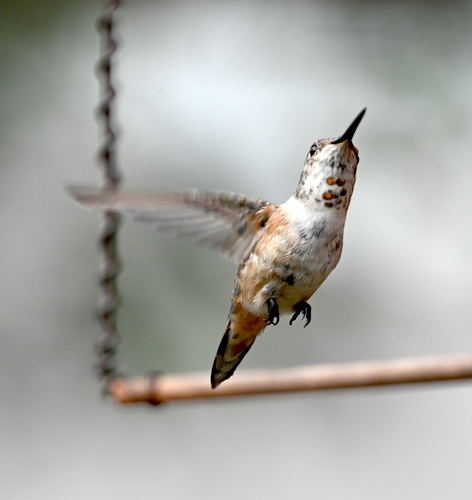
アカフトオハチドリ (Selasphorus rufus) アカフトオハチドリ
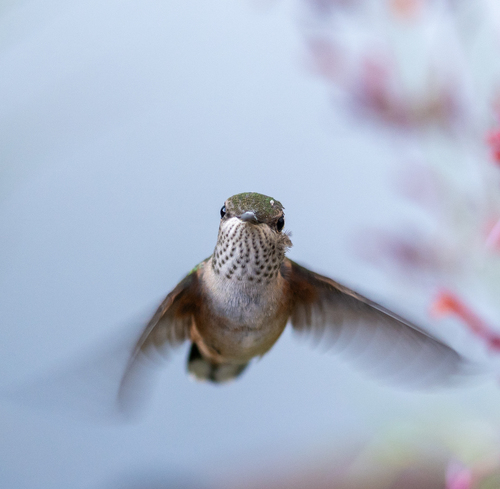
フトオハチドリ (Selasphorus platycercus) フトオハチドリ

メディア

読み込み中…

要点

アカフトオハチドリとフトオハチドリの最も信頼できるフィールドマークは、成鳥の全体的な色合いと尾の構造ですが、注意が必要です:両種の雌と幼鳥は非常に似ており、フィールドでの識別は非常に難しい場合があります。成鳥のオスのアカフトオハチドリは通常、背中、側面、尾が豊かな赤褐色ですが、成鳥のオスのフトオハチドリは緑色の背中とバラ色のゴルゲットを持っています。両種の雌は、尾のパターンと背中の色の微妙な違いで最もよく識別できますが、重複はかなりあります。サイズと構造はわずかな手がかりを提供しますが、フィールドでは常に信頼できるわけではありません。声や生息地は役立ちますが、識別のために単独で使用すべきではありません。

識別のコツ

  1. 成鳥オスの背中の色: アカフトオハチドリのオスは通常、背中、側面、尾が豊かな赤褐色です; フトオハチドリのオスは、ほとんど赤褐色がない緑色の背中を持っています。これは良い光の中での最も迅速な識別です。
  2. ゴルゲットの色(成鳥オス): アカフトオハチドリはオレンジ赤色のゴルゲットを示します; フトオハチドリはバラ色のゴルゲットを持っています。どちらも暗い光の中では暗く見えることがあるので、注意して使用してください。
  3. 尾の構造(成鳥オス): アカフトオハチドリのオスは切れ込みのある第二尾羽(R2)を持っており、近くで見ると微妙ですが信頼できるマークです。フトオハチドリのオスの尾はより丸みを帯びており、この明確な切れ込みがありません。
  4. 雌/幼鳥の背中と側面の色: 両方とも緑色の背中と赤褐色/シナモン色の側面を示しますが、アカフトオハチドリの雌は特に尾と側面でより広範囲に赤褐色を示すことがあります。重複は広範囲にわたるため、これだけに頼らないでください。
  5. 尾のパターン(雌/幼鳥): 両方とも白い先端と赤褐色の基部を持つ暗い尾を持っています。アカフトオハチドリの雌は尾の基部でより多くの赤褐色を持つことがありますが、これは変動があり、常に見えるわけではありません。
  6. 白い目のリング(フトオハチドリの雌/幼鳥): フトオハチドリの雌と幼鳥はしばしば明確な白い目のリングを示し、アカフトオハチドリよりも目立ちます。これは役立つが決定的ではないマークです。
  7. 頬の斑点(フトオハチドリの雌/幼鳥): フトオハチドリの雌は斑点のある頬を示し、アカフトオハチドリでは欠如またはあまり目立ちません。他のマークと組み合わせて使用してください。
  8. 機械的な羽音(成鳥オスのフトオハチドリ): 飛行中に大きな昆虫のような羽音を聞いた場合、それはフトオハチドリのオスです。アカフトオハチドリのオスはこの音を出しません。
  9. サイズ: フトオハチドリはわずかに大きいですが、これは鳥が並んでいないと判断が難しいです。
  10. 攻撃的な行動: アカフトオハチドリのオスは特に攻撃的で領土意識が強く、他のハチドリを追い払うことがよくあります。フトオハチドリのオスも領土意識がありますが、ディスプレイに依存することが多いです。
  11. 生息地と標高: フトオハチドリは繁殖期に特に高い標高で見られる可能性が高いです。アカフトオハチドリは広範囲に分布し、特に移動中に見られます。
  12. 移動のタイミング: アカフトオハチドリの成鳥、特にオスは、雌や幼鳥よりも早く移動します。フトオハチドリのオスも繁殖地に早く到着しますが、タイミングは重なります。
  13. くちばしの形: 両方とも長く、まっすぐで細いくちばしを持っています; 識別には役立ちません。
  14. 幼鳥/幼体の識別: 幼鳥と幼体はフィールドで非常に識別が難しく、非常によく見ない限り「Selasphorus sp.」として残すのが最良です。
  15. 文脈: 疑問がある場合は、場所、標高、季節を考慮してくださいが、常に範囲の仮定よりも直接のフィールドマークを優先してください。

大きさ

フトオハチドリはわずかに大きく、平均して約10 cm (4 in) の長さで、翼幅は13.3 cm (5.25 in)、重さは約3.6 gです。アカフトオハチドリは小さく、7–9 cm (3–3.5 in) の長さで、翼幅は約11 cm (4.5 in)、重さは2–5 gです。サイズの違いは微妙で、特に鳥が並んでいないときはフィールドで明らかではありません。両種はわずかな性差を示し、雌はオスよりもわずかに大きいです。

羽色

成鳥のオスのアカフトオハチドリは、主に赤褐色の背中、側面、尾を示し、虹色のオレンジ赤色のゴルゲットを持っています。一部のオスは背中や冠に緑色を持っていますが、全体的な赤褐色のトーンが支配しています。フトオハチドリの成鳥のオスは明るいバラ色のゴルゲット、虹色の緑色の背中、緑色の縁を持つ丸い黒い尾を持っています。両種の雌と幼鳥は非常に似ており:緑色の背中、白い腹部、シナモン色/赤褐色の側面、白い先端と赤褐色の基部を持つ暗い尾を持っています。アカフトオハチドリの雌は尾と側面でより多くの赤褐色を示すことがありますが、これは変動があり、フトオハチドリと重なります。成鳥のオスのアカフトオハチドリの重要なマークは「切れ込みのある」第二尾羽(R2)で、これはフトオハチドリではあまり目立たないか、欠如しています。フトオハチドリの雌は白い目のリングと斑点のある頬を持ち、アカフトオハチドリでは目立たないか、欠如しています。幼鳥と幼体の鳥はフィールドでほとんど区別がつかず、特に飛行中は、近くでの検査なしでは識別されないことが多いです。

行動

アカフトオハチドリは特に攻撃的で領土意識が強く、特にオスは花が豊富な領土を守り、他のハチドリを追い払うことがよくあります。フトオハチドリも領土意識がありますが、オスはディスプレイや領土防衛に独特の羽音を使用します。両種はホバリングして蜜や昆虫を食べますが、アカフトオハチドリのオスは翼が短く、より高い羽ばたき頻度とエネルギー集約的なホバリングを引き起こします。両種の雌は、食料源の間をより効率的に飛ぶために、より長い翼を持っています。飛行中、フトオハチドリのオスはアカフトオハチドリにはない独特の機械的な羽音を出します。

生息環境

アカフトオハチドリは北アメリカ西部で繁殖し、しばしば開けたまたは低木の生息地で見られ、ロッキー山脈を含む長距離を移動します。フトオハチドリは、アメリカ西部とカナダからメキシコ、グアテマラまでの高地地域を好み、しばしば山地の草原、開けた森林、高標高の生息地で見られます。移動回廊にはいくつかの重複がありますが、フトオハチドリはより高い標高に関連しており、アカフトオハチドリは特に移動中により広範囲の高度で見られます。

声

フトオハチドリのオスは、飛行中やディスプレイ中に独特の機械的な「羽音」を出し、特に繁殖期には75メートル離れた場所でも聞こえます。彼らの鳴き声は鋭く、繰り返される「チート」です。アカフトオハチドリは羽音を出さず、その声はあまり特徴的ではなく、音符に強調されていません。大きな昆虫のような羽音を聞いた場合、あなたはおそらくフトオハチドリのオスを聞いています。

より良い説明を送る

比較と同じ項目を使ってください。文章はすぐに公開されます。

The most reliable field mark between Rufous and Broad-tailed Hummingbirds is the overall coloration and tail structure in adults, but beware: females and immatures of both species are extremely similar, and separating them in the field can be very challenging. Adult male Rufous Hummingbirds are typically rich rufous on the back, flanks, and tail, while adult male Broad-taileds have a green back and a rose-red gorget. Females of both species are best separated by subtle differences in tail pattern and back color, but overlap is considerable. Size and structure offer minor clues, but are not always reliable in the field. Vocalizations and habitat can help, but should not be used alone for identification.

  1. Adult male back color: Rufous males are usually rich rufous on the back, flanks, and tail; Broad-tailed males have a green back with little or no rufous. This is the quickest separation in good light.
  2. Gorget color (adult males): Rufous shows an orange-red gorget; Broad-tailed has a rose-red gorget. Both can appear dark in poor light, so use with caution.
  3. Tail structure (adult males): Rufous male has a notched second rectrix (R2), a subtle but reliable mark up close. Broad-tailed male's tail is more rounded and lacks this pronounced notch.
  4. Female/immature back and flank color: Both show green backs and rufous/cinnamon flanks, but Rufous females may show more extensive rufous, especially in the tail and flanks. Overlap is extensive; do not rely on this alone.
  5. Tail pattern (females/immatures): Both have dark tails with white tips and rufous bases. Rufous females may have more rufous at the tail base, but this is variable and not always visible.
  6. White eye ring (Broad-tailed female/immature): Broad-tailed females and immatures often show a clear white eye ring, more prominent than in Rufous. This is a helpful but not definitive mark.
  7. Cheek spots (Broad-tailed female/immature): Broad-tailed females show spotted cheeks, which are absent or less obvious in Rufous. Use this in combination with other marks.
  8. Mechanical wing trill (adult male Broad-tailed): If you hear a loud, insect-like wing trill in flight, it is a Broad-tailed male. Rufous males do not produce this sound.
  9. Size: Broad-tailed is slightly larger, but this is hard to judge unless birds are side by side.
  10. Aggressive behavior: Rufous males are especially aggressive and territorial, often chasing other hummingbirds. Broad-tailed males are also territorial but rely more on display.
  11. Habitat and elevation: Broad-tailed is more likely at higher elevations, especially in breeding season. Rufous is widespread, especially during migration.
  12. Migration timing: Rufous adults, especially males, migrate earlier than females and immatures. Broad-tailed males also arrive early on breeding grounds, but timing overlaps.
  13. Bill shape: Both have long, straight, slender bills; not useful for separation.
  14. Juvenile/immature separation: Juveniles and immatures are extremely difficult to separate in the field and are often best left as 'Selasphorus sp.' unless seen very well.
  15. Context: If in doubt, consider location, elevation, and season, but always prioritize direct field marks over range assumptions.

Broad-tailed Hummingbird is slightly larger, averaging about 10 cm (4 in) in length with a wingspan of 13.3 cm (5.25 in) and a weight around 3.6 g. Rufous Hummingbird is smaller, at 7–9 cm (3–3.5 in) long, wingspan about 11 cm (4.5 in), and weight 2–5 g. The size difference is subtle and not always apparent in the field, especially when birds are not side by side. Both species show slight sexual dimorphism, with females being marginally larger than males.

For adult males, Rufous Hummingbird shows a mostly rufous back, flanks, and tail, with an iridescent orange-red gorget. Some males have green on the back or crown, but the overall rufous tone dominates. Broad-tailed adult males have a bright rose-red gorget, iridescent green back, and a rounded black tail with green edges. Females and immatures of both species are very similar: green backs, white underparts, cinnamon/rufous flanks, and dark tails with white tips and rufous bases. Female Rufous may show more rufous in the tail and flanks, but this is variable and overlaps with Broad-tailed. A key mark for adult male Rufous is the 'notched' second rectrix (R2), which is less pronounced or absent in Broad-tailed. Broad-tailed females have a white eye ring and spotted cheeks, which are less prominent or absent in Rufous. Juvenile and immature birds are nearly indistinguishable in the field, especially in flight, and are often best left unidentified without close inspection.

Rufous Hummingbirds are notably aggressive and territorial, especially males, which defend flower-rich territories and often chase away other hummingbirds. Broad-tailed Hummingbirds are also territorial, but males use distinctive wing trills in display and territory defense. Both species hover and feed on nectar and insects, but Rufous males have shorter wings, leading to higher wingbeat frequencies and more energy-intensive hovering. Females of both species have longer wings for more efficient flight, as they range farther between food sources. In flight, Broad-tailed males produce a distinctive mechanical wing trill, absent in Rufous.

Rufous Hummingbirds breed in western North America, often in open or shrubby habitats, and migrate long distances, including through the Rockies. Broad-tailed Hummingbirds favor highland regions from the western US and Canada to Mexico and Guatemala, often found in montane meadows, open woodlands, and high-elevation habitats. There is some overlap in migration corridors, but Broad-tailed is more associated with higher elevations, while Rufous can be found at a wider range of altitudes, especially during migration.

Broad-tailed Hummingbird males produce a distinctive mechanical 'wing trill' during flight and display, especially audible in the breeding season and up to 75 meters away. Their call is a sharp, repeated 'cheet'. Rufous Hummingbird does not produce a wing trill; its vocalizations are less distinctive and not emphasized in the notes. If you hear a loud, insect-like wing trill, you are likely hearing a Broad-tailed male.

変更を破棄しますか?

保存していない編集があります。今離れると失われます。

アカフトオハチドリ · フトオハチドリ · 苦手な鳥