

Rufous Hummingbird vs Broad-tailed Hummingbird
Selasphorus rufus contro Selasphorus platycercus
Fai un quiz con Rufous Hummingbird e Broad-tailed Hummingbird
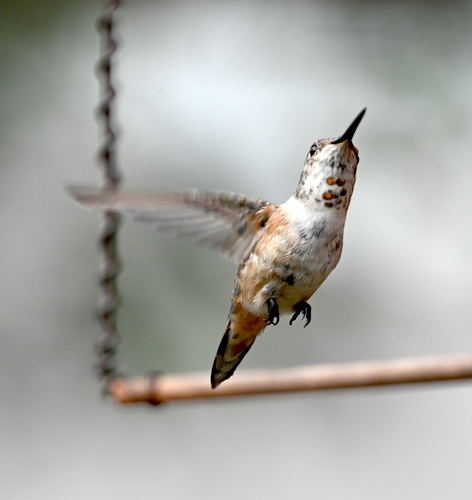 Rufous Hummingbird
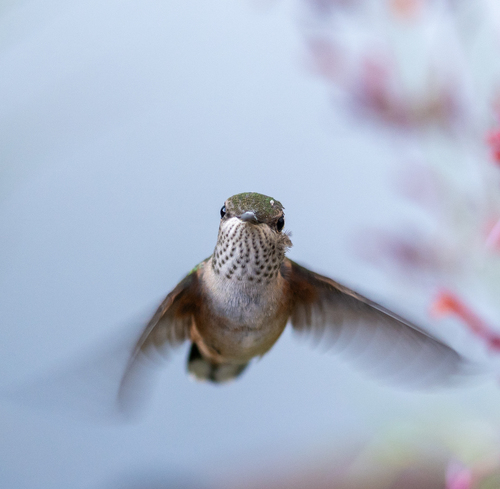 Broad-tailed Hummingbird
In breve
Il segno distintivo più affidabile tra i Colibrì Rufous e i Colibrì Broad-tailed è la colorazione generale e la struttura della coda negli adulti, ma attenzione: le femmine e gli immaturi di entrambe le specie sono estremamente simili, e separarli sul campo può essere molto difficile. I Colibrì Rufous maschi adulti sono tipicamente di un ricco colore rufous sulla schiena, i fianchi e la coda, mentre i Colibrì Broad-tailed maschi adulti hanno una schiena verde e un gorget rosa-rosso. Le femmine di entrambe le specie si distinguono meglio per sottili differenze nel modello della coda e nel colore della schiena, ma la sovrapposizione è considerevole. La dimensione e la struttura offrono indizi minori, ma non sono sempre affidabili sul campo. Le vocalizzazioni e l'habitat possono aiutare, ma non dovrebbero essere usati da soli per l'identificazione.
Consigli di identificazione
- Colore della schiena del maschio adulto: I maschi Rufous sono di solito di un ricco colore rufous sulla schiena, i fianchi e la coda; i maschi Broad-tailed hanno una schiena verde con poco o nessun rufous. Questa è la separazione più rapida in buona luce.
- Colore del gorget (maschi adulti): I Rufous mostrano un gorget arancio-rosso; i Broad-tailed hanno un gorget rosa-rosso. Entrambi possono apparire scuri in scarsa luce, quindi usali con cautela.
- Struttura della coda (maschi adulti): Il maschio Rufous ha una seconda rectrix (R2) intagliata, un segno sottile ma affidabile da vicino. La coda del maschio Broad-tailed è più arrotondata e manca di questo intaglio pronunciato.
- Colore della schiena e dei fianchi di femmine/immaturi: Entrambi mostrano schiene verdi e fianchi rufous/cannella, ma le femmine Rufous possono mostrare un rufous più esteso, specialmente nella coda e nei fianchi. La sovrapposizione è estesa; non fare affidamento su questo da solo.
- Modello della coda (femmine/immaturi): Entrambi hanno code scure con punte bianche e basi rufous. Le femmine Rufous possono avere più rufous alla base della coda, ma questo è variabile e non sempre visibile.
- Anello oculare bianco (femmina/immatura Broad-tailed): Le femmine e gli immaturi Broad-tailed mostrano spesso un chiaro anello oculare bianco, più prominente rispetto ai Rufous. Questo è un segno utile ma non definitivo.
- Macchie sulle guance (femmina/immatura Broad-tailed): Le femmine Broad-tailed mostrano guance macchiate, che sono assenti o meno evidenti nei Rufous. Usa questo in combinazione con altri segni.
- Trillo meccanico delle ali (maschio adulto Broad-tailed): Se senti un forte trillo delle ali simile a un insetto in volo, è un maschio Broad-tailed. I maschi Rufous non producono questo suono.
- Dimensione: Il Broad-tailed è leggermente più grande, ma è difficile giudicare a meno che gli uccelli non siano affiancati.
- Comportamento aggressivo: I maschi Rufous sono particolarmente aggressivi e territoriali, spesso inseguendo altri colibrì. I maschi Broad-tailed sono anche territoriali ma si affidano di più alla mostra.
- Habitat e altitudine: Il Broad-tailed è più probabile che si trovi a altitudini più elevate, specialmente durante la stagione di riproduzione. Il Rufous è diffuso, specialmente durante la migrazione.
- Tempistica della migrazione: Gli adulti Rufous, specialmente i maschi, migrano prima delle femmine e degli immaturi. I maschi Broad-tailed arrivano anche presto nei luoghi di riproduzione, ma la tempistica si sovrappone.
- Forma del becco: Entrambi hanno becchi lunghi, dritti e snelli; non utili per la separazione.
- Separazione dei giovanili/immaturi: I giovanili e gli immaturi sono estremamente difficili da separare sul campo e spesso è meglio lasciarli come 'Selasphorus sp.' a meno che non siano visti molto bene.
- Contesto: In caso di dubbio, considera la posizione, l'altitudine e la stagione, ma dai sempre priorità ai segni diretti sul campo rispetto alle assunzioni di distribuzione.
Taglia
Il Colibrì Broad-tailed è leggermente più grande, con una lunghezza media di circa 10 cm (4 in) e un'apertura alare di 13,3 cm (5,25 in) e un peso di circa 3,6 g. Il Colibrì Rufous è più piccolo, con una lunghezza di 7–9 cm (3–3,5 in), un'apertura alare di circa 11 cm (4,5 in) e un peso di 2–5 g. La differenza di dimensione è sottile e non sempre apparente sul campo, specialmente quando gli uccelli non sono affiancati. Entrambe le specie mostrano un leggero dimorfismo sessuale, con le femmine che sono marginalmente più grandi dei maschi.
Piumaggio
Per i maschi adulti, il Colibrì Rufous mostra una schiena, fianchi e coda per lo più rufous, con un gorget arancio-rosso iridescente. Alcuni maschi hanno verde sulla schiena o sulla corona, ma il tono rufous complessivo domina. I maschi adulti Broad-tailed hanno un gorget rosa-rosso brillante, una schiena verde iridescente e una coda nera arrotondata con bordi verdi. Le femmine e gli immaturi di entrambe le specie sono molto simili: schiene verdi, parti inferiori bianche, fianchi rufous/cannella e code scure con punte bianche e basi rufous. La femmina Rufous può mostrare più rufous nella coda e nei fianchi, ma questo è variabile e si sovrappone con il Broad-tailed. Un segno chiave per il maschio adulto Rufous è la seconda rectrix (R2) 'intagliata', che è meno pronunciata o assente nel Broad-tailed. Le femmine Broad-tailed hanno un anello oculare bianco e guance macchiate, che sono meno prominenti o assenti nei Rufous. Gli uccelli giovanili e immaturi sono quasi indistinguibili sul campo, specialmente in volo, e spesso è meglio lasciarli non identificati senza un'ispezione ravvicinata.
Comportamento
I Colibrì Rufous sono notevolmente aggressivi e territoriali, specialmente i maschi, che difendono territori ricchi di fiori e spesso inseguono altri colibrì. I Colibrì Broad-tailed sono anche territoriali, ma i maschi usano trilli distintivi delle ali nella mostra e nella difesa del territorio. Entrambe le specie si librano e si nutrono di nettare e insetti, ma i maschi Rufous hanno ali più corte, portando a frequenze di battito alare più elevate e a un volo più energetico. Le femmine di entrambe le specie hanno ali più lunghe per un volo più efficiente, poiché si spostano più lontano tra le fonti di cibo. In volo, i maschi Broad-tailed producono un trillo meccanico distintivo delle ali, assente nei Rufous.
Habitat
I Colibrì Rufous si riproducono nel nord-ovest dell'America, spesso in habitat aperti o cespugliosi, e migrano per lunghe distanze, anche attraverso le Montagne Rocciose. I Colibrì Broad-tailed preferiscono le regioni montane dagli Stati Uniti occidentali e dal Canada fino al Messico e al Guatemala, spesso trovati in prati montani, boschi aperti e habitat ad alta quota. C'è una certa sovrapposizione nei corridoi migratori, ma il Broad-tailed è più associato a altitudini più elevate, mentre il Rufous può essere trovato a un'ampia gamma di altitudini, specialmente durante la migrazione.
Voce
I maschi Colibrì Broad-tailed producono un distintivo 'trillo meccanico delle ali' durante il volo e la mostra, specialmente udibile durante la stagione di riproduzione e fino a 75 metri di distanza. Il loro richiamo è un 'cheet' acuto e ripetuto. Il Colibrì Rufous non produce un trillo delle ali; le sue vocalizzazioni sono meno distintive e non enfatizzate nelle note. Se senti un forte trillo delle ali simile a un insetto, è probabile che tu stia sentendo un maschio Broad-tailed.
Rufous Hummingbird · Broad-tailed Hummingbird · I miei uccelli difficili