

Motmot

セアカカマドドリ 対 ソウゲンノジコ

Furnarius rufus 対 Embernagra platensis

セアカカマドドリとソウゲンノジコのクイズ
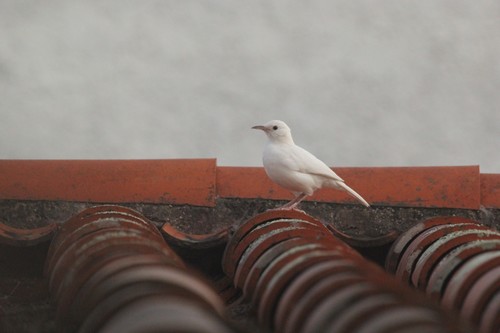
セアカカマドドリ (Furnarius rufus) セアカカマドドリ
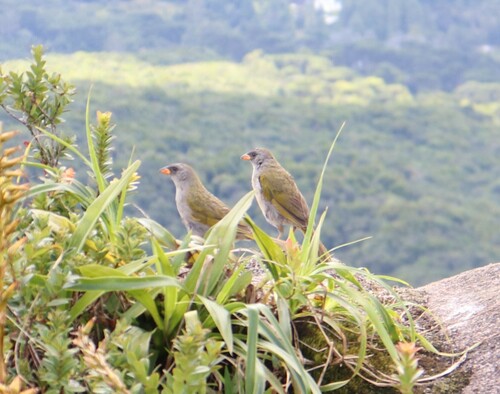
ソウゲンノジコ (Embernagra platensis) ソウゲンノジコ

メディア

読み込み中…

要点

セアカカマドドリとソウゲンノジコを区別する最も信頼できるフィールドマークは、全体の色合いと頭の模様です:セアカカマドドリは均一な赤褐色の鳥で、鈍い茶色の冠と淡い腹部を持っています。一方、ソウゲンノジコは上面が草緑色で、灰色の頭と大胆な暗い顔のマスクがあります。飛んでいるときや止まっているとき、カマドドリは四角い尾とシナモン色の翼帯を示しますが、ソウゲンノジコは長い尾と緑がかった翼を持ち、暗い三次羽があります。くちばしの形も異なります:カマドドリのくちばしは細長く、わずかに下向きですが、ソウゲンノジコは太く円錐形のくちばしを持っています。両種は分布域と生息地が重なりますが、構造と羽毛はよく見ると明確に異なります。

識別のコツ

  1. Overall color: セアカカマドドリは上面と下面が温かい赤褐色ですが、ソウゲンノジコは上面が草緑色で、灰色の頭と主に灰色の腹部を持っています。
  2. Head pattern: ソウゲンノジコの灰色の頭に目を通して大胆な暗いマスクを探してください;カマドドリには顔のマスクがなく、平坦で鈍い茶色の冠があります。
  3. Bill shape: カマドドリは細長く、わずかに下向きのくちばしを持っています;ソウゲンノジコのくちばしは太く、円錐形で、オレンジ色で黒いクルメンがあります—特に近距離で明らかです。
  4. Tail shape and length: カマドドリは短くて四角い尾を持っています;ソウゲンノジコの尾は長く尖っており、緑がかった中央の羽と暗い外側の羽が緑で縁取られています。
  5. Wing pattern: カマドドリは淡い茶色の翼にシナモン色の翼帯と黒っぽい飛翔羽を示します;ソウゲンノジコの翼は草緑色で、広い黒っぽい三次羽がありますが、明確な翼帯はありません。
  6. Underparts: カマドドリは淡いバフ色の茶色の腹部を持ち、時々若鳥ではわずかに淡くなります;ソウゲンノジコは主に灰色の腹部を持ち、淡い喉とオフホワイトの腹を持ち、時々シナモン色の洗いがあります。
  7. Back and mantle: カマドドリは均一な赤褐色です;ソウゲンノジコ(標準型)は緑がかった背中とマントルに暗い筋があります(注:筋がない亜種もあります)。
  8. Leg color: ソウゲンノジコは鈍いピンク色または明るい黄色からオレンジ色の足を持っています(亜種によって異なります);カマドドリの足の色はフィールドでは特に目立ちません。
  9. Behavior: カマドドリはしばしば地面を歩き、直立して人間の構造物の近くにいます;ソウゲンノジコは草や低木に止まっていることが多く、あまり建物に依存しません。
  10. Nest type: 近くに大きな粘土の「オーブン」巣が見えたら、それはカマドドリです;ソウゲンノジコは植物の中に小さなカップ巣を作ります。
  11. Song and display: カマドドリの速いトリルの二重唱はユニークで、見られた場合、これがカマドドリを確認します。
  12. Size and jizz: カマドドリはよりがっしりとしていてコンパクトに見えます;ソウゲンノジコは尾が長く、スリムに見えます。
  13. Habitat context: 都市や農業の環境ではカマドドリがより可能性が高いですが、開放的な自然の草原やパンパスではソウゲンノジコが典型的です。
  14. Sex and age: 両種は両性および年齢で似ていますが、若いカマドドリは腹部がわずかに淡いだけです;どちらの種にも強い年齢特有のマークはありません。
  15. Pitfalls: 照明が悪い場合、ソウゲンノジコの緑と灰色は茶色っぽく見えることがありますが、顔のマスクとくちばしの形は信頼できます。カマドドリは決して暗い顔のマスクや緑のトーンを示しません。

大きさ

セアカカマドドリはわずかに重く、平均53gで、長さは18–20cmです。ソウゲンノジコは少し長く、20.5–23cmですが、軽く、体重は45–47gです。カマドドリはよりコンパクトに見え、尾が短く、四角いプロファイルを持っていますが、ソウゲンノジコは尾が長く、体がスリムです。フィールドでは、カマドドリはよりがっしりとして直立して見えるかもしれませんが、ソウゲンノジコはよりスリムで水平な印象を与えます。

羽色

行動

セアカカマドドリは通常、地面を歩き、昆虫を探している姿が見られ、人間の居住地の近くにいることが多いです。大きな粘土の「オーブン」巣を木や人工構造物に作ることで有名で、通常はペアで見られます。ソウゲンノジコはより低木や高い草に止まっていることが多く、時々地面で餌を探しますが、あまり人間に依存しません。その巣は植物の中に置かれた小さなカップのようなもので、枝や草で作られています。カマドドリの直立した姿勢と地面での餌探しの習慣は、ソウゲンノジコのより水平で止まっている行動と対照的です。

生息環境

両種は広く分布域が重なり(アルゼンチン、ボリビア、ブラジル、パラグアイ、ウルグアイ)、開けた国に見られます。セアカカマドドリはサバンナ、牧草地、農地を好み、高度に人間に依存し、建物や道路の近くにいることが多いです。ソウゲンノジコは草原、パンパス、低木の縁を好み、通常は密な人間の居住地から離れています。建物の近くやフェンスの柱の上で見られた場合、カマドドリの可能性が高く、高い草や開けた低木地ではソウゲンノジコが典型的です。

声

セアカカマドドリはその大きく、速いトリルの二重唱でよく知られており、オスとメスでトリルの速度が異なります。歌の間、両性はトリルに合わせて翼を打ちます。ソウゲンノジコの声は提供されたメモには記載されていないため、カマドドリの特徴的な二重唱が聞かれない限り、歌はここでの信頼できる区別要因ではありません。

より良い説明を送る

比較と同じ項目を使ってください。文章はすぐに公開されます。

The most reliable field mark to separate Rufous Hornero from Great Pampa-Finch is overall coloration and head pattern: Rufous Hornero is a uniform reddish-brown bird with a dull brown crown and pale underparts, while Great Pampa-Finch is grass-green above with a gray head and a bold dark facial mask. In flight or perched, the Hornero shows a square tail and cinnamon wingbars, whereas the Pampa-Finch has a long tail and greenish wings with dark tertials. Bill shape also differs: Hornero's bill is slender and slightly decurved, while the Pampa-Finch has a thick, conical bill. Both species overlap in range and habitat, but their structure and plumage are distinct if seen well.

  1. Overall color: Rufous Hornero is warm reddish-brown above and below, while Great Pampa-Finch is grass-green above with a gray head and mostly gray underparts.
  2. Head pattern: Look for the Pampa-Finch's bold dark mask through the eye on a gray head; Hornero lacks any facial mask and has a plain dull brown crown.
  3. Bill shape: Hornero has a slender, slightly decurved bill; Pampa-Finch's bill is thick, conical, and orange with a black culmen—especially obvious at close range.
  4. Tail shape and length: Hornero has a short, square tail; Pampa-Finch's tail is long and pointed, with greenish central feathers and dusky outer feathers edged green.
  5. Wing pattern: Hornero shows cinnamon wingbars on pale brown wings with blackish flight feathers; Pampa-Finch's wings are grass-green with wide blackish tertials but lack distinct wingbars.
  6. Underparts: Hornero is pale buffy brown below, sometimes slightly paler in juveniles; Pampa-Finch is mostly gray below with a paler throat and off-white belly, sometimes with a cinnamon wash.
  7. Back and mantle: Hornero is uniform rufous-brown; Pampa-Finch (nominate) has dark streaks on the greenish back and mantle (note: streaking may be absent in some subspecies).
  8. Leg color: Pampa-Finch has dull pinkish or bright yellow to orange legs (depending on subspecies); Hornero's leg color is not distinctive in the field.
  9. Behavior: Hornero is often seen walking on the ground, upright, and near human structures; Pampa-Finch is more often perched in grass or shrubs, less tied to buildings.
  10. Nest type: If you see a large clay 'oven' nest nearby, it's Hornero; Pampa-Finch builds a small cup nest in vegetation.
  11. Song and display: Hornero's rapid trilled duet, with wing-beating display, is unique; if seen, this confirms Hornero.
  12. Size and jizz: Hornero appears chunkier and more compact; Pampa-Finch is longer-tailed and sleeker.
  13. Habitat context: In urban or agricultural settings, Hornero is more likely; in open natural grassland or pampas, Pampa-Finch is typical.
  14. Sex and age: Both species are similar in both sexes and ages, but juvenile Horneros are only slightly paler below; no strong age-specific marks in either species.
  15. Pitfalls: In poor light, Pampa-Finch's green and gray may look brownish, but the facial mask and bill shape remain reliable. Hornero never shows a dark facial mask or green tones.

Rufous Hornero is slightly heavier, averaging 53 g, and measures 18–20 cm in length. Great Pampa-Finch is a bit longer, at 20.5–23 cm, but lighter, weighing 45–47 g. The Hornero appears more compact with a shorter tail and a square-ended profile, while the Pampa-Finch is longer-tailed and slimmer-bodied. In the field, the Hornero may look chunkier and more upright, whereas the Pampa-Finch gives a sleeker, more horizontal impression.

  • Juvenile/immature marks: Juvenile Rufous Horneros are only slightly paler below than adults, with no dramatic change in upperwing pattern. No age-specific wing pattern is described for either species, so age is not a strong separator in flight.
  • Adult Rufous Hornero is overall reddish-brown (rufous), with a dull brown crown, whitish throat, and pale buffy underparts. The wings are pale brown with blackish flight feathers and cinnamon wingbars. The tail is short and square.
  • Adult Great Pampa-Finch is grass-green above with a gray head and a distinctive dark mask from the lores past the eye. The nape is gray with green tones, and the mantle/back have dark streaks (in nominate). The wings are mostly grass-green with wide blackish tertials, and the tail is long with greenish central feathers and dusky outer feathers edged green. Underparts are mostly gray with a paler throat and off-white belly, sometimes with a cinnamon wash. Bill is orange with a black culmen.
  • Both sexes are similar in both species, and plumage is consistent year-round.

Rufous Hornero is typically seen walking on the ground, foraging for insects, and is often found near human habitation. It is famous for building large, clay 'oven' nests on trees or man-made structures and is usually seen in pairs. Pampa-Finch is more often seen perched on shrubs or tall grass, sometimes foraging on the ground but less synanthropic. Its nest is a cup of sticks and grass, placed low in vegetation. Hornero's upright stance and ground-foraging habits contrast with the more horizontal, perching behavior of the Pampa-Finch.

Both species overlap broadly in range (Argentina, Bolivia, Brazil, Paraguay, Uruguay) and can be found in open country. Rufous Hornero favors savannas, pastures, agricultural land, and is highly synanthropic, often near buildings and roads. Great Pampa-Finch prefers grasslands, pampas, and shrubby edges, usually away from dense human settlement. If seen near buildings or on fence posts, Hornero is more likely; in tall grass or open shrubland, Pampa-Finch is typical.

Rufous Hornero is well known for its loud, rapid trilled duet, with males and females differing in trill speed. During song, both sexes beat their wings in time with the trill. Great Pampa-Finch's vocalizations are not described in the provided notes, so song is not a reliable separator here unless the Hornero's distinctive duet is heard.

変更を破棄しますか?

保存していない編集があります。今離れると失われます。

セアカカマドドリ · ソウゲンノジコ · 苦手な鳥