

Rufous Hornero vs Great Pampa-Finch
Furnarius rufus contro Embernagra platensis
Fai un quiz con Rufous Hornero e Great Pampa-Finch
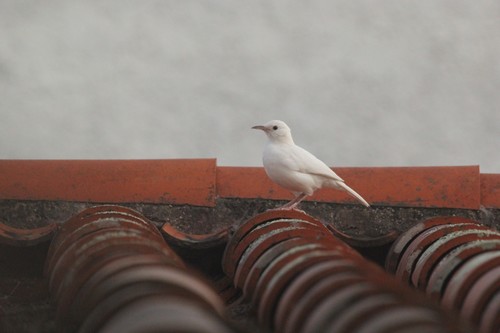 Rufous Hornero
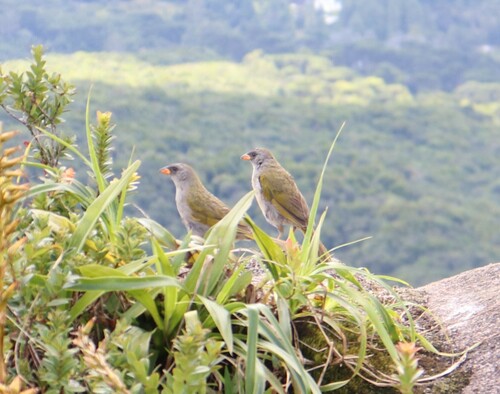 Great Pampa-Finch
In breve
Il segno di campo più affidabile per separare il Rufous Hornero dal Great Pampa-Finch è la colorazione generale e il motivo della testa: il Rufous Hornero è un uccello di colore rosso-bruno uniforme con una corona marrone opaca e parti inferiori chiare, mentre il Great Pampa-Finch è verde erba sopra con una testa grigia e una maschera facciale scura e audace. In volo o posato, l'Hornero mostra una coda quadrata e barre alari color cannella, mentre il Pampa-Finch ha una coda lunga e ali verdastre con terziali scuri. Anche la forma del becco differisce: il becco dell'Hornero è snello e leggermente ricurvo, mentre il Pampa-Finch ha un becco spesso e conico. Entrambe le specie si sovrappongono in distribuzione e habitat, ma la loro struttura e il piumaggio sono distinti se osservati bene.
Consigli di identificazione
- Overall color: Il Rufous Hornero è di un caldo rosso-bruno sopra e sotto, mentre il Great Pampa-Finch è verde erba sopra con una testa grigia e parti inferiori per lo più grigie.
- Head pattern: Cerca la maschera scura e audace del Pampa-Finch attraverso l'occhio su una testa grigia; l'Hornero non ha alcuna maschera facciale e ha una corona marrone opaca e semplice.
- Bill shape: L'Hornero ha un becco snello e leggermente ricurvo; il becco del Pampa-Finch è spesso, conico e arancione con un culmine nero—particolarmente evidente a distanza ravvicinata.
- Tail shape and length: L'Hornero ha una coda corta e quadrata; la coda del Pampa-Finch è lunga e appuntita, con piume centrali verdastre e piume esterne scure bordate di verde.
- Wing pattern: L'Hornero mostra barre alari color cannella su ali marroni chiare con piume di volo nere; le ali del Pampa-Finch sono verdi erba con terziali neri larghi ma mancano di barre alari distinte.
- Underparts: L'Hornero è di un marrone chiaro buffo sotto, a volte leggermente più chiaro nei giovani; il Pampa-Finch è per lo più grigio sotto con una gola più chiara e un ventre bianco sporco, a volte con una sfumatura cannella.
- Back and mantle: L'Hornero è uniformemente rosso-bruno; il Pampa-Finch (nominate) ha striature scure sulla schiena e sul mantello verdastro (nota: le striature possono essere assenti in alcune sottospecie).
- Leg color: Il Pampa-Finch ha gambe di un rosa opaco o giallo brillante fino all'arancione (a seconda della sottospecie); il colore delle gambe dell'Hornero non è distintivo sul campo.
- Behavior: L'Hornero è spesso visto camminare a terra, eretto, e vicino a strutture umane; il Pampa-Finch è più spesso posato in erba o arbusti, meno legato agli edifici.
- Nest type: Se vedi un grande nido di argilla a forma di 'forno' nelle vicinanze, è l'Hornero; il Pampa-Finch costruisce un piccolo nido a coppa nella vegetazione.
- Song and display: Il duetto rapido e trillato dell'Hornero, con una dimostrazione di battito d'ali, è unico; se visto, questo conferma l'Hornero.
- Size and jizz: L'Hornero appare più robusto e compatto; il Pampa-Finch è più lungo e più snello.
- Habitat context: In ambienti urbani o agricoli, l'Hornero è più probabile; in praterie naturali aperte o pampas, il Pampa-Finch è tipico.
- Sex and age: Entrambe le specie sono simili in entrambi i sessi e le età, ma i giovani Hornero sono solo leggermente più chiari sotto; non ci sono segni specifici di età in nessuna delle due specie.
- Pitfalls: In scarsa illuminazione, il verde e il grigio del Pampa-Finch possono apparire marroni, ma la maschera facciale e la forma del becco rimangono affidabili. L'Hornero non mostra mai una maschera facciale scura o toni verdi.
Taglia
Il Rufous Hornero è leggermente più pesante, con un peso medio di 53 g, e misura 18–20 cm di lunghezza. Il Great Pampa-Finch è un po' più lungo, a 20.5–23 cm, ma più leggero, pesando 45–47 g. L'Hornero appare più compatto con una coda più corta e un profilo a forma quadrata, mentre il Pampa-Finch ha una coda più lunga e un corpo più snello. Sul campo, l'Hornero può sembrare più robusto e più eretto, mentre il Pampa-Finch dà un'impressione più snella e orizzontale.
Piumaggio
- Juvenile/immature marks: I giovani Rufous Hornero sono solo leggermente più chiari sotto rispetto agli adulti, senza cambiamenti drammatici nel motivo dell'ala superiore. Non è descritto alcun motivo specifico per l'età per nessuna delle due specie, quindi l'età non è un forte separatore in volo.
- L'adulto Rufous Hornero è complessivamente rosso-bruno (rufous), con una corona marrone opaca, gola bianca e parti inferiori di un buffo chiaro. Le ali sono marroni chiare con piume di volo nere e barre alari color cannella. La coda è corta e quadrata.
- L'adulto Great Pampa-Finch è verde erba sopra con una testa grigia e una maschera scura distintiva che va dalle lore oltre l'occhio. La nuca è grigia con toni verdi, e il mantello/schiena ha striature scure (nella nominate). Le ali sono per lo più verdi erba con terziali neri larghi, e la coda è lunga con piume centrali verdastre e piume esterne scure bordate di verde. Le parti inferiori sono per lo più grigie con una gola più chiara e un ventre bianco sporco, a volte con una sfumatura cannella. Il becco è arancione con un culmine nero.
- Entrambi i sessi sono simili in entrambe le specie, e il piumaggio è consistente tutto l'anno.
Comportamento
Il Rufous Hornero è tipicamente visto camminare a terra, cercando insetti, ed è spesso trovato vicino all'abitazione umana. È famoso per costruire grandi nidi di argilla a forma di 'forno' su alberi o strutture artificiali ed è solitamente visto in coppie. Il Pampa-Finch è più spesso visto posato su arbusti o erba alta, a volte cercando cibo a terra ma meno sinantropico. Il suo nido è una coppa di rami e erba, posizionata bassa nella vegetazione. La postura eretta dell'Hornero e le sue abitudini di foraggiamento a terra contrastano con il comportamento più orizzontale e posato del Pampa-Finch.
Habitat
Entrambe le specie si sovrappongono ampiamente in distribuzione (Argentina, Bolivia, Brasile, Paraguay, Uruguay) e possono essere trovate in campagna aperta. Il Rufous Hornero predilige savane, pascoli, terreni agricoli ed è altamente sinantropico, spesso vicino a edifici e strade. Il Great Pampa-Finch preferisce praterie, pampas e margini cespugliosi, di solito lontano da insediamenti umani densi. Se visto vicino a edifici o su pali di recinzione, è più probabile che sia l'Hornero; in erba alta o in cespugli aperti, il Pampa-Finch è tipico.
Voce
Il Rufous Hornero è ben noto per il suo forte e rapido duetto trillato, con maschi e femmine che differiscono nella velocità del trill. Durante il canto, entrambi i sessi battono le ali in tempo con il trill. Le vocalizzazioni del Great Pampa-Finch non sono descritte nelle note fornite, quindi il canto non è un separatore affidabile qui a meno che non si senta il duetto distintivo dell'Hornero.
Rufous Hornero · Great Pampa-Finch · I miei uccelli difficili