

Motmot

メキシココマツグミ 対 テンニンチョウ

Turdus rufopalliatus 対 Vidua macroura

メキシココマツグミとテンニンチョウのクイズ
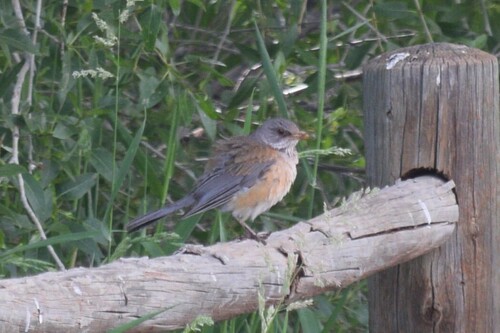
メキシココマツグミ (Turdus rufopalliatus) メキシココマツグミ
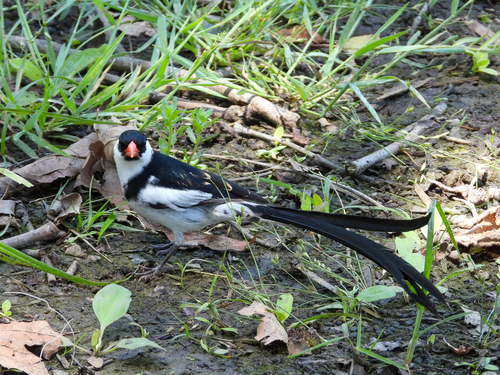
テンニンチョウ (Vidua macroura) テンニンチョウ

メディア

読み込み中…

要点

最も信頼できるフィールドマークは、繁殖期のオスのテンニンチョウの非常に長い黒い尾羽です—ロビンはこれを示すことはありません。すべての年齢と性別において、テンニンチョウははるかに小さく、短く円錐形の赤いくちばしを持ち、メキシココマツグミは黄色いくちばしと栗色の背中を持つ大きなツグミ型の鳥です。幼鳥のロビンは上部に淡い斑点と筋模様があり、若いオスとメスのテンニンチョウは赤または灰色のくちばしを持つ筋模様のある茶色です。飛行中、ロビンは広い翼を持ち力強く、テンニンチョウは素早くフィンチのようです。明るい赤いくちばしの鳥を見たら、テンニンチョウのサイズと尾を確認してください; 黄色いくちばしとオレンジ栗色の腹部はロビンを示します。

識別のコツ

  1. 尾の形と長さ: 繁殖期のオスのテンニンチョウは非常に長い黒い尾羽(最大20 cm)を持ち、ペナントの形を形成します—ロビンはこれを示すことはありません。メスと非繁殖期のオスは尾がないため、他のマークを確認してください。
  2. くちばしの色と形: テンニンチョウ(すべての年齢と性別)は短く円錐形の明るい赤いくちばし(幼鳥は灰色)を持ち、ロビンは長く黄色いツグミ型のくちばしを持ちます。くちばしの色はどの年齢でも迅速に確認できます。
  3. サイズと構造: メキシココマツグミははるかに大きく、ずんぐりしたツグミ型の体と強い脚を持ちます。テンニンチョウは小さく、繊細でフィンチのようで、オスの尾が長くてもそうです。
  4. 羽毛—成鳥: 成鳥のロビンは淡い灰色の頭、黒い顔、黄色いアイリング、栗色の背中、オレンジ栗色の胸/側面、白い腹/肛門を持ちます。繁殖期の成鳥のオスのテンニンチョウは上が黒、下が白で、黒い冠と長い尾を持ち、メスと非繁殖期のオスは上が筋模様のある茶色、下が白っぽく、淡い側面と淡い/黒い顔を持ちます。
  5. 羽毛—幼鳥: 幼鳥のロビンは上部が茶色がかった灰色で淡い斑点と筋模様があり、下部は暗い斑点があります。幼鳥のテンニンチョウは上部が筋模様のある茶色で、メスよりも地味で、灰色のくちばしを持ち、尾羽はありません。
  6. 顔の模様: ロビンは淡い灰色の頭に黒い顔と黄色いアイリングを持ち、テンニンチョウのメス/幼鳥は淡い色と黒の顔の模様を持ち、ロビンの強い顔とアイリングが欠けています。
  7. 飛行スタイル: ロビンは強く、直接的な翼の動きで飛び、テンニンチョウは素早く、ひらひらとしたフィンチのようで、繁殖期のオスはしばしば飛行中に尾を広げます。
  8. 生息地の文脈: ロビンはカバーのある森林の端や庭に見られ、テンニンチョウはオープンな草原、低木、または庭を好み、小さなフィンチの近くにいることが多いです。
  9. 他の鳥との関連: テンニンチョウは繁殖期に特にワックスビルや他のエストリルディドフィンチの近くに見られることがあります。ロビンは通常、孤立しているか、緩い群れで見られます。
  10. 腹部の色: ロビンの胸と側面はオレンジ栗色で、テンニンチョウのメス/幼鳥は白っぽく、淡い側面を持ち、オレンジ色ではありません。
  11. 背中の色: ロビンの背中は鈍い栗色で灰色の洗いがかかり、テンニンチョウのメス/幼鳥は筋模様のある茶色で、オスは上が黒です。
  12. くちばしのサイズ: ロビンのくちばしはテンニンチョウの短くフィンチのようなくちばしよりも長く、細いです。
  13. 止まり方: ロビンは直立して止まり、しばしば地面や低い枝に止まります。テンニンチョウはより水平に止まり、しばしば雑草や草の多い場所で見られます。
  14. 歌: 聞こえた場合、テンニンチョウの歌は速いきしみとチュルチュル音で、ロビンの歌はより旋律的であると期待されます(メモには記載されていません)。
  15. 地理的範囲: アメリカ大陸では、ロビンはメキシコ以外では珍しいです; テンニンチョウは南カリフォルニア、プエルトリコ、その他のいくつかの場所に導入されており、地元の豊富さを確認してください。

大きさ

メキシココマツグミははるかに大きく、21.5–25.5 cmの長さと72–85 gの重さで、翼幅は約40 cmです。テンニンチョウは比較的小さく、12–13 cmの長さ(オスの尾羽を除く)で、わずか15.8 gです。オスのテンニンチョウの尾羽(最大20 cmまで加算されることがあります)を考慮しても、体はロビンの頑丈でツグミ型のフレームよりも明らかに小さく、繊細です。

羽色

幼鳥のメキシココマツグミは上部が茶色がかった灰色で淡い斑点と筋模様があり、下部は暗い斑点と縞模様があります—やや鱗状の外観を与えます。幼鳥とメスのテンニンチョウは上部が筋模様のある茶色で、淡い色と黒の顔の模様、白っぽい腹部、淡い側面を持ち、くちばしは赤または灰色です。繁殖羽毛の成鳥のオスのテンニンチョウは明確で、黒い背中と冠、白い腹部と顔、非常に長い黒い尾羽を持ちます。メスと非繁殖期のオスのテンニンチョウは尾がなく、より微妙なマークがありますが、常に短く円錐形の赤いくちばしを持ちます。成鳥のロビンは淡い灰色の頭、黒い顔、黄色いアイリング、栗色の背中、オレンジ栗色の胸と側面、黄色いくちばしを持ちます。ロビンの両性は似ていますが、メスはより地味です。テンニンチョウの幼鳥はメスよりも地味で、灰色のくちばしを持ちます。

行動

メキシココマツグミは典型的なツグミのように振る舞い、地面を跳ね回り、昆虫や果物を探し、直立して止まります。彼らの飛行は強く、直接的です。テンニンチョウはよりフィンチのようで、しばしば草の中をひらひらと飛び回ったり、目立つように止まったりします。繁殖期のオスのテンニンチョウは尾を見せるために精巧なホバリングディスプレイを行い、両性はオープンで草の多いまたは雑草の多い場所で見られる可能性が高いです。テンニンチョウは育雛寄生者であり、小さなフィンチ、特にワックスビルの近くに見られることがあります。

生息環境

メキシココマツグミはメキシコ原産で、南西アメリカでは珍しい訪問者で、森林の端、庭、密なカバーのある地域を好みます。テンニンチョウはサハラ以南のアフリカ原産ですが、南カリフォルニアやプエルトリコを含むアメリカの一部に導入されています。オープンな草原、低木、サバンナ、庭を好み、しばしばエストリルディドフィンチの集団の近くにいます。ロビンはオープンな草原ではほとんど見られず、テンニンチョウは密な森を避けます。

声

テンニンチョウのオスは高い止まり木から歌い、特にディスプレイ飛行中に速いきしみとチュルチュル音を出します。メキシココマツグミの歌は提供されたメモには記載されていませんが、ツグミとして、より旋律的で多様な歌を持つと期待されます。テンニンチョウの歌は聞こえた場合は独特ですが、経験なしではフィールドで常に診断的ではありません。

より良い説明を送る

比較と同じ項目を使ってください。文章はすぐに公開されます。

The most reliable field mark is the Pin-tailed Whydah's extremely long, black tail streamers in breeding males—no robin ever shows this. For all ages and sexes, the Whydah is much smaller, with a short, conical red bill, while the Rufous-backed Robin is a large, thrush-shaped bird with a yellow bill and chestnut back. Juvenile robins have buffy stippling and streaks above, while young and female whydahs are streaky brown with a red or grayish bill. In flight, the robin is broad-winged and strong, the whydah quick and finch-like. If you see a bird with a bright red bill, check for the whydah's size and tail; a yellow bill and orange-chestnut underparts point to the robin.

  1. Tail shape and length: Breeding male Pin-tailed Whydahs have extremely long, black tail streamers (up to 20 cm), forming a pennant shape—no robin ever shows this. Females and non-breeding males lack the tail, so check other marks.
  2. Bill color and shape: Whydahs (all ages and sexes) have a short, conical, bright red bill (grayish in immatures); robins have a longer, yellow, thrush-like bill. Bill color is a quick check at any age.
  3. Size and structure: Rufous-backed Robin is much larger and bulkier, with a rounded, thrush-like body and strong legs. Whydah is small, delicate, and finch-like, even when the male's tail is long.
  4. Plumage—adults: Adult robins have a pale gray head, black lores, yellow eye-ring, chestnut back, orange-chestnut breast/flanks, and white belly/vent. Adult male whydahs (breeding) are black above, white below, with a black crown and long tail; females and non-breeding males are streaked brown above, whitish below, with buff flanks and a buff/black face.
  5. Plumage—juveniles: Juvenile robins are brownish-gray above with buffy stippling and streaks, and dark mottling below. Juvenile whydahs are streaked brown above, plainer than females, with a grayish bill and no tail streamers.
  6. Face pattern: Robin has a pale gray head with black lores and a yellow eye-ring; whydah females/immatures have a buff and black face pattern, lacking the robin's strong lores and eye-ring.
  7. Flight style: Robins fly with strong, direct wingbeats; whydahs are quick, fluttery, and finch-like, with breeding males often displaying their tails in flight.
  8. Habitat context: Robins are found in woodland edges and gardens with cover; whydahs prefer open grassland, scrub, or gardens, often near small finches.
  9. Association with other birds: Whydahs may be seen near waxbills or other estrildid finches, especially during breeding, as they are brood parasites. Robins are usually solitary or in loose groups.
  10. Underpart color: Robin's breast and flanks are orange-chestnut; whydah females/immatures are whitish with buff flanks, never orange.
  11. Back color: Robin's back is dull chestnut with gray wash; whydah females/immatures are streaked brown, males black above.
  12. Bill size: Robin's bill is longer and more slender than the whydah's stubby, finch-like bill.
  13. Perching posture: Robins perch upright, often on the ground or low branches; whydahs perch more horizontally and are often seen in weedy or grassy areas.
  14. Song: If heard, whydah's song is a rapid squeak and churr, while robin's is expected to be more melodious (not described in notes).
  15. Geographic range: In the Americas, robins are rare outside Mexico; whydahs are introduced and local in southern California, Puerto Rico, and a few other spots—check local abundance if unsure.

Rufous-backed Robin is much larger, at 21.5–25.5 cm long and 72–85 g, with a wingspan around 40 cm. Pin-tailed Whydah is tiny by comparison: 12–13 cm long (excluding the male's tail streamers), and only 15.8 g. Even with the male whydah's tail streamers (which can add up to 20 cm), the body remains noticeably smaller and more delicate than the robin's robust, thrush-like frame.

Juvenile Rufous-backed Robins are brownish-gray above with buffy stippling and streaks, and have dark mottling and barring below—giving a somewhat scaly look. Juvenile and female Pin-tailed Whydahs are streaked brown above, with a buff and black face pattern, whitish underparts, and buff flanks; their bills are red or grayish. Adult male whydahs in breeding plumage are unmistakable: black back and crown, white underparts and face, and very long black tail streamers. Female and non-breeding male whydahs lack the tail and are more subtly marked, but always have a short, conical red bill. Adult robins have a pale gray head, black lores, yellow eye-ring, chestnut back, orange-chestnut breast and flanks, and a yellow bill. Both sexes of robin are similar, though females are duller. Whydah immatures are plainer than females, with a grayish bill.

Rufous-backed Robins behave like typical thrushes: they hop on the ground, forage for insects and fruit, and perch upright. Their flight is strong and direct. Pin-tailed Whydahs are more finch-like, often seen flitting through grass or perching conspicuously. Breeding male whydahs perform elaborate hovering displays to show off their tails, and both sexes are more likely to be seen in open, grassy or weedy areas. Whydahs are brood parasites and may be seen near small finches, especially waxbills.

Rufous-backed Robin is native to Mexico and a rare visitor to the southwestern US, favoring woodland edges, gardens, and areas with dense cover. Pin-tailed Whydah is native to sub-Saharan Africa but introduced in parts of the Americas, including southern California and Puerto Rico. It prefers open grassland, scrub, savannah, and gardens, often near populations of estrildid finches. The robin is rarely found in open grassland, while the whydah avoids dense woods.

Pin-tailed Whydah males sing from high perches, giving rapid squeaking and churring notes, especially during display flights. Rufous-backed Robin's song is not described in the provided notes, but as a thrush, it is expected to have a more melodious, varied song. Whydah's song is distinctive if heard, but not always diagnostic in the field without experience.

変更を破棄しますか?

保存していない編集があります。今離れると失われます。

メキシココマツグミ · テンニンチョウ · 苦手な鳥