

Rufous-backed Robin vs Pin-tailed Whydah
Turdus rufopalliatus contro Vidua macroura
Fai un quiz con Rufous-backed Robin e Pin-tailed Whydah
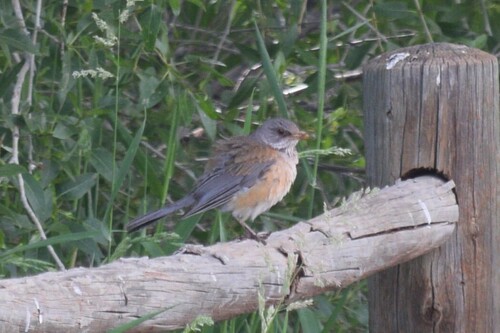 Rufous-backed Robin
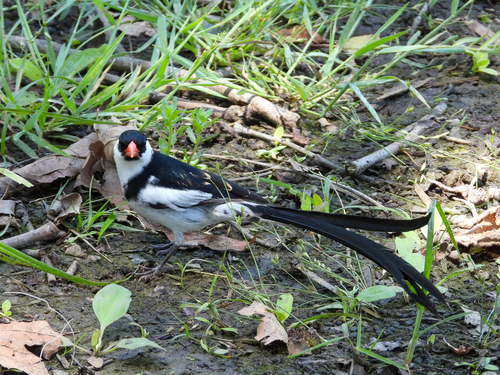 Pin-tailed Whydah
In breve
Il segno distintivo più affidabile è la coda estremamente lunga e nera del Pin-tailed Whydah nei maschi in riproduzione—nessun pettirosso mostra mai questo. Per tutte le età e i sessi, il Whydah è molto più piccolo, con un becco rosso corto e conico, mentre il Rufous-backed Robin è un grande uccello a forma di tordo con un becco giallo e un dorso castano. I pettirossi giovani hanno macchie e striature color crema sopra, mentre i whydah giovani e femmine sono marroni striati con un becco rosso o grigiastro. In volo, il pettirosso ha ali larghe e forti, il whydah è veloce e simile a un fringillide. Se vedi un uccello con un becco rosso brillante, controlla la dimensione e la coda del whydah; un becco giallo e parti inferiori arancio-castano indicano il pettirosso.
Consigli di identificazione
- Forma e lunghezza della coda: I maschi in riproduzione del Pin-tailed Whydah hanno estremamente lunghe streamers nere (fino a 20 cm), formando una forma di pennone—nessun pettirosso mostra mai questo. Le femmine e i maschi non in riproduzione mancano della coda, quindi controlla altri segni.
- Colore e forma del becco: I whydah (tutte le età e i sessi) hanno un becco corto, conico e rosso brillante (grigiastro negli immaturi); i pettirossi hanno un becco più lungo, giallo e simile a un tordo. Il colore del becco è un controllo rapido a qualsiasi età.
- Dimensione e struttura: Il Rufous-backed Robin è molto più grande e robusto, con un corpo arrotondato simile a un tordo e gambe forti. Il Whydah è piccolo, delicato e simile a un fringillide, anche quando la coda del maschio è lunga.
- Piumaggio—adulti: I pettirossi adulti hanno una testa grigia chiara, lore nere, anello oculare giallo, dorso castano, petto/fianchi arancio-castano e ventre/ventre bianco. I maschi adulti di whydah (in riproduzione) sono neri sopra, bianchi sotto, con una corona nera e lunga coda; le femmine e i maschi non in riproduzione sono striati di marrone sopra, biancastri sotto, con fianchi color crema e un volto color crema/nero.
- Piumaggio—giovani: I pettirossi giovani sono grigio-marroni sopra con macchie e striature color crema, e maculature scure sotto. I whydah giovani sono striati di marrone sopra, più semplici delle femmine, con un becco grigiastro e senza streamers di coda.
- Schema del volto: Il pettirosso ha una testa grigia chiara con lore nere e un anello oculare giallo; le femmine/immaturi di whydah hanno un schema facciale color crema e nero, mancando delle forti lore e dell'anello oculare del pettirosso.
- Stile di volo: I pettirossi volano con battiti d'ala forti e diretti; i whydah sono veloci, fluttuanti e simili a un fringillide, con i maschi in riproduzione che spesso mostrano le loro code in volo.
- Contesto dell'habitat: I pettirossi si trovano ai margini dei boschi e nei giardini con copertura; i whydah preferiscono praterie aperte, cespugli o giardini, spesso vicino a piccoli fringillidi.
- Associazione con altri uccelli: I whydah possono essere visti vicino ai waxbill o ad altri fringillidi estrildidi, specialmente durante la riproduzione, poiché sono parassiti del nido. I pettirossi sono solitamente solitari o in gruppi sciolti.
- Colore delle parti inferiori: Il petto e i fianchi del pettirosso sono arancio-castano; le femmine/immaturi di whydah sono bianche con fianchi color crema, mai arancioni.
- Colore del dorso: Il dorso del pettirosso è castano opaco con una sfumatura grigia; le femmine/immaturi di whydah sono striati di marrone, i maschi neri sopra.
- Dimensione del becco: Il becco del pettirosso è più lungo e più snello rispetto al becco tozzo e simile a un fringillide del whydah.
- Postura di appollaiamento: I pettirossi si appollaiano eretti, spesso a terra o su rami bassi; i whydah si appollaiano più orizzontalmente e sono spesso visti in aree infestanti o erbose.
- Canto: Se udito, il canto del whydah è un rapido squittio e gorgheggio, mentre quello del pettirosso è previsto essere più melodioso (non descritto nelle note).
- Distribuzione geografica: Nelle Americhe, i pettirossi sono rari al di fuori del Messico; i whydah sono introdotti e locali nel sud della California, Porto Rico e in pochi altri luoghi—controlla l'abbondanza locale se non sei sicuro.
Taglia
Il Rufous-backed Robin è molto più grande, lungo 21.5–25.5 cm e pesante 72–85 g, con un'apertura alare di circa 40 cm. Il Pin-tailed Whydah è minuscolo in confronto: lungo 12–13 cm (escludendo le streamers di coda del maschio), e solo 15.8 g. Anche con le streamers di coda del maschio whydah (che possono aggiungere fino a 20 cm), il corpo rimane visibilmente più piccolo e più delicato rispetto alla robusta struttura simile a un tordo del pettirosso.
Piumaggio
I giovani Rufous-backed Robins sono grigio-marroni sopra con macchie e striature color crema, e hanno maculature scure e barre sotto—dando un aspetto leggermente squamoso. I giovani e le femmine di Pin-tailed Whydah sono striati di marrone sopra, con un schema facciale color crema e nero, parti inferiori bianche e fianchi color crema; i loro becchi sono rossi o grigi. I maschi adulti di whydah in piumaggio di riproduzione sono inconfondibili: dorso e corona neri, parti inferiori e volto bianchi, e streamers di coda neri molto lunghi. Le femmine e i maschi non in riproduzione di whydah mancano della coda e sono più sottilmente marcati, ma hanno sempre un becco corto e conico di colore rosso. I pettirossi adulti hanno una testa grigia chiara, lore nere, anello oculare giallo, dorso castano, petto e fianchi arancio-castano, e un becco giallo. Entrambi i sessi di pettirosso sono simili, anche se le femmine sono più opache. Gli immaturi di whydah sono più semplici delle femmine, con un becco grigiastro.
Comportamento
I Rufous-backed Robins si comportano come tordi tipici: saltano a terra, cercano insetti e frutta, e si appollaiano eretti. Il loro volo è forte e diretto. I Pin-tailed Whydah sono più simili a un fringillide, spesso visti svolazzare attraverso l'erba o appollaiarsi in modo appariscente. I maschi in riproduzione di whydah eseguono elaborate esibizioni di sospensione per mostrare le loro code, e entrambi i sessi sono più propensi a essere visti in aree aperte, erbose o infestanti. I whydah sono parassiti del nido e possono essere visti vicino a piccoli fringillidi, specialmente ai waxbill.
Habitat
Il Rufous-backed Robin è nativo del Messico e un visitatore raro nel sud-ovest degli Stati Uniti, preferendo i margini dei boschi, i giardini e le aree con copertura densa. Il Pin-tailed Whydah è nativo dell'Africa sub-sahariana ma introdotto in alcune parti delle Americhe, inclusa la California meridionale e Porto Rico. Preferisce praterie aperte, cespugli, savane e giardini, spesso vicino a popolazioni di fringillidi estrildidi. Il pettirosso è raramente trovato in praterie aperte, mentre il whydah evita boschi densi.
Voce
I maschi di Pin-tailed Whydah cantano da posatoi alti, producendo note rapide di squittio e gorgheggio, specialmente durante i voli di esibizione. Il canto del Rufous-backed Robin non è descritto nelle note fornite, ma come tordo, ci si aspetta che abbia un canto più melodioso e vario. Il canto del whydah è distintivo se udito, ma non sempre diagnostico sul campo senza esperienza.
Rufous-backed Robin · Pin-tailed Whydah · I miei uccelli difficili