

Motmot

ヤマウズラバト 対 シロビタイシャコバト

Geotrygon montana 対 Leptotila verreauxi

ヤマウズラバトとシロビタイシャコバトのクイズ
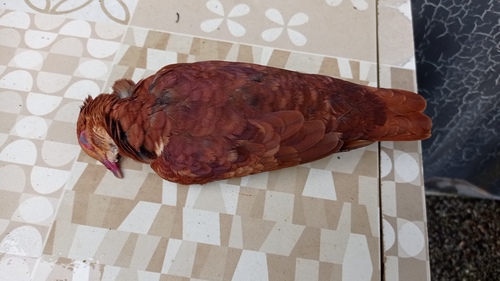
ヤマウズラバト (Geotrygon montana) ヤマウズラバト
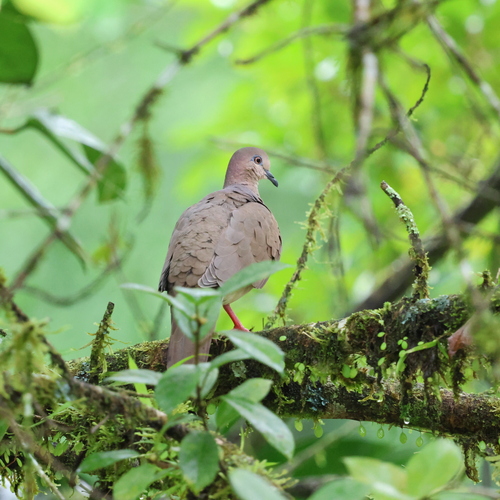
シロビタイシャコバト (Leptotila verreauxi) シロビタイシャコバト

メディア

読み込み中…

要点

ヤマウズラバトとシロビタイシャコバトを区別する最も信頼できるフィールドマークは全体的な色合いです:ヤマウズラバトは背中、翼、顔が豊かな赤褐色であるのに対し、シロビタイシャコバトは上面が灰褐色で、飛行中または下から見ると特徴的な白い尾先が目立ちます。ヤマウズラバトは特に翼と顔に均一な錆色のトーンを示しますが、シロビタイシャコバトは淡い灰色または白っぽい額、喉、腹部を持っています。止まっているか歩いている鳥では、顔の色と尾先に注目してください;飛行中は、シロビタイシャコバトの尾の白い先端が重要な区別点です。両種はサイズが似ていますが、構造と行動には微妙な違いがあります。

識別のコツ

  1. Overall coloration: ヤマウズラバトは背中、翼、顔が豊かな赤褐色で、均一な錆色の外観を作り出します。シロビタイシャコバトは上面が灰褐色で、淡い灰色または白っぽい顔と腹部を持っています。
  2. Tail tip: シロビタイシャコバトは尾に広い白い先端を持ち、下からまたは飛行中に見ることができます。ヤマウズラバトにはこの特徴がなく、尾は均一な色です。
  3. Facial pattern: ヤマウズラバトは強い赤褐色の顔のマスクを示しますが、シロビタイシャコバトは淡い灰色または白っぽい額と喉を持ち、赤褐色のマスクはありません。
  4. Underparts: シロビタイシャコバトは下側が白っぽく、胸にピンクがかったりバフ色の洗いがあることがよくあります。ヤマウズラバトは胸と尾羽がより明るい茶色ですが、決して本当に白っぽくはありません。
  5. Eye-ring color: シロビタイシャコバトは通常赤または青のアイリングを持っています(アマゾニアや南アメリカ北部では青、他の地域では赤)、ただしこれは地域によって異なり、類似種と重なるため注意して使用してください。ヤマウズラバトのアイリングの色は指定されていません。
  6. Bill color: シロビタイシャコバトは黒いくちばしを持っています;ヤマウズラバトのくちばしの色は記述されていないため、これは主要なフィールドマークではありません。
  7. Underwing coverts: シロビタイシャコバトは赤褐色の下翼覆いを持っていますが、これは飛行中または羽繕いの時以外はほとんど見えません。ヤマウズラバトの下翼は記述されていません。
  8. Flight view: 飛行中、シロビタイシャコバトは広い白い尾先を示します;ヤマウズラバトは示しません。両者は速く、直線的に飛びますが、尾のパターンが診断的です。
  9. Behavior: シロビタイシャコバトは警戒心が強く、通常は単独またはペアで行動し、騒がしい翼音で飛び立ちます。ヤマウズラバトの行動は詳細に記述されていませんが、両者は地面で餌を探します。
  10. Habitat: 両者は似たような生息地に生息できますが、シロビタイシャコバトは開けた森林やエッジにいる可能性が高く、ヤマウズラバトはより密なカバーを好むかもしれません。
  11. Vocalization: シロビタイシャコバトの深く、空洞のある二音の鳴き声(ooo-wooooo)は特徴的です。ヤマウズラバトの声は記述されていないため、主にシロビタイシャコバトを確認するために鳴き声を使用してください。
  12. Size: 両種は長さが似ており(ヤマウズラバトは19–28 cm、シロビタイシャコバトは約28 cm)および質量(シロビタイシャコバトは155 g)も似ていますので、サイズはフィールドでの信頼できな区別点ではありません。
  13. Sex/age differences: メモには、どちらの種についても年齢特有または性別特有の羽毛の違いは記述されていません;すべての年齢に対して成鳥のフィールドマークを使用してください。
  14. Common pitfalls: 未熟または見えにくいシロビタイシャコバトはより茶色に見えることがありますが、白い尾先と淡い顔は通常見えます。ヤマウズラバトの均一な赤褐色のトーンは、地域の同じサイズの他のハトの中でユニークです。
  15. When in doubt: 全体的な赤褐色の色合い(ヤマウズラバト)と淡い顔と白い尾先(シロビタイシャコバト)の組み合わせを優先してください、特に飛行中または良い側面のビューで。

大きさ

両種は長さが似ており、ヤマウズラバトは19–28 cm、シロビタイシャコバトは約28 cmです [wikipedia]。シロビタイシャコバトは通常より重く(約155 g)、わずかに体格が大きく見えることがありますが、フィールドではサイズの重複が大きく、信頼できる区別点ではありません。識別にはサイズよりも羽毛と構造を使用してください。

羽色

行動

シロビタイシャコバトは通常単独またはペアで見られ、警戒心が強く、年間を通じて自分のテリトリー内に留まります。その飛行は速く、直線的で、定期的な翼の拍動と目立つ翼の音を伴い、ハトに典型的です。ヤマウズラバトの行動はメモには詳細に記述されていませんが、両種は地面で餌を探します。シロビタイシャコバトは、音を立てて飛び立つ可能性が高いですが、ヤマウズラバトの行動は特に際立っているとは指定されていません。

生息環境

ヤマウズラバトは西インド諸島、中米、熱帯南アメリカ全域に生息し、時にはフロリダや南テキサスで迷鳥として見られます。シロビタイシャコバトはネオトロピクスのさまざまな森林生息地に生息しています。両種は範囲と生息地で重なることがありますので、文脈は強い区別点ではありませんが、シロビタイシャコバトは開けた森林やエッジにいる可能性が高く、ヤマウズラバトはより密なカバーを好むかもしれません。

声

シロビタイシャコバトは深く、空洞のある二音の鳴き声を出します:導入のフーという音の後に、より長く、より聞こえやすい空洞の音(ooo-wooooo)が続きます。この鳴き声はテリトリー、配偶者の引き寄せ、接触のために使用されます。ヤマウズラバトの鳴き声に関する情報はメモには提供されていないため、声は主にシロビタイシャコバトを確認するために役立ちます。

より良い説明を送る

比較と同じ項目を使ってください。文章はすぐに公開されます。

The most reliable field mark to separate Ruddy Quail-Dove from White-tipped Dove is overall coloration: Ruddy Quail-Dove is rich rufous on the back, wings, and face, while White-tipped Dove is much paler with grey-brown upperparts and a distinctive white-tipped tail visible in flight or from below. Ruddy Quail-Dove shows a uniform rusty tone, especially on the wings and face, whereas White-tipped Dove has a pale grey or whitish forehead, throat, and underparts. In perched or walking birds, focus on the facial color and tail tip; in flight, the white tip to the tail of White-tipped Dove is a key separator. Both species are similar in size, but their structure and behavior differ subtly.

  1. Overall coloration: Ruddy Quail-Dove is rich rufous on the back, wings, and face, creating a uniform rusty appearance. White-tipped Dove is grey-brown above with a pale grey or whitish face and underparts.
  2. Tail tip: White-tipped Dove has a broad white tip to the tail, visible from below or in flight. Ruddy Quail-Dove lacks this feature; its tail is uniformly colored.
  3. Facial pattern: Ruddy Quail-Dove shows a strong rufous facial mask, while White-tipped Dove has a pale grey or whitish forehead and throat, with no rufous mask.
  4. Underparts: White-tipped Dove is whitish below, often with a pinkish or buff wash on the chest. Ruddy Quail-Dove is lighter brown on the breast and rump but never truly whitish.
  5. Eye-ring color: White-tipped Dove usually has a red or blue eye-ring (blue in much of Amazonia and northern South America, red elsewhere), but this varies regionally and overlaps with similar species, so use with caution. Eye-ring color is not specified for Ruddy Quail-Dove.
  6. Bill color: White-tipped Dove has a black bill; bill color for Ruddy Quail-Dove is not described, so this is not a primary field mark.
  7. Underwing coverts: White-tipped Dove has rufous underwing coverts, but these are rarely visible except in flight or when preening. Ruddy Quail-Dove's underwing is not described.
  8. Flight view: In flight, White-tipped Dove shows a broad white tail tip; Ruddy Quail-Dove does not. Both have fast, direct flight, but the tail pattern is diagnostic.
  9. Behavior: White-tipped Dove is wary, usually alone or in pairs, and flushes with noisy wingbeats. Ruddy Quail-Dove's behavior is not detailed, but both are ground foragers.
  10. Habitat: Both can occur in similar habitats, but White-tipped Dove is more likely in open woodlands and edges; Ruddy Quail-Dove may prefer denser cover.
  11. Vocalization: White-tipped Dove's deep, hollow two-note call (ooo-wooooo) is distinctive. Ruddy Quail-Dove's voice is not described, so use vocalizations mainly to confirm White-tipped Dove.
  12. Size: Both species are similar in length (Ruddy Quail-Dove 19–28 cm, White-tipped Dove about 28 cm) and mass (White-tipped Dove 155 g), so size is not a reliable separator in the field.
  13. Sex/age differences: No age-specific or sex-specific plumage differences are described for either species in the notes; use adult field marks for all ages.
  14. Common pitfalls: Immature or poorly seen White-tipped Doves may appear browner, but the white tail tip and pale face usually remain visible. Ruddy Quail-Dove's uniform rufous tones are unique among similar-sized doves in the region.
  15. When in doubt: Prioritize the combination of overall rufous coloration (Ruddy Quail-Dove) versus pale face and white tail tip (White-tipped Dove), especially in flight or with good side views.

Both species are similar in length, with Ruddy Quail-Dove ranging from 19–28 cm and White-tipped Dove about 28 cm [wikipedia]. White-tipped Dove is typically heavier (about 155 g) and may appear slightly bulkier, but in the field, size overlap is substantial and not a reliable separator. Use plumage and structure over size for identification.

  • Adults: Ruddy Quail-Dove is uniformly rich rufous on the back, wings, and facial mask, with lighter brown on the breast, rump, and an undereye stripe. White-tipped Dove has grey-brown upperparts and wings, a pale grey or whitish forehead and throat, and whitish underparts shading to pinkish or buff on the chest. The underwing coverts are rufous in White-tipped Dove, but this is not usually visible unless the bird is in flight or preening. The tail of White-tipped Dove is broadly tipped with white, best seen from below or in flight—this is absent in Ruddy Quail-Dove. Eye-ring color in White-tipped Dove varies (red or blue depending on region), but is not a reliable field mark everywhere. Bill is black in White-tipped Dove; bill color is not specified for Ruddy Quail-Dove in the notes.
  • Juveniles/Immatures: No age-specific wing pattern or juvenile marks are described for either species in the sources. Focus on overall coloration and tail pattern for all ages.

White-tipped Dove is typically seen alone or in pairs, is wary, and stays within its territory year-round. Its flight is fast and direct with regular wingbeats and noticeable wing clattering, typical of pigeons. Ruddy Quail-Dove behavior is not detailed in the notes, but both species forage on the ground. White-tipped Dove may be more likely to flush with a clattering flight, while Ruddy Quail-Dove's behavior is not specified as distinctive.

Ruddy Quail-Dove is found throughout the West Indies, Central America, and tropical South America, sometimes as a vagrant in Florida and southern Texas. White-tipped Dove inhabits a wide variety of woodland habitats in the Neotropics. Both species can overlap in range and habitat, so context is not a strong separator, but White-tipped Dove is more likely in open woodlands and edges, while Ruddy Quail-Dove may prefer denser cover.

White-tipped Dove gives a deep, hollow two-note call: an introductory hoot followed by a longer, more audible, hollow note (ooo-wooooo). This call is used for territory, mate attraction, and contact. No vocalization information is provided for Ruddy Quail-Dove in the notes, so voice is only useful for confirming White-tipped Dove.

変更を破棄しますか?

保存していない編集があります。今離れると失われます。

ヤマウズラバト · シロビタイシャコバト · 苦手な鳥