

Ruddy Quail-Dove vs White-tipped Dove
Geotrygon montana contro Leptotila verreauxi
Fai un quiz con Ruddy Quail-Dove e White-tipped Dove
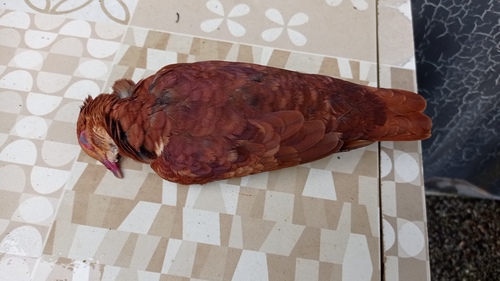 Ruddy Quail-Dove
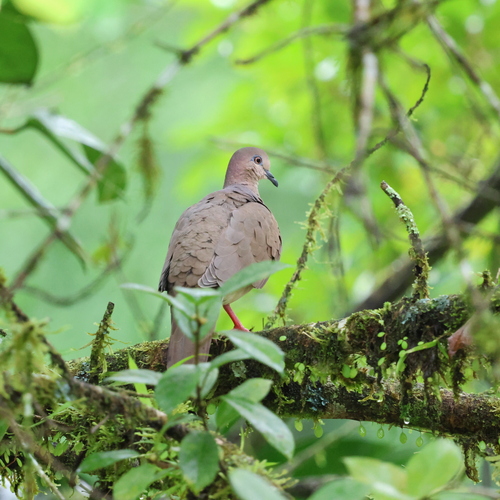 White-tipped Dove
In breve
Il segno distintivo più affidabile per separare il Ruddy Quail-Dove dal White-tipped Dove è la colorazione generale: il Ruddy Quail-Dove è di un ricco color ruggine sulla schiena, sulle ali e sul viso, mentre il White-tipped Dove è molto più chiaro con parti superiori grigio-marroni e una coda distintiva con punta bianca visibile in volo o da sotto. Il Ruddy Quail-Dove mostra un tono uniforme rugginoso, specialmente sulle ali e sul viso, mentre il White-tipped Dove ha una fronte, una gola e parti inferiori di un grigio chiaro o bianco. Negli uccelli in posa o in cammino, concentrati sul colore del viso e sulla punta della coda; in volo, la punta bianca della coda del White-tipped Dove è un separatore chiave. Entrambe le specie sono simili in dimensioni, ma la loro struttura e comportamento differiscono sottilmente.
Consigli di identificazione
- Overall coloration: Il Ruddy Quail-Dove è di un ricco color ruggine sulla schiena, sulle ali e sul viso, creando un aspetto uniforme rugginoso. Il White-tipped Dove è grigio-marrone sopra con un viso e parti inferiori di un grigio chiaro o bianco.
- Tail tip: Il White-tipped Dove ha una larga punta bianca sulla coda, visibile da sotto o in volo. Il Ruddy Quail-Dove non ha questa caratteristica; la sua coda è di un colore uniforme.
- Facial pattern: Il Ruddy Quail-Dove mostra una forte maschera facciale rugginosa, mentre il White-tipped Dove ha una fronte e una gola di un grigio chiaro o bianco, senza maschera rugginosa.
- Underparts: Il White-tipped Dove è bianco sotto, spesso con una sfumatura rosata o color sabbia sul petto. Il Ruddy Quail-Dove è di un marrone più chiaro sul petto e sul posteriore ma mai veramente bianco.
- Eye-ring color: Il White-tipped Dove ha solitamente un anello oculare rosso o blu (blu in gran parte dell'Amazzonia e del Sud America settentrionale, rosso altrove), ma questo varia regionalmente e si sovrappone a specie simili, quindi usalo con cautela. Il colore dell'anello oculare non è specificato per il Ruddy Quail-Dove.
- Bill color: Il White-tipped Dove ha un becco nero; il colore del becco per il Ruddy Quail-Dove non è descritto, quindi questo non è un segno distintivo primario.
- Underwing coverts: Il White-tipped Dove ha copritrici sotto le ali di colore rugginoso, ma queste sono raramente visibili tranne in volo o quando si puliscono. L'area sotto le ali del Ruddy Quail-Dove non è descritta.
- Flight view: In volo, il White-tipped Dove mostra una larga punta bianca sulla coda; il Ruddy Quail-Dove no. Entrambi hanno un volo veloce e diretto, ma il modello della coda è diagnostico.
- Behavior: Il White-tipped Dove è diffidente, solitamente solo o in coppie, e si alza in volo con battiti d'ali rumorosi. Il comportamento del Ruddy Quail-Dove non è dettagliato, ma entrambi sono foraggiatori a terra.
- Habitat: Entrambi possono trovarsi in habitat simili, ma il White-tipped Dove è più probabile in boschi aperti e bordi; il Ruddy Quail-Dove potrebbe preferire coperture più dense.
- Vocalization: Il richiamo profondo e cavo del White-tipped Dove (ooo-wooooo) è distintivo. La voce del Ruddy Quail-Dove non è descritta, quindi usa le vocalizzazioni principalmente per confermare il White-tipped Dove.
- Size: Entrambe le specie sono simili in lunghezza (Ruddy Quail-Dove 19–28 cm, White-tipped Dove circa 28 cm) e massa (White-tipped Dove 155 g), quindi la dimensione non è un separatore affidabile sul campo.
- Sex/age differences: Non sono descritte differenze di piumaggio specifiche per età o sesso per nessuna delle due specie nelle note; usa i segni distintivi degli adulti per tutte le età.
- Common pitfalls: I White-tipped Dove immaturi o visti male possono apparire più marroni, ma la punta bianca della coda e il viso chiaro di solito rimangono visibili. I toni uniformi rugginosi del Ruddy Quail-Dove sono unici tra le colombe di dimensioni simili nella regione.
- When in doubt: Dai priorità alla combinazione di colorazione rugginosa generale (Ruddy Quail-Dove) rispetto a viso chiaro e punta bianca della coda (White-tipped Dove), specialmente in volo o con buone viste laterali.
Taglia
Entrambe le specie sono simili in lunghezza, con il Ruddy Quail-Dove che varia da 19–28 cm e il White-tipped Dove circa 28 cm [wikipedia]. Il White-tipped Dove è tipicamente più pesante (circa 155 g) e può apparire leggermente più robusto, ma sul campo, la sovrapposizione delle dimensioni è sostanziale e non è un separatore affidabile. Usa piumaggio e struttura piuttosto che dimensione per l'identificazione.
Piumaggio
- Adults: Il Ruddy Quail-Dove è uniformemente di un ricco color ruggine sulla schiena, sulle ali e sulla maschera facciale, con un marrone più chiaro sul petto, sul posteriore e una striscia sotto l'occhio. Il White-tipped Dove ha parti superiori e ali grigio-marroni, una fronte e una gola di un grigio chiaro o bianco, e parti inferiori bianche che sfumano in rosato o color sabbia sul petto. Le copritrici sotto le ali sono rugginose nel White-tipped Dove, ma questo non è solitamente visibile a meno che l'uccello non sia in volo o si stia pulendo. La coda del White-tipped Dove è ampiamente appuntita di bianco, meglio vista da sotto o in volo—questo è assente nel Ruddy Quail-Dove. Il colore dell'anello oculare nel White-tipped Dove varia (rosso o blu a seconda della regione), ma non è un segno distintivo affidabile ovunque. Il becco è nero nel White-tipped Dove; il colore del becco non è specificato per il Ruddy Quail-Dove nelle note.
- Juveniles/Immatures: Non sono descritti modelli di ali specifici per età o segni giovanili per nessuna delle due specie nelle fonti. Concentrati sulla colorazione generale e sul modello della coda per tutte le età.
Comportamento
Il White-tipped Dove è tipicamente visto solo o in coppie, è diffidente e rimane all'interno del suo territorio tutto l'anno. Il suo volo è veloce e diretto con battiti d'ali regolari e un evidente rumore di ali, tipico delle colombe. Il comportamento del Ruddy Quail-Dove non è dettagliato nelle note, ma entrambe le specie foraggiano a terra. Il White-tipped Dove potrebbe essere più propenso a decollare con un volo rumoroso, mentre il comportamento del Ruddy Quail-Dove non è specificato come distintivo.
Habitat
Il Ruddy Quail-Dove si trova in tutto il Mar dei Caraibi, in America Centrale e nel Sud America tropicale, a volte come vagrante in Florida e nel Texas meridionale. Il White-tipped Dove abita una vasta gamma di habitat forestali nei Neotropici. Entrambe le specie possono sovrapporsi in gamma e habitat, quindi il contesto non è un forte separatore, ma il White-tipped Dove è più probabile in boschi aperti e bordi, mentre il Ruddy Quail-Dove potrebbe preferire coperture più dense.
Voce
Il White-tipped Dove emette un richiamo profondo e cavo a due note: un hoot introduttivo seguito da una nota più lunga e udibile, cava (ooo-wooooo). Questo richiamo è usato per il territorio, l'attrazione del partner e il contatto. Non sono fornite informazioni sulla vocalizzazione per il Ruddy Quail-Dove nelle note, quindi la voce è utile solo per confermare il White-tipped Dove.
Ruddy Quail-Dove · White-tipped Dove · I miei uccelli difficili