

Motmot

ケアシスズメバト 対 イチモンジバト

Columbina talpacoti 対 Columbina picui

ケアシスズメバトとイチモンジバトのクイズ
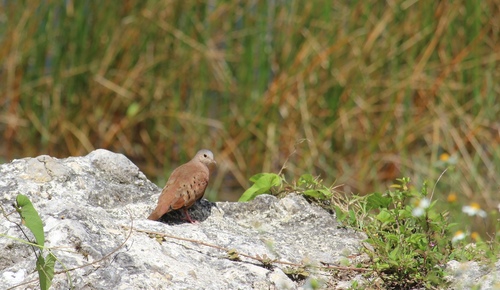
ケアシスズメバト (Columbina talpacoti) ケアシスズメバト
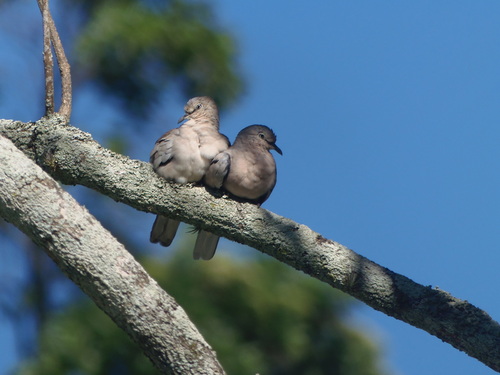
イチモンジバト (Columbina picui) イチモンジバト

メディア

読み込み中…

要点

ケアシスズメバトとイチモンジバトを区別する最も信頼できるフィールドマークは翼のパターンです:ケアシスズメバト(すべての年齢)は翼の覆羽に黒い斑点を示し、一方イチモンジバト(成鳥と幼鳥)は折りたたまれた翼と飛行中に見える黒で縁取られた2つの明確な白い翼帯を持っています。成鳥のオスのケアシスズメバトは豊かな赤褐色で淡い灰色の頭を持ち、イチモンジバトのオスは灰色の冠と白っぽい顔と喉を持ち、赤褐色の色調がありません。両種の雌と幼鳥はより鈍い色合いですが、翼のパターンは最も良い区別点のままです。両種は南アメリカの多くの地域で重なり合い、開けた場所や都市の生息地で見られますが、翼と頭のパターンに注意を払うことでほとんどの混乱を解消できます。

識別のコツ

  1. Check the wing pattern first: ケアシスズメバト(すべての年齢)は翼の覆羽に黒い斑点を持ち、一方イチモンジバト(すべての年齢)は折りたたまれた翼と飛行中に見える黒で縁取られた2つの白い翼帯を示します。これは最も信頼できるフィールドマークです。
  2. Perched birds: 座っている鳥では、ケアシスズメバトの黒い斑点のある翼覆羽とイチモンジバトの白い翼帯を探してください。鈍い光の中でも、斑点と帯は通常近距離で見えます。
  3. In flight: 両種は特徴的な上翼パターンを示します。ケアシスズメバトは黒い斑点のある覆羽とシナモン色の黒い下翼を示し、イチモンジバトはピンクがかった黄褐色の背景に2つの白い翼帯をフラッシュします。
  4. Head and face pattern (adult males): ケアシスズメバトのオスは淡い灰色または青みがかった灰色の頭を持ち、豊かな赤褐色の上面と対照的です;イチモンジバトのオスは灰色の冠と後頭部、白っぽい額と喉を持ち、目の前に狭い黒い線があります。
  5. Female and juvenile plumage: 雌のケアシスズメバトは全体が茶色で、頭と体のコントラストが少ないですが、依然として黒い翼の斑点を示します。雌と幼鳥のイチモンジバトはオスよりも鈍く、茶色がかっていますが、常に黒い翼の斑点がなく、白い翼帯を持っています(幼鳥ではあまり鮮明ではありません)。
  6. Breast and belly color: イチモンジバトはピンクがかった灰色の胸と白い腹を持ち、ケアシスズメバトは下側がより淡い茶色で、鮮明な白い腹がありません。
  7. Tail pattern: ケアシスズメバトは黒い縁取りのある短い尾を持ち、イチモンジバトの中央の尾羽は背中に合った茶色がかった灰色ですが、尾のパターンは微妙で翼のマークよりも信頼性が低いです。
  8. Underwing color: ケアシスズメバトはシナモン色と黒の下翼を示し、時には飛行中または翼を広げている時に見えます;イチモンジバトにはこのコントラストはありません。
  9. Behavioral cues: ケアシスズメバトのオスは翼を上げたり、それで叩いたりして攻撃性を示すことがあり、時には黒い下翼の羽を露出させます。イチモンジバトはこの行動が特に記載されていません。
  10. Habitat overlap: 両種は類似の開けた場所や都市の生息地に生息しているため、ケアシスズメバトの分布の北端にいる場合を除いて、文脈に頼らないでください。イチモンジバトはそこには生息していません。
  11. Size and structure: 両種はサイズと形がほぼ同一であり、サイズを区別点として使用しないでください。
  12. Voice: ケアシスズメバトは柔らかい「カァーウー」という鳴き声を出します;イチモンジバトの声はここでは記載されていないので、現在の情報での区別には声に頼らないでください。
  13. Season and location: 両種はその範囲の多くで定住しています;季節は信頼できる区別点ではなく、特に北部(アメリカ/メキシコ)ではケアシスズメバトのみが生息しています。
  14. Juvenile confusion: 鈍い幼鳥でも翼のパターンで区別できます:黒い斑点(ケアシスズメバト)対白い帯(イチモンジバト)。
  15. Pitfalls: 褪せたまたは摩耗した鳥は全体的にコントラストが少なくなることがありますが、翼のパターンは診断的です。ケアシスズメバトの赤褐色の色調をイチモンジバトのピンクがかった黄褐色の翼と混同しないでください;常に斑点と帯を探してください。

大きさ

両種はサイズと質量が非常に似ており、ケアシスズメバトは平均約46.5g、イチモンジバトは約48gです [wikidata]。両者は長さ約17〜18cmであるため、フィールドでのサイズは信頼できる区別点ではありません。尾やくちばしの形状などの構造は、利用可能なメモによると明確に異なりません。

羽色

最も診断的な羽毛の違いは翼のパターンであり、止まっている時と飛行中の両方で見ることができます。ケアシスズメバト(すべての年齢と性別)は翼の覆羽に一連の黒い斑点を示します。それに対して、イチモンジバト(成鳥と幼鳥)はピンクがかった黄褐色の背景に黒で縁取られた2つの鮮明な白い翼帯を持ち、折りたたまれた翼でも見えます。成鳥のオスのケアシスズメバトは豊かな赤褐色の体と淡い灰色(時には青みがかった灰色)の頭を持ち、雌はより均一な茶色です。イチモンジバトのオスは灰色の冠と後頭部、白っぽい額と喉、ピンクがかった灰色の胸を持ち、上面の残りは茶色がかった灰色です;雌は鈍く、ピンクが少なく、幼鳥はさらに茶色がかり鈍いですが、常にケアシスズメバトの黒い翼の斑点がありません。ケアシスズメバトの下翼はシナモン色と黒で、時には飛行中や日向ぼっこ中に見えます。イチモンジバトの腹は白く、尾は茶色がかった灰色で、中央の羽は背中に合っています。

行動

両種は地面で餌を探すことが多く、開けた場所、畑、都市の環境でよく見られます。ケアシスズメバトは同種の個体に対してかなり攻撃的であるとされ、特にオスは翼を上げたり、それで叩いたりしてアピールすることがあります。イチモンジバトの行動は特に攻撃的とは記載されていません。両種は近づきやすく、ハトや他の鳩と一緒に餌を食べることがあります。ケアシスズメバトは時々「友好的で無邪気」と表現されますが、これは信頼できるフィールドマークではありません。

生息環境

両種は南アメリカの多くの地域で広く分布しており、草地、農地、都市地域を含みます。ケアシスズメバトは都市に進出し、人間によって変化した環境で一般的です、特にブラジルで。イチモンジバトは同じ範囲と生息地の多くを共有しているため、文脈は通常区別には役立ちませんが、ケアシスズメバトの分布の北端(メキシコ、中米、南部アメリカ)ではイチモンジバトは生息していません。

声

ケアシスズメバトは柔らかい「カァーウー」という鳴き声を出します。イチモンジバトの詳細な鳴き声の記述はメモにないため、提供された情報での区別には声に頼らないでください。

より良い説明を送る

比較と同じ項目を使ってください。文章はすぐに公開されます。

The most reliable field mark to separate Ruddy Ground Dove from Picui Ground Dove is the wing pattern: Ruddy Ground Dove (all ages) shows black spots on the wing coverts, while Picui Ground Dove (adult and juvenile) has two distinct white wing bands bordered by black, visible on the folded wing and in flight. Adult male Ruddy Ground Doves are richer rufous with a pale gray head, whereas Picui males are gray-crowned with a whitish face and throat and lack the rufous tones. Females and juveniles of both species are duller, but the wing pattern remains the best separator. Both species overlap in much of South America and can be found in open and urban habitats, but careful attention to the wing and head pattern will resolve nearly all confusion.

  1. Check the wing pattern first: Ruddy Ground Dove (all ages) has black spots on the wing coverts, while Picui Ground Dove (all ages) shows two white wing bands bordered by black on the folded wing and in flight. This is the single most reliable field mark.
  2. Perched birds: On a sitting bird, look for the black-spotted wing coverts of Ruddy versus the white wing bands of Picui. Even in dull light, the spots versus bands are usually visible at close range.
  3. In flight: Both species show distinctive upperwing patterns. Ruddy shows black-spotted coverts and cinnamon-black underwings; Picui flashes two white wing bands on a pinkish-fawn background.
  4. Head and face pattern (adult males): Ruddy males have a pale gray or bluish-gray head contrasting with rich rufous upperparts; Picui males have a gray crown and nape, whitish forehead and throat, and a narrow black line in front of the eye.
  5. Female and juvenile plumage: Female Ruddy is all brown with less contrast between head and body, but still shows black wing spots. Female and juvenile Picui are duller and browner than males, but always lack black wing spots and have the white wing bands (though less crisp in juveniles).
  6. Breast and belly color: Picui has a pinkish-gray breast and white belly; Ruddy is paler brown below, without the crisp white belly.
  7. Tail pattern: Ruddy has a short tail edged black; Picui's central tail feathers are brownish-gray, matching the back, but tail pattern is subtle and less reliable than wing marks.
  8. Underwing color: Ruddy Ground Dove shows cinnamon and black underwings, sometimes visible in flight or during wing displays; Picui does not have this contrast.
  9. Behavioral cues: Ruddy Ground Dove males may display aggression by raising a wing or striking with it, sometimes exposing black underwing feathers. Picui is not noted for this behavior.
  10. Habitat overlap: Both species occur in similar open and urban habitats, so do not rely on context unless you are at the northern edge of Ruddy's range, where Picui does not occur.
  11. Size and structure: Both species are nearly identical in size and shape; do not use size as a separator.
  12. Voice: Ruddy gives a soft 'cur-WOO' coo; Picui's voice is not described here, so do not rely on vocalizations for separation with current information.
  13. Season and location: Both species are resident in much of their range; season is not a reliable separator except in the far north (USA/Mexico), where only Ruddy occurs.
  14. Juvenile confusion: Even dull juveniles can be separated by wing pattern: black spots (Ruddy) vs. white bands (Picui).
  15. Pitfalls: Faded or worn birds may show less contrast overall, but the wing pattern remains diagnostic. Do not confuse the rufous tones of Ruddy with the pinkish-fawn of Picui's wings; always look for spots vs. bands.

Both species are very similar in size and mass, with Ruddy Ground Dove averaging about 46.5 g and Picui Ground Dove about 48 g [wikidata]. Both are around 17–18 cm in length, so size is not a reliable separator in the field. Structure, such as tail or bill shape, is not distinctly different according to available notes.

The most diagnostic plumage difference is the wing pattern, visible both when perched and in flight. Ruddy Ground Dove (all ages and sexes) shows a series of black spots on the wing coverts. In contrast, Picui Ground Dove (adults and juveniles) has two crisp white wing bands bordered by black on a pinkish-fawn background, which are visible even on the folded wing. Adult male Ruddy Ground Doves have a rich rufous body with a pale gray (sometimes bluish-gray) head, while females are a more uniform brown. Picui males have a gray crown and nape, whitish forehead and throat, and a pinkish-gray breast, with the rest of the upperparts brownish-gray; females are duller with less pink, and juveniles are even browner and duller, but always lack the black wing spots of Ruddy. The underwings of Ruddy Ground Dove are cinnamon and black, sometimes visible in flight or when sunbathing. Picui's belly is white, and the tail is brownish-gray with central feathers matching the back.

Both species are ground foragers, often seen in open areas, fields, and urban settings. Ruddy Ground Dove is noted for being quite aggressive with conspecifics, especially males, which may display by raising a wing or striking with it. Picui Ground Dove's behavior is not described as particularly aggressive. Both species can be approachable and may feed alongside pigeons and other doves. Ruddy Ground Dove is sometimes described as 'friendly and naive,' but this is not a reliable field mark.

Both species are widespread in open country, including scrub, agricultural land, and urban areas throughout much of South America. Ruddy Ground Dove has expanded into cities and is common in human-altered environments, especially in Brazil. Picui Ground Dove shares much of the same range and habitat, so context is not usually helpful for separation, except at the northern edge of Ruddy's range (Mexico, Central America, and southern USA), where Picui does not occur.

Ruddy Ground Dove gives a soft cooing 'cur-WOO.' There is no detailed vocal description for Picui Ground Dove in the notes, so voice is not a reliable separator with the provided information.

変更を破棄しますか?

保存していない編集があります。今離れると失われます。

ケアシスズメバト · イチモンジバト · 苦手な鳥