

Ruddy Ground Dove vs Picui Ground Dove
Columbina talpacoti contro Columbina picui
Fai un quiz con Ruddy Ground Dove e Picui Ground Dove
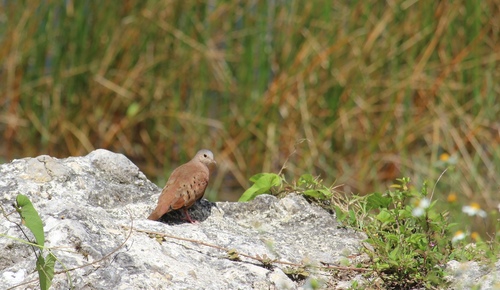 Ruddy Ground Dove
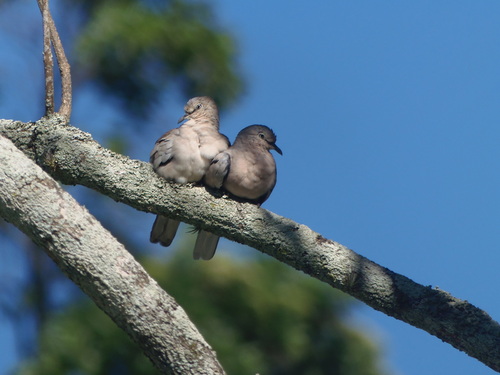 Picui Ground Dove
In breve
Il segno distintivo più affidabile per separare il Ruddy Ground Dove dal Picui Ground Dove è il motivo delle ali: il Ruddy Ground Dove (tutte le età) mostra macchie nere sulle copritrici delle ali, mentre il Picui Ground Dove (adulto e giovanile) ha due bande bianche distinte sulle ali bordate di nero, visibili sull'ala ripiegata e in volo. I maschi adulti di Ruddy Ground Dove sono di un rufous più ricco con una testa grigia chiara, mentre i maschi di Picui sono coronati di grigio con un viso e una gola biancastri e mancano delle tonalità rufous. Le femmine e i giovanili di entrambe le specie sono più opachi, ma il motivo delle ali rimane il miglior separatore. Entrambe le specie si sovrappongono in gran parte del Sud America e possono essere trovate in habitat aperti e urbani, ma un'attenta attenzione al motivo delle ali e della testa risolverà quasi tutta la confusione.
Consigli di identificazione
- Controlla prima il motivo delle ali: Il Ruddy Ground Dove (tutte le età) ha macchie nere sulle copritrici delle ali, mentre il Picui Ground Dove (tutte le età) mostra due bande bianche bordate di nero sull'ala ripiegata e in volo. Questo è il segno distintivo più affidabile.
- Uccelli in posa: Su un uccello in posa, cerca le copritrici delle ali macchiate di nero del Ruddy rispetto alle bande bianche del Picui. Anche in luce fioca, le macchie rispetto alle bande sono solitamente visibili a distanza ravvicinata.
- In volo: Entrambe le specie mostrano motivi distintivi sulle ali superiori. Il Ruddy mostra copritrici macchiate di nero e ali inferiori cannella-neri; il Picui lampeggia due bande bianche su uno sfondo color fawn-rosato.
- Motivo della testa e del viso (maschi adulti): I maschi di Ruddy hanno una testa grigia chiara o blu-grigia che contrasta con le parti superiori rufous ricche; i maschi di Picui hanno una corona e una nuca grigie, una fronte e una gola bianche e una sottile linea nera davanti all'occhio.
- Piumaggio femminile e giovanile: La femmina di Ruddy è completamente marrone con meno contrasto tra testa e corpo, ma mostra ancora macchie nere sulle ali. Le femmine e i giovanili di Picui sono più opachi e marroni rispetto ai maschi, ma mancano sempre delle macchie nere sulle ali e hanno le bande bianche (anche se meno nitide nei giovanili).
- Colore del petto e dell'addome: Il Picui ha un petto grigio-rosato e un addome bianco; il Ruddy è di un marrone più chiaro sotto, senza l'addome bianco nitido.
- Motivo della coda: Il Ruddy ha una coda corta bordata di nero; le penne centrali della coda del Picui sono grigio-marroni, che corrispondono al dorso, ma il motivo della coda è sottile e meno affidabile rispetto ai segni delle ali.
- Colore delle ali inferiori: Il Ruddy Ground Dove mostra ali inferiori cannella e nere, a volte visibili in volo o durante le esibizioni delle ali; il Picui non ha questo contrasto.
- Indizi comportamentali: I maschi di Ruddy Ground Dove possono mostrare aggressività alzando un'ala o colpendola, a volte esponendo le piume nere delle ali inferiori. Il Picui non è noto per questo comportamento.
- Sovrapposizione dell'habitat: Entrambe le specie si trovano in habitat aperti e urbani simili, quindi non fare affidamento sul contesto a meno che tu non sia al limite settentrionale dell'areale del Ruddy, dove il Picui non si trova.
- Dimensioni e struttura: Entrambe le specie sono quasi identiche in dimensioni e forma; non utilizzare le dimensioni come separatore.
- Voce: Il Ruddy emette un coo morbido 'cur-WOO'; la voce del Picui non è descritta qui, quindi non fare affidamento sulle vocalizzazioni per la separazione con le informazioni attuali.
- Stagione e posizione: Entrambe le specie sono residenti in gran parte del loro areale; la stagione non è un separatore affidabile, tranne che nel far nord (USA/Messico), dove si trova solo il Ruddy.
- Confusione giovanile: Anche i giovanili opachi possono essere separati dal motivo delle ali: macchie nere (Ruddy) vs. bande bianche (Picui).
- Trappole: Uccelli sbiaditi o usurati possono mostrare meno contrasto complessivo, ma il motivo delle ali rimane diagnostico. Non confondere le tonalità rufous del Ruddy con il fawn-rosato delle ali del Picui; cerca sempre macchie rispetto a bande.
Taglia
Entrambe le specie sono molto simili in dimensioni e massa, con il Ruddy Ground Dove che pesa in media circa 46,5 g e il Picui Ground Dove circa 48 g [wikidata]. Entrambi misurano circa 17–18 cm di lunghezza, quindi le dimensioni non sono un separatore affidabile sul campo. La struttura, come la forma della coda o del becco, non è distintamente diversa secondo le note disponibili.
Piumaggio
La differenza di piumaggio più diagnostica è il motivo delle ali, visibile sia quando sono in posa che in volo. Il Ruddy Ground Dove (tutte le età e i sessi) mostra una serie di macchie nere sulle copritrici delle ali. Al contrario, il Picui Ground Dove (adulti e giovanili) ha due bande bianche nitide bordate di nero su uno sfondo color fawn-rosato, che sono visibili anche sull'ala ripiegata. I maschi adulti di Ruddy Ground Dove hanno un corpo rufous ricco con una testa grigia chiara (a volte blu-grigia), mentre le femmine sono di un marrone più uniforme. I maschi di Picui hanno una corona e una nuca grigie, una fronte e una gola bianche e un petto grigio-rosato, con il resto delle parti superiori grigio-marroni; le femmine sono più opache con meno rosa, e i giovanili sono ancora più marroni e opachi, ma mancano sempre delle macchie nere sulle ali del Ruddy. Le ali inferiori del Ruddy Ground Dove sono cannella e nere, a volte visibili in volo o quando prendono il sole. L'addome del Picui è bianco, e la coda è grigio-marrone con le penne centrali che corrispondono al dorso.
Comportamento
Entrambe le specie sono foraggiatori terrestri, spesso visti in aree aperte, campi e ambienti urbani. Il Ruddy Ground Dove è noto per essere piuttosto aggressivo con i conspecifici, specialmente i maschi, che possono esibirsi alzando un'ala o colpendola. Il comportamento del Picui Ground Dove non è descritto come particolarmente aggressivo. Entrambe le specie possono essere avvicinate e possono nutrirsi accanto a piccioni e altre colombe. Il Ruddy Ground Dove è talvolta descritto come 'amichevole e ingenuo', ma questo non è un segno distintivo affidabile.
Habitat
Entrambe le specie sono diffuse in campagna aperta, inclusi cespugli, terreni agricoli e aree urbane in gran parte del Sud America. Il Ruddy Ground Dove si è espanso nelle città ed è comune in ambienti alterati dall'uomo, specialmente in Brasile. Il Picui Ground Dove condivide gran parte dello stesso areale e habitat, quindi il contesto non è solitamente utile per la separazione, tranne che al limite settentrionale dell'areale del Ruddy (Messico, America Centrale e sud degli USA), dove il Picui non si trova.
Voce
Il Ruddy Ground Dove emette un coo morbido 'cur-WOO.' Non c'è una descrizione vocale dettagliata per il Picui Ground Dove nelle note, quindi la voce non è un separatore affidabile con le informazioni fornite.
Ruddy Ground Dove · Picui Ground Dove · I miei uccelli difficili