

Motmot

ケアシスズメバト 対 ミミグロバト

Columbina talpacoti 対 Zenaida auriculata

ケアシスズメバトとミミグロバトのクイズ
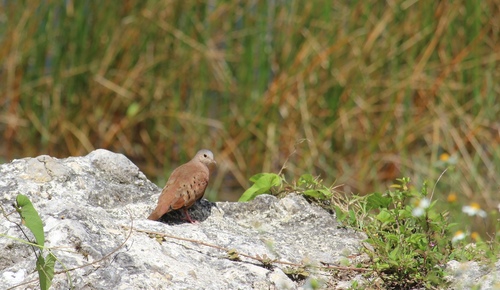
ケアシスズメバト (Columbina talpacoti) ケアシスズメバト
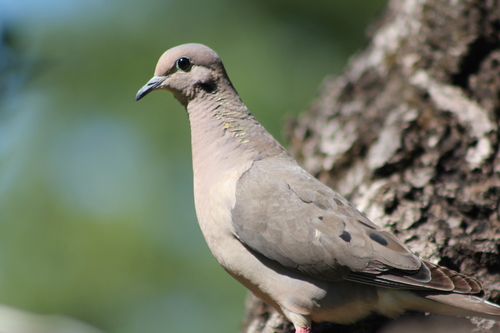
ミミグロバト (Zenaida auriculata) ミミグロバト

メディア

読み込み中…

要点

ケアシスズメバトとミミグロバトを区別する最も信頼できるフィールドマークは、全体のサイズと尾の形です:ケアシスズメバトははるかに小さく、明らかに短い尾を持っているのに対し、ミミグロバトは大きく、長いくさび形の尾を持っています。飛んでいるときや止まっているときに、ケアシスズメバトのオスは淡い灰色の頭と豊かな赤褐色の上面を示し、翼の覆羽には黒い斑点がありますが、ミミグロバトのオスは上面がオリーブブラウンで、灰色の冠と目の後ろおよび下耳覆羽に特徴的な黒い斑点があります。両種の雌と幼鳥はより鈍い色合いですが、ミミグロバトは常によりがっしりとしており、尾が長いです。両種は翼の覆羽に黒い斑点を示しますが、文脈と比率が重要です。幼鳥/未熟なミミグロバトは特に鈍く、茶色がかっており、若いケアシスズメバトの赤褐色のトーンが欠けています。構造と尾の長さを最初に使用し、その後に羽毛と頭のパターンで確認してください。

識別のコツ

  1. Size and bulk: ケアシスズメバトはミミグロバトよりもはるかに小さく、コンパクトです。鳥が鳩のサイズまたはそれ以上に見える場合、ほぼ確実にミミグロバトです。これはすべての年齢と性別に対して信頼できます。
  2. Tail length and shape: ケアシスズメバトは短く、四角い尾を持っています;ミミグロバトは長く、くさび形の尾を持っています。飛んでいるときや止まっているときに、ミミグロバトの尾は明らかに長く、尖っています。
  3. Head pattern (adult males): ケアシスズメバトのオスは淡い灰色の頭と首を持ち、赤褐色の上面と対照的です。ミミグロバトのオスは灰色の冠、目の後ろの黒い線、青黒い下耳覆羽(「耳」マーク)を持ち、赤褐色のトーンはありません。
  4. Upperparts color: ケアシスズメバトのオスは上面が豊かな赤褐色で、雌は茶色です;ミミグロバトは両性とも上面がオリーブブラウンで、赤褐色はありません。
  5. Wing coverts: 両種は翼の覆羽に黒い斑点を持っていますが、ケアシスズメバトではこれらは赤褐色または茶色の背景に対して配置されており、ミミグロバトでは背景がオリーブブラウンです。
  6. Underwing color: ケアシスズメバトはシナモン色と黒の下羽を示し、特に日光浴や飛行中に顕著です;ミミグロバトはこの強い下羽のコントラストが欠けています。
  7. Facial markings: ミミグロバトは目の後ろに特徴的な黒い線と青黒い下耳覆羽を持っています;ケアシスズメバトはこれらのマークが欠けています。
  8. Underparts: ケアシスズメバトは下がより淡い茶色です;ミミグロバトはワイン色の下部を持っています。
  9. Tail tip: ミミグロバトの尾はシナモン色の先端を持っています;ケアシスズメバトの尾は黒い縁取りがあります。
  10. Female/immature confusion: 雌のケアシスズメバトは全体が茶色ですが、依然として小さく短い尾を持っています。未熟なミミグロバトは淡い縞模様の鈍い灰色茶色で、常にケアシスズメバトよりも大きく、尾が長いです。
  11. Behavior: ケアシスズメバトはしばしば単独または小さな群れで見られ、地面で餌を食べ、かなり近づくことができます。オスは互いに攻撃的で、翼を上げてディスプレイし、時には片方の翼を伸ばして日光浴をし、黒い下羽の羽毛を見せます。ミミグロバトははるかに群れを成し、大きな群れを形成することが多く、特に繁殖期以外で顕著です。その飛行は高く、速く、直接的で、鳩に似ていますが、長い尾が明らかです。ミミグロバトはまた、ワイヤーや大きな共同宿に止まっているのが見られることが多いです。
  12. Perching habits: ミミグロバトはしばしばワイヤーやポストに止まります;ケアシスズメバトは地面や低い止まり木で見られることが多いです。
  13. Habitat overlap: 両者は都市部や農村部で発生することができますが、ミミグロバトは大規模な開放農業風景で優勢であり、大きな群れで見られる可能性が高いです。
  14. Vocalizations: ケアシスズメバトの鳴き声は柔らかいcur-WOOです;ミミグロバトの鳴き声はより深いoo-ah-ooです。これはサポート証拠としてのみ使用してください。
  15. Pitfalls: 黒い翼の斑点や地面での餌を食べる行動だけに頼らないでください;特に混合群れや都市環境での自信のある識別のために、サイズ、尾、頭のパターンを使用してください。

大きさ

ケアシスズメバトははるかに小さく、軽量で、平均体重は約46.5g、長さは12〜18cmです。ミミグロバトははるかに大きく、通常は長さ約24cm、体重約112gです。サイズの違いは直接比較したり、一緒に見たりすると明らかですが、単独で見ても、ケアシスズメバトはコンパクトで短い尾を持っているのに対し、ミミグロバトは明らかにがっしりとしており、長いくさび形の尾を持っています。このサイズと尾のコントラストは、すべての年齢と性別にわたって信頼できます。

羽色

行動

ケアシスズメバトはしばしばペアや小さな群れで見られ、地面で餌を食べ、かなり近づくことができます。オスは互いに攻撃的で、翼を上げてディスプレイし、時には片方の翼を伸ばして日光浴をし、黒い下羽の羽毛を見せます。ミミグロバトははるかに社交的で、特に繁殖期以外に大きな群れを形成することが多いです。その飛行は高く、速く、直接的で、鳩に似ていますが、長い尾が明らかです。ミミグロバトはまた、ワイヤーや大きな共同宿に止まっているのが見られることが多いです。

生息環境

両種は開けた国、耕作地、都市環境で繁栄します。ケアシスズメバトは特にサブ、開けた地域、都市公園で一般的で、しばしば野生の鳩と一緒に餌を食べているのが見られます。ミミグロバトはサバンナ、開けた野原、都市部に豊富で、特に穀物作物のある農業地域で非常に多く見られます。一部の地域では、ミミグロバトが都市の生息地からケアシスズメバトを追い出しています。両者は人間が変えた風景にうまく適応しますが、ミミグロバトは開けた野原で非常に大きな群れで見られる可能性が高いです。

声

ケアシスズメバトは柔らかいcur-WOOの鳴き声を出します。ミミグロバトはより深く、柔らかいoo-ah-ooの鳴き声を持っています。どちらも柔らかく、鳩のようですが、ミミグロバトの鳴き声はより深く、引き延ばされています。これらの鳴き声の違いは微妙で、特に背景ノイズがある場合、フィールドで常に診断的ではありません。

より良い説明を送る

比較と同じ項目を使ってください。文章はすぐに公開されます。

The most reliable field mark to separate Ruddy Ground Dove from Eared Dove is overall size and tail shape: Ruddy Ground Dove is much smaller and noticeably short-tailed, while Eared Dove is larger with a long, wedge-shaped tail. In flight or perched, Ruddy Ground Dove males show a pale gray head and rich rufous upperparts with black spots on the wing coverts, while Eared Dove males are olive-brown above with a gray crown and distinctive black marks behind the eye and on the lower ear coverts. Females and immatures of both species are duller, but the Eared Dove is always bulkier and longer-tailed. Both species show black spots on the wing coverts, but the context and proportions are key. Juvenile/immature Eared Doves are especially dull and brownish, lacking the rufous tones of young Ruddy Ground Doves. Use structure and tail length first, then plumage and head pattern for confirmation.

  1. Size and bulk: Ruddy Ground Dove is much smaller and more compact than Eared Dove. If the bird appears pigeon-sized or larger, it's almost certainly Eared Dove. This is reliable for all ages and sexes.
  2. Tail length and shape: Ruddy Ground Dove has a short, squared tail; Eared Dove has a long, wedge-shaped tail. In flight or perched, the tail of Eared Dove is noticeably longer and pointed.
  3. Head pattern (adult males): Ruddy Ground Dove males have a pale gray head and neck contrasting with rufous upperparts. Eared Dove males have a gray crown, black line behind the eye, and blue-black lower ear coverts ('ear' mark); no rufous tones.
  4. Upperparts color: Ruddy Ground Dove males are rich rufous above, females are brown; Eared Dove is olive-brown above in both sexes, lacking rufous.
  5. Wing coverts: Both species have black spots on the wing coverts, but in Ruddy Ground Dove these are set against rufous or brown, while in Eared Dove the background is olive-brown.
  6. Underwing color: Ruddy Ground Dove shows cinnamon and black underwings, especially when sunning or in flight; Eared Dove lacks this strong underwing contrast.
  7. Facial markings: Eared Dove has a distinctive black line behind the eye and blue-black lower ear coverts; Ruddy Ground Dove lacks these marks.
  8. Underparts: Ruddy Ground Dove is paler brown below; Eared Dove has vinous (wine-colored) underparts.
  9. Tail tip: Eared Dove's tail is tipped cinnamon; Ruddy Ground Dove's tail is edged black.
  10. Female/immature confusion: Female Ruddy Ground Dove is all brown, but still small and short-tailed. Immature Eared Doves are dull gray-brown with pale barring, always larger and longer-tailed than any Ruddy Ground Dove.
  11. Behavior: Ruddy Ground Dove is often solitary or in small groups, Eared Dove is frequently in large flocks, especially in open fields.
  12. Perching habits: Eared Dove often perches on wires and posts; Ruddy Ground Dove is more often seen on the ground or low perches.
  13. Habitat overlap: Both can occur in urban and rural areas, but Eared Dove dominates in large open agricultural landscapes and is more likely to be seen in massive flocks.
  14. Vocalizations: Ruddy Ground Dove's call is a soft cur-WOO; Eared Dove's is a deeper oo-ah-oo. Use only as supporting evidence.
  15. Pitfalls: Do not rely solely on black wing spots or ground-feeding behavior; use size, tail, and head pattern for confident ID, especially in mixed flocks or urban settings.

Ruddy Ground Dove is significantly smaller and lighter, with an average body mass of about 46.5 g and a length of 12–18 cm. Eared Dove is much larger, typically around 24 cm in length and weighing about 112 g. The size difference is obvious in direct comparison or when seen together, but even singly, Ruddy Ground Dove appears compact and short-tailed, while Eared Dove is noticeably bulkier with a long, wedge-shaped tail. This size and tail contrast is reliable across all ages and sexes.

  • Juveniles/immatures: Young Ruddy Ground Doves already show sex-based color hints: males are rufous with a pale gray head, females are all brown, both with black spots on the wing coverts. Immature Eared Doves are very dull, grayish-brown with pale barring and lack any rufous or strong contrast; their head pattern is muted, but the long tail is still evident.
  • Adult males: Ruddy Ground Dove males have a pale gray head and neck, rich rufous upperparts, and black-spotted wing coverts. Eared Dove males are olive-brown above, with a gray crown, black line behind the eye, and blue-black lower ear coverts (the 'eared' mark), vinous underparts, and a cinnamon-tipped tail.
  • Adult females: Ruddy Ground Dove females are overall gray-brown with less contrast between head and body, still showing black-spotted wing coverts. Eared Dove females are duller than males but retain the long tail and black facial marks, though less pronounced. Both sexes of Eared Dove have a more uniform, olive-brown appearance compared to the warmer, rufous tones of Ruddy Ground Dove.
  • Wings in flight: Both species show black spots on the wing coverts, but Ruddy Ground Dove's underwings are cinnamon and black (especially visible when sunbathing or in flight), while Eared Dove lacks this strong underwing contrast.

Ruddy Ground Dove is often seen in pairs or small groups, feeding on the ground and can be quite approachable. Males are aggressive toward each other, displaying by raising a wing and sometimes sunbathe with one wing stretched up, revealing black underwing feathers. Eared Dove is much more gregarious, often forming large flocks, especially outside breeding. Its flight is high, fast, and direct, similar to pigeons, but the long tail is obvious. Eared Doves are also more likely to be seen perched on wires or in large communal roosts.

Both species thrive in open country, cultivated land, and urban environments. Ruddy Ground Dove is especially common in scrub, open areas, and city parks, often seen feeding alongside feral pigeons. Eared Dove is abundant in savannahs, open fields, and urban areas, and is particularly numerous in agricultural regions with grain crops. In some regions, Eared Dove is displacing Ruddy Ground Dove from urban habitats. Both adapt well to human-altered landscapes, but Eared Dove is more likely to be found in very large flocks in open fields.

Ruddy Ground Dove gives a soft, cur-WOO cooing call. Eared Dove has a deeper, soft oo-ah-oo call. Both are soft and dove-like, but Eared Dove's call is deeper and more drawn-out. These vocal differences are subtle and not always diagnostic in the field, especially with background noise.

変更を破棄しますか?

保存していない編集があります。今離れると失われます。

ケアシスズメバト · ミミグロバト · 苦手な鳥