

Motmot

ケアシスズメバト 対 ソライロアルキバト

Columbina talpacoti 対 Claravis pretiosa

ケアシスズメバトとソライロアルキバトのクイズ
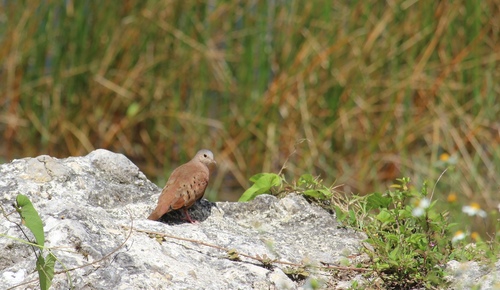
ケアシスズメバト (Columbina talpacoti) ケアシスズメバト
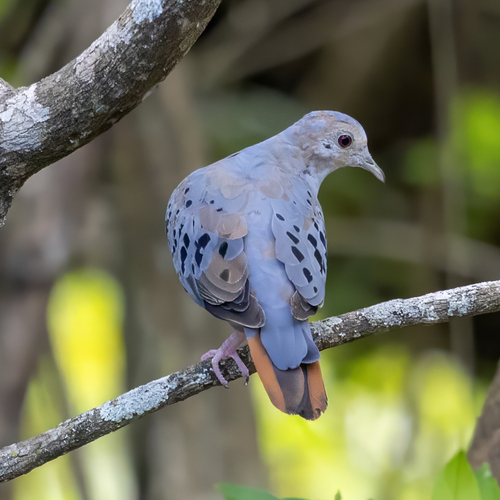
ソライロアルキバト (Claravis pretiosa) ソライロアルキバト

メディア

読み込み中…

要点

ケアシスズメバトとソライロアルキバトの最も信頼できるフィールドマークは、翼の斑点の色とパターンです:ケアシスズメバト(すべての年齢/性別)は翼の覆羽に黒い斑点を示し、ソライロアルキバトは栗色の斑点(雌/未熟)またはバンドを形成することが多い太い黒い斑点(雄)を持っています。成鳥の雄は全体の色で簡単に区別できます—ケアシスズメバトは豊かな赤褐色で淡い灰色の頭を持ち、ソライロアルキバトは全体が青灰色です。雌と未熟はより難しいですが、ソライロアルキバトの雌は栗色の尾と尾羽、栗色(黒ではない)の翼の斑点を持っています。ソライロアルキバトはまた、明らかに大きくてがっしりしています。飛んでいるときや止まっているときは、翼の斑点の色と全体のサイズに注目して、最も早く区別できます。

識別のコツ

  1. Wing spot color (all ages): ケアシスズメバトは常に翼の覆羽に黒い斑点を示します;ソライロアルキバトは栗色の斑点(雌/未熟)または太い黒い斑点(雄)を持ち、バンドを形成することがあります。これは、特に飛んでいるときや翼が露出している止まっている鳥にとって、最も早いフィールドマークです。
  2. Overall size and bulk: ソライロアルキバトは明らかに大きくて重いです。似たような2羽の鳩が一緒にいる場合、がっしりした方がソライロアルキバトの可能性が高いです。
  3. Adult male coloration: ケアシスズメバトの雄は豊かな赤褐色で淡い灰色の頭を持っています;ソライロアルキバトの雄は全体が青灰色で、顔はより淡いです。これは良い光の中で強い区別になります。
  4. Female/immature upperparts: ケアシスズメバトの雌は全体が平坦な茶色で、頭と体の間にあまりコントラストがありません。ソライロアルキバトの雌は灰色がかった茶色の頭/首/胸、赤褐色の背中、そしてコントラストのある栗色の尾と尾羽を持っています。
  5. Tail color and shape: ソライロアルキバトの雌は栗色の尾と尾羽を示します;ケアシスズメバトは黒い縁のある短い尾を持ち、栗色のトーンはありません。
  6. Underwing color (female Blue): ソライロアルキバトの雌は淡い青灰色の下翼と腹を示し、ケアシスズメバトの均一に茶色がかった下部とは異なります。
  7. Juvenile scaling: 若いソライロアルキバトは背中に赤褐色のスケーリングがあります;ケアシスズメバトの幼鳥にはありません。
  8. Iris and bare parts: ソライロアルキバトは赤または黄色の虹彩と緑のアイリングを持っています;ケアシスズメバトの裸の部分はフィールドであまり特徴的ではありません。
  9. Aggression and behavior: ケアシスズメバトはしばしば翼を上げてディスプレイしたり戦ったりしているのが見られ、特に雄の間でこの行動が見られます。この行動はソライロアルキバトではあまり見られません。
  10. Habitat context: 都市公園、庭、または市の中心部では、ケアシスズメバトの方が可能性が高いです。森林の端やあまり干渉されていない開けた場所では、ソライロアルキバトの方が可能性が高いです。
  11. Flight style: 両種は速く、直接的な飛行を持っていますが、ソライロアルキバトはそのサイズのために飛行中により重く見えることがあります。
  12. Sexual dimorphism: 両種は性差を示しますが、ケアシスズメバト(雄は赤褐色、雌は茶色)の方がソライロアルキバト(雄は青灰色、雌は茶色/青灰色の混合)の方がコントラストがはっきりしています。
  13. Group association: ケアシスズメバトはしばしば群れで餌を食べ、時には野生のハトと一緒にいます;ソライロアルキバトは大きな都市の群れで見られる可能性は低いです。
  14. Wing display: 日光浴やディスプレイをしているとき、ケアシスズメバトは黒い下翼の羽毛の大きな面積を示すことがあり、観察された場合は手がかりになります。
  15. Pitfall—female confusion: 雌/未熟のソライロアルキバトは雌のケアシスズメバトと間違えられることがありますが、栗色(黒ではない)の翼の斑点と栗色の尾/尾羽に注目してこの混乱を避けてください。

大きさ

ソライロアルキバトは明らかに大きくて重いです:平均体重は約69gで、ケアシスズメバトは46.5gです [wikidata]。ソライロアルキバトはまた、ケアシスズメバト(17cm)に対して長さが20cmです。フィールドでは、ソライロアルキバトはがっしりしていてより頑丈に見え、ケアシスズメバトは明らかに小さくて繊細です。

羽色

行動

両種は地面で餌を探す鳩ですが、ケアシスズメバトはより攻撃的で領土意識が強く、特に雄の間でしばしば翼を上げてディスプレイしたり戦ったりしているのが見られます。ソライロアルキバトは攻撃性についてはあまり記述されていませんが、両方とも開けた場所で地面で餌を食べているのが見られます。ケアシスズメバトは特に都市環境で人間の存在に対してより近づきやすく、寛容です。

生息環境

ケアシスズメバトは非常に適応力があり、開けた国、農地、都市部で一般的で、しばしば野生のハトと一緒に餌を食べています。干渉された生息地で繁栄し、森林伐採や都市化と共に拡大しています。ソライロアルキバトも開けたおよび半開けた地域に生息しますが、都市環境とはあまり関連がなく、森林の端、開けた場所、森林により多く見られます。両方が生息する場所では、ケアシスズメバトは都市公園や庭で見られる可能性が高く、ソライロアルキバトはあまり干渉されていない、より森林の多い生息地を好みます。

声

ケアシスズメバトは柔らかい、くる-WOOというクーイングコールを持っています。ソースにはソライロアルキバトのための特有の声は提供されていないため、ここでは声は信頼できる区別要因ではありません。

より良い説明を送る

比較と同じ項目を使ってください。文章はすぐに公開されます。

The most reliable field mark between Ruddy Ground Dove and Blue Ground Dove is the color and pattern of the wing spots: Ruddy Ground Dove (all ages/sexes) shows black spots on the wing coverts, while Blue Ground Dove has chestnut-brown spots (female/immature) or bold black spots often forming bands (male). Adult males are easily separated by overall color—Ruddy is rich rufous with a pale gray head, Blue is blue-grey throughout. Females and immatures are trickier, but Blue Ground Dove females have a chestnut rump and tail, and chestnut (not black) wing spots. Blue Ground Dove is also noticeably larger and bulkier. In flight or perched, focus on wing spot color and overall size for the quickest separation.

  1. Wing spot color (all ages): Ruddy Ground Dove always shows black spots on the wing coverts; Blue Ground Dove has chestnut-brown spots (female/immature) or bold black spots (male) that may form bands. This is the fastest field mark, especially in flight or perched birds with wings exposed.
  2. Overall size and bulk: Blue Ground Dove is significantly larger and heavier. If two similar doves are together, the bulkier one is likely Blue.
  3. Adult male coloration: Ruddy Ground Dove males are rich rufous above with a pale gray head; Blue Ground Dove males are blue-grey throughout with a paler face. This is a strong separator in good light.
  4. Female/immature upperparts: Female Ruddy Ground Dove is plain brown overall, with little contrast between head and body. Female Blue Ground Dove has a grey-brown head/neck/breast, rufous-brown back, and a contrasting chestnut rump and tail.
  5. Tail color and shape: Blue Ground Dove females show a chestnut rump and tail; Ruddy Ground Dove has a short tail with black edges, lacking chestnut tones.
  6. Underwing color (female Blue): Female Blue Ground Dove shows pale blue-grey underwings and belly, unlike the uniformly brownish underparts of Ruddy Ground Dove.
  7. Juvenile scaling: Young Blue Ground Doves have ruddy scaling on the back; Ruddy Ground Dove juveniles do not.
  8. Iris and bare parts: Blue Ground Dove has a red or yellow iris and green eyering; Ruddy Ground Dove's bare parts are less distinctive in the field.
  9. Aggression and behavior: Ruddy Ground Dove is often seen displaying or fighting with raised wings, especially among males. This behavior is less noted in Blue Ground Dove.
  10. Habitat context: In urban parks, gardens, or city centers, Ruddy Ground Dove is more likely. In woodland edges or less disturbed open areas, Blue Ground Dove is more probable.
  11. Flight style: Both species have fast, direct flight, but Blue Ground Dove may appear heavier in flight due to its size.
  12. Sexual dimorphism: Both species show sexual differences, but the contrast is sharper in Ruddy Ground Dove (male rufous, female brown) than in Blue Ground Dove (male blue-grey, female brown/blue-grey mix).
  13. Group association: Ruddy Ground Dove often feeds in groups, sometimes with feral pigeons; Blue Ground Dove is less likely to be seen in large urban flocks.
  14. Wing display: When sunbathing or displaying, Ruddy Ground Dove may show a large area of black underwing feathers, which can be a clue if observed.
  15. Pitfall—female confusion: Female/immature Blue Ground Dove can be mistaken for female Ruddy Ground Dove, but focus on the chestnut (not black) wing spots and the chestnut rump/tail to avoid this mix-up.

Blue Ground Dove is distinctly larger and heavier: average body mass is about 69 g versus 46.5 g for Ruddy Ground Dove [wikidata]. Blue Ground Dove is also longer (20 cm) compared to Ruddy Ground Dove (17 cm). In the field, Blue Ground Dove appears bulkier and more robust, while Ruddy Ground Dove is noticeably smaller and more delicate.

  • Juvenile/immature and female comparison: Both species have brownish females and immatures, but Ruddy Ground Dove always shows black spots on the wing coverts, while Blue Ground Dove females/immatures have chestnut-brown spots. Blue Ground Dove females also show a rufous-brown back with a contrasting chestnut rump and tail, and a pale blue-grey belly and underwings. Young Blue Ground Doves have ruddy scaling on the back, which is absent in Ruddy Ground Dove.

  • Adult males: Ruddy Ground Dove males are rich rufous above with a pale gray head and black-spotted wing coverts; underparts are paler brown. Blue Ground Dove males are blue-grey above and below, with blackish flight feathers and outer tail, and bold black spots (often forming bands) on the wings. The face is paler grey-white in Blue Ground Dove males.

  • In flight: Both species show spotted wings, but the spot color is diagnostic: black in Ruddy, chestnut or black (depending on sex) in Blue. Blue Ground Dove males may show more extensive and banded spotting. The tail of Blue Ground Dove is longer and has chestnut tones (female), while Ruddy Ground Dove has a short tail with black edges.

Both species are ground-foraging doves, but Ruddy Ground Dove is more aggressive and territorial, especially among males, often seen displaying or fighting with raised wings. Blue Ground Dove is less described in terms of aggression, but both can be seen feeding on the ground in open areas. Ruddy Ground Dove is often more approachable and tolerant of human presence, especially in urban settings.

Ruddy Ground Dove is highly adaptable and common in open country, farmland, and urban areas, often feeding alongside feral pigeons. It thrives in disturbed habitats and has expanded with deforestation and urbanization. Blue Ground Dove also occurs in open and semi-open areas but is less associated with urban environments and more likely in forest edges, clearings, and woodland. Where both occur, Ruddy Ground Dove is more likely in city parks and gardens, while Blue Ground Dove prefers less disturbed, more wooded habitats.

Ruddy Ground Dove has a soft, cur-WOO cooing call. No distinctive vocalization is provided for Blue Ground Dove in the sources, so voice is not a reliable separator here.

変更を破棄しますか?

保存していない編集があります。今離れると失われます。

ケアシスズメバト · ソライロアルキバト · 苦手な鳥