

Ruddy Ground Dove vs Blue Ground Dove
Columbina talpacoti contro Claravis pretiosa
Fai un quiz con Ruddy Ground Dove e Blue Ground Dove
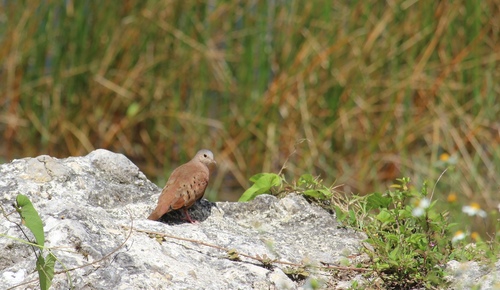 Ruddy Ground Dove
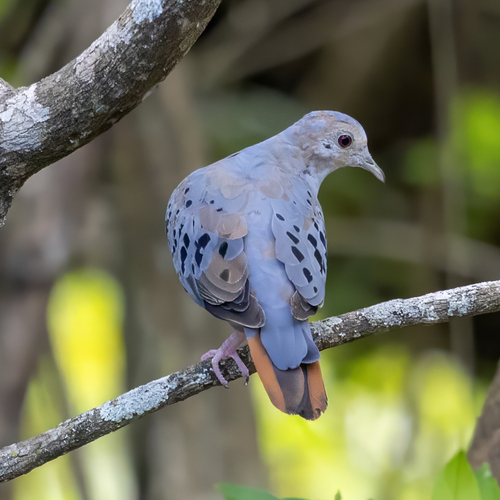 Blue Ground Dove
In breve
Il segno di campo più affidabile tra Ruddy Ground Dove e Blue Ground Dove è il colore e il motivo delle macchie sulle ali: Ruddy Ground Dove (tutte le età/sessi) mostra macchie nere sulle copritrici delle ali, mentre Blue Ground Dove ha macchie marrone castagna (femmina/immatura) o macchie nere audaci che spesso formano bande (maschio). I maschi adulti sono facilmente separabili per il colore generale: Ruddy è di un ricco rufous con una testa grigia chiara, Blue è blu-grigio in tutto. Le femmine e gli immaturi sono più difficili da distinguere, ma le femmine di Blue Ground Dove hanno un sopraccoda e una coda castagna, e macchie sulle ali castagne (non nere). Blue Ground Dove è anche notevolmente più grande e massiccio. In volo o posato, concentrati sul colore delle macchie delle ali e sulla dimensione complessiva per la separazione più rapida.
Consigli di identificazione
- Colore delle macchie sulle ali (tutte le età): Ruddy Ground Dove mostra sempre macchie nere sulle copritrici delle ali; Blue Ground Dove ha macchie marrone castagna (femmina/immatura) o macchie nere audaci (maschio) che possono formare bande. Questo è il segno di campo più veloce, specialmente in volo o in uccelli posati con le ali esposte.
- Dimensione e massa complessiva: Blue Ground Dove è significativamente più grande e pesante. Se due colombi simili sono insieme, quello più massiccio è probabilmente Blue.
- Colorazione dei maschi adulti: I maschi di Ruddy Ground Dove sono di un ricco rufous sopra con una testa grigia chiara; i maschi di Blue Ground Dove sono blu-grigio in tutto con un volto più chiaro. Questo è un forte separatore in buona luce.
- Parte superiore delle femmine/immaturi: La femmina di Ruddy Ground Dove è di un marrone uniforme, con poco contrasto tra testa e corpo. La femmina di Blue Ground Dove ha una testa/collo/petto grigio-marrone, un dorso rufous-marrone e un sopraccoda e coda castagna in contrasto.
- Colore e forma della coda: Le femmine di Blue Ground Dove mostrano un sopraccoda e una coda castagna; Ruddy Ground Dove ha una coda corta con bordi neri, priva di toni castagna.
- Colore della parte inferiore delle ali (femmina Blue): La femmina di Blue Ground Dove mostra parti inferiori delle ali e ventre blu-grigio chiaro, a differenza delle parti inferiori uniformemente marroni di Ruddy Ground Dove.
- Scalatura giovanile: I giovani Blue Ground Doves hanno una scalatura rufous sulla schiena; i giovani di Ruddy Ground Dove non ce l'hanno.
- Iride e parti nude: Blue Ground Dove ha un'iride rossa o gialla e un anello oculare verde; le parti nude di Ruddy Ground Dove sono meno distintive sul campo.
- Aggressione e comportamento: Ruddy Ground Dove è spesso visto esibendosi o combattendo con le ali sollevate, specialmente tra i maschi. Questo comportamento è meno notato in Blue Ground Dove.
- Contesto dell'habitat: Nei parchi urbani, giardini o centri città, è più probabile vedere Ruddy Ground Dove. Ai margini dei boschi o in aree aperte meno disturbate, è più probabile vedere Blue Ground Dove.
- Stile di volo: Entrambe le specie hanno un volo veloce e diretto, ma Blue Ground Dove può apparire più pesante in volo a causa della sua dimensione.
- Dimorfismo sessuale: Entrambe le specie mostrano differenze sessuali, ma il contrasto è più netto in Ruddy Ground Dove (maschio rufous, femmina marrone) rispetto a Blue Ground Dove (maschio blu-grigio, femmina marrone/misto blu-grigio).
- Associazione di gruppo: Ruddy Ground Dove si nutre spesso in gruppi, a volte con piccioni selvatici; Blue Ground Dove è meno probabile che venga visto in grandi stormi urbani.
- Esibizione delle ali: Quando si abbronza o si esibisce, Ruddy Ground Dove può mostrare una grande area di piume nere sotto le ali, che può essere un indizio se osservato.
- Trappola—confusione femminile: Le femmine/immaturi di Blue Ground Dove possono essere scambiati per femmine di Ruddy Ground Dove, ma concentrati sulle macchie castagne (non nere) delle ali e sul sopraccoda/coda castagna per evitare questa confusione.
Taglia
Blue Ground Dove è nettamente più grande e pesante: la massa corporea media è di circa 69 g contro 46,5 g per Ruddy Ground Dove [wikidata]. Blue Ground Dove è anche più lungo (20 cm) rispetto a Ruddy Ground Dove (17 cm). Sul campo, Blue Ground Dove appare più massiccio e robusto, mentre Ruddy Ground Dove è visibilmente più piccolo e più delicato.
Piumaggio
-
Confronto tra giovani/immaturi e femmine: Entrambe le specie hanno femmine e immaturi marroni, ma Ruddy Ground Dove mostra sempre macchie nere sulle copritrici delle ali, mentre le femmine/immaturi di Blue Ground Dove hanno macchie marrone castagna. Le femmine di Blue Ground Dove mostrano anche un dorso rufous-marrone con un sopraccoda e coda castagna in contrasto, e un ventre e parti inferiori blu-grigio chiaro. I giovani Blue Ground Doves hanno una scalatura rufous sulla schiena, che è assente in Ruddy Ground Dove.
-
Maschi adulti: I maschi di Ruddy Ground Dove sono di un ricco rufous sopra con una testa grigia chiara e copritrici delle ali macchiate di nero; le parti inferiori sono di un marrone più chiaro. I maschi di Blue Ground Dove sono blu-grigio sopra e sotto, con piume di volo nere e coda esterna, e macchie nere audaci (spesso formando bande) sulle ali. Il volto è di un grigio-bianco più chiaro nei maschi di Blue Ground Dove.
-
In volo: Entrambe le specie mostrano ali macchiate, ma il colore delle macchie è diagnostico: nero in Ruddy, castagna o nero (a seconda del sesso) in Blue. I maschi di Blue Ground Dove possono mostrare macchie più estese e a bande. La coda di Blue Ground Dove è più lunga e ha toni castagna (femmina), mentre Ruddy Ground Dove ha una coda corta con bordi neri.
Comportamento
Entrambe le specie sono colombi che si nutrono a terra, ma Ruddy Ground Dove è più aggressivo e territoriale, specialmente tra i maschi, spesso visto esibendosi o combattendo con le ali sollevate. Blue Ground Dove è meno descritto in termini di aggressione, ma entrambi possono essere visti nutrirsi a terra in aree aperte. Ruddy Ground Dove è spesso più avvicinabile e tollerante alla presenza umana, specialmente in ambienti urbani.
Habitat
Ruddy Ground Dove è altamente adattabile e comune in campagna aperta, terreni agricoli e aree urbane, spesso nutrendosi insieme a piccioni selvatici. Si sviluppa in habitat disturbati e si è espanso con la deforestazione e l'urbanizzazione. Blue Ground Dove si trova anche in aree aperte e semiaperte, ma è meno associato agli ambienti urbani e più probabile nei margini forestali, radure e boschi. Dove entrambe le specie si trovano, Ruddy Ground Dove è più probabile nei parchi e giardini cittadini, mentre Blue Ground Dove preferisce habitat meno disturbati e più boscosi.
Voce
Ruddy Ground Dove ha un richiamo morbido e cur-WOO. Non è fornita alcuna vocalizzazione distintiva per Blue Ground Dove nelle fonti, quindi la voce non è un separatore affidabile qui.
Ruddy Ground Dove · Blue Ground Dove · I miei uccelli difficili