

Motmot

チャボウシツグミ 対 ハイイロチャツグミ

Catharus frantzii 対 Catharus minimus

チャボウシツグミとハイイロチャツグミのクイズ
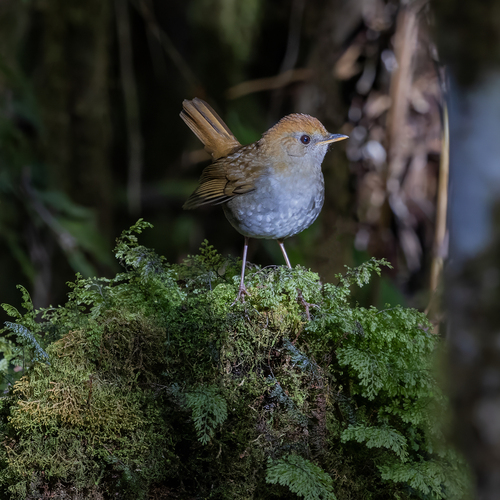
チャボウシツグミ (Catharus frantzii) チャボウシツグミ
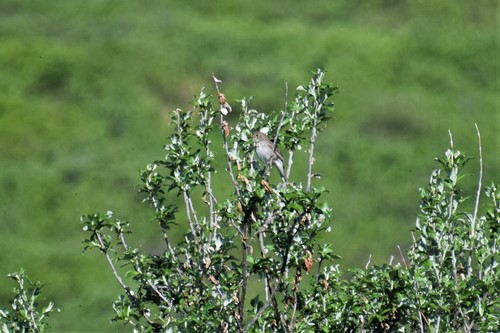
ハイイロチャツグミ (Catharus minimus) ハイイロチャツグミ

メディア

読み込み中…

要点

ルディキャップナイチンゲールツグミとハイイロチャツグミを区別する最も信頼できるフィールドマークは、ルディキャップの頭部、尾、上尾覆羽に豊かな赤褐色または赤茶色のトーンが存在することであり、地味な灰褐色のハイイロチャツグミには決して見られません。飛行中または止まっているとき、ルディキャップの温かみのある赤みを帯びたトーンと銀白色の下翼は、ハイイロチャツグミの全体的な灰褐色、薄暗い側面、およびクラシックな白-黒-白の下翼パターンと対照的です。両種の幼鳥はより muted ですが、ルディキャップは依然としてすすけた顔とオリーブまたは赤褐色の横縞を示し、一方ハイイロチャツグミは灰色がかっており、赤褐色を欠いています。両者はサイズが似ていますが、分布は重なりません:ルディキャップは中米の常住種であり、ハイイロチャツグミは北方の移動種です。最良の区別のためには、羽毛と文脈を一緒に使用してください。

識別のコツ

  1. 赤褐色または赤茶色の頭部と尾(全ての年齢): ルディキャップナイチンゲールツグミだけが豊かな赤褐色または赤茶色の頭部、尾、上尾覆羽を示します。ハイイロチャツグミは常に灰褐色で、赤褐色を示しません。
  2. 灰色がかった顔対すすけたまたはオリーブの顔(幼鳥): 幼鳥のルディキャップはすすけた顔とオリーブまたは赤褐色のトーンを頭部と上部に持ち、一方幼鳥のハイイロチャツグミは灰色がかっており、赤褐色やすすけたトーンを欠いています。
  3. 下部のパターン(全ての年齢): ルディキャップは、暗い斑点のある白っぽい顎と喉、オリーブの色合いと斑点のある淡い灰色の胸、幼鳥のオリーブまたはオリーブ茶色の横縞のある白っぽい腹を示します。ハイイロチャツグミは薄暗い側面を持ち、一般的に地味で灰色がかった下部のパターンを持ち、横縞や赤褐色はありません。
  4. 下翼のパターン(成鳥): ハイイロチャツグミはクラシックな Catharus の白-黒-白の下翼パターンを示し、飛行中に最もよく見られます。ルディキャップは飛行羽の裏側が銀白色ですが、同じ大胆な下翼パターンはありません。
  5. 部分的な淡いアイリング(成鳥): ハイイロチャツグミは部分的な淡いアイリングを示すことがありますが、ルディキャップには強いアイリングはありません。
  6. くちばしの色: ルディキャップは黒っぽい上顎とオレンジ-黄色の下顎を持ちますが、これは微妙でフィールドで簡単には見えません。ハイイロチャツグミのくちばしは特徴的とは記述されていません。
  7. 脚の色: ルディキャップの脚は淡いピンクから灰色がかったまたは茶色がかったピンクです;ハイイロチャツグミの脚の色は診断的ではありません。
  8. サイズと構造: 両者はサイズと形が似ており、構造に頼って区別しないでください。
  9. 行動: 両種は密な下草の中で隠れ、地面の上または近くで餌を探します;行動は信頼できる区別要因ではありません。
  10. 生息地と分布: ルディキャップはメキシコからパナマまでの高地の森林にのみ生息しています。ハイイロチャツグミは北方の針葉樹林と低い北極の低木地帯で繁殖し、北アメリカの広範囲な森林生息地を移動します。中米の高地で一羽見かけた場合はルディキャップ、北アメリカの北方や移動中の鳥はハイイロチャツグミです。
  11. 鳴き声: 現在の情報では、これら二種の間で診断的ではありません。
  12. 性別: 両種は性別による形態的差異がなく、羽毛は性別によって変わりません。
  13. 亜種の変異: ルディキャップには上部と下部のトーンに小さな違いを持ついくつかの亜種がありますが、すべて赤褐色の頭部と尾を保持しています。ハイイロチャツグミの亜種は分布のみ異なり、フィールドマークには違いがありません。
  14. 落とし穴: ルディキャップのオリーブまたは赤褐色のトーンをハイイロチャツグミの灰褐色と混同しないでください、特に光が悪いときは。幼鳥はより muted ですが、赤褐色の有無が重要です。
  15. 疑問がある場合: ルディキャップの赤褐色の頭部/尾、ハイイロチャツグミの全体的な灰褐色、地理的文脈の組み合わせを使用して、最も信頼できる識別を行ってください。

大きさ

両種はサイズが非常に近いです:ルディキャップナイチンゲールツグミは約15〜18 cmの長さで、約30 gの重さがありますが、ハイイロチャツグミは15〜17 cmで、26〜30 gの重さです。フィールドでの意味のあるサイズの違いはありません。両者は Catharus ツグミに典型的な似た比率を持っているため、構造は信頼できる区別要因ではありません。

羽色

行動

ルディキャップナイチンゲールツグミは通常、単独またはペアで密な下草の中で地面の近くで餌を探し、アリの群れを追うことがあります。ハイイロチャツグミは秘密主義で、低く密な低木の中や地面で餌を探し、高密度で見られることは稀です。両者は内気で、厚いカバーの中で隠れるため、行動は強い区別要因ではありません。

生息環境

ルディキャップナイチンゲールツグミはメキシコからパナマまでの高地の森林に生息し、常に山地または雲霧林の生息地にいます。ハイイロチャツグミは北方の針葉樹林と低い北極の低木地帯で繁殖し、北アメリカの広範囲な森林生息地を移動します。両者の分布は重なりません:中米の高地で一羽見かけた場合はルディキャップ、北方の針葉樹林や北アメリカでの移動中の鳥はハイイロチャツグミです。

声

これら二種の鳴き声の間での直接的な比較はノートにはありません。ハイイロチャツグミは複雑でぼやけたフルートのような歌で知られていますが、これはビックネルツグミとの比較に最も役立ちます。ルディキャップナイチンゲールツグミの声はここでは記述されていません。現在のノートに基づいて、鳴き声はフィールドでのこれら二種の信頼できる区別要因ではありません。

より良い説明を送る

比較と同じ項目を使ってください。文章はすぐに公開されます。

The most reliable field mark to separate Ruddy-capped Nightingale-Thrush from Grey-cheeked Thrush is the presence of rich rufous or russet tones on the crown, tail, and uppertail coverts of the Ruddy-capped, which are never shown by the drab gray-brown Grey-cheeked. In flight or perched, the Ruddy-capped’s warm reddish tones and silvery white underwing contrast with the Grey-cheeked’s overall gray-brown, dusky flanks, and the classic white-dark-white underwing pattern. Juveniles of both species are more muted, but the Ruddy-capped still shows a sooty face and olive or reddish bars below, while the Grey-cheeked remains grayish and lacks any rufous. Both are similar in size, but their ranges do not overlap: Ruddy-capped is a Central American resident, while Grey-cheeked is a northern migrant. Use plumage and context together for best separation.

  1. Rufous or russet crown and tail (all ages): Only Ruddy-capped Nightingale-Thrush shows a rich rufous or russet crown, tail, and uppertail coverts. Grey-cheeked Thrush is always gray-brown above and never shows rufous.
  2. Grayish face vs. sooty or olive face (juveniles): Juvenile Ruddy-capped has a sooty face and olive or reddish tones on the crown and upperparts, while juvenile Grey-cheeked is grayish and lacks any rufous or sooty tones.
  3. Underparts pattern (all ages): Ruddy-capped shows a whitish chin and throat with dark flecks, pale gray breast with olive tinge and flecks, and whitish belly with olive or olive-brown bars in juveniles. Grey-cheeked has dusky flanks and a generally drab, grayish underpart pattern without barring or rufous.
  4. Underwing pattern (adults): Grey-cheeked Thrush shows the classic Catharus white-dark-white underwing pattern, best seen in flight. Ruddy-capped has silvery white undersides to the flight feathers, but not the same bold underwing pattern.
  5. Partial pale eyering (adults): Grey-cheeked Thrush may show a partial pale eyering, but Ruddy-capped does not have a strong eyering.
  6. Bill color: Ruddy-capped has a blackish upper mandible and orange-yellow lower mandible, but this is subtle and not easily seen in the field. Grey-cheeked’s bill is not described as distinctive.
  7. Leg color: Ruddy-capped’s legs are pale pink to grayish or brownish pink; Grey-cheeked’s leg color is not diagnostic.
  8. Size and structure: Both are similar in size and shape; do not rely on structure for separation.
  9. Behavior: Both species skulk in dense undergrowth and forage on or near the ground; behavior is not a reliable separator.
  10. Habitat and range: Ruddy-capped is found only in highland forests from Mexico to Panama. Grey-cheeked breeds in boreal and Arctic shrublands and migrates through North America. If you are in Central America’s highlands, it is Ruddy-capped; in North America, especially during migration, it is Grey-cheeked.
  11. Vocalizations: Not diagnostic between these two species with current information.
  12. Sexes: Both species are sexually monomorphic; plumage does not vary by sex.
  13. Subspecies variation: Ruddy-capped has several subspecies with minor differences in upperpart and underpart tones, but all retain the rufous crown and tail. Grey-cheeked’s subspecies differ only in range, not in field marks.
  14. Pitfalls: Do not confuse the olive or rufous tones of Ruddy-capped with the gray-brown of Grey-cheeked, especially in poor light. Juveniles are more muted, but the presence or absence of rufous remains key.
  15. When in doubt: Use a combination of rufous crown/tail (Ruddy-capped), gray-brown overall (Grey-cheeked), and geographic context for the most reliable identification.

Both species are very close in size: Ruddy-capped Nightingale-Thrush measures about 15–18 cm in length and weighs around 30 g, while Grey-cheeked Thrush is 15–17 cm and weighs 26–30 g. There is no meaningful size difference in the field. Both have similar proportions typical of Catharus thrushes, so structure is not a reliable separator.

  • Juveniles and immatures: Juvenile Ruddy-capped Nightingale-Thrushes have a dark olive-brown to reddish brown crown and upperparts, a sooty face, and olive or olive-brown barring on the whitish lower underparts. Juvenile Grey-cheeked Thrushes are grayish overall, with a grayish face and dusky flanks, lacking any rufous or reddish tones.
  • Adults: Ruddy-capped Nightingale-Thrush adults show a rich rufous to russet crown, deep rufous-brown tail and uppertail coverts, brownish-olive back with a russet wash, and a grayish face. The chin and throat are whitish with dark flecks, and the breast is pale gray with olive tinge and flecks. Grey-cheeked Thrush adults are drab gray-brown above, with a grayish face, partial pale eyering, grayish area between the eye and bill, and extensively dusky flanks. There is no rufous or russet anywhere on the Grey-cheeked.
  • Wings/flight: Ruddy-capped has silvery white undersides to the flight feathers, but Grey-cheeked shows the classic Catharus white-dark-white underwing pattern. Both lack strong wingbars.
  • Iris, bill, legs: Both have dark irises. Ruddy-capped has a blackish upper mandible and orange-yellow lower mandible, with pale pink to grayish or brownish pink legs; these are not strong field marks compared to plumage.

Ruddy-capped Nightingale-Thrush typically forages singly or in pairs, close to or on the ground in dense undergrowth, and may follow army ant swarms. Grey-cheeked Thrush is secretive, foraging in low, dense shrubs or on the ground, and is rarely seen in high densities. Both are shy and skulk in thick cover, so behavior is not a strong separator.

Ruddy-capped Nightingale-Thrush is a resident of highland forests from Mexico to Panama, always in montane or cloud forest habitats. Grey-cheeked Thrush breeds in northern boreal forests and low Arctic shrublands, and migrates through a wide range of wooded habitats in North America. Their ranges do not overlap: seeing one in Central America’s highlands points to Ruddy-capped, while a bird in the boreal north or on migration in North America is Grey-cheeked.

No direct comparison is available between these two species’ vocalizations in the notes. Grey-cheeked Thrush is noted for its complex, burry, flute-like song, but this is most useful when comparing to Bicknell’s Thrush. Ruddy-capped Nightingale-Thrush’s voice is not described here. Vocalizations are not a reliable separator for these two in the field based on current notes.

変更を破棄しますか?

保存していない編集があります。今離れると失われます。

チャボウシツグミ · ハイイロチャツグミ · 苦手な鳥