

Ruddy-capped Nightingale-Thrush vs Tordo di Baird
Catharus frantzii contro Catharus minimus
Fai un quiz con Ruddy-capped Nightingale-Thrush e Tordo di Baird
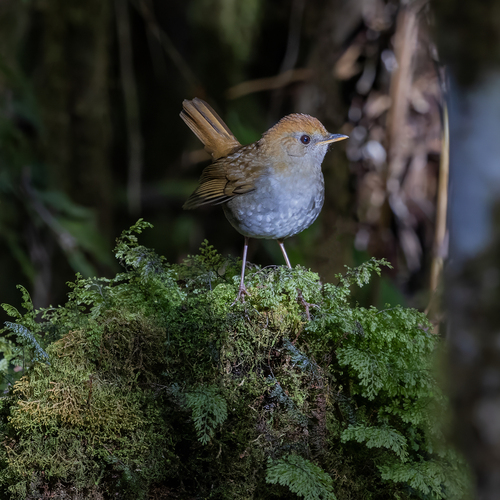 Ruddy-capped Nightingale-Thrush
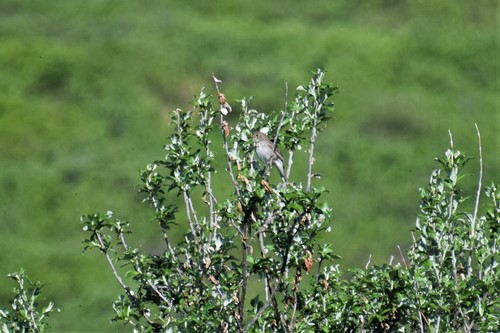 Tordo di Baird
In breve
Il segno di campo più affidabile per separare il Ruddy-capped Nightingale-Thrush dal Tordo di Baird è la presenza di toni rugginosi o rossicci ricchi sulla corona, sulla coda e sulle copritrici superiori della Ruddy-capped, che non sono mai mostrati dal grigio-marrone Tordo di Baird. In volo o posato, i toni caldi rossastri della Ruddy-capped e il sottocoda bianco argentato contrastano con il grigio-marrone, le fiancate scure e il classico schema sottocoda bianco-nero-bianco del Tordo di Baird. I giovani di entrambe le specie sono più attenuati, ma la Ruddy-capped mostra ancora un volto nerastro e barre olivastre o rossicce sotto, mentre il Tordo di Baird rimane grigiastro e privo di qualsiasi ruggine. Entrambi sono simili in dimensioni, ma i loro areali non si sovrappongono: la Ruddy-capped è un residente dell'America Centrale, mentre il Tordo di Baird è un migrante settentrionale. Usa il piumaggio e il contesto insieme per la migliore separazione.
Consigli di identificazione
- Corona e coda rugginose o rossicce (tutte le età): Solo il Ruddy-capped Nightingale-Thrush mostra una ricca corona rugginosa o rossiccia, coda e copritrici superiori. Il Tordo di Baird è sempre grigio-marrone sopra e non mostra mai ruggine.
- Volto grigiastro vs. volto nerastro o olivastro (giovani): Il giovane Ruddy-capped ha un volto nerastro e toni olivastri o rossicci sulla corona e sulle parti superiori, mentre il giovane Tordo di Baird è grigiastro e privo di qualsiasi ruggine o toni nerastri.
- Schema delle parti inferiori (tutte le età): La Ruddy-capped mostra un mento e una gola bianchi con macchie scure, un petto grigio pallido con una sfumatura olivastra e macchie, e un ventre bianco con barre olivastre o marrone-olivastre nei giovani. Il Tordo di Baird ha fiancate scure e uno schema delle parti inferiori generalmente grigio-marrone e poco appariscente senza barre o ruggine.
- Schema del sottocoda (adulti): Il Tordo di Baird mostra il classico schema sottocoda bianco-nero-bianco di Catharus, meglio visibile in volo. La Ruddy-capped ha lati bianchi argentati per le penne alari, ma non lo stesso schema di sottocoda audace.
- Anello oculare parziale chiaro (adulti): Il Tordo di Baird può mostrare un anello oculare parziale chiaro, ma la Ruddy-capped non ha un forte anello oculare.
- Colore del becco: La Ruddy-capped ha una mandibola superiore nerastra e una mandibola inferiore arancio-gialla, ma questo è sottile e non facilmente visibile sul campo. Il becco del Tordo di Baird non è descritto come distintivo.
- Colore delle zampe: Le zampe della Ruddy-capped sono rosa pallido a grigiastro o marrone-rosato; il colore delle zampe del Tordo di Baird non è diagnostico.
- Dimensioni e struttura: Entrambi sono simili in dimensioni e forma; non fare affidamento sulla struttura per la separazione.
- Comportamento: Entrambe le specie si nascondono nella fitta vegetazione e si nutrono a terra o nei pressi del suolo; il comportamento non è un separatore affidabile.
- Habitat e areale: La Ruddy-capped si trova solo nelle foreste montane da Messico a Panama. Il Tordo di Baird nidifica nelle foreste boreali e nelle macchie artiche e migra attraverso il Nord America. Se sei nelle montagne dell'America Centrale, è Ruddy-capped; in Nord America, specialmente durante la migrazione, è Tordo di Baird.
- Vocalizzazioni: Non diagnostico tra queste due specie con le informazioni attuali.
- Sessi: Entrambe le specie sono sessualmente monomorfiche; il piumaggio non varia in base al sesso.
- Variazione delle sottospecie: La Ruddy-capped ha diverse sottospecie con differenze minori nei toni delle parti superiori e inferiori, ma tutte mantengono la corona e la coda rugginose. Le sottospecie del Tordo di Baird differiscono solo per areale, non per segni di campo.
- Trappole: Non confondere i toni olivastri o rugginosi della Ruddy-capped con il grigio-marrone del Tordo di Baird, specialmente in scarsa illuminazione. I giovani sono più attenuati, ma la presenza o l'assenza di ruggine rimane fondamentale.
- Quando hai dubbi: Usa una combinazione di corona/coda rugginosa (Ruddy-capped), grigio-marrone complessivo (Tordo di Baird) e contesto geografico per la più affidabile identificazione.
Taglia
Entrambe le specie sono molto simili in dimensioni: il Ruddy-capped Nightingale-Thrush misura circa 15–18 cm di lunghezza e pesa circa 30 g, mentre il Tordo di Baird è 15–17 cm e pesa 26–30 g. Non c'è una differenza di dimensioni significativa sul campo. Entrambi hanno proporzioni simili tipiche dei tordi Catharus, quindi la struttura non è un separatore affidabile.
Piumaggio
- Giovani e immaturi: I giovani Ruddy-capped Nightingale-Thrush hanno una corona e parti superiori di un marrone oliva scuro a marrone rossiccio, un volto nerastro e barre olivastre o marrone-olivastre sulle parti inferiori bianche. I giovani Tordo di Baird sono grigiasti nel complesso, con un volto grigiastro e fiancate scure, privi di qualsiasi ruggine o toni rossicci.
- Adulti: Gli adulti del Ruddy-capped Nightingale-Thrush mostrano una ricca corona rugginosa a rossiccia, una coda e copritrici superiori marrone rugginoso profondo, un dorso marrone-olivastro con una sfumatura rugginosa e un volto grigiastro. Il mento e la gola sono bianchi con macchie scure, e il petto è grigio pallido con una sfumatura olivastra e macchie. Gli adulti del Tordo di Baird sono grigio-marrone poco appariscente sopra, con un volto grigiastro, un anello oculare parziale chiaro, un'area grigiasta tra l'occhio e il becco e fiancate ampiamente scure. Non c'è ruggine o rossiccio da nessuna parte sul Tordo di Baird.
- Ali/volo: La Ruddy-capped ha lati bianchi argentati per le penne alari, ma il Tordo di Baird mostra il classico schema sottocoda bianco-nero-bianco di Catharus. Entrambi mancano di forti barre alari.
- Iride, becco, zampe: Entrambi hanno iridi scure. La Ruddy-capped ha una mandibola superiore nerastra e una mandibola inferiore arancio-gialla, con zampe rosa pallido a grigiastre o marrone-rosate; questi non sono segni di campo forti rispetto al piumaggio.
Comportamento
Il Ruddy-capped Nightingale-Thrush si nutre tipicamente singolarmente o in coppie, vicino o a terra nella fitta vegetazione, e può seguire le colonne di formiche soldato. Il Tordo di Baird è segreto, nutrendosi in arbusti bassi e densi o a terra, ed è raramente visto in alte densità. Entrambi sono timidi e si nascondono in copertura fitta, quindi il comportamento non è un forte separatore.
Habitat
Il Ruddy-capped Nightingale-Thrush è un residente delle foreste montane da Messico a Panama, sempre in habitat di foreste montane o nuvolose. Il Tordo di Baird nidifica nelle foreste boreali settentrionali e nelle macchie artiche basse, e migra attraverso una vasta gamma di habitat boschivi in Nord America. I loro areali non si sovrappongono: vedere uno nelle montagne dell'America Centrale indica Ruddy-capped, mentre un uccello nel nord boreale o in migrazione in Nord America è Tordo di Baird.
Voce
Non è disponibile alcun confronto diretto tra le vocalizzazioni di queste due specie nelle note. Il Tordo di Baird è noto per il suo canto complesso, burroso e simile a un flauto, ma questo è più utile quando si confronta con il Tordo di Bicknell. La voce del Ruddy-capped Nightingale-Thrush non è descritta qui. Le vocalizzazioni non sono un separatore affidabile per queste due sul campo in base alle note attuali.
Ruddy-capped Nightingale-Thrush · Tordo di Baird · I miei uccelli difficili