

Motmot

ライチョウ 対 ハリモミライチョウ

Lagopus muta 対 Canachites canadensis

ライチョウとハリモミライチョウのクイズ
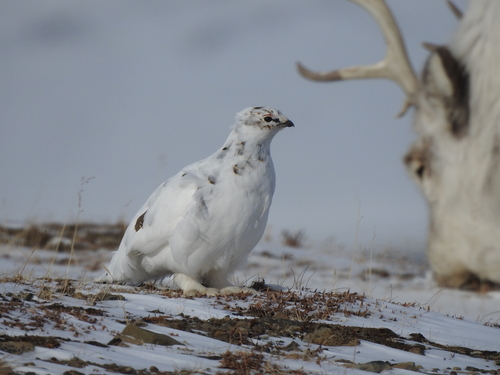
ライチョウ (Lagopus muta) ライチョウ
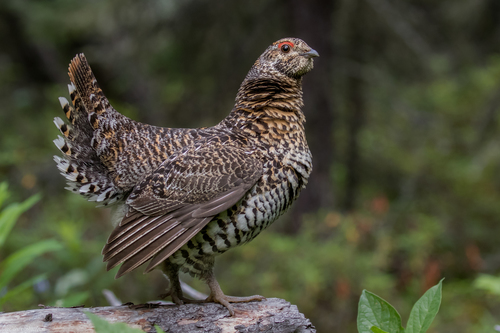
ハリモミライチョウ (Canachites canadensis) ハリモミライチョウ

メディア

読み込み中…

要点

ライチョウとハリモミライチョウの最も信頼できるフィールドマークは、ライチョウの季節的な白い羽毛、特に冬に対して、ハリモミライチョウの一貫した縞模様と斑点模様です。もし純白の中型のライチョウを見た場合(黒い尾と目のラインを除いて)、それは冬のライチョウです。ハリモミライチョウは決して白くなりません。夏には、ライチョウのオスはより細いくちばしと、翼と腹部により広範な白を持ち、ハリモミライチョウのオスは下部が暗く、白い斑点と赤い眉のコームを持っています。生息地も強力な手がかりです:ライチョウは開けた、不毛な、しばしば高地の地形を好み、ハリモミライチョウは密な針葉樹林に結びついています。くちばしの形、尾の模様、行動(特にハリモミライチョウの樹上生活)も彼らを区別するのに役立ちます。

識別のコツ

  1. 冬の羽毛は決定的です: 鳥が黒い尾と(オスの場合)黒い目のストライプを除いて完全に白い場合、それはライチョウです。ハリモミライチョウは決して白くなりません。
  2. 生息地は強力な手がかりです: ライチョウは開けた、岩だらけの、またはツンドラの生息地に見られ、しばしば樹木の上にあります。ハリモミライチョウは密な針葉樹林にいます。
  3. くちばしの形: ライチョウは細いくちばしを持っています。ハリモミライチョウのくちばしはより頑丈で、森林のライチョウに典型的です。
  4. 赤い眉のコーム: 成熟したオスのハリモミライチョウは目立つ赤い眉のコームを示します。ライチョウのオスは赤い目のコームを持っていますが、繁殖羽毛では黒い目のストライプもあり、これはハリモミライチョウにはありません。
  5. 尾の模様: ハリモミライチョウは淡い端帯のある暗い尾を持っています。ライチョウの尾は黒い先端で短いです。
  6. 腹部: 繁殖期には、ライチョウのオスは白い腹部を持っています。ハリモミライチョウのオスは下部が黒く、白い斑点があります。
  7. 上面: ライチョウのオスは夏に灰色がかっています。ハリモミライチョウのオスは上面がより均一に灰色ですが、側面に白い斑点があります。
  8. 雌/未熟な混同: 雌と幼いハリモミライチョウは茶色または灰色で縞模様があり、暗い尾と淡い帯があります。ライチョウの雌はより隠蔽的で、夏には岩の地面に溶け込みますが、冬には白くなります。
  9. 樹上生活対地上生活: ハリモミライチョウはしばしば木に止まっているのが見られます。ライチョウはほぼ常に地面にいます。
  10. 行動: ハリモミライチョウは特におとなしく、時には近づくことを許します。ライチョウはより警戒心が強く、距離を置いて逃げることがありますが、またよくカモフラージュされています。
  11. 鳴き声: ライチョウのオスは特に春に非常に声が大きく、喉の奥からの鳴き声や rattling calls を発します。ハリモミライチョウはほとんど静かで、オスは翼の拍手や柔らかいドラム音を出すことがあります。
  12. 飛行のディスプレイ: ライチョウのオスは急速な翼の動きと滑空を伴う空中ディスプレイを行い、鳴き声を伴います。ハリモミライチョウのオスは短い飛行を翼の拍手で終えることがあります(frankliniiサブspecies)。
  13. 季節の変化: ライチョウだけが完全な白い冬の換羽を行います。ハリモミライチョウの羽毛は年間を通じて同様です。
  14. サイズは信頼できません: 両者は中型のライチョウで、測定値が重なっています。羽毛と生息地を使用してください。
  15. 地理的文脈: 北極、アルプス、または樹木のないツンドラにいる場合、ライチョウを期待してください。ボレアル森林では、ハリモミライチョウを期待してください。

大きさ

ライチョウは平均約610g [wikidata]で、ハリモミライチョウのオスは550〜650g、雌は450〜550g [wikipedia]です。両者は中型のライチョウですが、ハリモミライチョウはわずかに長く(ライチョウの34〜36cmに対して38〜43cm)、翼幅は似ています(ハリモミライチョウ:55〜57cm;ライチョウ:54〜60cm)。フィールドでは、サイズだけでは信頼できる区別にはならず、かなりの重なりがあり、両者は似たように頑丈に見えます。

羽色

行動

ハリモミライチョウはライチョウにしては特に樹上生活をしており、しばしば木に止まって移動します、特に針葉樹の中で。ライチョウはより地上生活で、通常は開けた、岩だらけの、またはツンドラの生息地で歩いたり走ったりしているのが見られます。飛行中、ライチョウは求愛中に急速な翼の動きと滑空のディスプレイを示し、ハリモミライチョウは翼の拍手のディスプレイを行うことがあります(特にfrankliniiサブスpeciesで)し、一般的により秘密主義で静かで、カモフラージュに依存しています。ハリモミライチョウはまた、そのおとなしさで有名で、時には近づくことを許しますが、ライチョウは警戒心が強いことがありますが、またよくカモフラージュされています。

生息環境

ライチョウは開けた、不毛な、岩だらけの、またはツンドラの生息地に強く関連しており、しばしば高地または北極/アルプスのゾーンにいます。密な森林を避け、樹木の被覆が重要な地域ではほとんど見られません。対照的に、ハリモミライチョウはほぼ常に密な針葉樹林(ボレアルまたはタイガ)に見られ、特にスプルース、パイン、またはモミの林にいます。もし厚い森でライチョウに出会った場合、特に木に止まっている場合、それはほぼ確実にハリモミライチョウです。開けた、樹木のない、岩だらけの地面にいる場合、それはおそらくライチョウです。

声

ライチョウのオスは特徴的な喉の奥からのいびきや rattles の一連を生成し、特に空中ディスプレイ中に 'ah-AAH-ah-AAAAH-a-a-a-a-a-a' と表現される rasping、croaking の歌を持っています。ハリモミライチョウははるかに静かで、ライチョウの中で最も静かな種の一つですが、オスは非音声の翼の拍手のディスプレイ(特にfrankliniiサブスpeciesで)や柔らかいドラム音や尾を振る音を出すことがあります。ハリモミライチョウはライチョウの大きな croaking の歌を欠いています。

より良い説明を送る

比較と同じ項目を使ってください。文章はすぐに公開されます。

The most reliable field mark between Rock Ptarmigan and Spruce Grouse is the Rock Ptarmigan's seasonal white plumage, especially in winter, versus the Spruce Grouse's consistent barred and spotted pattern. If you see a medium-sized grouse in pure white (except for black tail and eye line), it's a Rock Ptarmigan in winter; Spruce Grouse never turns white. In summer, Rock Ptarmigan males have a slimmer bill and more extensive white on the wings and underparts, while Spruce Grouse males are darker below with white spots and a red eyebrow comb. Habitat is also a strong clue: Rock Ptarmigan favors open, barren, often higher elevation terrain, while Spruce Grouse is tied to dense coniferous forests. Bill shape, tail pattern, and behavior (especially arboreal habits in Spruce Grouse) also help separate them.

  1. Winter plumage is decisive: If the bird is entirely white except for black tail and (in males) a black eye stripe, it is a Rock Ptarmigan. Spruce Grouse never turns white.
  2. Habitat is a strong clue: Rock Ptarmigan is found in open, rocky, or tundra habitats, often above treeline; Spruce Grouse is in dense coniferous forests.
  3. Bill shape: Rock Ptarmigan has a slender bill; Spruce Grouse's bill is stouter and more typical of forest grouse.
  4. Red eyebrow comb: Adult male Spruce Grouse shows a prominent red eyebrow comb; Rock Ptarmigan males have red eye combs but also a black eye stripe in breeding plumage, which Spruce Grouse lacks.
  5. Tail pattern: Spruce Grouse has a dark tail with a pale terminal band; Rock Ptarmigan's tail is black-tipped and shorter.
  6. Underparts: In breeding season, Rock Ptarmigan males have white underparts; Spruce Grouse males are black below with white spots.
  7. Upperparts: Rock Ptarmigan males are greyish above in summer; Spruce Grouse males are more uniformly grey above, but with white spotting on the sides.
  8. Female/immature confusion: Female and juvenile Spruce Grouse are brown or grey and barred, with a dark tail and pale band; Rock Ptarmigan females are more cryptic and blend with rocky ground in summer, but become white in winter.
  9. Arboreal vs terrestrial: Spruce Grouse is often seen perched in trees; Rock Ptarmigan is almost always on the ground.
  10. Behavior: Spruce Grouse is notably tame and still, sometimes allowing close approach; Rock Ptarmigan is more alert and may flush at a distance, but is also well-camouflaged.
  11. Vocalizations: Rock Ptarmigan males are much more vocal, especially in spring, with croaking and rattling calls; Spruce Grouse is mostly silent, but males may produce wing-claps or soft drumming.
  12. Flight display: Rock Ptarmigan males perform aerial displays with rapid wingbeats and gliding, accompanied by vocalizations; Spruce Grouse males may end short flights with a wing-clap (franklinii subspecies).
  13. Seasonal change: Only Rock Ptarmigan undergoes a complete white winter moult; Spruce Grouse's plumage remains similar year-round.
  14. Size is not reliable: Both are medium-sized grouse with overlapping measurements; use plumage and habitat instead.
  15. Geographic context: If you are in Arctic, alpine, or treeless tundra, expect Rock Ptarmigan; in boreal forest, expect Spruce Grouse.

Rock Ptarmigan averages around 610 g [wikidata], while Spruce Grouse males weigh 550–650 g and females 450–550 g [wikipedia]. Both are medium-sized grouse, but Spruce Grouse is slightly longer (38–43 cm vs. 34–36 cm for Rock Ptarmigan) and has a similar wingspan (Spruce Grouse: 55–57 cm; Rock Ptarmigan: 54–60 cm). In the field, size alone is not a reliable separator, as there is considerable overlap and both appear similarly robust.

  • Juvenile/immature/first-winter birds: No specific diagnostic upperwing or flight pattern is described for either species at these ages, but juvenile Spruce Grouse resemble adult females: mottled brown or grey with barred underparts and a dark tail with a pale terminal band. Juvenile Rock Ptarmigan would be more cryptic and earth-toned in summer, but turn white in winter.
  • Adult males (breeding): Rock Ptarmigan males have greyish upperparts, white wings and underparts, a slender bill, and a black eye stripe. Spruce Grouse males are mainly grey above, black below, with white spots on the sides, and a prominent red eyebrow comb.
  • Adult females: Rock Ptarmigan females are mottled to blend with tundra, but become white in winter. Spruce Grouse females are barred and mottled brown or grey (depending on morph), with a dark tail and pale band at the tip.
  • Winter: Rock Ptarmigan is entirely white except for black tail feathers and (in males) a black eye stripe. Spruce Grouse remains barred and spotted, never turning white.
  • Tail: Rock Ptarmigan's tail is short and black-tipped in all seasons. Spruce Grouse has a dark tail with a pale terminal band (noted as a separation from ruffed grouse, but also useful here).

Spruce Grouse is notably arboreal for a grouse, often perching and moving about in trees, especially conifers. Rock Ptarmigan is more terrestrial, typically seen walking or running on the ground in open, rocky, or tundra habitats. In flight, Rock Ptarmigan displays rapid wingbeats and gliding displays during courtship, while Spruce Grouse may perform wing-clap displays (notably in the franklinii subspecies) and is generally more secretive and still, relying on camouflage. Spruce Grouse is also famous for its tameness, sometimes allowing close approach, whereas Rock Ptarmigan can be wary but is also well-camouflaged.

Rock Ptarmigan is strongly associated with open, barren, rocky, or tundra habitats, often at higher elevations or in Arctic/alpine zones. It avoids dense forests and is rarely found in areas with significant tree cover. Spruce Grouse, in contrast, is almost always found in dense coniferous forests (boreal or taiga), especially spruce, pine, or fir stands. If you encounter a grouse in thick woods, especially perched in a tree, it is almost certainly a Spruce Grouse; if in open, treeless, rocky ground, it is likely a Rock Ptarmigan.

Rock Ptarmigan males produce a distinctive series of guttural snores and rattles, with a rasping, croaking song described as 'ah-AAH-ah-AAAAH-a-a-a-a-a-a', especially during aerial displays. Spruce Grouse is much quieter, among the most silent of grouse, but males can produce non-vocal wing-clap displays (especially in the franklinii subspecies) and soft drumming or tail-swish sounds. Spruce Grouse lacks the loud, croaking song of Rock Ptarmigan.

変更を破棄しますか?

保存していない編集があります。今離れると失われます。

ライチョウ · ハリモミライチョウ · 苦手な鳥