

Motmot

オオハシノスリ 対 オウゴンゴシキドリ

Rupornis magnirostris 対 Capito auratus

オオハシノスリとオウゴンゴシキドリのクイズ
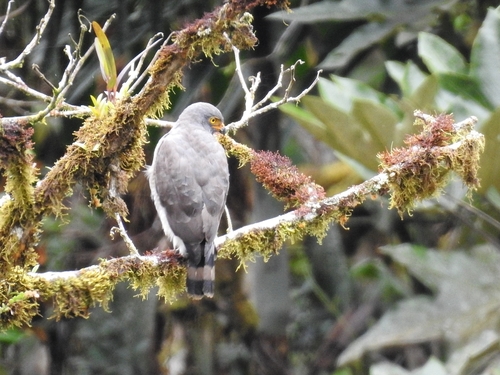
オオハシノスリ (Rupornis magnirostris) オオハシノスリ
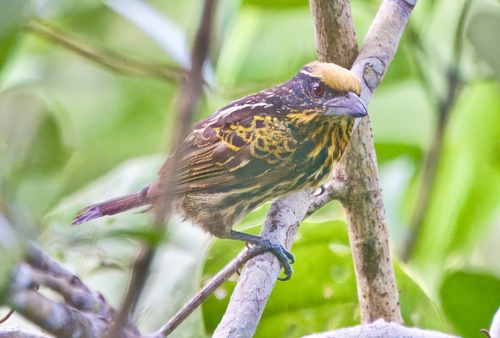
オウゴンゴシキドリ (Capito auratus) オウゴンゴシキドリ

メディア

読み込み中…

要点

オオハシノスリとオウゴンゴシキドリを区別する最も信頼できるフィールドマークは、全体の構造と飛行プロファイルです:オオハシノスリはスリムで長い尾を持つ猛禽類で、短く広い翼を持っています。一方、オウゴンゴシキドリはずんぐりした大きな頭を持つ歌鳥で、短い尾と太いくちばしを持っています。飛行中、オオハシノスリは横縞のある腹部と長い帯状の尾を示し、オウゴンゴシキドリはコンパクトで、黒い上面と黄色のハイライトがあります。猛禽類のようなシルエットを見たら、それはオオハシノスリです;太くて短いくちばしを持ち、黄色と黒の羽毛の鳥はオウゴンゴシキドリです。生息地と行動も役立ちます:オオハシノスリは高く舞い上がったり、オープンに止まったりしますが、オウゴンゴシキドリは森林に留まり、短いホップで移動します。

識別のコツ

  1. Silhouette and structure: オオハシノスリはスリムで長い尾を持ち、短く広い翼とフック状のくちばしを持っています;オウゴンゴシキドリはずんぐりして短い尾を持ち、大きな頭と太いくちばしを持っています。これは、飛行中または止まっているときに彼らを区別する最も早い方法です。
  2. Flight behavior: オオハシノスリは頻繁に舞い上がり、高く滑空したり旋回したりするのが見られます;オウゴンゴシキドリは決して舞い上がらず、キャノピー内で短く直接的な飛行をします。
  3. Bill shape: オオハシノスリは大きなフック状のくちばし(捕食に適応)を持っていますが、オウゴンゴシキドリのくちばしは太く、短く、まっすぐで、果物を食べるのに適しています。
  4. Tail pattern: オオハシノスリは4〜5本の明確な灰色の横縞を持つ長い尾を示し、飛行中や止まっているときに見えます;オウゴンゴシキドリの尾は短く、黒く、横縞がありません。
  5. Underparts: オオハシノスリは下胸部と腹部に茶色と白の横縞があります;オウゴンゴシキドリは側面に黒い縞模様のある淡い黄色の腹部を持っています(時には雌の胸にも)。
  6. Upperparts and wings: オオハシノスリは上面が茶色または灰色で、時には翼に赤褐色があります;オウゴンゴシキドリは上面が黒く、翼に黄色の斑点と縁取りがあります。
  7. Head and face: オオハシノスリの頭は平坦な茶色または灰色で、黄色または白っぽい目があります;オウゴンゴシキドリは黒いマスク、黄色の眉(マントルの上に線として延びる)、そして明るい色の冠(黄色からオレンジまたは赤)を持っています。
  8. Sex differences: 雌のオウゴンゴシキドリは翼により多くのオレンジ黄色があり、特に最も西の亜種ではより多くの縞模様があります;オオハシノスリの性別はサイズ(雌は大きい)を除いて似ています。
  9. Eye color: オオハシノスリは白っぽいまたは黄色の目を持っています;オウゴンゴシキドリは暗いマルーンの虹彩を持っています。
  10. Leg color: オウゴンゴシキドリは灰色がかった脚を持っています;オオハシノスリの脚の色は指定されていませんが、通常このグループでは黄色がかっています。
  11. Habitat: オオハシノスリはオープンエリア、道路脇、森林の端に一般的です;オウゴンゴシキドリは密な湿った低地の森林に制限されています。
  12. Perching behavior: オオハシノスリはオープンに止まり、しばしばワイヤーや露出した枝の上に止まります;オウゴンゴシキドリはキャノピーまたはサブキャノピー内に留まり、めったに露出しません。
  13. Vocalization: オオハシノスリは高音で鋭い鳴き声を出します;オウゴンゴシキドリの鳴き声は指定されていませんが、より反復的で、猛禽類のようではない歌を期待してください。
  14. Feeding behavior: オオハシノスリは小動物を狩り、時には急降下したり飛びかかったりするのが見られます;オウゴンゴシキドリは果物を食べ、しばしばベリーを摘んだり静かに座っているのが見られます。
  15. Confusion risk: 未熟なオオハシノスリは下に縞模様があるように見えることがありますが、決してオウゴンゴシキドリの明るい黄色と黒のパターンやずんぐりした形を示しません。オウゴンゴシキドリは決して猛禽類のような飛行や構造を示しません。

大きさ

オオハシノスリはかなり大きく、体長は31〜41 cm(12〜16インチ)、体重は250〜300 gです。オウゴンゴシキドリは約20 cm(8インチ)と非常に小さく、よりコンパクトで、ずんぐりした体型ですが、質量ははるかに軽いです(指定されていませんが、ゴシキドリに典型的です)。オオハシノスリのサイズは長い尾と長い脚によって強調され、オウゴンゴシキドリは短い尾と重い頭に見えます。

羽色

いずれの種についても年齢特有の上翼パターンは記載されていませんが、羽毛は非常に対照的です。オオハシノスリ(成鳥と未熟鳥)は主に上面が茶色または灰色で、横縞のある茶色と白の腹部を持ち、4〜5本の灰色の横縞のある尾を持っています;飛行中には翼に赤褐色が見えることがあります。目は白っぽいまたは黄色で、くちばしは比較的大きくフック状です。オウゴンゴシキドリは両性ともに上面が黒く(翼と尾を含む)、大きなカバー羽に黄色の斑点、羽軸に黄色の縁取り、三次羽に黄色の先端があります。腹部は淡い黄色で、側面に黒い縞模様があります;喉と冠は亜種や性別によって赤、オレンジ、または黄色の変動があります。雌は翼により多くのオレンジ黄色と追加の縞模様を示します。両性ともに黒い先端の灰色のくちばしと暗いマルーンの目を持っています。すべての年齢において、オウゴンゴシキドリの羽毛ははるかにカラフルでパターンがあり、オオハシノスリはより控えめで縞模様または横縞があります。

行動

オオハシノスリは目立つように止まったり、舞い上がったりし、長い尾と短い翼を使って操縦します。小動物を狩り、しばしば道路やオープンエリアの近くで見られます。オウゴンゴシキドリは森林に生息し、キャノピー内で短いホップや飛行で移動し、めったに舞い上がったりオープンに止まったりしません。主に果物を食べ、オープンカントリーや舞い上がっているのが見られる可能性ははるかに低いです。

生息環境

オオハシノスリはオープンまたは半オープンの生息地に一般的で、しばしば道路、森林の端、クリアリングの近くに見られます。アメリカ大陸の多くで最も目立つ猛禽類です。オウゴンゴシキドリは熱帯の湿った低地の森林や森林に制限されており、主に西アマゾンとオリノコ流域に生息し、密な森林や森林の外ではめったに見られません。オープンカントリーにいる場合、オオハシノスリの方がはるかに可能性が高いです;深い森林では、オウゴンゴシキドリを期待してください。

声

オオハシノスリは非常に高音で鋭い鳴き声を出し、しばしば繰り返され、そのサイズに対してかなり大きいです。オウゴンゴシキドリの声はノートに記載されていませんが、一般的にオウゴンゴシキドリは反復的で、時には機械的な音の鳴き声を持っています。鋭い猛禽類のような鳴き声を聞いたら、それはオオハシノスリです。

より良い説明を送る

比較と同じ項目を使ってください。文章はすぐに公開されます。

The most reliable field mark to separate Roadside Hawk from Gilded Barbet is overall structure and flight profile: Roadside Hawk is a slim, long-tailed raptor with short, broad wings, while Gilded Barbet is a chunky, big-headed songbird with a stubby bill and short tail. In flight, the hawk shows barred underparts and a long, banded tail, whereas the barbet is compact, with black upperparts and yellow highlights. If you see a raptor-like silhouette, it's Roadside Hawk; a thickset, stubby-billed bird with yellow and black plumage is Gilded Barbet. Habitat and behavior also help: hawks soar or perch openly, barbets stay in forest and move in short hops.

  1. Silhouette and structure: Roadside Hawk is slim, long-tailed, with short, broad wings and a hooked bill; Gilded Barbet is chunky, short-tailed, with a big head and stubby bill. This is the fastest way to separate them in flight or perched.
  2. Flight behavior: Roadside Hawk soars frequently and may be seen gliding or circling high; Gilded Barbet never soars and moves in short, direct flights within the canopy.
  3. Bill shape: The hawk has a large, hooked beak (adapted for predation), while the barbet's bill is thick, stubby, and straight, suited for fruit-eating.
  4. Tail pattern: Roadside Hawk shows a long tail with 4–5 distinct grey bars, visible in flight and when perched; Gilded Barbet's tail is short, black, and lacks barring.
  5. Underparts: Hawk has brown-and-white barring on the lower breast and belly; barbet has pale yellow underparts with black streaking on the flanks (and sometimes chest in females).
  6. Upperparts and wings: Hawk is brown or grey above, sometimes with rufous on the wings; barbet is black above, with yellow spotting and edging on the wings.
  7. Head and face: Hawk's head is plain brown or grey with yellow or whitish eyes; barbet has a black mask, yellow eyebrows (extending as lines over the mantle), and a brightly colored crown (yellow to orange or red).
  8. Sex differences: Female barbets have more orange-yellow on the wings and more streaking, especially in the westernmost subspecies; hawk sexes are similar except for size (females larger).
  9. Eye color: Hawk has whitish or yellow eyes; barbet has dark maroon irides.
  10. Leg color: Barbet has greyish legs; hawk's leg color not specified but usually yellowish in this group.
  11. Habitat: Hawk is common in open areas, roadsides, and forest edges; barbet is restricted to dense, moist lowland forests.
  12. Perching behavior: Hawk perches openly, often on wires or exposed branches; barbet stays within the canopy or subcanopy, rarely exposed.
  13. Vocalization: Hawk gives a high-pitched, piercing squeak; barbet's call is not specified, but expect a less raptor-like, more repetitive song.
  14. Feeding behavior: Hawk hunts small animals, sometimes seen swooping or pouncing; barbet feeds on fruit, often seen plucking berries or sitting quietly.
  15. Confusion risk: Immature hawks may appear streaked below, but never show the barbet's bright yellow and black pattern or thickset shape. Barbets never show raptor-like flight or structure.

Roadside Hawk is significantly larger, measuring 31–41 cm (12–16 in) and weighing 250–300 g. Gilded Barbet is much smaller and more compact at about 20 cm (8 in) in length, with a thickset build but much lighter mass (not specified, but typical for barbets). The hawk's size is accentuated by its long tail and longer legs, while the barbet appears short-tailed and heavy-headed.

No age-specific upperwing pattern is described for either species, but plumage is highly contrasting. Roadside Hawk (adult and immature) is mainly brown or grey above, with barred brown and white underparts and a tail with 4–5 grey bars; some rufous is visible on the wings in flight. The eyes are whitish or yellow, and the bill is relatively large and hooked. Gilded Barbet of both sexes is black above (including wings and tail), with yellow spotting on the greater coverts, yellow edges to remiges, and yellow tips to tertials. The underparts are pale yellow with black streaking on the flanks; the throat and crown are variably red, orange, or yellow depending on subspecies and sex. Females show more orange-yellow on the wings and additional streaking. Both sexes have a black-tipped grey bill and dark maroon eyes. In all ages, the barbet's plumage is much more colorful and patterned, while the hawk is more subdued and streaked/barred.

Roadside Hawk often perches conspicuously or soars, using its long tail and short wings for maneuvering. It hunts small animals and is often seen near roads or open areas. Gilded Barbet is a forest-dweller, moving in short hops or flights within the canopy, rarely soaring or perching in the open. It feeds mainly on fruit and is much less likely to be seen in open country or soaring.

Roadside Hawk is common in open or semi-open habitats, often near roads, forest edges, and clearings throughout much of the Americas. It is often the most visible raptor in its range. Gilded Barbet is restricted to tropical moist lowland forests and woodlands, mainly in the western Amazon and Orinoco basins, and is rarely seen outside dense forest or woodland. If you are in open country, the hawk is far more likely; in deep forest, expect the barbet.

Roadside Hawk gives a very high-pitched, piercing squeak, often repeated and quite loud for its size. Gilded Barbet's voice is not described in the notes, but barbets generally have repetitive, sometimes mechanical-sounding calls. If you hear a piercing, raptor-like squeal, it's the hawk.

変更を破棄しますか?

保存していない編集があります。今離れると失われます。

オオハシノスリ · オウゴンゴシキドリ · 苦手な鳥