

Motmot

アフリカジュズカケバト 対 ミドリマダラバト

Streptopelia capicola 対 Turtur chalcospilos

アフリカジュズカケバトとミドリマダラバトのクイズ
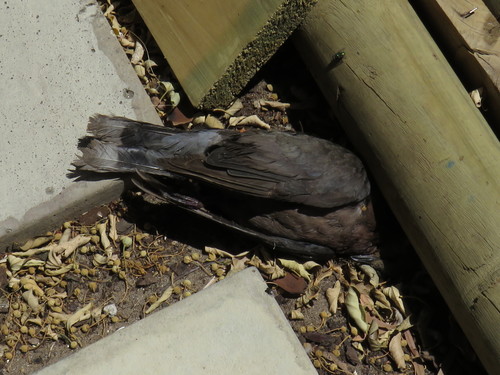
アフリカジュズカケバト (Streptopelia capicola) アフリカジュズカケバト
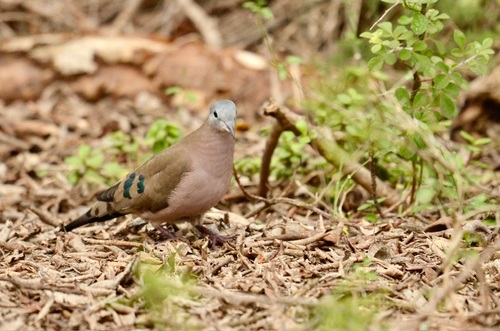
ミドリマダラバト (Turtur chalcospilos) ミドリマダラバト

メディア

読み込み中…

要点

アフリカジュズカケバトとミドリマダラバトを区別する最も信頼できるフィールドマークは、ミドリマダラバトの折りたたまれた翼にある大胆な金属的な緑の斑点の存在です。これは止まっている時も飛んでいる時も見え、アフリカジュズカケバトには全くありません。両種の未熟な鳥は鈍い色合いになることがありますが、それでもミドリマダラバトは緑の斑点をいくつか保持しており、アフリカジュズカケバトは決して緑を示しません。サイズも強い手がかりです:アフリカジュズカケバトははるかに大きく、尾が長く、より直立した鳩のような姿勢を持っていますが、ミドリマダラバトは明らかに小さく、よりコンパクトです。飛行中、アフリカジュズカケバトは尾に目立つ白い先端を示しますが、ミドリマダラバトは黒っぽい尾の帯があり、白い尾の角がありません。鳴き声は明らかに異なり、アフリカジュズカケバトはリズミカルな三音節の鳴き声を出し、ミドリマダラバトはより複雑で多部構成のクーイングシーケンスを生成します。

識別のコツ

  1. 緑の翼の斑点(全ての年齢): ミドリマダラバトだけが折りたたまれた翼に金属的な緑の斑点を示し、未熟な個体でも見えます(ただし鈍いです)。アフリカジュズカケバトは翼に緑を示しません。
  2. 飛行中の尾のパターン: アフリカジュズカケバトは目立つ白い先端と白いクリッサムを持つスレートグレーの尾羽を持ち、特に飛行中や扇状に広げた時に明らかです。ミドリマダラバトは黒っぽい尾の帯があり、目立つ白い角がありません。
  3. サイズと構造: アフリカジュズカケバトははるかに大きく、尾が長く、姿勢がより直立しています。ミドリマダラバトは小さく、ふっくらとしており、コンパクトで、尾が短く、体が丸いです。
  4. 首のカラー: 成熟したアフリカジュズカケバトは後ろの首に明確な黒いハーフカラーを示しますが、未熟な個体では欠如または薄いです。ミドリマダラバトにはカラーが全くありません。
  5. 頭と冠の色: アフリカジュズカケバトは灰色の冠(ピンクではない)を持ち、ミドリマダラバトは青灰色の冠と後頭部を持ち、喉はピンクがかった灰色に変わります。
  6. 腹部: アフリカジュズカケバトは下側がより明るく、しばしばピンクがかったまたはラベンダーの洗いがあり、白い下腹部とクリッサムを持っています。ミドリマダラバトはモーブピンクの腹部を持ち、腹部はより白くなります。
  7. くちばしの色: 両者ともに暗いくちばしを持っていますが、ミドリマダラバトのくちばしは黒っぽく、赤い基部があり、近距離で見えることがあります。
  8. 目の色: ここでは強い診断的特徴ではありません。両者ともに暗い目を持っています(地域の他の鳩とは異なります)。
  9. 幼鳥/未熟なマーク: 未熟なアフリカジュズカケバトは全体的に鈍く、カラーがなく、上面と翼の覆羽にバフの縁があります。未熟なミドリマダラバトは鈍い緑の斑点とバフの縁がありますが、まだいくつかの緑を示します。
  10. 飛行スタイル: アフリカジュズカケバトは強く、直接的で、飛行中はしばしば騒がしく、騒々しい翼の拍手と目立つ尾のパターンを持っています。ミドリマダラバトは静かで、よりひらひらとした低い飛行をし、尾のパターンはあまり目立ちません。
  11. 群れの行動: 大きくて騒がしい群れはアフリカジュズカケバトを示唆します。森林の中の孤立したまたはペアの鳥はよりミドリマダラバトの可能性が高いです。
  12. 生息地の文脈: 開けた農地、町、またはサバンナではアフリカジュズカケバトの可能性が高いです。乾燥した森林やブッシュ、特に人間の居住地から離れた場所ではミドリマダラバトを確認してください。
  13. 鳴き声: 持続的でリズミカルな三音節の鳴き声はアフリカジュズカケバトです。より柔らかい多部構成のクーイングシーケンスはミドリマダラバトです。
  14. 尾の長さと形: アフリカジュズカケバトはより長く、くさび型の尾を持っています。ミドリマダラバトの尾は短く、より四角いです。
  15. 羽毛の変動性: アフリカジュズカケバトは全体的な暗さにおいてより個体差を示しますが、決して緑の翼の斑点を発達させません。もし緑が見えたら、それはミドリマダラバトです、色合いに関係なく。

大きさ

アフリカジュズカケバトはかなり大きく、平均153.5gで、長さは25〜26.5cmです。一方、ミドリマダラバトは56.0gで、長さは20cmです。このサイズの違いはフィールドで明らかです:アフリカジュズカケバトは尾が長く、頑丈に見え、ミドリマダラバトは小さく、ふっくらとしており、コンパクトです。質量の違いはほぼ三倍であり、両者が一緒に見られるか、馴染みのある物の近くにいるときに直接比較が簡単です。

羽色

未熟なミドリマダラバトと成鳥は、折りたたまれた翼に少なくともいくつかの緑の金属的な斑点を常に示しますが、これらは未熟な個体では鈍く、広がりが少ないです。彼らはまた、若い時に羽毛にバフの縁を持っています。対照的に、アフリカジュズカケバトの未熟な個体は全体的に鈍く、翼に緑がなく、上面と翼の覆羽にバフの縁を示し、下側には広い灰白色の縁があります。成鳥のアフリカジュズカケバトは、上面が灰褐色で後頭部にラベンダーがあり、下側はより明るくピンクがかった洗いがあり、後ろの首に目立つ黒いハーフカラーがあります(未熟な個体では欠如または薄い)。彼らの尾はスレートグレーで白い先端と白いクリッサムを持ち、特に飛行中に明らかです。成鳥のミドリマダラバトは青灰色の冠と後頭部、ピンクがかった灰色の喉、モーブピンクの腹部、黒っぽい尾の帯を持ち、緑の翼の斑点が際立った特徴です。両種の雌は似ていますが、雌のミドリマダラバトはわずかに鈍いかもしれません。

行動

アフリカジュズカケバトはしばしば単独またはペアで見られますが、水辺や休息所の周りで大きくて騒がしい群れを形成することができ、飛行中は騒々しい翼の拍手で目立ちます。彼らは急な羽ばたきの上昇と広げた翼と尾での滑空降下を示します。ミドリマダラバトはあまり群れを作らず、通常は孤独またはペアで行動しますが、水たまりに集まることがあります。彼らは地面で静かに餌を探し、一般的により控えめで、大きな群れを形成することは稀です。両種は木や低木に薄い枝の巣を作りますが、アフリカジュズカケバトは古い巣を再利用し、高い場所(2〜10m)に巣を作る可能性が高いです。

生息環境

両種は東アフリカと南アフリカの開けた生息地に生息していますが、アフリカジュズカケバトはより適応力があり、サバンナ、農地、郊外などの広範な開けた国に見られます。ミドリマダラバトは開けた乾燥した落葉樹林と二次成長を好み、常緑雨林や真の半砂漠には存在しません。範囲が重なる場所では、アフリカジュズカケバトはしばしば開けた人間に改変された風景でより目立ち、豊富に見られますが、ミドリマダラバトはより茂みの多い場所や森林の端に留まります。

声

アフリカジュズカケバトは大きく、リズミカルな三音節の鳴き声を出し、しばしば「uk-carrroooo」と書き起こされ、昼夜を問わず持続的に繰り返されます。この呼び声は深く、響き渡り、その範囲内で瞬時に認識可能です。ミドリマダラバトはより複雑な歌を持っています:2つの柔らかい長いクー、続いて約10秒間のゆっくりとした下降するクーのシリーズ、そして4秒間の急速で消えゆくクーのバーストです。ミドリマダラバトの呼び声は柔らかく、リズミカルではなく、より音楽的で、アフリカジュズカケバトの繰り返しのパターンが欠けています。

より良い説明を送る

比較と同じ項目を使ってください。文章はすぐに公開されます。

The most reliable field mark to separate Ring-necked Dove from Emerald-spotted Wood-Dove is the presence of bold metallic green spots on the folded wings of the wood-dove, visible both perched and in flight, and entirely absent in the Ring-necked Dove. Immature birds of both species can be duller, but even then, the wood-dove retains some green spotting, while the Ring-necked Dove never shows green. Size is also a strong clue: Ring-necked Dove is much larger and longer-tailed, with a more upright, pigeon-like stance, while Emerald-spotted Wood-Dove is noticeably smaller and more compact. In flight, Ring-necked Dove shows prominent white tips to the tail, while the wood-dove has blackish tail bands and lacks the white tail corners. Vocalizations differ markedly, with the Ring-necked Dove giving a rhythmic three-syllable croon and the wood-dove producing a more complex, multi-part cooing sequence.

  1. Green wing spots (all ages): Only Emerald-spotted Wood-Dove shows metallic green spots on the folded wings, visible even in immatures (though duller). Ring-necked Dove never shows green on the wings.
  2. Tail pattern in flight: Ring-necked Dove has slate-grey tail feathers with conspicuous white tips and a white crissum, especially obvious in flight or when fanned. Emerald-spotted Wood-Dove has blackish tail bands and lacks prominent white corners.
  3. Size and structure: Ring-necked Dove is much larger, longer-tailed, and more upright in posture. Wood-dove is small, plump, and compact, with a shorter tail and rounder body.
  4. Neck collar: Adult Ring-necked Dove shows a clear black half-collar on the hindneck; this is absent or faint in immatures. Emerald-spotted Wood-Dove lacks any collar at all.
  5. Head and crown color: Ring-necked Dove has a grey crown (not pink), while Emerald-spotted Wood-Dove has a bluish-grey crown and nape, fading to pinkish-grey on the throat.
  6. Underparts: Ring-necked Dove is paler below, often with a pinkish or lavender wash, and a white lower belly and crissum. Emerald-spotted Wood-Dove has mauve-pink underparts, becoming whiter on the belly.
  7. Bill color: Both have dark bills, but the wood-dove's bill is blackish with a red base, which may be visible at close range.
  8. Eye color: Not strongly diagnostic here, as both have dark eyes (unlike some other doves in the region).
  9. Juvenile/immature marks: Immature Ring-necked Doves are duller overall, lack a collar, and have buff edges to upperparts and wing coverts. Immature wood-doves have duller green spots and buff fringes, but still show some green.
  10. Flight style: Ring-necked Dove is strong, direct, and often noisy in flight, with loud wing claps and prominent tail pattern. Wood-dove is quieter, with a more fluttery, low flight, and less obvious tail pattern.
  11. Flocking behavior: Large, noisy flocks suggest Ring-necked Dove; solitary or paired birds in woodland are more likely wood-doves.
  12. Habitat context: In open farmland, towns, or savanna, Ring-necked Dove is more likely. In drier woodland or bush, especially away from human habitation, check for wood-dove.
  13. Vocalization: Persistent, rhythmic three-syllable crooning is Ring-necked Dove. A softer, multipart cooing sequence is Emerald-spotted Wood-Dove.
  14. Tail length and shape: Ring-necked Dove has a longer, more wedge-shaped tail; wood-dove's tail is shorter and more squared-off.
  15. Plumage variability: Ring-necked Dove shows more individual variation in overall darkness, but never develops green wing spots. If you see green, it's a wood-dove, regardless of shade.

Ring-necked Dove is substantially larger, weighing on average 153.5 g and measuring 25–26.5 cm in length, compared to the Emerald-spotted Wood-Dove's 56.0 g and 20 cm length. This size difference is obvious in the field: Ring-necked Dove appears long-tailed and robust, while Emerald-spotted Wood-Dove is small, plump, and compact. The difference in mass is nearly threefold, making direct comparison straightforward when both are seen together or near familiar objects.

Immature and adult Emerald-spotted Wood-Doves always show at least some green metallic spots on the folded wings, though these are duller and less extensive in juveniles. They also have buff fringes to the feathers when young. In contrast, Ring-necked Dove immatures are duller overall, lack any green on the wings, and show buff edges to the upperparts and wing coverts, with broad greyish-white edging below. Adult Ring-necked Doves are grey-brown above with lavender on the nape, paler below with a pinkish wash, and have a conspicuous black half-collar on the hindneck (missing or faint in immatures). Their tail is slate grey with white tips and a white crissum, especially obvious in flight. Emerald-spotted Wood-Dove adults have a bluish-grey crown and nape, pinkish-grey throat, mauve-pink underparts, and a blackish tail band, with the green wing spots as the standout feature. Both sexes are similar in both species, though female wood-doves may be slightly duller.

Ring-necked Doves are often seen alone or in pairs, but can form large, noisy flocks around water or roosts, and are conspicuous in flight with loud wing claps. They display by steep, flapping ascents and gliding descents with spread wings and tail. Emerald-spotted Wood-Doves are less gregarious, usually solitary or in pairs, but may gather at waterholes. They forage quietly on the ground and are generally more retiring, rarely forming large flocks. Both species build flimsy stick nests in trees or shrubs, but the Ring-necked Dove is more likely to reuse old nests and nest higher (2–10 m).

Both species occur in open habitats across eastern and southern Africa, but Ring-necked Dove is more adaptable, found in a wide range of open country, including savanna, farmland, and suburban areas. Emerald-spotted Wood-Dove prefers open, drier deciduous woodland and secondary growth, and is absent from evergreen rainforest and true semidesert. Where ranges overlap, Ring-necked Dove is often more conspicuous and abundant in open, human-modified landscapes, while the wood-dove keeps to bushier or woodland edges.

Ring-necked Dove gives a loud, rhythmic, three-syllable croon, often transcribed as "uk-carrroooo" and repeated persistently, day or night. This call is deep, carrying, and instantly recognizable within its range. Emerald-spotted Wood-Dove has a more complex song: two soft, long coos, followed by a slow series of descending coos for about 10 seconds, then a burst of rapid, fading coos for 4 seconds. The wood-dove's call is softer, less rhythmic, and more musical, lacking the repetitive pattern of the Ring-necked Dove.

変更を破棄しますか?

保存していない編集があります。今離れると失われます。

アフリカジュズカケバト · ミドリマダラバト · 苦手な鳥