

Ring-necked Dove vs Emerald-spotted Wood-Dove
Streptopelia capicola contro Turtur chalcospilos
Fai un quiz con Ring-necked Dove e Emerald-spotted Wood-Dove
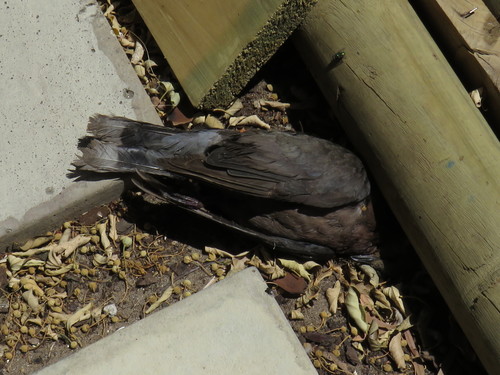 Ring-necked Dove
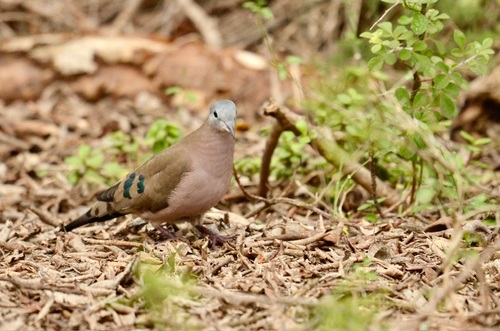 Emerald-spotted Wood-Dove
In breve
Il segno distintivo più affidabile per separare la Ring-necked Dove dall'Emerald-spotted Wood-Dove è la presenza di audaci macchie verdi metalliche sulle ali ripiegate del wood-dove, visibili sia in posizione percheggiata che in volo, e completamente assenti nella Ring-necked Dove. Gli uccelli immaturi di entrambe le specie possono essere più opachi, ma anche in quel caso, il wood-dove mantiene alcune macchie verdi, mentre la Ring-necked Dove non mostra mai verde. Anche le dimensioni sono un forte indizio: la Ring-necked Dove è molto più grande e con una coda più lunga, con una postura più eretta e simile a quella di un piccione, mentre l'Emerald-spotted Wood-Dove è notevolmente più piccolo e compatto. In volo, la Ring-necked Dove mostra punte bianche prominenti sulla coda, mentre il wood-dove ha bande di coda nerastre e manca degli angoli bianchi sulla coda. Le vocalizzazioni differiscono notevolmente, con la Ring-necked Dove che emette un canto ritmico di tre sillabe e il wood-dove che produce una sequenza di cooing più complessa e articolata.
Consigli di identificazione
- Green wing spots (all ages): Solo l'Emerald-spotted Wood-Dove mostra macchie verdi metalliche sulle ali ripiegate, visibili anche negli immaturi (sebbene più opache). La Ring-necked Dove non mostra mai verde sulle ali.
- Tail pattern in flight: La Ring-necked Dove ha piume della coda grigio ardesia con punte bianche evidenti e un crissum bianco, specialmente evidente in volo o quando è aperta. L'Emerald-spotted Wood-Dove ha bande di coda nerastre e manca di angoli bianchi prominenti.
- Size and structure: La Ring-necked Dove è molto più grande, con una coda più lunga e una postura più eretta. Il wood-dove è piccolo, paffuto e compatto, con una coda più corta e un corpo più rotondo.
- Neck collar: La Ring-necked Dove adulta mostra un chiaro mezzo collare nero sulla nuca; questo è assente o debole negli immaturi. L'Emerald-spotted Wood-Dove non ha alcun collare.
- Head and crown color: La Ring-necked Dove ha una corona grigia (non rosa), mentre l'Emerald-spotted Wood-Dove ha una corona e una nuca grigio-bluastro, che sfuma in grigio-rosa sulla gola.
- Underparts: La Ring-necked Dove è più chiara sotto, spesso con una sfumatura rosa o lavanda, e un ventre e crissum bianchi. L'Emerald-spotted Wood-Dove ha parti inferiori rosa malva, che diventano più bianche sul ventre.
- Bill color: Entrambi hanno becchi scuri, ma il becco del wood-dove è nerastro con una base rossa, che può essere visibile da vicino.
- Eye color: Non è fortemente diagnostico qui, poiché entrambi hanno occhi scuri (a differenza di alcune altre colombe nella regione).
- Juvenile/immature marks: Le Ring-necked Dove immaturi sono complessivamente più opachi, mancano di un collare e hanno bordi color crema sulle parti superiori e sulle copritrici delle ali. I wood-dove immaturi hanno macchie verdi più opache e bordi color crema, ma mostrano ancora alcune macchie verdi.
- Flight style: La Ring-necked Dove è forte, diretta e spesso rumorosa in volo, con forti battiti d'ali e un modello di coda prominente. Il wood-dove è più silenzioso, con un volo più fluttuante e basso, e un modello di coda meno evidente.
- Flocking behavior: Grandi stormi rumorosi suggeriscono la Ring-necked Dove; gli uccelli solitari o in coppia nel bosco sono più probabilmente wood-dove.
- Habitat context: In terreni agricoli aperti, città o savana, è più probabile vedere la Ring-necked Dove. In boschi più secchi o cespugli, specialmente lontano dall'abitazione umana, controlla per il wood-dove.
- Vocalization: Il canto persistente e ritmico di tre sillabe è della Ring-necked Dove. Una sequenza di cooing più morbida e multiparte è dell'Emerald-spotted Wood-Dove.
- Tail length and shape: La Ring-necked Dove ha una coda più lunga e a forma di cuneo; la coda del wood-dove è più corta e più squadrata.
- Plumage variability: La Ring-necked Dove mostra più variazione individuale nell'oscurità complessiva, ma non sviluppa mai macchie verdi sulle ali. Se vedi verde, è un wood-dove, indipendentemente dall'ombra.
Taglia
La Ring-necked Dove è sostanzialmente più grande, pesando in media 153,5 g e misurando 25–26,5 cm di lunghezza, rispetto ai 56,0 g e 20 cm di lunghezza dell'Emerald-spotted Wood-Dove. Questa differenza di dimensioni è ovvia sul campo: la Ring-necked Dove appare con una coda lunga e robusta, mentre l'Emerald-spotted Wood-Dove è piccolo, paffuto e compatto. La differenza di massa è quasi tripla, rendendo il confronto diretto semplice quando entrambi sono visti insieme o vicino a oggetti familiari.
Piumaggio
Gli Emerald-spotted Wood-Dove immaturi e adulti mostrano sempre almeno alcune macchie verdi metalliche sulle ali ripiegate, sebbene queste siano più opache e meno estese nei giovani. Hanno anche bordi color crema sulle piume quando sono giovani. Al contrario, gli immaturi della Ring-necked Dove sono complessivamente più opachi, mancano di verde sulle ali e mostrano bordi color crema sulle parti superiori e sulle copritrici delle ali, con ampie bordature grigio-biancastre sotto. Gli adulti della Ring-necked Dove sono grigio-marroni sopra con lavanda sulla nuca, più chiari sotto con una sfumatura rosa, e hanno un evidente mezzo collare nero sulla nuca (mancante o debole negli immaturi). La loro coda è grigio ardesia con punte bianche e un crissum bianco, specialmente evidente in volo. Gli adulti dell'Emerald-spotted Wood-Dove hanno una corona e una nuca grigio-bluastro, una gola grigio-rosa, parti inferiori rosa malva e una banda di coda nerastra, con le macchie verdi sulle ali come caratteristica distintiva. Entrambi i sessi sono simili in entrambe le specie, sebbene le femmine di wood-dove possano essere leggermente più opache.
Comportamento
Le Ring-necked Dove sono spesso viste sole o in coppie, ma possono formare grandi stormi rumorosi attorno all'acqua o ai posatoi, e sono evidenti in volo con forti battiti d'ali. Si esibiscono con ripide ascese a battiti e discese planate con ali e coda aperte. Gli Emerald-spotted Wood-Dove sono meno gregari, di solito solitari o in coppie, ma possono radunarsi presso le pozze d'acqua. Foraggiano silenziosamente a terra e sono generalmente più ritirati, raramente formando grandi stormi. Entrambe le specie costruiscono nidi di rami fragili in alberi o arbusti, ma la Ring-necked Dove è più propensa a riutilizzare nidi vecchi e a nidificare più in alto (2–10 m).
Habitat
Entrambe le specie si trovano in habitat aperti in tutta l'Africa orientale e meridionale, ma la Ring-necked Dove è più adattabile, trovandosi in una vasta gamma di paesaggi aperti, inclusi savana, terreni agricoli e aree suburbane. L'Emerald-spotted Wood-Dove preferisce boschi decidui aperti e più secchi e crescita secondaria, ed è assente dalla foresta pluviale sempreverde e dal vero semideserto. Dove gli areali si sovrappongono, la Ring-necked Dove è spesso più evidente e abbondante in paesaggi aperti modificati dall'uomo, mentre il wood-dove si mantiene su bordi più cespugliosi o boschivi.
Voce
La Ring-necked Dove emette un canto forte, ritmico e di tre sillabe, spesso trascritto come "uk-carrroooo" e ripetuto persistentemente, giorno e notte. Questo richiamo è profondo, portante e istantaneamente riconoscibile all'interno del suo areale. L'Emerald-spotted Wood-Dove ha una canzone più complessa: due coo morbidi e lunghi, seguiti da una lenta serie di coo discendenti per circa 10 secondi, poi un'esplosione di coo rapidi e in dissolvenza per 4 secondi. Il richiamo del wood-dove è più morbido, meno ritmico e più musicale, privo del modello ripetitivo della Ring-necked Dove.
Ring-necked Dove · Emerald-spotted Wood-Dove · I miei uccelli difficili