

Motmot

ミドリイワサザイ 対 ニュージーランドオウギビタキ

Acanthisitta chloris 対 Rhipidura fuliginosa

ミドリイワサザイとニュージーランドオウギビタキのクイズ
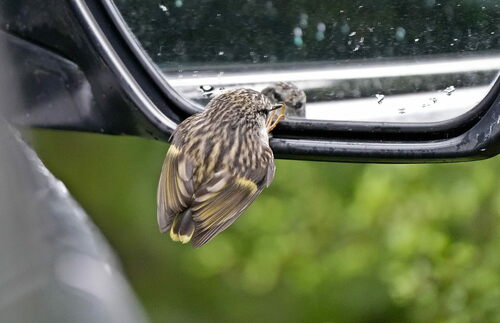
ミドリイワサザイ (Acanthisitta chloris) ミドリイワサザイ
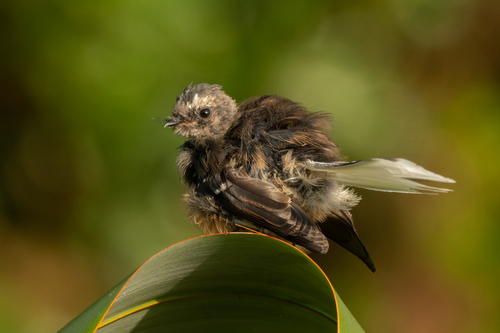
ニュージーランドオウギビタキ (Rhipidura fuliginosa) ニュージーランドオウギビタキ

メディア

読み込み中…

要点

ライフルマンとニュージーランドオウギビタキを区別する最も信頼できるフィールドマークは尾です:ライフルマンは非常に短く、太い尾を持ち、オウギビタキは全長の約半分に相当する非常に長く、広く、しばしば扇状の尾を持っています。飛んでいる時や止まっている時、オウギビタキの尾は間違いなく、しばしば広がっており、白い縁を見せたり(いくつかの形態では)全体が暗い色をしています。ライフルマンは小さく、コンパクトで、上面は緑がかっていますが、オウギビタキはより大きく、より活発で、暗い上面、白い喉、黄色がかった/オレンジ色の腹部との強いコントラストを示します。幼鳥のオウギビタキはより茶色ですが、長い尾を持っています。両者は小さな昆虫食ですが、その構造と動きは著しく異なります。

識別のコツ

  1. Tail length and shape: ライフルマンは常に非常に短く、太い尾を持っています; オウギビタキは長く、広く、しばしば扇状の尾を持ち、体長の約半分です。これはすべての年齢と季節で最も信頼できるフィールドマークです。
  2. Tail pattern: オウギビタキ(黒い形態を除く)は、扇状に広げると白い外尾羽を示します; ライフルマンの尾は黒で白い先端がありますが、非常に短いため、フィールドではほとんど注目されません。
  3. Body shape and jizz: ライフルマンは小さく、コンパクトで、丸い体を持ち、短い首と背中を丸めた姿勢をしています。オウギビタキは長く、より細身で、尾のためにより大きく見えます。
  4. Bill shape: ライフルマンは樹皮を探るための細く、わずかに上向きの針のような嘴を持っています; オウギビタキは飛行中に昆虫を捕まえるために適した、より広く平らな嘴を持っています。
  5. Flight style: ライフルマンは短く、直接的なバーストで飛び、ハミングの羽音で、オープンスペースを横切ることはほとんどありません。オウギビタキはひらひらと飛び、尾を扇ぎ、ほぼ常に動いており、しばしば昆虫を捕まえるために飛び出します。
  6. Perched behavior: オウギビタキは落ち着きがなく、常に尾を振ったり扇いだりしています。ライフルマンはより計画的で、幹や枝を這い上がります。
  7. Plumage – upperparts: オスのライフルマンは上面が明るい緑色です; メスは茶色がかり、オーカーの斑点があります。オウギビタキは中から暗い灰色または茶色で、決して緑ではありません。
  8. Plumage – underparts: ライフルマンは下が白(時々黄色がかった洗い)です; オウギビタキは下が黄色がかった/オレンジ色で、白い喉と暗い胸の帯があります。
  9. Facial markings: 両者は白い眉のストライプを持っていますが、オウギビタキのものは目の上でより目立ち、しばしば白い喉と暗い胸の帯を伴います。ライフルマンの眉はより控えめです。
  10. Sexual dimorphism: ライフルマンは性差を示します(オスはより緑色、メスはより茶色で、嘴と後爪が長い); オウギビタキの性別は羽毛が似ています。
  11. Juvenile confusion: 幼鳥のオウギビタキはより茶色で、あまりはっきりとした模様がありませんが、長い尾を持っています; 幼鳥のライフルマンは構造と尾の長さで成鳥に似ています。
  12. Black morph Fantail: 稀に、オウギビタキは目の後ろに白い斑点を除いて全体が暗く見えます; それでも長い扇状の尾と活発な行動を示します。
  13. Habitat context: ライフルマンは密集した成熟した森林の内部にいる可能性が高いです; オウギビタキは庭を含むより広範な森林や開けた生息地で一般的です。
  14. Abundance and approachability: オウギビタキは人に近づく可能性が高く、乱された地域で一般的です; ライフルマンは内気で、地域的で、開けたまたは都市の生息地ではあまり見られません。
  15. Voice: オウギビタキの金属的な「頬」の呼び声は特徴的です; ライフルマンの呼び声はここでは説明されていないので、まず構造と行動を使用してください。

大きさ

ライフルマンはニュージーランドで最も小さな固有種の鳥で、長さはわずか7〜9 cm、体重は約6〜7 gです。オウギビタキは長さがはるかに大きく(16 cm)、主にその長い尾のためですが、体重はわずかに高いだけです(約7.2 g)。並べて見ると、オウギビタキははるかに長く、より細長く見え、ライフルマンはコンパクトで太いです。

羽色

幼鳥と成鳥のオウギビタキは、常に白い外羽を持つ長い扇状の尾で認識されます(稀な黒い形態を除いて、目の後ろに白い斑点を除いて全体が暗い)。成鳥は中から暗い灰色または茶色の背中、白い喉、黄色がかった/オレンジ色の腹部、暗い胸の帯を持っています。幼鳥はより茶色で、あまりはっきりとした模様がありませんが、長い尾を持っています。ライフルマンのオスは上面が明るい緑色で、黄色がかった緑色の尻、黒と白の翼に黄色の帯、白い眉を持っています; メスは茶色がかりでより地味で、オーカーの斑点があります。両性とも非常に短い尾と白い腹部(時々黄色がかった洗い)を持っています。ライフルマンの短く丸い翼と小さな尾は、オウギビタキの長い扇状の尾とより対照的な羽毛と強く対比しています。オウギビタキのどの年齢もライフルマンの太い尾を示すことはなく、ライフルマンはオウギビタキの尾のパターンや長さを示すことはありません。

行動

オウギビタキはほぼ常に動いており、止まり木から止まり木へとひらひらと飛び、しばしば尾を扇いだり振ったりし、人々の後を追って乱された昆虫を捕まえます。彼らは大胆で目立ち、観察者に近づくことがよくあります。対照的に、ライフルマンは木の幹や枝を螺旋状に這い上がり、木の中で昆虫を探し、ひらひらと飛んだり、飛び出したりするのではなく、木の間を短い距離で滑空しているのが見られることが多いです。ライフルマンの飛行は迅速で直接的で、ハミングの羽音を持ち、オープンスペースを横切ることはほとんどありません。

生息環境

両種はニュージーランドの森林に生息していますが、ライフルマンはより専門的で、薄い森林を好み、島によっては高地のブナや低地のポドカープ森林を好みます。オウギビタキはより一般的で、庭や都市地域を含む広範な森林生息地で見られ、オープンまたはエッジの生息地で見られる可能性が高いです。ライフルマンは密集したカバーに留まり、木から遠くに出ることはほとんどありません。

声

オウギビタキは特徴的な金属的な「頬」の呼び声を持ち、しばしば急速に繰り返されるおしゃべりのシリーズで発声します。ライフルマンの声は提供されたメモには記載されていないため、現在の情報に基づいて声は信頼できる区別要因ではありません。

より良い説明を送る

比較と同じ項目を使ってください。文章はすぐに公開されます。

The most reliable field mark separating Rifleman from New Zealand Fantail is the tail: Rifleman has a very short, stubby tail, while the Fantail has an extremely long, broad, and often fanned tail that is about half its total length. In flight or perched, the Fantail’s tail is unmistakable and often spread, showing white edges or (in some morphs) all dark. Rifleman is tiny, compact, and greenish above, with a thin, upturned bill, while Fantail is larger, more active, and shows strong contrast between its dark upperparts, white throat, and yellowish/orange belly. Juvenile Fantails are browner but still show the long tail. Both are small insectivores, but their structure and movement are strikingly different.

  1. Tail length and shape: Rifleman always has a very short, stubby tail; Fantail has a long, broad, and often fanned tail that is about half its body length. This is the single most reliable field mark at all ages and seasons.
  2. Tail pattern: Fantail (except black morph) shows white outer tail feathers when fanned; Rifleman’s tail is black with a whitish tip but is so short it is rarely a focus in the field.
  3. Body shape and jizz: Rifleman is tiny, compact, and round-bodied, with a short neck and a hunched posture. Fantail is longer, more slender, and appears larger due to its tail.
  4. Bill shape: Rifleman has a thin, slightly upturned, awl-like bill for probing bark; Fantail has a broader, flatter bill suited for catching insects in flight.
  5. Flight style: Rifleman flies in short, direct bursts with a humming wingbeat and rarely crosses open space. Fantail flits, fans its tail, and is almost always in motion, often sallying out to catch insects.
  6. Perched behavior: Fantail is restless, flicking and fanning its tail constantly. Rifleman is more methodical, creeping up trunks and branches.
  7. Plumage – upperparts: Male Rifleman is bright green above; female is brownish with ochre flecks. Fantail is mid to dark grey or brown above, never green.
  8. Plumage – underparts: Rifleman is white below (sometimes with yellow wash); Fantail is yellowish/orange below with a white throat and a dark chest band.
  9. Facial markings: Both have white eyebrow stripes, but Fantail’s is more pronounced above the eye and is often accompanied by a white throat and dark chest band. Rifleman’s eyebrow is subtler.
  10. Sexual dimorphism: Rifleman shows some sex differences (male greener, female browner with longer bill and hind claw); Fantail sexes are similar in plumage.
  11. Juvenile confusion: Juvenile Fantails are browner and less sharply marked but still have the long tail; juvenile Rifleman resembles adults in structure and tail length.
  12. Black morph Fantail: Rarely, Fantail appears all dark except for a white spot behind the eye; still shows the long, fanned tail and active behavior.
  13. Habitat context: Rifleman is more likely in dense, mature forest interiors; Fantail is common in a wider range of wooded and open habitats, including gardens.
  14. Abundance and approachability: Fantail is much more likely to approach people and is common in disturbed areas; Rifleman is shy, local, and less likely in open or urban habitats.
  15. Voice: Fantail’s metallic 'cheek' call is distinctive; Rifleman’s call is not described here, so use structure and behavior first.

Rifleman is New Zealand’s smallest endemic bird, reaching only 7–9 cm in length and weighing around 6–7 g. The Fantail is much larger in length (16 cm), mostly due to its long tail, though its body mass is only slightly higher (about 7.2 g). When seen side by side, the Fantail appears much longer and more elongated, while Rifleman is compact and stubby.

Juvenile and adult Fantails are always recognized by their long, fan-shaped tail with white outer feathers (except in the rare black morph, which is all dark except for a white spot behind the eye). Adults have a mid to dark grey or brown back, white throat, yellowish/orange belly, and a dark chest band. Juveniles are browner and less sharply marked, but still show the long tail. Rifleman males are bright green above with a yellow-green rump, black and white wings with a yellow band, and a white eyebrow; females are browner and more somber, with ochre flecks. Both sexes have a very short tail and white underparts (sometimes with a yellow wash). The short, rounded wings and tiny tail of Rifleman contrast strongly with the Fantail’s long, fanned tail and more contrasting plumage. No age of Fantail ever shows the stubby tail of Rifleman, and no Rifleman ever shows the Fantail’s tail pattern or length.

Fantails are almost constantly in motion, flitting from perch to perch, often fanning and flicking their tail, and frequently following people to catch disturbed insects. They are bold and conspicuous, often coming close to observers. Rifleman, in contrast, creeps up tree trunks and branches in a spiral, searching for insects in a treecreeper-like fashion, and is more likely to be seen gliding short distances between trees rather than flitting or sallying. Rifleman flight is rapid and direct, with a humming wingbeat, and they rarely cross open spaces.

Both species are found in New Zealand forests, but Rifleman is more specialized, preferring thinly wooded forests and often high-altitude beech or lowland podocarp forests depending on the island. Fantails are more generalist, found in a wide range of wooded habitats including gardens and urban areas, and are much more likely to be seen in open or edge habitats. Rifleman tends to stay in dense cover and rarely ventures far from trees.

Fantail has a distinctive, metallic 'cheek' call, often repeated rapidly in a chattering series. Rifleman’s vocalizations are not described in the provided notes, so voice is not a reliable separator based on current information.

変更を破棄しますか?

保存していない編集があります。今離れると失われます。

ミドリイワサザイ · ニュージーランドオウギビタキ · 苦手な鳥