

Motmot

ウトウ 対 アメリカマダラウミスズメ

Cerorhinca monocerata 対 Brachyramphus marmoratus

ウトウとアメリカマダラウミスズメのクイズ
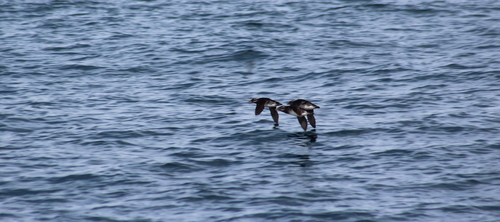
ウトウ (Cerorhinca monocerata) ウトウ
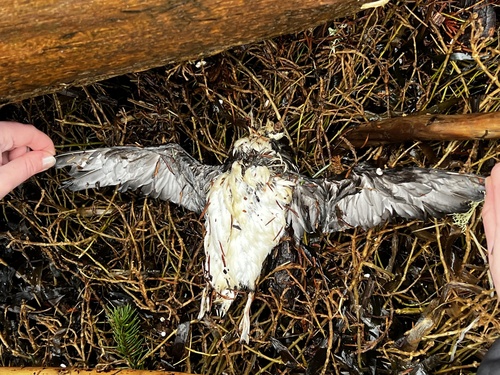
アメリカマダラウミスズメ (Brachyramphus marmoratus) アメリカマダラウミスズメ

メディア

読み込み中…

要点

ウトウとアメリカマダラウミスズメを区別する最も信頼できるフィールドマークはくちばしの構造です:ウトウは繁殖期の成鳥では目立つ「角」を持つ厚く深いオレンジ茶色のくちばしを持ち、アメリカマダラウミスズメは細く黒いくちばしを持っています。飛行中または水上では、ウトウはより大きくてずんぐりした印象を与え、腹部は淡い色で上面は暗い色をしていますが、アメリカマダラウミスズメはより小さく、ずんぐりしており、より繊細で尖った外観を示します。繁殖羽毛は混乱を引き起こす可能性がありますが、両者ともに暗くなり、よりまだら模様になりますが、ウトウの白い顔の羽毛と角は独特です。未成熟および非繁殖の鳥は、全体的なサイズ、くちばしの形、顔の模様によって最もよく区別されます。繁殖期にはウトウの角を必ず確認してくださいが、非繁殖の鳥には角がないことに注意してください。

識別のコツ

  1. Bill shape and color: ウトウは常に厚く深いオレンジ茶色のくちばし(繁殖期の成鳥には角がある)を持ち、アメリカマダラウミスズメは細く黒いくちばしを持っています。これはすべての年齢と季節で信頼できます。
  2. Bill horn: 繁殖期の成鳥のウトウのみがくちばしに角のような突起を示します。存在する場合、識別は確実です。角がないことは繁殖期以外のウトウを除外するものではありません。
  3. Facial plumes: 繁殖期のウトウは目の上とくちばしの後ろに白い羽毛を持ち、アメリカマダラウミスズメはこれを示しません。非繁殖期にはウトウは羽毛を失います。
  4. Facial pattern (non-breeding): 冬のアメリカマダラウミスズメは白い首の襟と白い腹部を持ち、黒い冠とうなじがあります。ウトウは白い襟がなく、より対照的な暗い上面/淡い下面の模様を持っています。
  5. Overall size and bulk: ウトウはアメリカマダラウミスズメよりもはるかに大きくてずんぐりしています。一緒に見た場合、違いは明らかです;単独で見た場合、ウトウの方がより頑丈で繊細さが少ない外観を探してください。
  6. Body shape: アメリカマダラウミスズメはコンパクトでずんぐりしており、短い首と尾を持っています;ウトウは体が長く、より重いです。
  7. Plumage in breeding season: アメリカマダラウミスズメは繁殖羽毛では全体がまだら茶色で、ウトウの白い顔の羽毛と角がありません。ウトウは上面が暗く、下面が淡いままで、白い羽毛と角を持っています。
  8. Plumage in non-breeding season: 両者ともに上面が暗く、下面が淡いですが、アメリカマダラウミスズメは白い首の襟と顔により広範な白を持っています;ウトウは持っていません。
  9. Habitat context: 森に出入りする鳥や、内陸で見られる鳥はほぼ確実にアメリカマダラウミスズメです。ウトウは厳密に沿岸および海洋性です。
  10. Nesting behavior: 特に沿岸の斜面で巣穴や洞窟で観察された場合、ウトウの可能性が高いです。アメリカマダラウミスズメは巣穴を使用しません。
  11. Feeding behavior: ウトウはくちばしに複数の魚を運び(パフィンのように)、アメリカマダラウミスズメは一度に1匹の魚しか運びません。
  12. Flight style: ウトウは飛行が苦手で、離陸時に苦労しているように見えることがあります;アメリカマダラウミスズメはより敏捷で、特に内陸を飛ぶときに直接的です。
  13. Sex and age: どちらの種にも強い性的二形性はありません;ウトウの角と羽毛は繁殖期の成鳥にのみ見られます。幼鳥と未成熟の個体は、くちばしの形とサイズで最もよく区別されます。
  14. Pitfalls: 照明が悪い場合や距離がある場合、ウトウの角と羽毛を見逃すことがあります;常にくちばしの厚さと全体的なサイズを確認してください。繁殖期のアメリカマダラウミスズメはより暗くまだらに見えることがありますが、白い顔の羽毛や角は決して示しません。
  15. When in doubt: くちばしの構造(厚く深い vs. 細く短い)、角/羽毛の有無、全体的なサイズに焦点を当ててください。生息地と行動は強力な支持の手がかりを提供できます。

大きさ

ウトウはアメリカマダラウミスズメよりもかなり重く(483 g)全体的に大きいです。アメリカマダラウミスズメは小さくてずんぐりしたウミスズメとして説明されています。ウトウのサイズは直接比較や経験で明らかで、アメリカマダラウミスズメよりも頑丈で繊細さが少ないように見えます。アメリカマダラウミスズメは特に小さくて軽く、よりコンパクトな体型と短い全長を持っています。くちばしのサイズもこの違いを反映しています:ウトウのくちばしは厚く深いですが、アメリカマダラウミスズメのくちばしは細く短いです。

羽色

行動

ウトウは飛行が苦手で、しばしば斜面の地面や水から努力して離陸する姿が見られ、巣穴や自然の空洞に巣を作る傾向があります。ウトウは一夫一妻制で、コロニーで非常に社交的です。アメリカマダラウミスズメは飛行中により敏捷で、夕暮れや夜明けに内陸に飛んで古い森林に巣を作る姿が見られ、時には海岸から遠く離れています。アメリカマダラウミスズメはコロニーや巣穴で巣を作らず、大きな苔むした枝や北部の地面に単独で巣を作ります。餌を取る行動は異なります:ウトウはくちばしに複数の魚を運び、アメリカマダラウミスズメは一度に1匹の魚しか運びません。

生息環境

ウトウは沿岸の巣穴や洞窟に巣を作り、通常は島や沿岸の斜面にあり、ほぼ常に海や巣作りのコロニーの近くで見られます。アメリカマダラウミスズメは古い森林に巣を作ることでアルカ科の中でユニークで、時には80 km内陸まで、または北部の地面に巣を作ります;海では、沿岸の水域で見られ、しばしば森林に覆われた海岸の近くにいます。内陸や森林の生息地で鳥を見かけることは、アメリカマダラウミスズメを強く示唆します。

より良い説明を送る

比較と同じ項目を使ってください。文章はすぐに公開されます。

The most reliable field mark to separate Rhinoceros Auklet from Marbled Murrelet is bill structure: the auklet has a thick, deep orange-brown bill with a prominent 'horn' in breeding adults, while the murrelet has a slender, black bill. In flight or on the water, the auklet appears bulkier and larger, with a pale belly and dark upperparts, whereas the murrelet is smaller, chunkier, and shows a more delicate, pointed look. Breeding plumage can cause confusion, as both become darker and more mottled, but the auklet's white facial plumes and horn are unique. Immature and non-breeding birds are best separated by overall size, bill shape, and facial pattern. Always check for the auklet's horn in season, but be aware it is absent in non-breeding birds.

  1. Bill shape and color: Rhinoceros Auklet always has a thick, deep, orange-brown bill (with a horn in breeding adults), while Marbled Murrelet has a slender, black bill. This is reliable at all ages and seasons.
  2. Bill horn: Only breeding adult Rhinoceros Auklets show the horn-like projection on the bill. If present, ID is certain. Absence of horn does not rule out auklet outside breeding season.
  3. Facial plumes: Breeding Rhinoceros Auklet has white plumes above the eye and behind the bill; Marbled Murrelet never shows these. In non-breeding season, auklet loses plumes.
  4. Facial pattern (non-breeding): Marbled Murrelet in winter has a white neck collar and white underparts with a black crown and nape. Rhinoceros Auklet lacks the white collar and has a more contrasting dark above/pale below pattern.
  5. Overall size and bulk: Rhinoceros Auklet is much larger and bulkier than Marbled Murrelet. If seen together, the difference is obvious; alone, look for a more robust, less delicate appearance in the auklet.
  6. Body shape: Marbled Murrelet is compact and chunky, with a short neck and tail; Rhinoceros Auklet is longer-bodied and heavier-set.
  7. Plumage in breeding season: Marbled Murrelet is mottled brown all over in breeding plumage, lacking the auklet's white facial plumes and horn. Rhinoceros Auklet remains dark above and pale below, with white plumes and horn.
  8. Plumage in non-breeding season: Both are darker above and paler below, but Marbled Murrelet has a white neck collar and more extensive white on the face; auklet does not.
  9. Habitat context: A bird seen flying into or out of a forest, or far inland, is almost certainly a Marbled Murrelet. Auklets are strictly coastal and marine.
  10. Nesting behavior: If observed at a burrow or cave, especially on a coastal slope, it is likely Rhinoceros Auklet. Marbled Murrelet never uses burrows.
  11. Feeding behavior: Rhinoceros Auklet carries multiple fish in its bill (like puffins), while Marbled Murrelet carries only one fish at a time.
  12. Flight style: Auklet is a poor flier and may appear labored on takeoff; murrelet is more agile and direct in flight, especially when flying inland.
  13. Sex and age: No strong sexual dimorphism in either species; horn and plumes in auklet only in breeding adults. Juveniles and immatures are best separated by bill shape and size.
  14. Pitfalls: In poor light or at distance, the auklet's horn and plumes may be missed; always check bill thickness and overall size. Breeding murrelets may appear darker and mottled, but never show white facial plumes or a horn.
  15. When in doubt: Focus on bill structure (thick and deep vs. slender and short), presence or absence of horn/plumes, and overall size. Habitat and behavior can provide strong supporting clues.

Rhinoceros Auklet is substantially heavier (483 g) and overall larger than Marbled Murrelet, which is described as a small, chunky auk. The auklet's size is obvious in direct comparison or with experience, appearing more robust and less delicate than the murrelet. The murrelet is notably smaller and lighter, with a more compact build and shorter overall length. Bill size also reflects this difference: the auklet's bill is thick and deep, while the murrelet's is slender and short.

  • Juvenile/immature/first-winter: No specific upperwing pattern differences are described for these ages in either species. Separation relies on structure and bill shape at all ages.

  • Adult breeding: Rhinoceros Auklet adults have dark upperparts and pale underparts, with distinctive white plumes above the eyes and behind the bill, and a horn-like projection on the bill (present only in breeding adults). Marbled Murrelet in breeding plumage is mottled brown overall, lacking white facial plumes and horn. The murrelet's face and body are more uniformly mottled brown, while the auklet maintains a contrasting pale belly and dark back.

  • Adult non-breeding: Rhinoceros Auklet loses the horn and facial plumes; still shows a thick, deep bill and contrasting dark above/pale below pattern. Marbled Murrelet in non-breeding plumage is white below with a black crown, nape, wings, and back, and a white neck collar (not present in the auklet). The murrelet's bill remains slender and black.

Rhinoceros Auklet is a poor flier, often seen taking off from sloped ground or water with effort, and tends to nest in burrows or natural cavities. It is monogamous and highly social at colonies. Marbled Murrelet is more agile in flight, often seen flying inland at dusk or dawn to nest in old-growth forests, sometimes far from the coast. The murrelet does not nest in colonies or burrows, but singly on large, mossy branches or on the ground in northern areas. Feeding behavior differs: auklet carries multiple fish in its bill, murrelet carries a single fish at a time.

Rhinoceros Auklet nests in coastal burrows or caves, usually on islands or coastal slopes, and is almost always seen at sea or near nesting colonies. Marbled Murrelet is unique among alcids for nesting in old-growth forests, sometimes up to 80 km inland, or on the ground in the far north; at sea, it is found in nearshore waters, often close to forested coastlines. Seeing a bird inland or in forested habitat strongly favors Marbled Murrelet.

変更を破棄しますか?

保存していない編集があります。今離れると失われます。

ウトウ · アメリカマダラウミスズメ · 苦手な鳥