

Motmot

アカエリヨタカ 対 ヨーロッパヨタカ

Caprimulgus ruficollis 対 Caprimulgus europaeus

アカエリヨタカとヨーロッパヨタカのクイズ
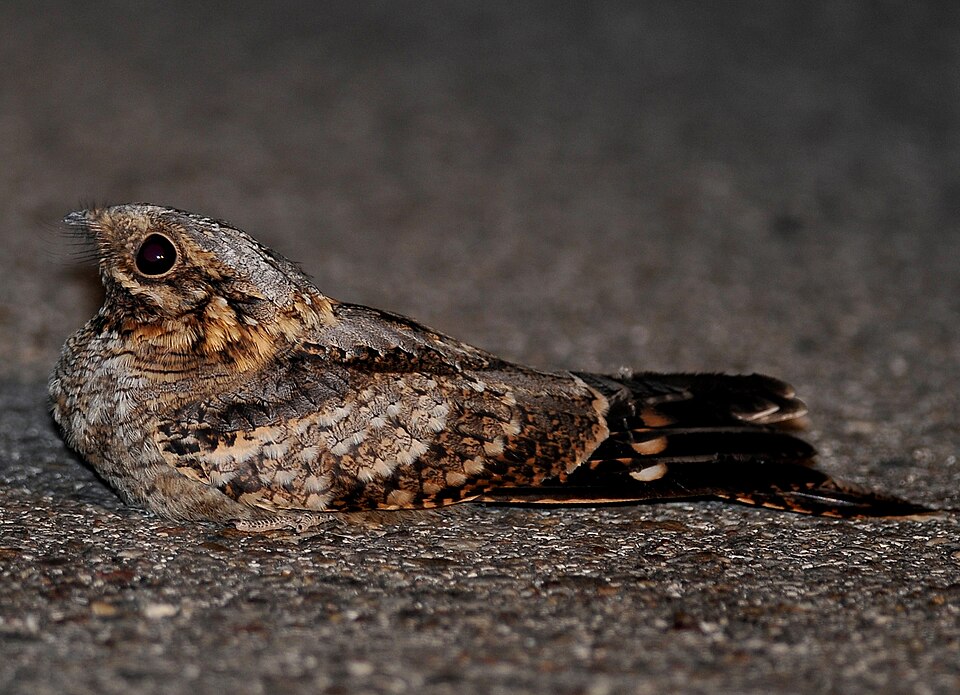
アカエリヨタカ (Caprimulgus ruficollis) アカエリヨタカ
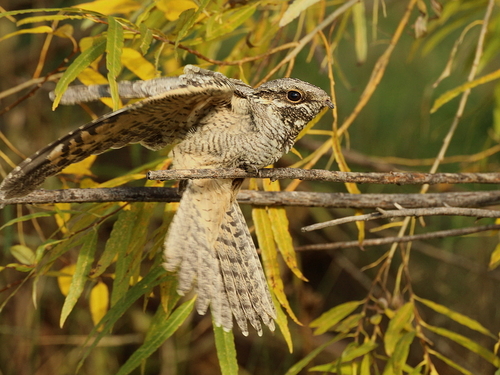
ヨーロッパヨタカ (Caprimulgus europaeus) ヨーロッパヨタカ

メディア

読み込み中…

要点

アカエリヨタカとヨーロッパヨタカを区別する最も信頼できる方法は、サイズとアカエリヨタカの存在する目立つ赤褐色の首輪によるものです。アカエリヨタカは明らかに大きく、尾が長く、両性ともに翼と尾により広範な白があります。飛行中、ヨーロッパヨタカのオスは一次羽と尾の先端に白い斑点を示しますが、アカエリヨタカの両性はこれらの領域に白があります。アカエリヨタカの全体的な羽毛はより暖かく、より多様で、広く目立つ赤褐色の首輪がありますが、ヨーロッパヨタカは冷たい灰褐色で、狭いクリーム色の首輪があります。これらの違いは、良い光の下や鳥が止まっているときに最も明らかですが、サイズ、首輪の色、翼/尾の模様を注意深く観察すれば、通常は識別ができます。

識別のコツ

  1. Size and Structure: アカエリヨタカはヨーロッパヨタカよりも明らかに大きく、尾が長いです。直接比較する際は、飛行中または止まっているときに、より大きく、より細長い鳥を探してください。
  2. Rufous Neck-collar: アカエリヨタカは、両性およびすべての年齢で見える、首の周りに広く目立つ赤褐色(栗色)の首輪を示します。ヨーロッパヨタカは、はるかに狭く、色が薄いクリーム色の首輪を持ち、しばしば目立たないです。
  3. White in Wing and Tail: アカエリヨタカは、両性ともに翼と尾の側に目立つ白い斑点がありますが、ヨーロッパヨタカのオスは白い翼の斑点(3つの一次羽にわたる)と白い尾の先端を持っていますが、メスはこれらの白い領域が全くありません。翼や尾に白があるメス型の鳥を見たら、それはアカエリヨタカです。
  4. Overall Plumage Tone: アカエリヨタカは、地衣類の灰色、クリーム色、栗色、黒の縞模様と斑点があり、より暖かく、より多様です。ヨーロッパヨタカは冷たい灰褐色で、あまり多様性がなく、豊かな栗色のトーンが欠けています。
  5. Underparts: アカエリヨタカの腹部はより重く縞模様があり、よりパターン化された外観を与えます。ヨーロッパヨタカの腹部はより茶色で、より単調で、コントラストが少ないです。
  6. Flight Jizz: アカエリヨタカは強く、意図的な羽ばたきと長い滑空で飛び、より大きく、より力強く見えます。ヨーロッパヨタカは軽く、より浮遊感があり、飛行中はひらひらします。
  7. Perched Posture: 両者は枝やレールに長さ方向で止まりますが、アカエリヨタカの大きなサイズと長い尾は、よく見れば明らかになるかもしれません。
  8. Song: アカエリヨタカは繰り返しの「キョクキョクキョク...」を発し、上昇したり下降したりします。ヨーロッパヨタカは連続的なチュルル音を出します。頭の動きに合わせて音量が変わる歌を聞いたら、アカエリヨタカを疑ってください。
  9. Wing-clapping: 両種は羽ばたきをすることができますが、アカエリヨタカのそれは背中の上での鋭い音で、しばしば求愛中に行われます。
  10. Habitat: イベリア半島と北西アフリカでは、アカエリヨタカは散在する木や茂みのある開けた砂地のヒースを好みます。ヨーロッパヨタカはより一般的で広範囲に分布しています。
  11. Sex Differences: ヨーロッパヨタカのオスだけが翼と尾に白を示しますが、アカエリヨタカの両性は示します。これはメスや未熟な鳥を区別するために重要です。
  12. Geographic Range: アカエリヨタカは南西ヨーロッパと北西アフリカに制限されていますが、ヨーロッパは広く分布しています。範囲外では、アカエリヨタカの強い証拠がない限り、ヨーロッパヨタカにデフォルトします。
  13. Vagrancy: アカエリヨタカはその範囲の北で珍しい迷鳥です。疑わしい場合は、赤褐色の首輪とサイズを確認してください。
  14. Moult Timing: 通常は現場での診断には使えませんが、ヨーロッパヨタカの成鳥と未熟な個体は、夏の終わり/秋に脱羽の隙間を示すことがありますが、アカエリヨタカのタイミングはあまり文書化されていません。
  15. Pitfalls: 未熟なヨーロッパヨタカは成鳥のメスに似ており、翼/尾に白がないため、メスのアカエリヨタカと混同されることがあります。サイズ、首輪の色、羽毛の全体的な暖かさを使って区別してください。

大きさ

アカエリヨタカは最も大きなヨーロッパのヨタカで、体重は約84g、長さは32cmです。一方、ヨーロッパヨタカは24.5〜28cmの長さと軽い体重(オスは51〜101g、メスは67〜95g)です。アカエリヨタカはまた、尾が長く、翼の幅も広い(64cm対ヨーロッパヨタカの52〜59cm)です。フィールドでは、アカエリヨタカは特に飛行中に、より大きく、より細長く見えます。ヨーロッパヨタカは明らかに小さく、よりコンパクトで、尾と翼が短いです。

羽色

行動

両種は薄明かりと夜行性で、静かで浮遊感のある蛾のような飛行をします。アカエリヨタカの飛行は強く、意図的で、羽ばたきと滑空を交互に行いますが、ヨーロッパヨタカの飛行は非常に浮遊感があり、音がありません。両者は枝やレールに長さ方向で止まり、止まっているときは非常に擬態します。アカエリヨタカはポストから歌う可能性が高く、求愛中に機械的な羽ばたきを使用しますが、ヨーロッパヨタカも同様ですが、文脈と頻度はわずかに異なる場合があります。

生息環境

アカエリヨタカは主にイベリア半島と北アフリカの木や茂みのある開けた砂地のヒースで繁殖し、熱帯西アフリカで越冬します。ヨーロッパヨタカは、ヨーロッパのほとんどとユーラシアからモンゴルと北西中国にかけて、はるかに広範な繁殖範囲を持ち、より多様な開けた生息地を占めています。イベリア半島と北西アフリカでは、両者が発生する可能性がありますが、アカエリヨタカは南西に制限され、ヨーロッパヨタカはより広範囲に分布しています。南ヨーロッパでは生息地の重複が可能ですが、アカエリヨタカはより砂地で開けた地形を好みます。

声

アカエリヨタカの歌は、鳥が頭を回すと上昇したり下降したりする繰り返しの機械的な「キョクキョクキョク...」であり、求愛中に鋭い羽ばたき音も出します。ヨーロッパヨタカの歌は、時には10分間続く長く持続的なチュルル音で、時折泡立つようなチュルル音や羽ばたき音があります。ヨーロッパのチュルル音はより連続的で機械的ですが、アカエリヨタカのそれはより断続的で、頭の動きに応じて変わります。両種は声を使って隠れることができ、音だけで見つけるのが難しいですが、歌の構造は異なります。

より良い説明を送る

比較と同じ項目を使ってください。文章はすぐに公開されます。

The most reliable way to separate Red-necked Nightjar from Eurasian Nightjar is by size and the presence of a bold rufous neck-collar on the Red-necked. Red-necked is distinctly larger, longer-tailed, and has more extensive white on the wings and tail in both sexes. In flight, Eurasian Nightjar males show white patches on the primaries and tail tips, while Red-necked of both sexes have white in these areas. The Red-necked's overall plumage is warmer and more variegated, with a broad, conspicuous rufous collar, whereas Eurasian is colder grey-brown with a narrower buff collar. These differences are most apparent in good light or when the birds are perched, but careful observation of size, collar color, and wing/tail markings will usually clinch the ID.

  1. Size and Structure: Red-necked Nightjar is noticeably larger and longer-tailed than Eurasian Nightjar. In direct comparison, look for a bulkier, more elongated bird in flight or perched.
  2. Rufous Neck-collar: Red-necked shows a broad, conspicuous rufous (chestnut) collar around the neck, visible in both sexes and all ages. Eurasian has a much narrower, paler buff collar, often less obvious.
  3. White in Wing and Tail: Red-necked has prominent white spots on the wings and tail sides in both sexes, while Eurasian Nightjar males have a white wing patch (across three primaries) and white tail tips, but females lack these white areas entirely. If you see a female-type bird with white in the wing or tail, it's Red-necked.
  4. Overall Plumage Tone: Red-necked is warmer and more variegated, with lichen-grey, buff, chestnut, and black barring and streaking. Eurasian is colder grey-brown, less variegated, and lacks the rich chestnut tones.
  5. Underparts: Red-necked's underparts are more heavily barred, giving a more patterned look; Eurasian's are browner and plainer below, with less contrast.
  6. Flight Jizz: Red-necked flies with strong, deliberate wingbeats and long glides, appearing larger and more powerful. Eurasian is lighter, more buoyant, and fluttery in flight.
  7. Perched Posture: Both perch lengthwise, but Red-necked's larger size and longer tail may be apparent if seen well.
  8. Song: Red-necked gives a repetitive "kyok-kyok-kyok..." that rises and falls; Eurasian produces a continuous churring trill. If you hear a song that varies in volume with head movement, suspect Red-necked.
  9. Wing-clapping: Both species can wing-clap, but Red-necked's is a sharp crack over the back, often during courtship.
  10. Habitat: In Iberia and NW Africa, Red-necked prefers open sandy heaths with scattered trees or bushes; Eurasian is more generalist and widespread.
  11. Sex Differences: Only male Eurasian Nightjars show white in the wing and tail; both sexes of Red-necked do. This is crucial for separating female/immature birds.
  12. Geographic Range: Red-necked is restricted to SW Europe and NW Africa; Eurasian is widespread across Europe and Asia. Out of range, default to Eurasian unless strong evidence for Red-necked.
  13. Vagrancy: Red-necked is a rare vagrant north of its range; check for rufous collar and size if suspected.
  14. Moult Timing: Not usually diagnostic in the field, but Eurasian adults and immatures may show moult gaps in late summer/autumn, while Red-necked timing is less well documented.
  15. Pitfalls: Immature Eurasian Nightjars resemble adult females and lack white in wing/tail, so can be confused with female Red-necked. Use size, collar color, and overall warmth of plumage to separate.

Red-necked Nightjar is the largest European nightjar, with a body mass around 84g and a length of 32 cm, compared to Eurasian Nightjar's 24.5–28 cm length and lighter mass (males 51–101g, females 67–95g). Red-necked also has a longer tail and broader wingspan (64 cm vs. Eurasian's 52–59 cm). In the field, Red-necked appears bulkier and more elongated, especially in flight. Eurasian is noticeably smaller and more compact, with shorter tail and wings.

  • Juvenile/First-autumn birds: No detailed age-specific upperwing pattern differences are described for juveniles, but fledged young Eurasian Nightjars resemble adult females (greyer, less white in wing/tail).
  • Adults: Red-necked Nightjar has a striking rufous (chestnut) neck-collar, lichen-grey upperparts heavily barred and streaked with buff, chestnut, and black, and both sexes show white spots on the wings, tail sides, and throat. Eurasian Nightjar is colder grey-brown above, with a narrower pale buff hindneck collar, and in males, a white wing patch across three primaries and white tips to the two outer tail feathers; females lack these white patches. Red-necked's white in the wing and tail is more extensive and present in both sexes, while Eurasian's is restricted to males. Red-necked's underparts are more heavily barred, and the overall impression is warmer and more variegated, while Eurasian is plainer and greyer.

Both species are crepuscular and nocturnal, with silent, buoyant, moth-like flight. Red-necked Nightjar's flight is described as strong and deliberate, alternating between wingbeats and glides, while Eurasian Nightjar's is very buoyant and noiseless. Both perch lengthwise on branches or rails and are highly cryptic when roosting. Red-necked may be more likely to sing from a post and uses mechanical wing-clapping during courtship, as does Eurasian, but the context and frequency may differ slightly.

Red-necked Nightjar breeds in open sandy heaths with trees or bushes, mainly in Iberia and North Africa, and winters in tropical West Africa. Eurasian Nightjar has a much broader breeding range, across most of Europe and the Palearctic to Mongolia and NW China, and occupies a wider variety of open habitats. In Iberia and NW Africa, both can occur, but Red-necked is restricted to the southwest, while Eurasian is more widespread. Habitat overlap is possible in southern Europe, but Red-necked prefers sandier, more open terrain.

Red-necked Nightjar's song is a repetitive mechanical "kyok-kyok-kyok..." that rises and falls as the bird turns its head, and it also produces a sharp wing-clap during courtship. Eurasian Nightjar's song is a long, sustained churring trill, sometimes lasting up to 10 minutes, with occasional bubbling trills and wing-clapping. The churring of Eurasian is more continuous and mechanical, while Red-necked's is more broken and varies with head movement. Both species can be ventriloquial and difficult to locate by sound alone, but the song structure is different.

変更を破棄しますか?

保存していない編集があります。今離れると失われます。

アカエリヨタカ · ヨーロッパヨタカ · 苦手な鳥